Physical Address
304 North Cardinal St.
Dorchester Center, MA 02124
Physical Address
304 North Cardinal St.
Dorchester Center, MA 02124

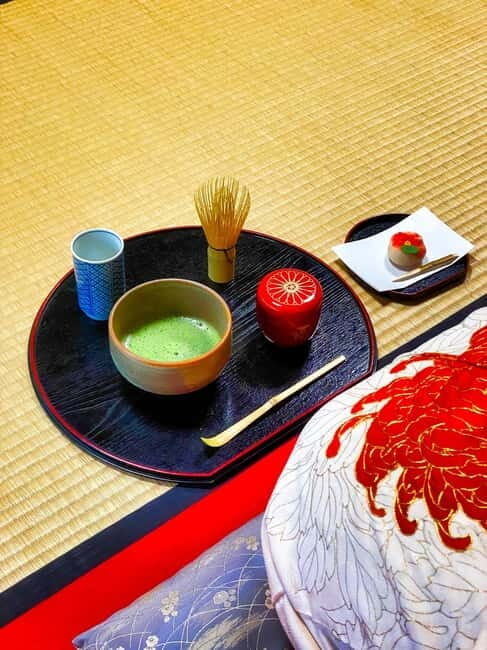
Make matcha in a traditional Kiyomizu tea house, watch a tea master at work, and enjoy a garden view during this 45-minute Kyoto ceremony.
In a traditional tea house tucked just off Kyoto’s well-trodden Sannenzaka, you can watch a tea master prepare matcha against a view of a carefully tended garden. Then you get the whisk in your own hands. This 45-minute session offers a short, thoughtful introduction to a ceremony with a history of about 500 years, without asking you to spend half a day in formal study.
I like two things in particular: the garden setting, created by landscape artist Ogawa Jihei VII, and the chance to both watch the ceremony and make your own tea. The main consideration is the price: at $49 per person, it is a worthwhile cultural treat if you value expert demonstration and a special setting, but it is a brief experience rather than an in-depth course.
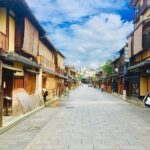
Sannenzaka is a well-known old street below Kiyomizu-Dera Temple, and it can feel lively as people make their way through this historic part of Kyoto. The tea house is close to the action, yet the experience takes place behind a large gate and looks onto a garden. That change of pace is part of the appeal: you can step away from the street noise without travelling far from the sights you came to see.
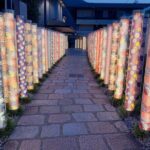
Finding the entrance takes a little attention. From Kiyomizu-Dera, go down Sanneizaka for about 50 meters, then enter the large gate on your right. You should see the garden beyond it. Walk straight for about 10 meters, then go through the white gate on your left to reach Sakaguchian. Some visitors describe looking for a lantern-lined lane, so keep an eye out for the entrance rather than expecting a storefront opening directly onto the street.
If you take a cab, ask the driver to head toward Kodaiji Temple and get out at the intersection of Sanneizaka and Ishin-no-michi. The Japanese address is 京都市東山区清水3丁目334. Leave extra time to find the entrance, especially if you are walking around the temple area before your booking.
You can check availability for your dates here: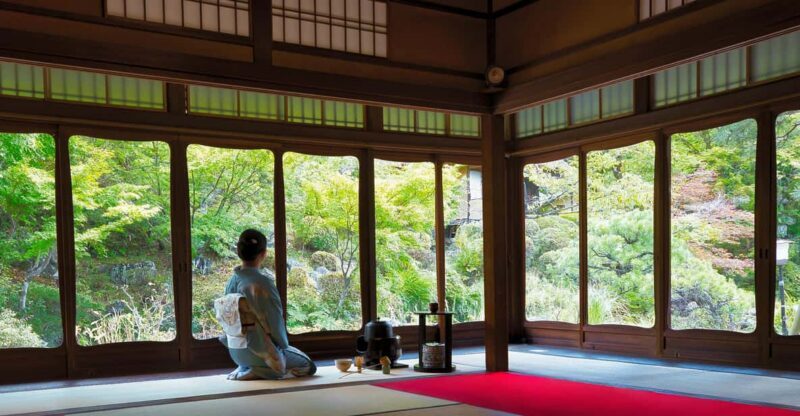
The garden is more than a pretty background for photographs. It gives the ceremony a quieter focus, and the tea house’s view helps explain why setting and attention matter in this kind of ritual. The garden was created by Ogawa Jihei VII, a well-known Japanese landscape artist. You do not need a gardening lesson to appreciate the effect: you sit, look out, and let the green view slow the pace of your visit.
That contrast is useful in this part of Kyoto. You might spend the day moving between temples, lanes, and shops, where the streets can be crowded. Here, you have a seated activity with a clear beginning and end, and the garden gives you a reason to stop looking at your phone for a while.
The experience takes place rain or shine. Because the ceremony is indoors, rain does not cancel the activity, though weather may change how the garden looks. Large bags and luggage are not allowed, so do not plan to arrive straight from a hotel checkout with your suitcase.
Looking for more options in Kyoto? Here are some other experiences worth considering.
The session begins with a welcome and a brief introduction to the tea house, garden, and history of the ceremony. The activity is conducted in English, which matters because the point is not only to watch a series of formal movements. A good explanation gives you the context to notice why the tea master handles each utensil with care and why the process is performed in a set order.
The ceremony’s history is described as stretching back about 500 years. In 45 minutes, you will not get a full account of every school, custom, or historical change. Instead, expect a concise primer that helps you understand the tradition and follow the demonstration. If you are especially interested in the history, use the question time to ask the host or tea master what you would like to know.
The host and tea master have distinct roles. The host explains and guides the session in English, while the tea master demonstrates the preparation. May is one host named for her warm welcome and clear explanations, though the person leading your session may differ. The ceremony is a good choice if you like having a guide translate not just the instructions but the meaning behind what you are watching.
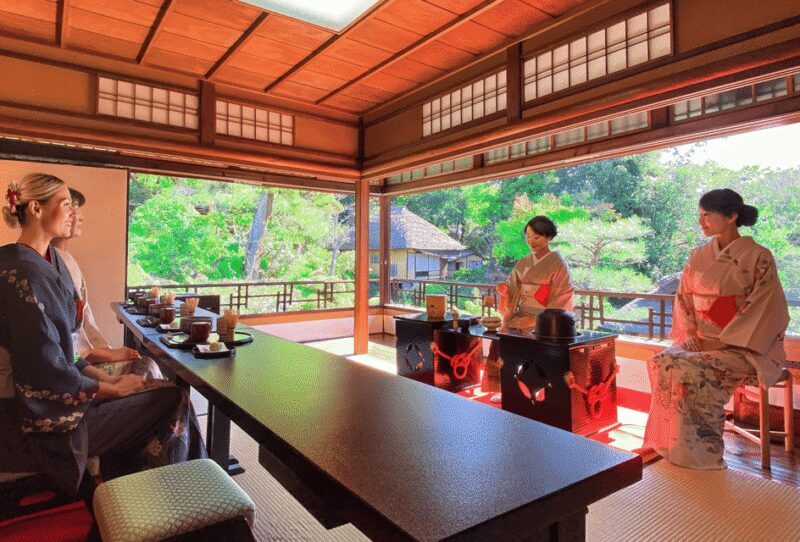
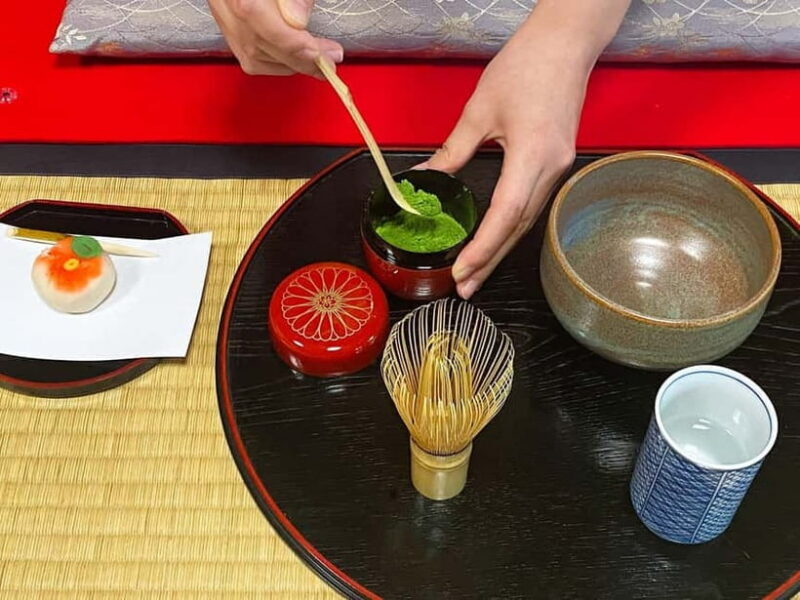
The tea master’s demonstration is the centrepiece. You see the preparation performed with care and controlled movements, then get the chance to make matcha yourself. That sequence is useful: first you see the technique, then you try it, rather than being handed a bowl with no sense of how it was made.
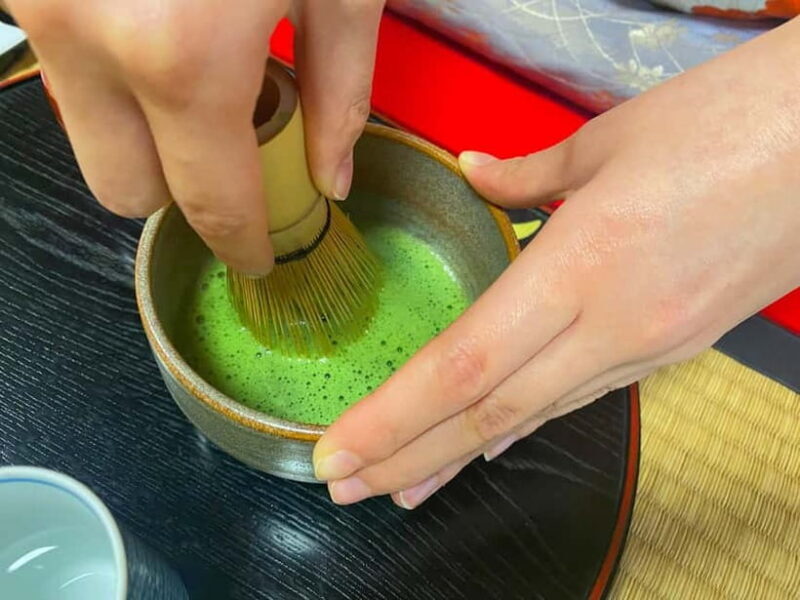
Making matcha is simple enough to try in a short session, but there is more to it than stirring powder into water. You learn the basic way to whisk and prepare the tea, and the instructor can explain how to approach the steps. Do not expect a professional-level lesson or a certificate in tea preparation. Think of it as a practical introduction that will make the next bowl you order in Japan a little more meaningful.
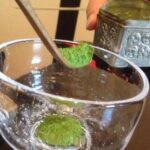
You receive two cups of matcha as part of the activity. One is prepared by the tea master, and you also make a cup yourself. The tasting gives you a direct comparison between watching an experienced hand and trying the technique on your own. A traditional Japanese sweet is served with the tea, offering a customary pairing rather than a separate meal.
If you are unsure about matcha, this is a friendly way to try it. The taste can be grassy and pleasantly intense, but people new to it may find that freshly prepared matcha is more approachable than expected. The sweet also helps round out the tasting. If you already drink matcha, the value here is less about discovering the flavour and more about understanding its preparation and place in the ceremony.
This is a compact cultural activity, not a full tea-school session. The pace typically moves from welcome and background, to the tea master’s demonstration, to your turn making matcha, then tasting and a group photo. The order gives you enough structure to understand what is happening while leaving room to enjoy the garden and ask questions.
Small groups have been part of the experience, with some sessions described as having around eight to ten people. Group size can affect how close you sit to the demonstration and how much time you have to ask questions, so do not assume every session will be exactly the same. The format is more personal than a large auditorium presentation, but it remains a shared activity rather than a private lesson.
The final photo is a simple but useful extra. You can pose with your group against the garden backdrop, giving you a record of the visit without having to interrupt the ceremony to take pictures yourself. The tea master or host may also help with photos, though you should keep your attention on the demonstration while it is in progress. Moving around during the ceremony can distract from the formal presentation.
More Great Tours Nearby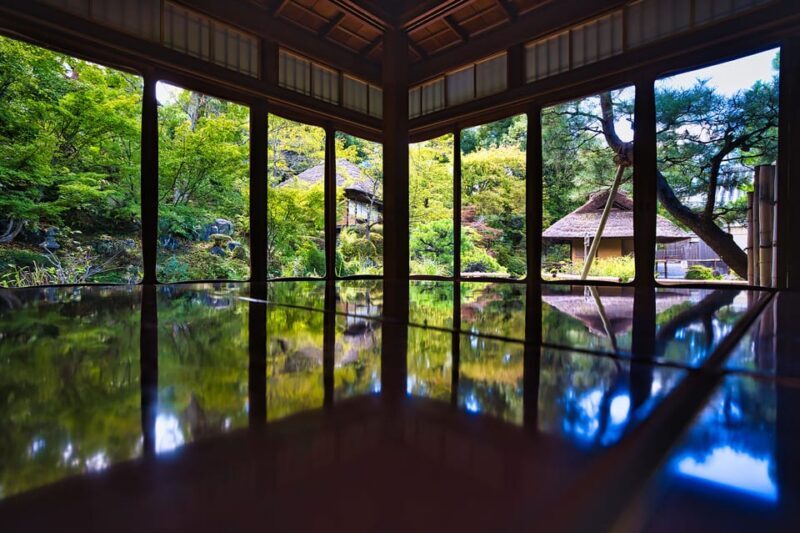
At $49 per person, this is not the cheapest way to drink matcha in Kyoto. You are paying for more than a cup of tea: the setting, English-language guidance, the tea master’s demonstration, your own preparation, a traditional sweet, and a group photo are all included. The garden and the chance to see the ceremony up close are what make the price easier to justify.
The value depends on what you want from the visit. If your goal is simply to taste matcha, you can find less costly options elsewhere. If you want an accessible introduction to a Japanese tradition in a traditional tea house, with someone explaining what you are seeing, the fee makes more sense. It is also a short activity, so it fits neatly between nearby sights rather than requiring a large block of your day.
The experience is best for curious adults, couples, and families with children aged seven or older who can sit attentively through a short demonstration. One family found it worked well for children aged nine and thirteen. Children under seven are not considered suitable, so this is not the right pick for families travelling with very young children.
Kimono rental is not included. You can still take part in ordinary clothes, and the ceremony does not require you to dress up to understand it. In fact, if you are choosing between paying extra for clothing and simply taking part, the core value is in the demonstration and hands-on tea making.
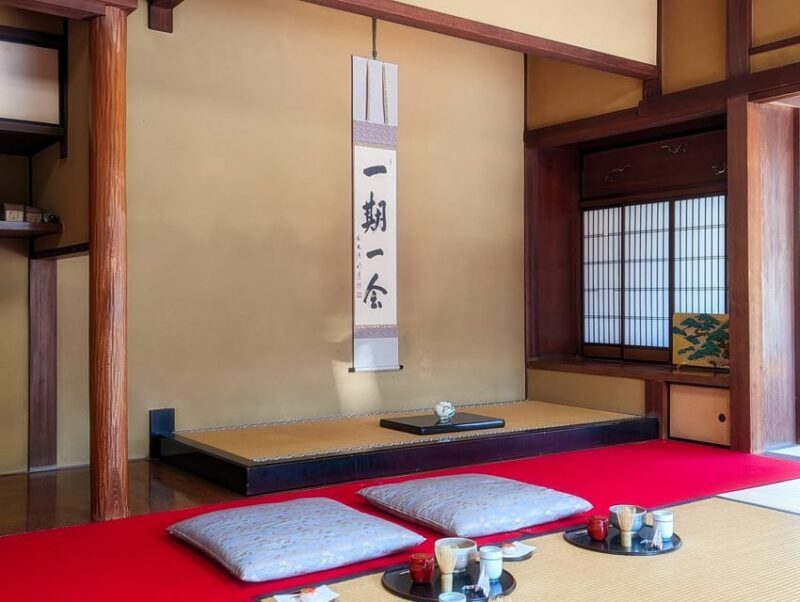
The activity lasts 45 minutes, but leave a little extra time to locate the entrance and arrive without rushing. The tea house is near Kiyomizu-Dera, which makes it easy to combine with a visit to the temple and surrounding streets. Still, avoid scheduling the ceremony so tightly that a slow walk or a wrong turn leaves you flustered at the gate.
You can reserve a place and pay later, which is handy if you are planning a trip with several moving parts. Cancellation is free up to 24 hours in advance for a full refund. Check the available starting times when booking, and remember that the activity goes ahead in wet weather.
Bring no luggage or large bags. The activity is not suitable for children under seven, and you should be prepared to remain seated and attentive while the tea master performs. Those small points help protect the calm atmosphere that makes the visit work.
Book it if you want more than a quick taste of matcha: the best reasons are the garden setting, the skilled demonstration, and the chance to prepare a cup yourself with an English-speaking guide. It is a particularly good fit if you are already exploring Kiyomizu-Dera and want a quieter, more reflective pause nearby.
Skip it if you are looking for an extensive cultural course, a private session, or the lowest-cost cup of tea in Kyoto. At 45 minutes, this is an introduction, not a deep study. But if you are curious about the ceremony and willing to pay for a lovely setting and clear guidance, it is a memorable way to spend a short stretch of your day.
“This is an amazing experience! Definitely would recommend. Even though its locate on a busy street, the building itself is very peaceful and the vi…”
The activity lasts 45 minutes.
The listed price is $49 per person.
Yes. English is listed as the language for the instructor.
Two cups of matcha are included. You watch a tea master prepare tea and also learn to make your own.
Yes. A traditional Japanese sweet is included with the tea.
No. Kimono rental is not included.
The tea house is in Sannenzaka near Kiyomizu-Dera Temple. Walk about 50 meters down Sanneizaka, enter the large gate on the right, go straight about 10 meters, then use the white gate on your left to find Sakaguchian.
No. Luggage and large bags are not allowed.
No. Children under seven are not considered suitable for this activity.
Yes. The activity takes place rain or shine.
You can check availability for your dates here: