Physical Address
304 North Cardinal St.
Dorchester Center, MA 02124
Physical Address
304 North Cardinal St.
Dorchester Center, MA 02124

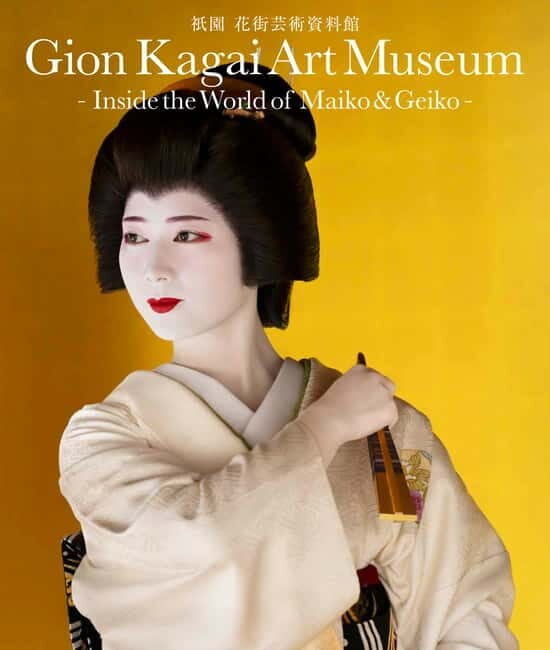
See Kyoto’s Inoue-style geiko or maiko dance, then explore Gion’s costume displays, films, garden, cafe, and museum shop.
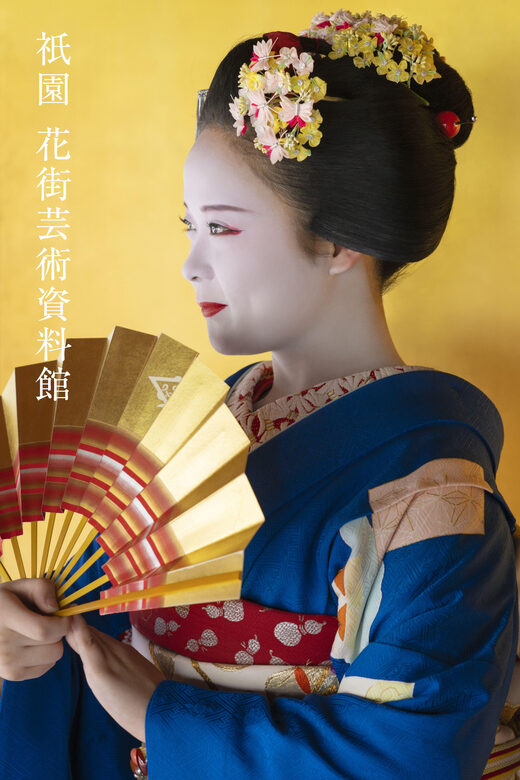
Kyoto’s traditional dance is the heart of this visit: a geiko or maiko performs two pieces in the Inoue style, close enough for you to notice the precise gestures and changing expressions. The show lasts about 15 minutes, so it offers a direct encounter with a Kyoto art form without taking over your day.
I like that the museum displays give the dance context, from kimono and hair ornaments to videos and English information accessed by QR code. I also like the calm garden, which gives you a quieter place to pause before or after the performance.
The main drawback is the short show: two dances are a taste, not a full evening of Kyoto entertainment. You also cannot take photos or make audio recordings during the performance, so plan to watch rather than document it.
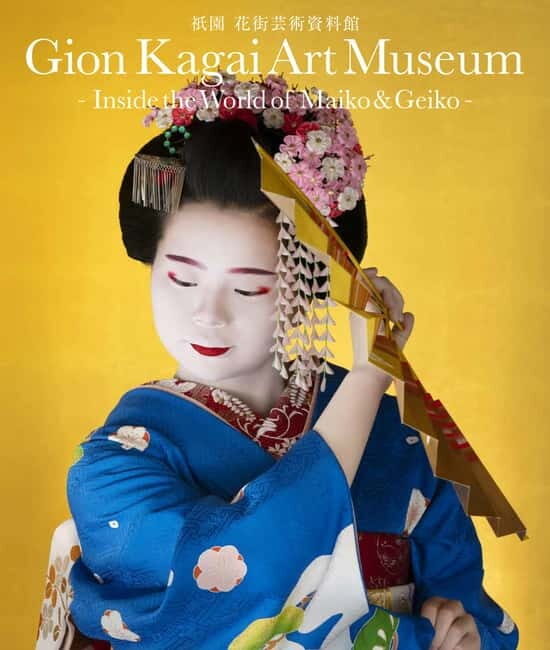
The central event is a live Kyoto Mai dance performed by a geiko or maiko. The performance follows the Inoue style, a Kyoto dance tradition, and consists of two songs over roughly 15 minutes. That compact format makes this a practical stop if you want to encounter a traditional art form but have a tightly packed day.
The dance is not built around a long explanation or a big stage production. Its appeal is in the controlled movement: a turn of the head, a careful hand gesture, a change in expression. You can watch those details at close range, then use the museum displays to make better sense of the world behind them.
In Kyoto, women who perform traditional dance and music in banquet rooms and on stage are called geiko. A woman training to become a geiko is called a maiko. The terms are worth knowing before you arrive, especially since the museum focuses on Kyoto’s own culture and vocabulary.
A live performance can feel enigmatic if you do not know the songs or the conventions behind the movements. That is part of the experience, but it helps to visit the exhibits and watch the videos before the show if timing allows. You may recognize more in the performance once you have seen some of the objects and learned how the art is practiced.
You can check availability for your dates here: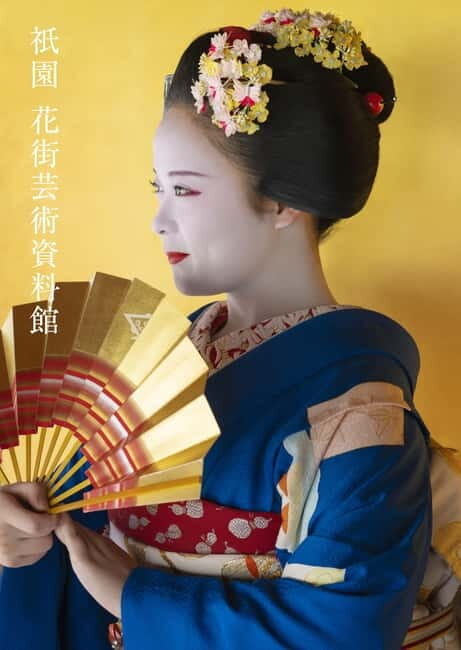
The listed performances begin at 13:30, 14:20, 15:00, 16:00, and 16:30. Check the available start times when you book, and arrive at the museum 10 minutes before your selected performance. The five sessions give you some flexibility when planning around other Kyoto sights.
Most performances feature one geiko or maiko. On some days, the third and fourth sessions may feature two, but that is not guaranteed. If seeing two performers matters to you, ask the museum what is scheduled rather than building your plans around the possibility.
The show itself is short, but the museum visit does not have to be. One person described staying in the museum after the performance, and the displays, film, garden, cafe, and shop make it easy to take more time if you are curious. If you are only coming for the dance, allow room for the 10-minute early arrival and the short performance rather than treating the show’s duration as the full length of your visit.
Culture seekers can explore more Kyoto museums and galleries
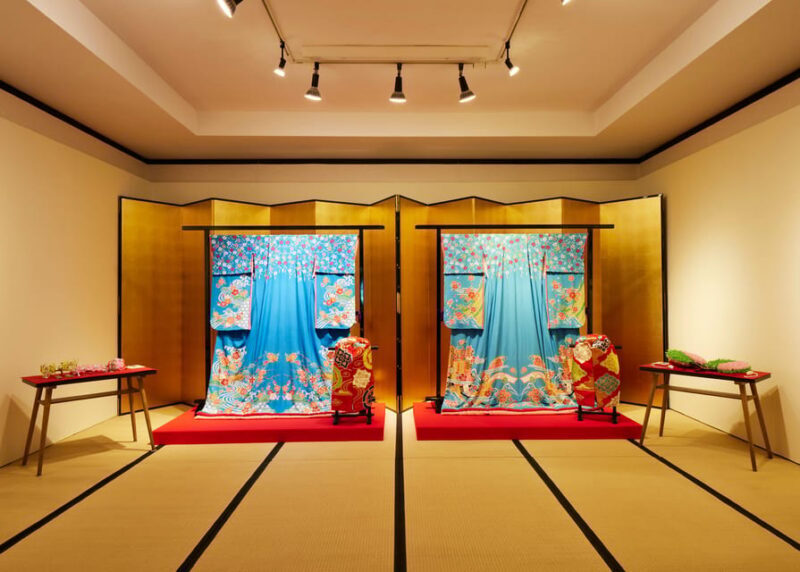
The permanent exhibition introduces kagai art culture, the world of Kyoto’s traditional entertainment districts. Its objects include hand-painted Yuzen kimono, Nishijin brocade obi, makeup items, personal belongings, seasonal kanzashi hair ornaments, and black crested formal kimono.
These are useful details to look at because they show how much of the tradition is carried through dress and craft. A kanzashi, for example, is not just a decorative hairpin: the display includes ornaments associated with different seasons. Seeing such objects up close gives you a more tangible point of reference when you later watch a performer move in costume.
The displays also include photographs that convey the atmosphere of the kagai district. The subject can seem private or hard to approach from the street; here, you get a structured introduction without needing access to a banquet room or a special invitation. The exhibits do not replace that world, but they offer a respectful glimpse into its artistic practices.
English information is available through QR codes, and videos help bring the displays to life. Scan as you go if you want more detail, and leave enough time to read rather than rushing from case to case. A visitor who wants only the highlights can move through quickly, while someone keen on the subject can spend longer with the written explanations and film.
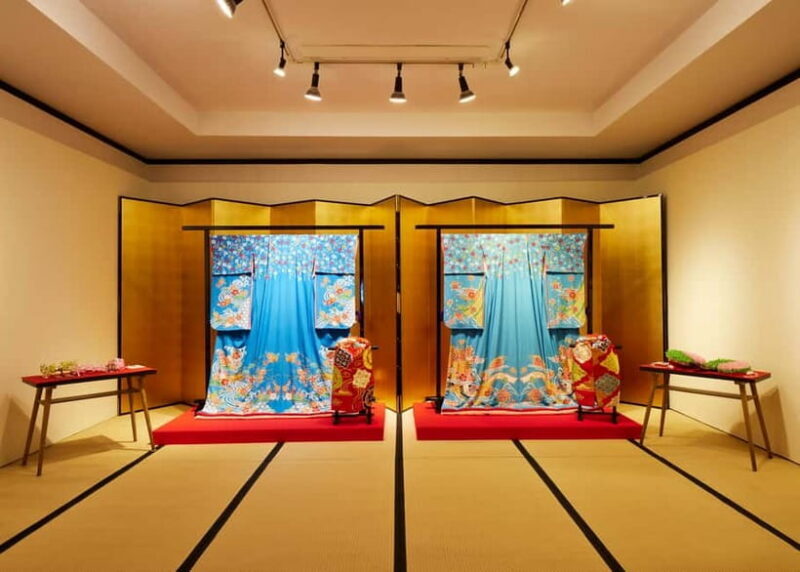
The museum and performance work best as a pair. The dance gives the art a living presence; the objects and film provide context that a 15-minute show cannot cover on its own. If you have time before your session, start with the displays, then see what you recognize in the movement and costume.
The film on the lower level was especially helpful to one visitor in understanding the dance as a Kyoto form. That is a good reason not to skip it if you want more than a pretty performance. The show does not come with a detailed spoken introduction, and the lyrics may not be understandable if you do not speak Japanese.
An English sheet about geiko and maiko history is also available, according to one visitor. Still, the presentation may leave you wanting more explanation of the specific dances or songs. If that is important to you, use the QR information and film to prepare, and consider asking museum staff what details are available before the performance.
The dance can be enjoyed without knowing every reference. You can focus on the performer’s posture, timing, costume, and expression. But a little preparation helps you move from simply watching an elegant performance to noticing the discipline and cultural setting that shape it.
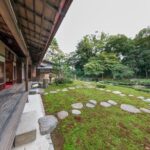
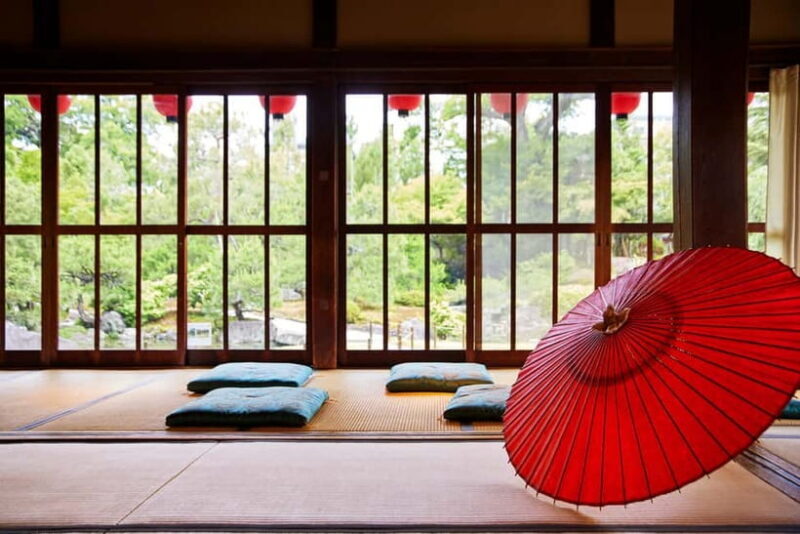
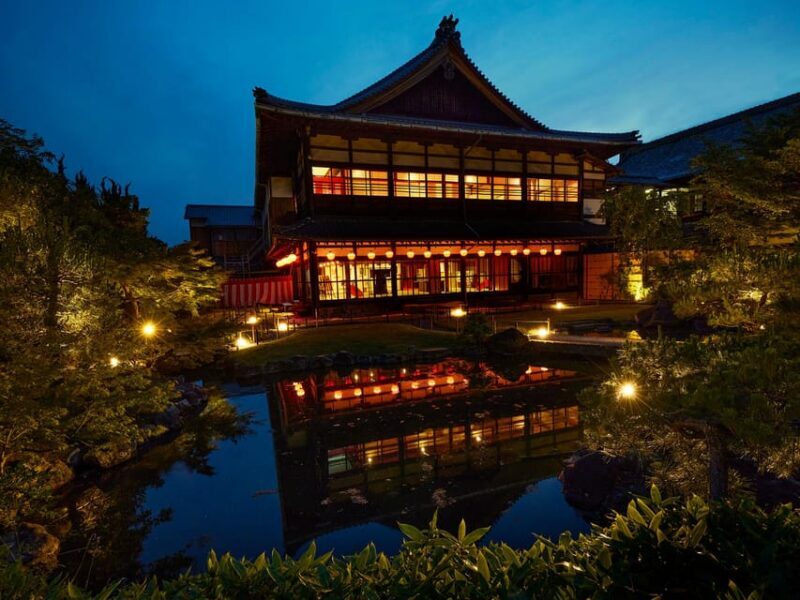
The Chisen water garden offers a change of pace from the displays and performance. It is a small but welcome part of the visit, especially if you have spent the day walking through Kyoto. Take a few minutes to look around rather than treating it as an incidental path between rooms.
The garden also helps make this more than a ticket for a 15-minute show. You can arrive early, see some exhibits, attend the performance, and then take a quieter pause before leaving. The experience stays manageable in length, but it gives you more than one kind of encounter.
There is an art cafe on site, along with a museum shop. The available information does not specify the cafe menu or shop stock, so treat them as pleasant extras rather than a reason to book. If you are interested in a small memento, browse the shop after the show; if you need a rest, the cafe may suit a pause in your sightseeing day.
More Great Tours Nearby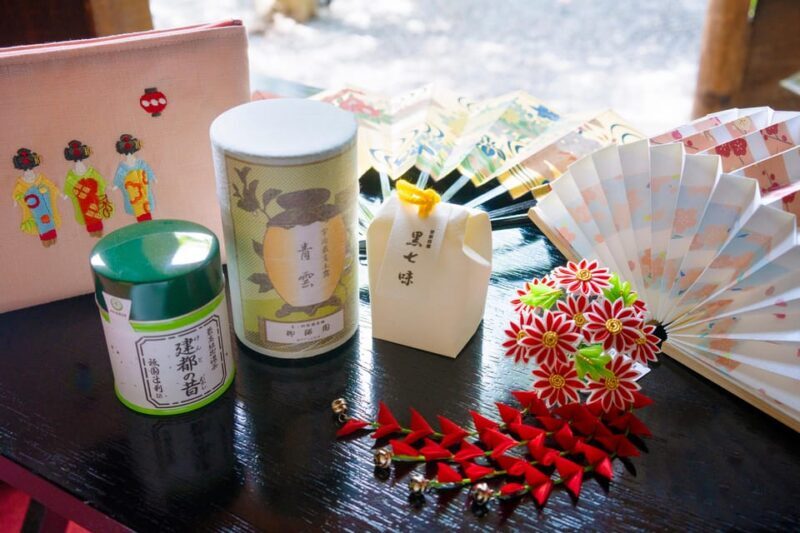
At $25 per person, admission includes the Gion Kagai Art Museum and the performance fee. The value depends on what you want from the visit. For the dance alone, the ticket buys a brief 15-minute encounter; when you add the permanent exhibition, film, garden, and the option to stay longer, it becomes a more complete cultural stop.
This is not the same as a full evening of performance or a long guided tour. You get two dances, not an extended show with a detailed explanation, and there is no promise that two performers will appear. If you are comparing it with a longer cultural event, keep that difference in mind.
For someone with limited time, the compact length is an advantage. You can fit the museum into an afternoon without committing hours, and the exhibits let you decide how much more time to spend. If your main aim is to learn about geiko and maiko culture, the admission offers more value when you take time with the QR explanations and film.
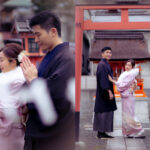
There is also an optional photo session with a geiko or maiko. Tickets are available only at the museum, and a visitor reported paying about 2,000 yen for a photo option that included a Polaroid and phone pictures. Treat that price and format as a guide, not a guarantee, and ask at the museum about current availability.
Find the museum entrance for the meeting point, and arrive 10 minutes before your performance. The listing gives five start times, but you should check which ones are available on your chosen date. The activity is non-refundable, so be sure the time works for your plans before booking.
Photography is not allowed during the dance, and audio recording is also prohibited. If you want a photograph with a performer, ask about the separate photo session at the museum. Do not count on taking pictures of the performance itself.
Pets, oversized luggage, drones, alcohol, and drugs are not allowed. The information provided does not specify other access details, so contact the museum if you need to confirm something particular before you go.
I would put this visit high on the list if you want a brief, focused introduction to Kyoto’s traditional arts. It suits a first-time visitor curious about geiko and maiko, someone fitting a cultural stop between other sights, or anyone who appreciates costume, dance, and craft. The museum setting also makes it easier to learn a little before or after seeing the performance.
It may be less satisfying if you expect a long show, a detailed live explanation, or an interactive conversation with the performer. The performance is short, and the main experience is watching rather than asking questions. If you want photographs, arrange that separately at the museum and ask about the current options.
The strong points are consistent: the dance is graceful and memorable, the museum adds useful context, and the garden gives the visit a gentle pause. The trade-off is equally clear: you get a concise introduction, not an exhaustive lesson in the art. That balance makes it particularly easy to recommend as one piece of a larger Kyoto day.
Book if you want to see Kyoto Mai performed live and are happy with a short show supported by a small museum visit. The combination of dance, costume displays, film, and garden gives the ticket more substance than the performance length suggests, especially if you take time to read the English QR information.
Skip it if you need a long performance or expect a full explanation of every song and gesture. And if a photo with a geiko or maiko matters to you, ask at the museum about the separate photo session rather than assuming it is part of admission. For a quick, well-focused cultural stop in Gion, this is a sound use of an afternoon.
“When you want to pack a lot into a day in Kyoto, this is a great option. It’s authentic, it doesn’t compromise on quality, but it’s short eno…”
The performance lasts about 15 minutes and includes two songs.
The listed start times are 13:30, 14:20, 15:00, 16:00, and 16:30. Check availability for your date.
Yes. Admission includes entry to the Gion Kagai Art Museum and the performance fee.
No. Photography and audio recording are not allowed during the performance.
Photo-session tickets are available only at the museum. A visitor reported paying about 2,000 yen, but check the current details on site.
English information is available through QR codes, and a visitor also described receiving an English history sheet.
Come to the museum 10 minutes before the performance starts.
You can check availability for your dates here: