Physical Address
304 North Cardinal St.
Dorchester Center, MA 02124
Physical Address
304 North Cardinal St.
Dorchester Center, MA 02124

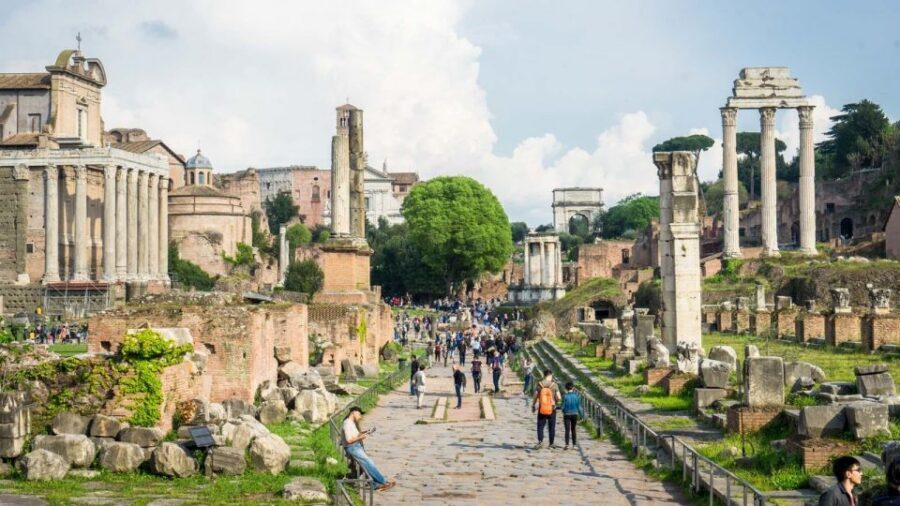
Explore Palatine Hill and the Roman Forum with a guide, fast-track entry, striking ruins, and views over the heart of ancient Rome.
Rome’s ancient center is more than a field of broken columns. On this two-hour guided walk, Palatine Hill brings the city’s founding stories into view, while the Roman Forum reveals where public life, politics, religion, and triumphal ceremony once met. The ruins make much more sense when someone helps you picture the buildings that have disappeared.
I like two things especially: the wide views over the Forum and Circus Maximus from Palatine Hill, and the guide’s storytelling at places such as the Temple of Julius Caesar and the House of the Vestal Virgins. Guides including Simona, Anton, and Andy have been praised for making Roman history clear, lively, and easy to follow.
The main consideration is the pace and price. Expect a moderate amount of walking, some steps, and a climb up the hill; at $293.41 per person, this is a costly way to spend two hours unless expert context and a fast-track entrance are priorities for you.
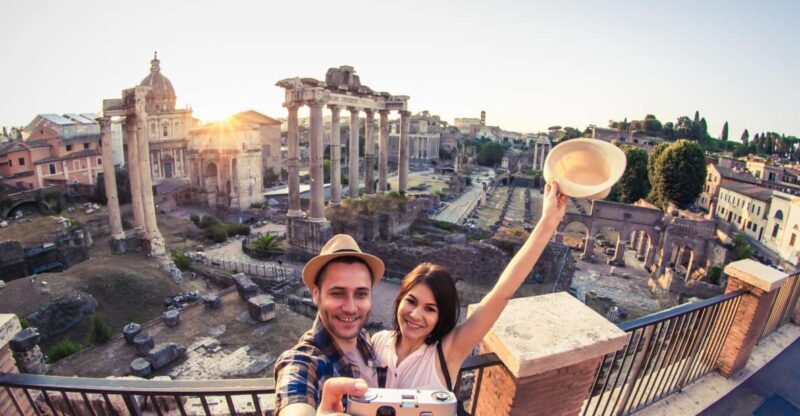
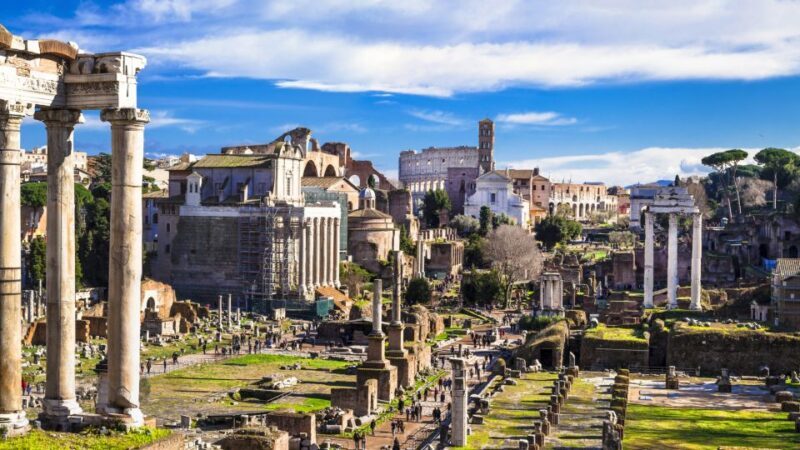
The tour meets in front of Oppio Caffe on Via delle Terme di Tito, at the corner of Via Nicola Salvi. Your guide holds a sign with your name. The meeting point can be tricky to find, so give yourself time to locate it and keep the tour operator’s contact details handy. One visitor found it useful to reach a real person while trying to navigate to the start.
Palatine Hill is a fitting place to begin. It is associated with one of Rome’s earliest settlements, and its position above the Forum offers a useful first look at the scale and layout of the ancient center. From here, the view takes in the valley of the Forum and the Circus Maximus. That broad perspective helps you understand how the separate ruins fit into a larger urban setting.
The guide also introduces the story of Romulus and Remus, the abandoned brothers said to have been raised by a wolf and later divided by a struggle for power. It is a legend, not a record of a verifiable founding, but it gives the tour a memorable entry point into Rome’s origin stories and the way Romans understood their past.
There is some uphill walking and a few stairs. The climb is part of what makes the views rewarding, but it can feel harder in heat or if you have limited mobility. Wear comfortable shoes, take the walking at a steady pace, and consider your needs before booking: the tour is not suitable for wheelchair users or people with mobility impairments, back problems, or certain pre-existing medical conditions.
Looking for more options in Rome? Here are some other experiences worth considering.
After Palatine Hill, the tour moves into the Roman Forum, one of the world’s most important archaeological areas. The remains can be difficult to read on your own. A column base or fragment of wall may look modest until a guide explains the building’s purpose and helps you imagine what has been lost.
The Temple of Julius Caesar is among the stops. Here, your guide can place Caesar within the story of Roman political power and the dramatic changes that followed his life. The value is not only in seeing an ancient structure, but in knowing why this spot mattered to the people who built and used it.
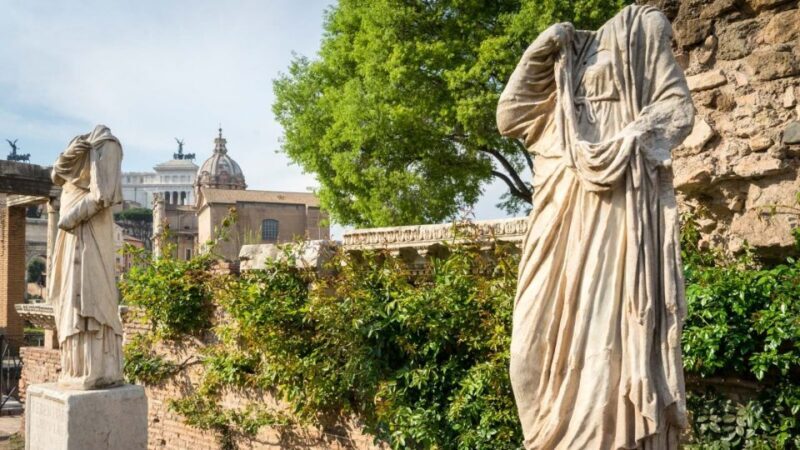
At the House of the Vestal Virgins, you encounter a religious institution tied to the city’s civic life. The Senate House brings the Forum’s political role into focus, while the Basilica of Maxentius gives a sense of the scale of Roman public buildings. These stops offer different ways into the site: religion, government, and the practical spaces where people gathered.
The Arch of Titus marks another important point on the route. Its presence helps explain how rulers and military victories were commemorated in public architecture. The Forum was not simply a collection of temples. It was a place where Rome displayed its authority and told stories about itself.
The tour also follows the Sacred Way, a ceremonial road associated with triumphal processions. The route is particularly evocative when you imagine victorious soldiers and commanders passing through the city after campaigns. The stones remain, but the people, decorations, and sounds are gone. A good guide bridges that gap without pretending the ruins can tell every part of the story by themselves.
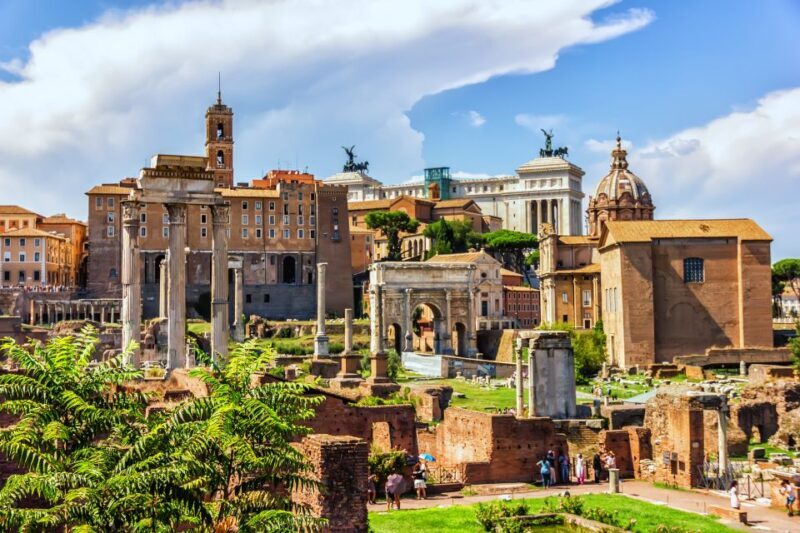
The strongest reason to choose a guided visit is the explanation. The Forum covers a large area, and without context it is easy to spend your time looking at impressive remains without understanding how they relate. Guides on this tour have been described as engaging storytellers, with some using photographs to help show what buildings looked like before time and reuse changed them.
Guides named in connection with the experience include Simona, Anton, and Andy, also referred to as Andrea. Assignments vary, so you cannot count on a particular person. The praise for individual guides points to a useful quality to look for: someone who can explain complex history in plain language, answer questions, and keep a group involved.
Several guides have also been praised for their warmth and humor. Anton’s storytelling reportedly held the attention of a nine-year-old, while another guide took time to keep the group together and allow breaks for water, restrooms, and photos. Those small touches matter on a warm day or when the ground and steps demand more effort than you expected.
Headsets are provided when the group has more than eight people. They help you hear the guide over the noise of a popular archaeological site, and the equipment has been praised for working well. If hearing or another disability may affect your visit, tell the local operator when booking so they can discuss the arrangements.
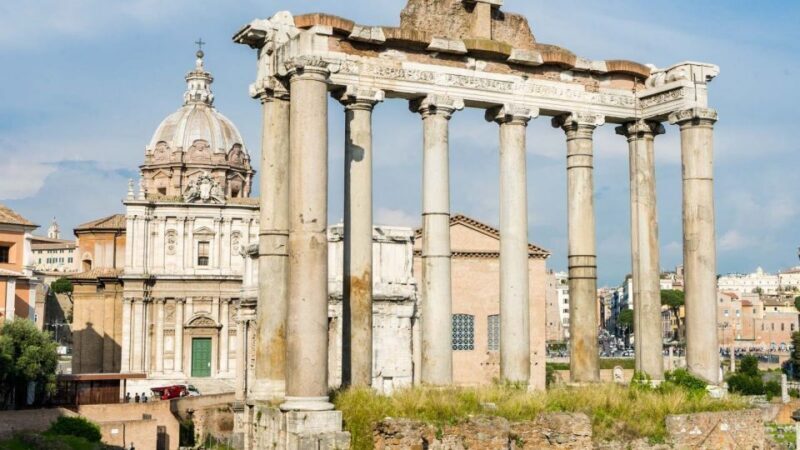
The tour includes fast-track access to Palatine Hill and the Roman Forum through a separate entrance. This can save time compared with joining the standard entry line, but it does not mean you skip all checks. Everyone must pass through metal detectors, and extra security measures can still create a wait.
You must provide each participant’s full name and date of birth when booking. Bring a valid passport or ID card for every person entering, and check that the details on the booking voucher match the identification. If they do not, security can refuse entry. This is a small planning task with a large consequence, so do it before you leave home.
Pack light. Backpacks, large bags, and suitcases are not allowed, and there is no cloakroom. Small bags are permitted, but the safest approach is to bring only what you need for the walk. Selfie sticks, glass objects, sprays, aerosols, weapons, and sharp objects are also prohibited. Baby strollers and walking frames are not allowed.
More Great Tours Nearby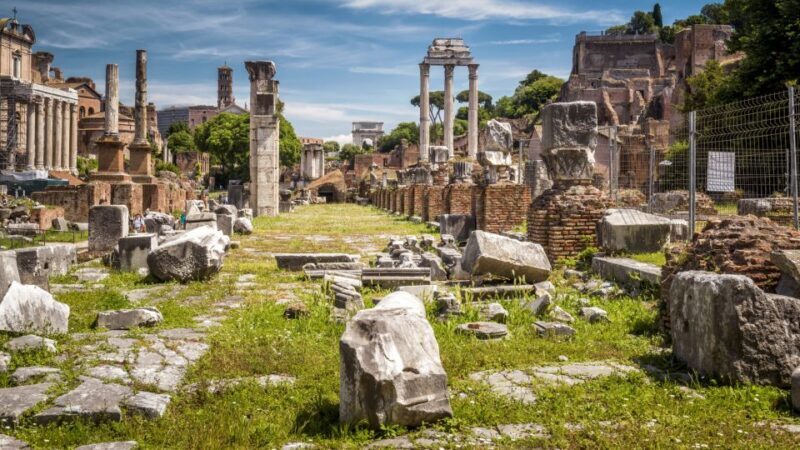
The stated duration is two hours, though the actual time can run a little shorter or longer. The route covers both Palatine Hill and the Forum, so expect a focused introduction rather than an exhaustive visit. If you want to linger over every ruin, you may wish to allow time afterward to explore on your own. The Forum is large, and the tour cannot cover everything in depth.
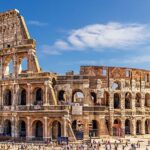
The tour does not include the Colosseum. You may see it from some viewpoints, and the Forum visit is worthwhile on its own, but this is not a substitute for a Colosseum tour or entry. Check your plans carefully if you are trying to cover all three sites in one booking.
Group arrangements depend on the option you choose. The experience offers a private guide option and a group option described as having up to 20 people. The activity information also labels the group type as private, so check the specific option and confirmation details before booking rather than assuming you will be in a particular format. A smaller group can make questions easier; a private guide gives your party more control over the conversation.
At $293.41 per person, the price is high for a two-hour tour. Its value comes from fast-track access and a guide who can make the ruins legible, not from extra inclusions: food, drinks, hotel pickup, drop-off, and the Colosseum are excluded. I would consider it most worthwhile if you care about ancient history and want a structured introduction. If you prefer to wander slowly or are comfortable learning from a guidebook, the cost may be harder to justify.
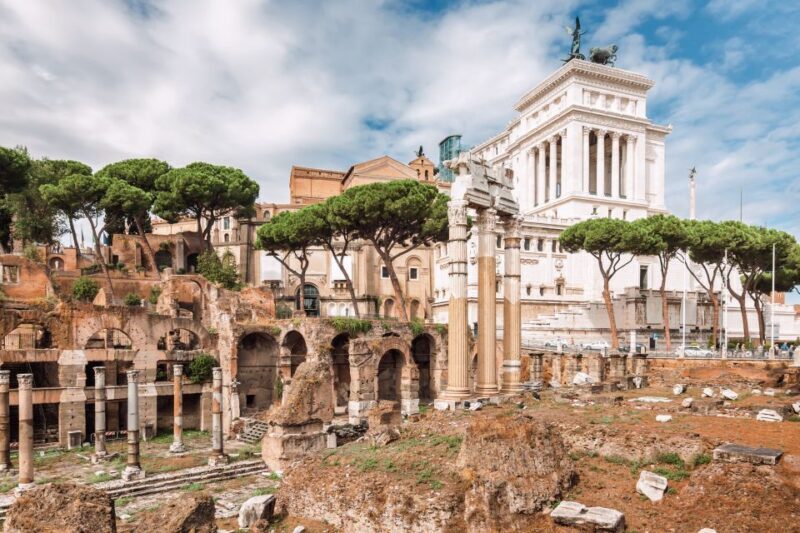
Choose shoes for uneven walking, steps, and a gradual climb. The ground is not a city sidewalk, and the route may be tiring in warm weather. Bring water if you need it, but remember that food and drinks are not included.
Arrive at the meeting point with enough time to find Oppio Caffe without rushing. The guide is meant to meet you there, and the tour ends back at the meeting point. Some people have found the location confusing, so don’t leave navigation until the last minute. If you are unsure, contact the operator before the start time.
The tour is offered in Portuguese, English, Italian, Spanish, German, and French. Confirm the language you want when checking availability. Starting times vary, so select a time that suits your day and gives you room for the security check and the walk.
Booking terms allow you to reserve now and pay later, and cancellation up to 24 hours in advance qualifies for a full refund. Those options can help if your plans are still taking shape, but check the terms shown for your selected booking before confirming.
Book it if you want a brisk, guided introduction to Rome’s ancient center and value clear explanations over exploring every corner at your own pace. The hilltop views, the story of Romulus and Remus, and the Forum’s major monuments make a satisfying two-hour route, especially with a guide who can connect the stones to Roman public life.
Think twice if the price is a stretch, you need a fully accessible route, or you expect the Colosseum to be included. If you go, bring matching ID, wear comfortable shoes, travel with a small bag, and leave time to find the meeting point. Those simple preparations help you spend your attention on the ruins rather than the logistics.
“Antonio was knowledgeable and fun! I've been in this tour before but Antonia took it to a whole new level. The ability to contact a real person whi…”
The tour lasts two hours. Starting times depend on availability.
Meet in front of Oppio Caffe on Via delle Terme di Tito, at the corner of Via Nicola Salvi. The guide holds a sign with your name.
The activity ends back at the meeting point.
No. The tour covers Palatine Hill and the Roman Forum, not the Colosseum.
Stops include the Temple of Julius Caesar, Arch of Titus, House of the Vestal Virgins, Senate House, Basilica of Maxentius, and the Sacred Way.
Yes. Fast-track access is included through a separate entrance. Security checks still apply, and lines may form.
Bring a valid passport or ID card for each person entering. The name and date of birth provided at booking must match the ID.
The tour is offered in Portuguese, English, Italian, Spanish, German, and French.
No. Food, drinks, hotel pickup, and drop-off are not included.
No. It is listed as unsuitable for wheelchair users, people with mobility impairments, people with back problems, and people with certain pre-existing medical conditions.
You can check availability for your dates here: