Physical Address
304 North Cardinal St.
Dorchester Center, MA 02124
Physical Address
304 North Cardinal St.
Dorchester Center, MA 02124

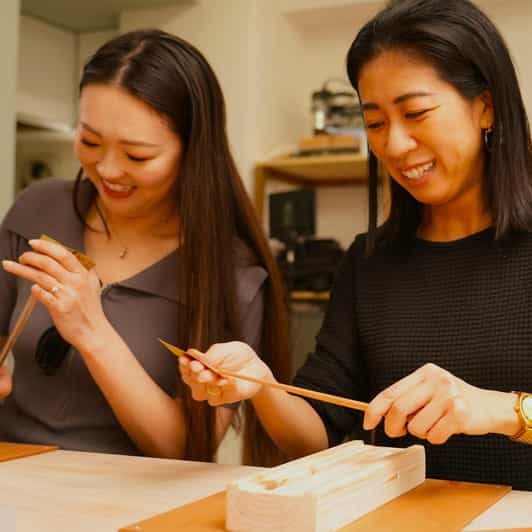
Shape, sand, and personalize Japanese chopsticks in a one-hour Shibuya workshop, with small groups, friendly instruction, and optional wood upgrades.
Shaping a pair of chopsticks by hand turns a familiar Japanese object into a useful souvenir with a story behind it. At this one-hour Shibuya workshop, you choose wood, refine the shape, and finish the pair with help from instructors trained in carpentry techniques.
I like the hands-on process, which gives you more than a quick demonstration, and the practical result: chopsticks you can take home and use. The small group limit of eight also leaves room for step-by-step help and questions.
One thing to plan for is the final cost. The starting price is $11 per person, but some wood choices cost extra, and one participant paid ¥5,000 to ¥6,000 more for premium wood. Check the price before you settle on an upgrade.
This workshop offers a quieter counterpoint to Shibuya’s famous crossing. It is about five minutes away, so you can pair the activity with time in the neighborhood without setting aside half a day or traveling far across Tokyo.
The session lasts one hour. That makes it a good fit between sightseeing stops, a rainy-day alternative, or a way to slow down after a busy morning. It is also a welcome change from activities where you mostly watch someone else demonstrate a craft. Here, you work on the wood yourself, with an instructor guiding each step.
The group is capped at eight people, a useful limit for a task that calls for careful shaping. You are not left to guess how much material to remove or how to refine the tips. Instructors explain the process, demonstrate techniques, and help you along the way. No carpentry experience is needed, and tools and materials are provided.
English and Japanese are listed as the main instructor languages, while the activity information also offers support in Spanish. The emphasis on clear instruction matters here: the craft is simple to try, but making a pair that feels balanced takes attention.
Looking for more options in Tokyo? Here are some other experiences worth considering.
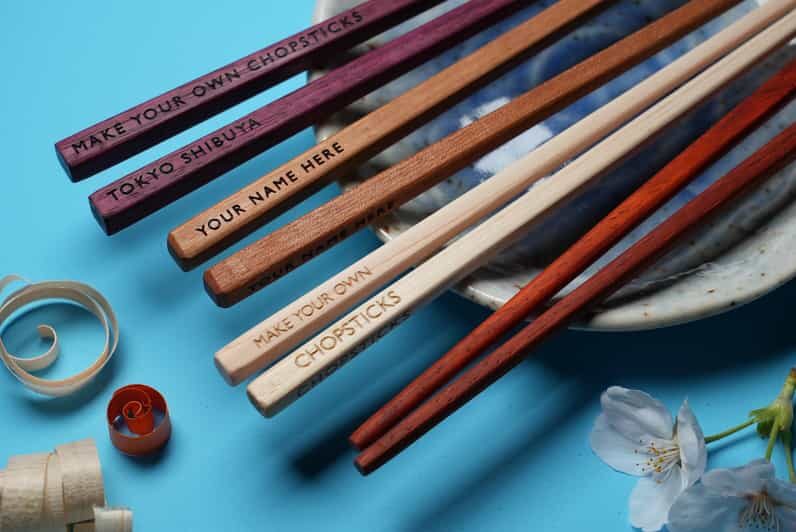
The first decision is the wood. Two seasonal options are included in the base price, and eight more are available for an additional fee. The variety gives you a chance to choose a look and feel that suits you, but it is also where the price can change considerably.
Some participants have chosen premium woods such as walnut and liked the finished result. Others have paid ¥5,000 or ¥6,000 extra for their selection. That is a substantial jump from the advertised $11 starting price, so ask for the full price of each wood before making your choice. You do not need the most expensive option to make the experience worthwhile. The appeal is in shaping and finishing the pair yourself.
Choosing the wood also gives the instructors a natural opening to explain differences in appearance and technique. The session is not just a craft table with a souvenir at the end. You get context about chopstick design and the choices that affect the finished object.
Take your time at this stage. If the workshop gives you a chance to handle or compare the options, consider what you value most: a particular grain or color, or keeping the total cost close to the base price. You can make a meaningful object without treating the upgrade menu as a challenge.
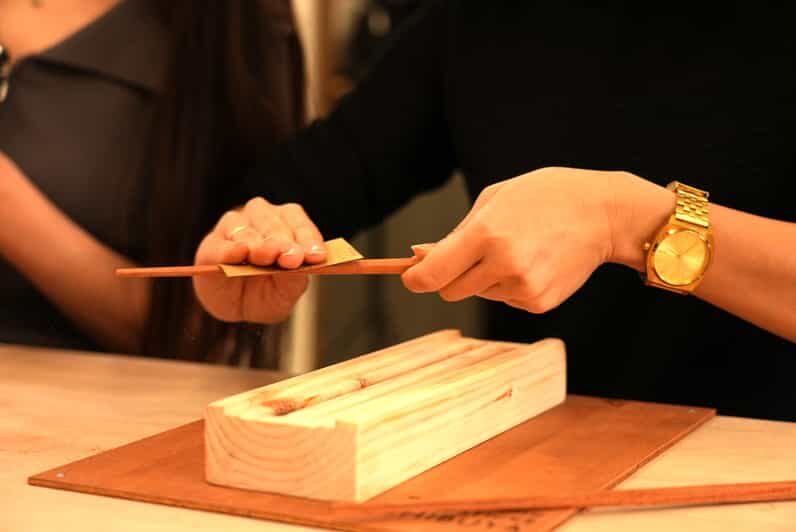
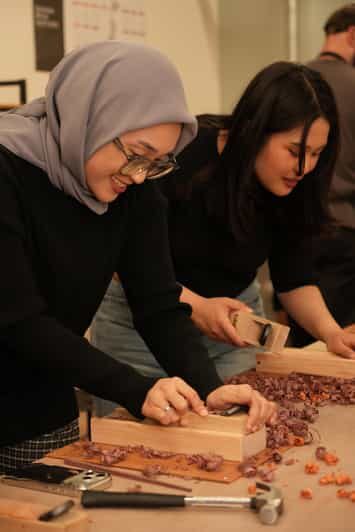
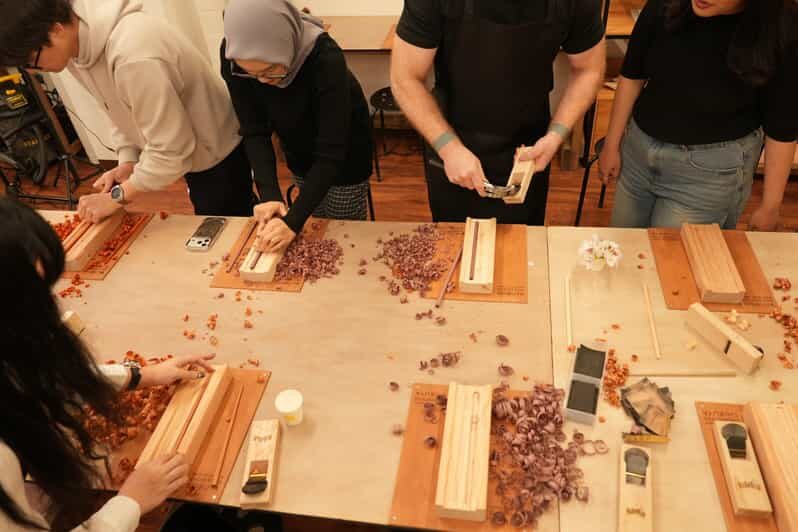
Once you have chosen your wood, you work through the making process with an instructor. You shape the sticks, sand them, and refine the tips and balance so they feel comfortable in your hands. The work is guided step by step, which makes this manageable even if you have never handled wood as a craft material.
This is where the hour earns its keep. The task is tactile and focused: you can feel the material change as you smooth it and adjust its form. It gives you a small lesson in carpentry, but the aim is not to turn you into a professional woodworker. It is to help you make a usable pair and understand the care that goes into its shape.
The instructors have local carpentry training, and the workshop includes explanations of Japanese chopstick design and proper technique. That cultural context adds value without making the session feel like a lecture. You learn through the object in front of you, then leave with something that links the lesson to daily life.
Reviews of the process repeatedly point to friendly, patient instruction and clear explanations. That matters for families and first-timers, who may need a little more help with the sanding or shaping. The small group size should make it easier to ask for assistance, though the exact amount of individual attention will depend on who else is in your session.
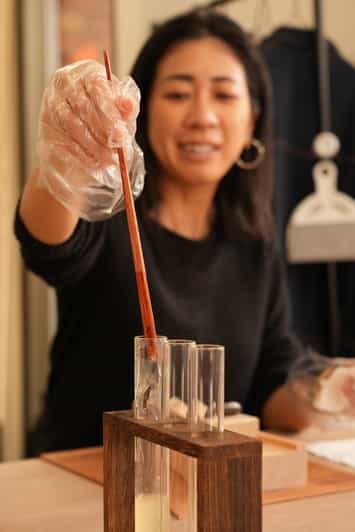
After shaping and sanding, you finish the chopsticks. The process has included waxing in some sessions, and instructors guide you through the finishing steps. The goal is a pair that feels smooth and balanced, not merely a piece of wood that looks handmade.
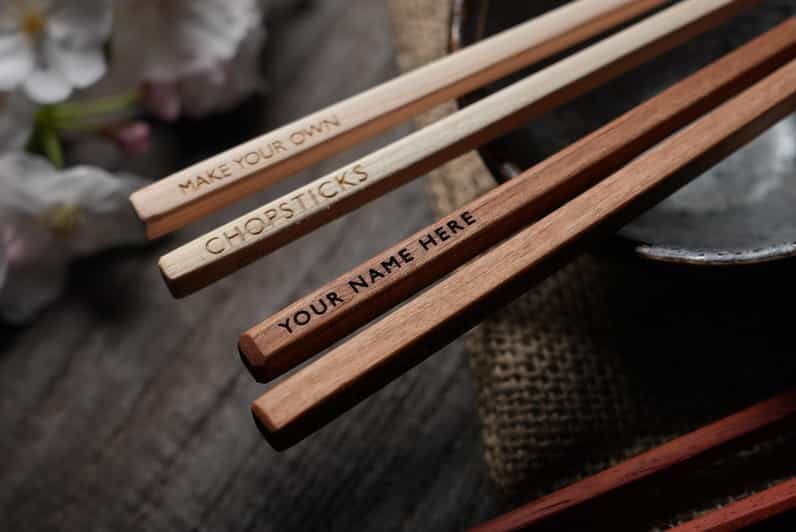
You can add personalized engraving for ¥1,000. This is a straightforward way to make the pair more personal or to turn it into a gift. If you are deciding between engraving and a pricier wood, compare the cost and think about which detail matters more to you. An inscription adds a personal mark; a different wood changes the look of the object.
A selection of cases is also available, giving you another way to customize the finished souvenir. The case options are part of the experience’s appeal, but check whether your preferred choice costs extra. The activity details specify the range of cases, not their prices or whether one is included.
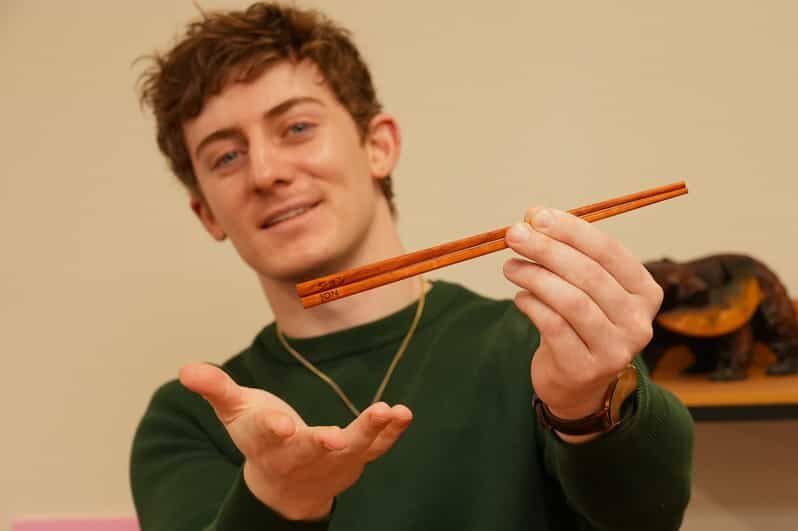
Unlike a decorative trinket that may sit in a drawer, chopsticks have a job to do. You can use them at home and remember the hour you spent making them. That practicality is a real advantage, especially if you prefer souvenirs that earn their space in your luggage.
More Great Tours NearbyAt $11 per person, the starting price is modest for a guided, one-hour activity that provides materials, tools, and a handmade item to take away. You are paying for the instruction and the chance to shape the souvenir yourself, not simply for a finished pair of chopsticks.
But treat $11 as the entry price, not a guaranteed final total. Two seasonal woods are included, while eight other options require an added payment. Premium wood choices can add thousands of yen, and personalized engraving costs ¥1,000. Ask about the cost of your preferred wood and any case before you commit to extras.
The best value comes if you enjoy the making process and choose one of the included woods. If you are mostly looking for inexpensive chopsticks, buying a finished pair may be cheaper. If you want a personal object and a short cultural activity in central Tokyo, the workshop offers more than a souvenir shop purchase.
There is also a time-saving benefit. Being close to Shibuya Crossing makes this easy to fit into a neighborhood visit, and the one-hour duration avoids a large commitment. Small-group instruction and a finished object add substance to an activity that could otherwise feel like a quick novelty.
This is a good choice for couples, friends, families, and solo visitors who like making something with their hands. It is especially suitable if you want a short activity that offers a break from walking and shopping but still connects to Japanese craft and everyday culture.
Families can work on their own pairs side by side, and the activity information specifically welcomes families. There is no stated minimum age, so check directly if you are planning to bring young children. The tools and shaping process call for attention, and the instructors provide safety guidance.
The workshop can also work well as a birthday activity or a shared group outing. The small-group cap means larger parties may need to check how the booking can be arranged. If you are looking for a quiet, individual craft session, the process may suit you better than a large, fast-moving class.
It is less suitable if you have a sawdust allergy. The activity specifically advises against it for people with that allergy. And if you are uncomfortable with paying extra for a preferred material, decide in advance that you will choose from the included woods.
The activity is wheelchair accessible, and the group is limited to eight participants. The stated duration is one hour, though starting times depend on availability. Instructors are listed as English- and Japanese-speaking, with Spanish support also noted in the activity highlights.
You can cancel up to 24 hours in advance for a full refund, and a reserve-now, pay-later option is available. Those policies are useful if your Tokyo schedule is still taking shape, but check the booking conditions for your chosen date.
Bring your attention, not your own equipment: tools and materials are supplied. Before you begin, confirm the price of wood upgrades and any case you are considering. That simple question keeps the souvenir from surprising you at checkout.
Book it if you want a compact, guided activity that leaves you with a useful souvenir you made yourself. Its strongest points are the close-in Shibuya location, the patient step-by-step process, and the chance to learn a little about chopstick design while working with wood.
Skip it if you only want the cheapest possible pair of chopsticks, or if sawdust could trigger an allergy. For everyone else, the smart approach is to budget for the base price, ask about wood costs before choosing, and treat engraving or a premium case as optional extras. That way, you can enjoy the craft without losing track of the bill.
“It was fun working on the chop sticks, the staff was very friendly…. But if you want to have better quality wood, it gets quite expensive, we pai…”
The activity lasts one hour. Check availability for the starting times offered on your date.
The starting price is $11 per person. Two seasonal wood choices are included, along with the materials, tools, and instructor guidance.
Two seasonal woods are included. Eight additional wood options are available for an extra fee, so ask for the price before selecting one.
Yes. Personalized engraving is available for ¥1,000.
Instructor support is listed in English, Spanish, and Japanese. The activity information specifically lists English and Japanese instructors.
Yes, the activity is listed as wheelchair accessible.
You can cancel up to 24 hours in advance for a full refund. The workshop is not recommended for people with a sawdust allergy.
You can check availability for your dates here: