Physical Address
304 North Cardinal St.
Dorchester Center, MA 02124
Physical Address
304 North Cardinal St.
Dorchester Center, MA 02124

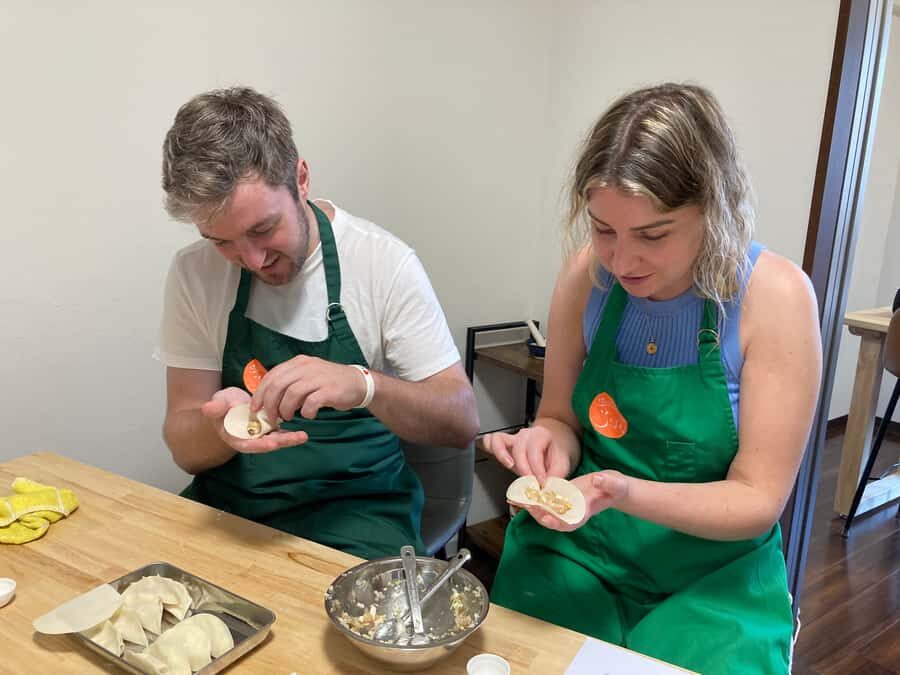
Make ramen noodles and chicken gyoza from scratch in a small English-language Osaka class, then sit down to eat your handmade meal.
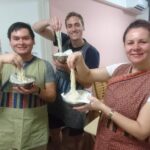
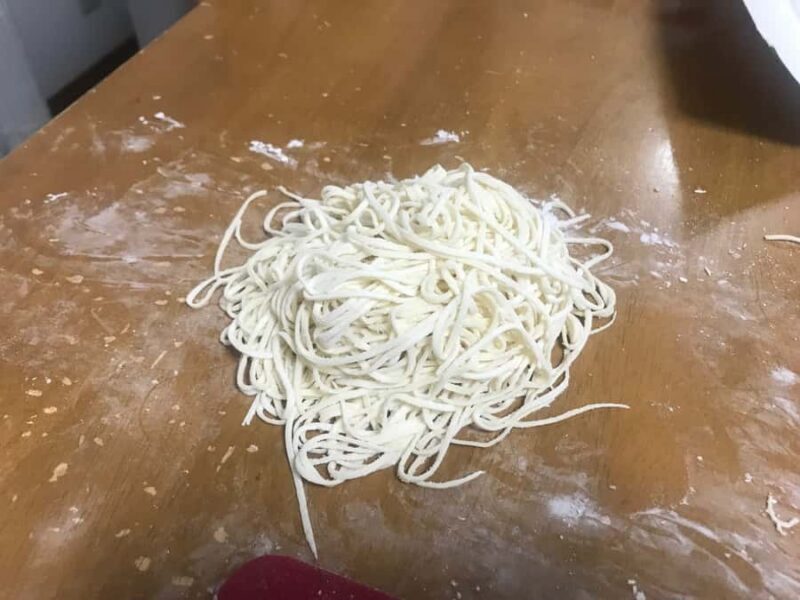
Ramen begins with flour and your hands in this Dotonbori class: you knead the wheat dough, then use a noodle machine to cut it into strands. You also make gyoza with minced chicken, and finish by eating the meal you prepared.
I like two things here: you learn practical techniques rather than just watching a chef, and the small group, capped at eight, gives the instructors room to help. The class also connects two dishes that are commonly ordered together in Japan: ramen and gyoza.
One consideration: this is not a gluten-free option, and the broth uses chicken bones and dried sardines unless you arrange a suitable alternative. Tell the class about dietary needs when you book, not only when you arrive.
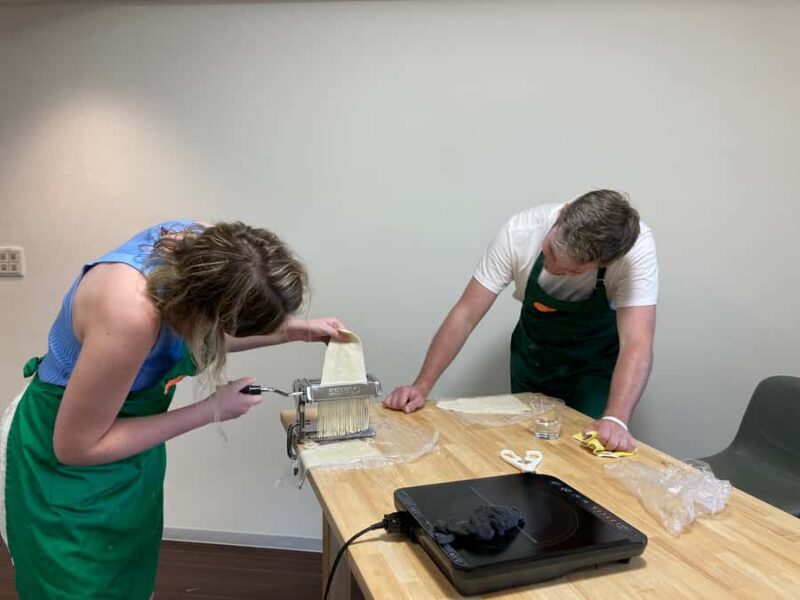
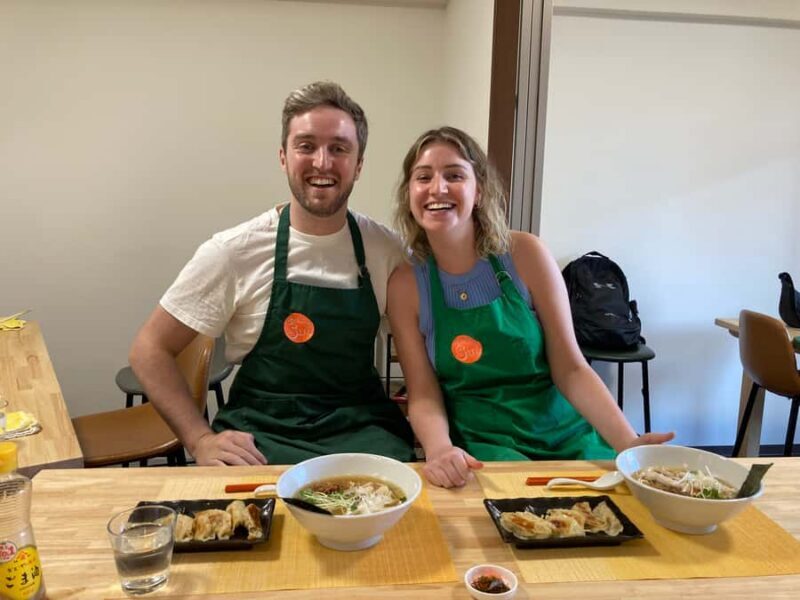
Ramen is familiar as a finished dish, but its noodles are easy to take for granted. Here, the class starts with the wheat itself. You knead the dough, then feed it through a noodle machine to cut the noodles. That shift from ordering ramen to making its central ingredient gives you a clearer sense of the work behind a bowl.
You don’t need to be an experienced cook. The instructions are designed to make the steps manageable, and the class has suited both beginners and people who already enjoy cooking. Instructors are described as patient and clear, and the format gives you room to ask questions as you go.
The noodle machine is a practical highlight. It handles the cutting, but you still take part in shaping the noodles and seeing how they go from dough to something ready for a bowl. If you’ve never made noodles before, it’s a satisfying skill to try, and the recipes give you a starting point for practising at home.
Want to bring Osaka flavors home? These cooking classes could be just right
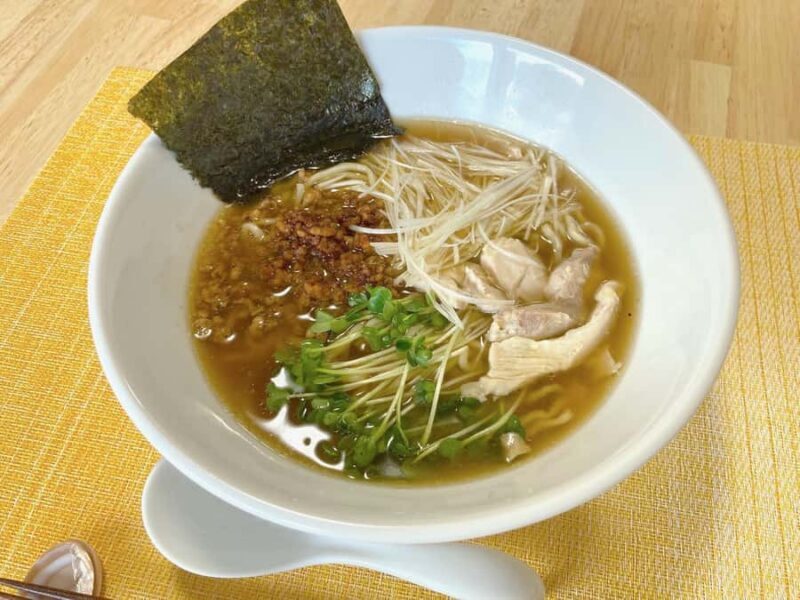
The class focuses on a standard style of ramen: soy sauce broth, with a base made using chicken bones and dried sardines. You can add toppings to suit your bowl, and you can add miso to the soup for a miso-style version. The chance to adjust the bowl makes the meal feel personal without asking you to master several recipes in one session.
The broth is an important part of the dish, but don’t assume you’ll spend the class simmering chicken bones yourself. One useful expectation to set is that the hands-on work centres on making the noodles and gyoza; a participant specifically wished there had been time to cook the chicken stock, suggesting the broth preparation is not a major cooking task for everyone.
That is a fair trade in a three-hour class. Making noodles and dumplings already gives you two substantial tasks, while the broth provides context for how the finished ramen comes together. If learning stock-making is your main goal, this may not be the most focused class for you. If you want to understand and prepare the core parts of a ramen meal, the mix works well.
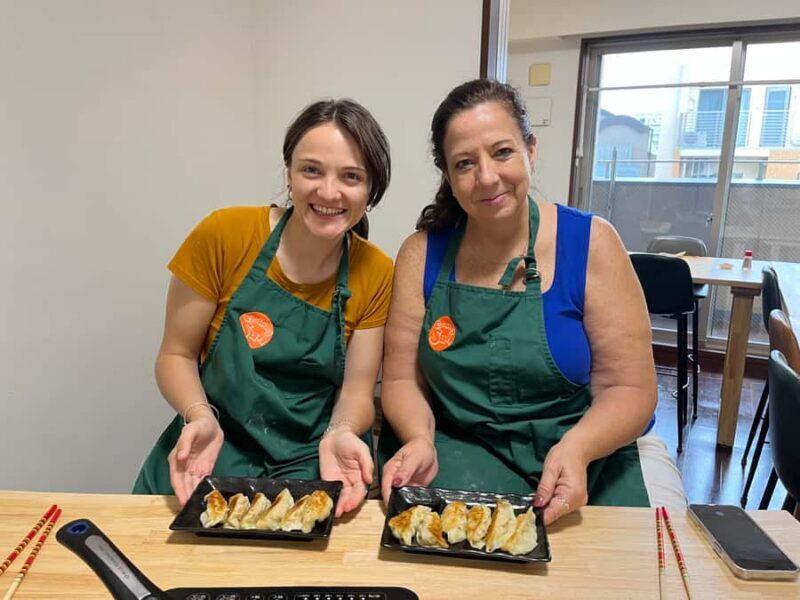
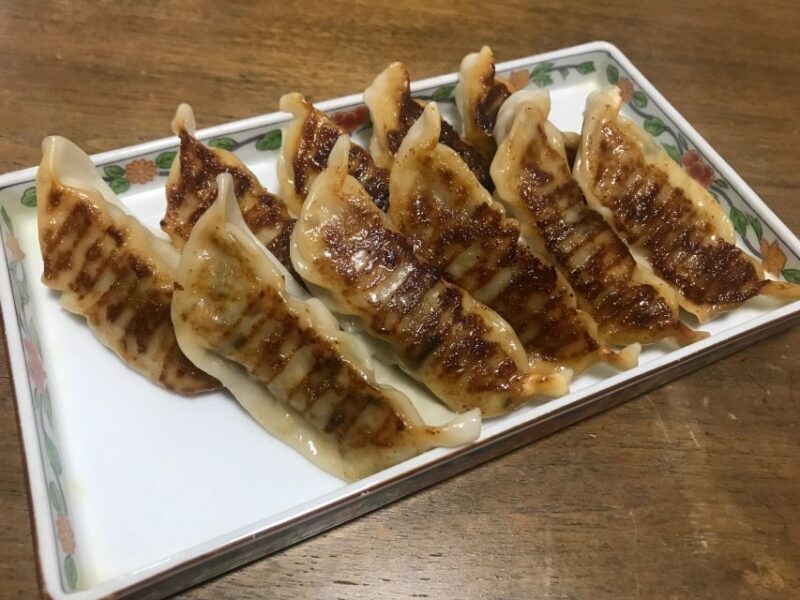
The second dish is gyoza, made with a minced-chicken filling. You prepare original dumplings rather than simply warming a ready-made side dish, so the class gives you another practical technique to take home. Ramen and gyoza are often ordered together in Japan, which makes preparing them as a pair a sensible introduction to a familiar meal.
There’s a pleasing change of pace between the two dishes. Noodle-making is about working the dough and machine; gyoza asks for a different kind of attention as you fill and form the dumplings. You get to see how two everyday foods rely on distinct skills, then enjoy them together at the end.
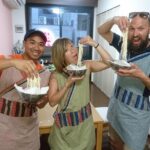
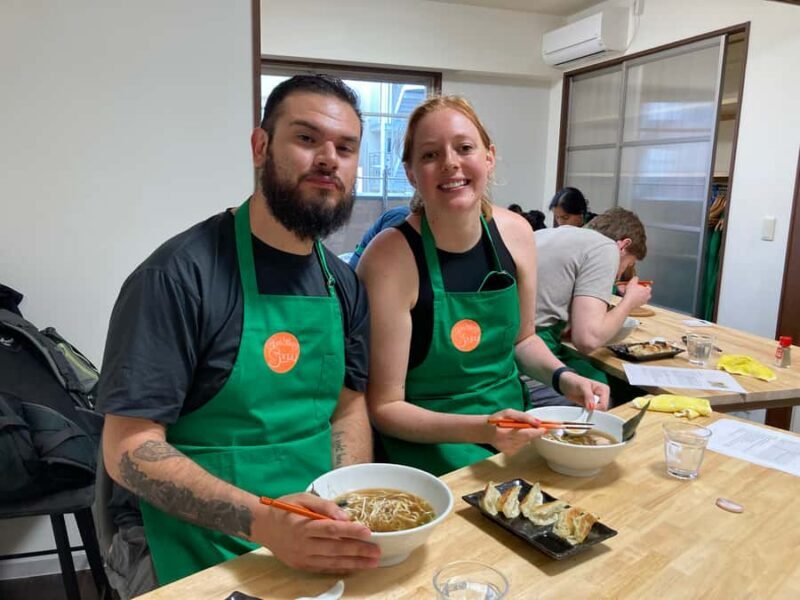
The meal is one of the strongest reasons to choose this class over a demonstration. You’re not just watching a cook assemble a bowl. You eat the ramen and gyoza you’ve made, and the instructors guide you through the process so the results can be surprisingly good for a first attempt.
The class is taught in English, so you can follow the explanations without needing to know Japanese cooking terms in advance. Instructors named in past sessions include Kasa, Yoshi, Kaneko, Emiko, Ayia and June. The teaching is a major part of the experience: clear directions and patient help matter when you’re learning unfamiliar steps in a short class.
The group is limited to eight people. That cap is useful for a hands-on lesson, where a larger crowd could mean waiting for access to the equipment or missing a close look at a technique. A small group also works well for couples, friends, solo visitors and families; a family with a 14-year-old enjoyed the class together.
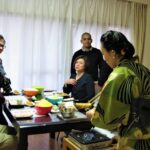
The atmosphere is described as friendly and lively, but the focus stays on cooking. You can ask about the food and its traditions as you work, rather than spending the session listening to a long talk. For a visit to Osaka, where food is a central part of the city’s appeal, that combination of doing and learning is a good use of a few hours.
More Great Tours Nearby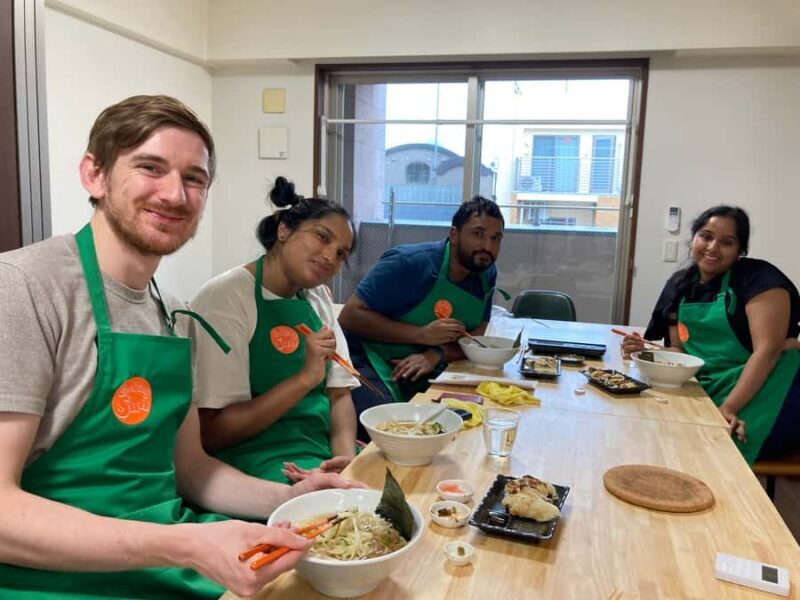
At $67 per person, this is more than the cost of a quick meal, but you’re paying for a three-hour activity, instruction, ingredients and the food you make. The value depends on what you want from your time in Osaka. If you only want to eat ramen, the city offers plenty of places to do that. If you want to learn how noodles and gyoza come together, the class adds skills and context to dinner.
The recipes make the price easier to justify if you plan to cook at home. You leave with more than a pleasant meal: you have a record of the dishes and a better sense of what to do with the ingredients. The class is especially worthwhile if you like food activities that involve getting your hands busy rather than just tasting a finished plate.
Three hours is long enough to work through both dishes and eat at the end, but it will take a meaningful chunk out of your day. Plan around that rather than squeezing the class between tightly scheduled activities. It is a seated meal at the finish, not a quick tasting stop.
You might also be interested in these Osaka experiences
The standard ramen includes chicken and dried sardines, and the gyoza uses minced chicken. Vegetarian or vegan, pescatarian and no-fish options may be available, but you’re asked to leave a note when booking. Do that early, and be specific about what you can and cannot eat.
Some people have been accommodated after mentioning a vegan or fish-free request on arrival, but that is not a dependable plan. The safest approach is to state your needs in advance so the instructors can prepare. The class does not offer a gluten-free option and is not suitable for people with gluten intolerance.
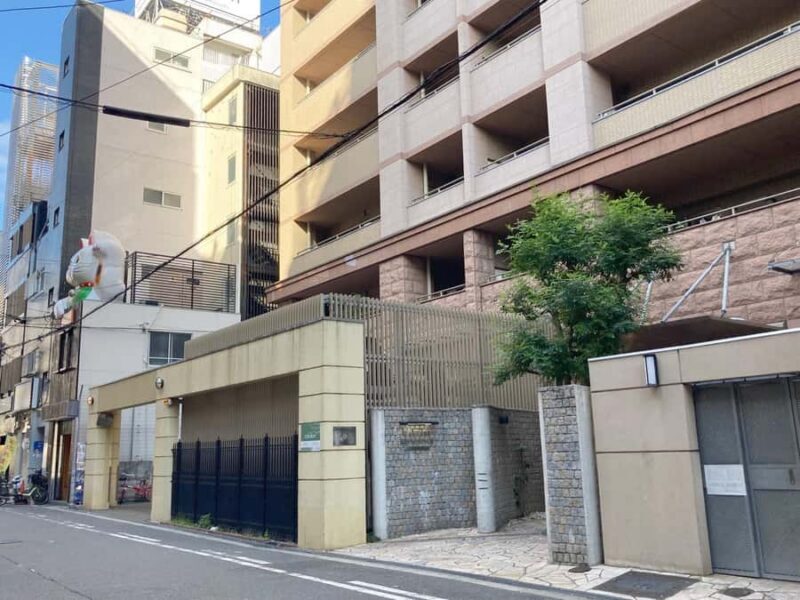
The meeting point is Cooking Sun Osaka, room 202. At the entrance, press 202 and then the 呼出 call button. Give yourself time to locate the building, especially if you’re relying on a map app: the address has been difficult for some people to find. Hotel pickup and drop-off are not included.
The activity is wheelchair accessible, and the group is small. Starting times vary, so check availability for the date you want. You can reserve now and pay later, and cancellation up to 24 hours in advance is eligible for a full refund.
I’d recommend it to anyone who enjoys cooking, wants a practical introduction to Japanese food, or is looking for a break from sightseeing that still feels closely tied to Osaka. It also suits families with older children, couples and solo visitors. No previous cooking experience is needed, and the English instruction makes the process approachable.
It is less suited to someone who needs gluten-free food, wants a class devoted mainly to making broth, or would rather spend three hours eating out than cooking. For everyone else, it offers a useful balance: two popular dishes, plenty of hands-on work, a full meal and recipes to take home.
Book it if you want to make the noodles and dumplings yourself, not just sample them. Put dietary requests in your booking note, allow time to find room 202, and come ready to eat the results.
“This cooking class was perfect for me! Kasa (our teacher) was very entertaining and his instructions were very clear when giving the class. The org…”
The class lasts three hours. Check availability for the starting times on your chosen date.
You’ll make ramen noodles from wheat dough and prepare gyoza with minced chicken. The ramen is a standard soy sauce style, with toppings and the option to add miso to the soup.
Yes. The instructor teaches in English.
The group is limited to eight participants.
Yes. The ingredients used in the cooking class are included in the price.
Vegetarian or vegan options may be available. Leave a note about your dietary needs when you book.
No. A gluten-free option is not available, and the activity is not suitable for people with gluten intolerance.
Meet at Cooking Sun Osaka, room 202. At the entrance, press 202 and then the 呼出 call button.
You can check availability for your dates here: