Physical Address
304 North Cardinal St.
Dorchester Center, MA 02124
Physical Address
304 North Cardinal St.
Dorchester Center, MA 02124

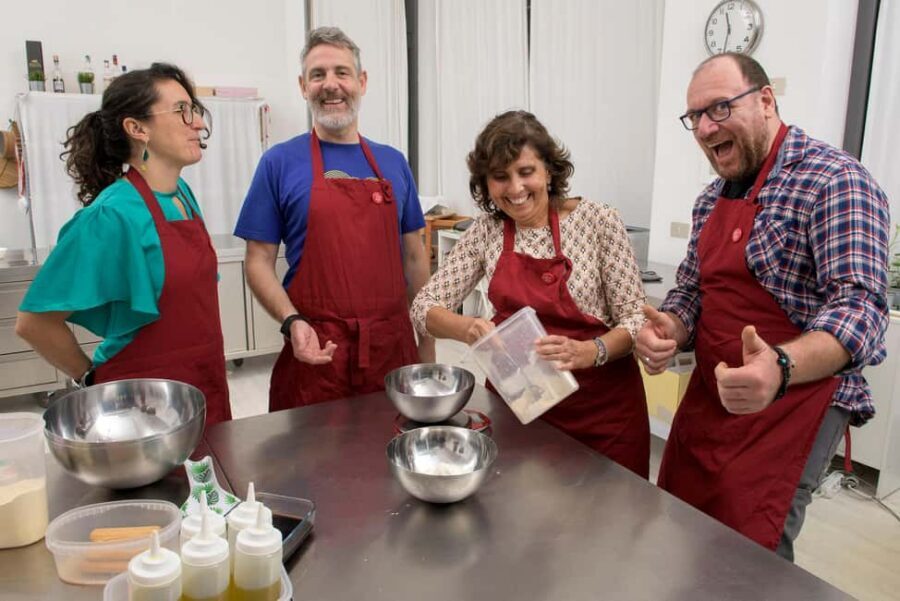
Make fresh pasta and three Italian dishes with a Milan chef, then sit down for wine and dinner in this hands-on, three-hour cooking class.
Fresh pasta made by hand is the heart of this three-hour Milan class, but the best part is seeing how a chef turns practical techniques into a meal you can make again. You’ll work at your own station, learn from an Italian instructor, then sit down with the group to eat what you’ve prepared.
I like the balance between hands-on cooking and a shared meal, and I like that the recipes come with you, not just the memory of dinner. Chef Ilaria is often the instructor, with other team members also leading classes, so you may meet a different teacher.
One consideration: the three dishes can vary, and some longer-cooking sauces may be prepared ahead rather than made start to finish in class. You’ll also need to follow kitchen rules, including no eating or drinking while cooking.
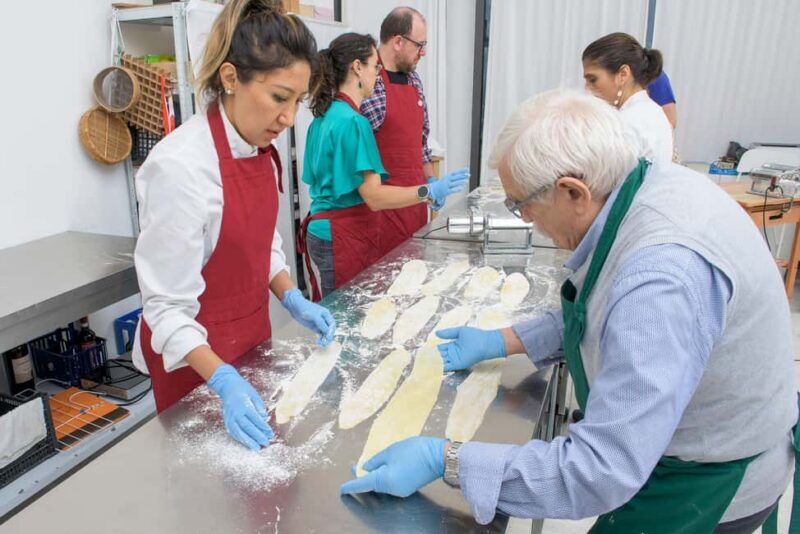
The class lasts about three hours, giving you time to cook, ask questions, and eat together without turning the evening into a marathon. The exact dishes can change. Across the menu examples, you might make bruschetta, tagliatelle, ravioli, gnocchi, tiramisù, biscotti, or strudel.
That variety is useful if you are choosing the class for the cooking rather than one particular recipe. But if you have your heart set on a specific dish, ask before booking. A past class, for example, included bruschetta, fresh tagliatelle, and biscotti, while other sessions have featured gnocchi or ravioli.
You begin in a professional cooking lab, where each participant has a personal work area. The setup gives you room to handle ingredients and follow the steps yourself instead of simply watching a chef work from across the room. Aprons, gloves, and cooking tools are included, so you do not need to bring equipment.
The format is hands-on, though that does not mean every part of every dish is made from scratch during the session. Some sauces need hours to cook, which is longer than the class allows. In one class, the chef provided prepared ragù and cacio e pepe sauces and shared their recipes, while participants made the pasta. That is a sensible use of limited time, but it is worth knowing if you want to cook every component from beginning to end.
You can check availability for your dates here: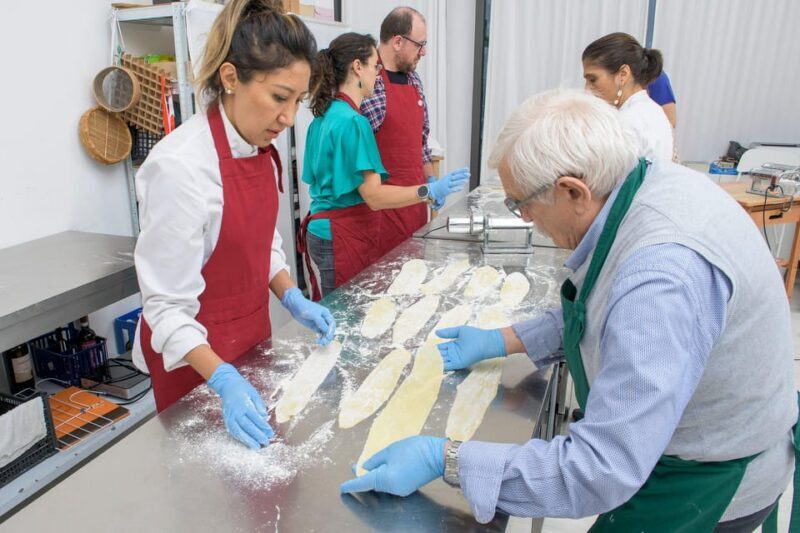
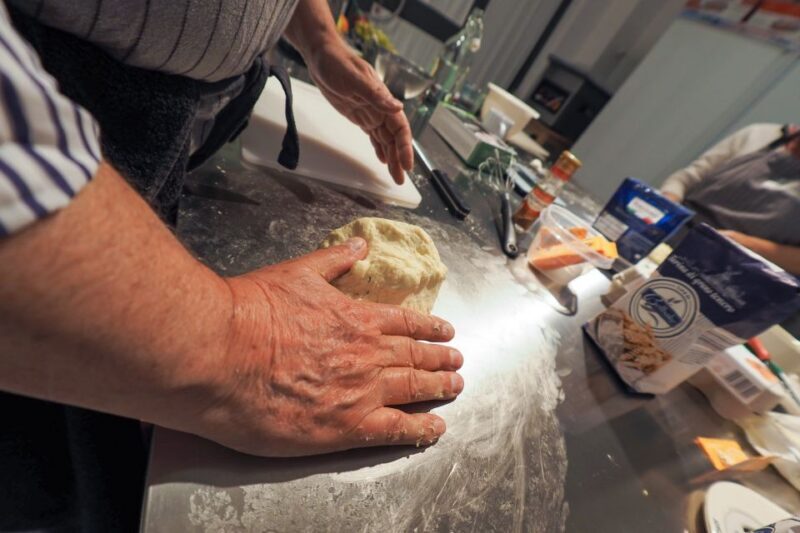
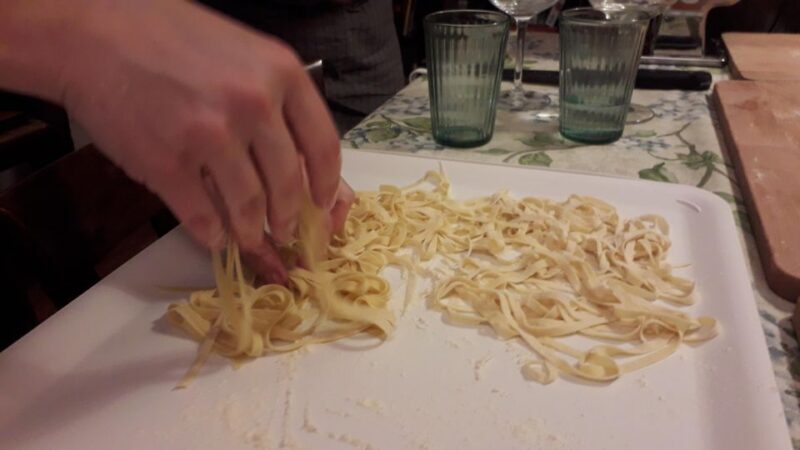
Fresh pasta is one of the most practical skills on offer. The class may cover shaping different pasta, and you could use a pasta machine as part of the process. A few hours cannot make you an expert, but it can help you understand the basics of dough, shaping, and how to approach the task at home.
The chef also explains why certain techniques work, not just which steps to follow. That can include the history of a dish, ingredient choices, and small corrections as you cook. The point is not to turn dinner into a lecture. It is to give you enough context to make better decisions when you try the recipe again.
Italian food has its own rules, and instructors may be clear about them. One example from class: a chef made the case for keeping cream and bacon out of carbonara, while also recognizing that home cooks can adapt dishes to taste. That mix of firm technique and practical flexibility is useful. You learn what makes a dish traditional, then decide how you want to cook it in your own kitchen.
The class also promotes healthy, low-waste cooking. The available details do not specify a particular waste-reduction exercise, so think of this as an approach rather than a separate lesson with a set activity. You can ask the chef about ingredient use and ways to avoid waste while you cook.
For more Milan culinary adventures, you might enjoy these food and drink experiences
Cooking is not the only part of the session. Light snacks may include cheese, sun-dried tomatoes, mortadella, and olives. Sweets, coffee, tea, infusions, and water are also provided. These give you something to enjoy between tasks, but the kitchen rules are clear: no food or drinks while cooking, and no tasting as you work.
That rule may feel strict if you like to taste as you go. It reflects the fact that the class runs in a professional kitchen, where you are expected to follow the chef’s directions. Tie up long hair, listen to instructions, and save your appetite for the breaks and the meal.
Once the cooking is done, you sit down together and eat the dishes you have made, with wine included. This is where the class shifts from lesson to dinner. You get to see how the different parts come together, compare notes with the people at your table, and enjoy a relaxed end to the session.
The shared meal is a real part of the value here, not an afterthought. You are not paying only for three recipes and a cooking demonstration. You are also getting time to prepare food with an instructor, eat the results, and spend an evening with people who signed up for the same reason.
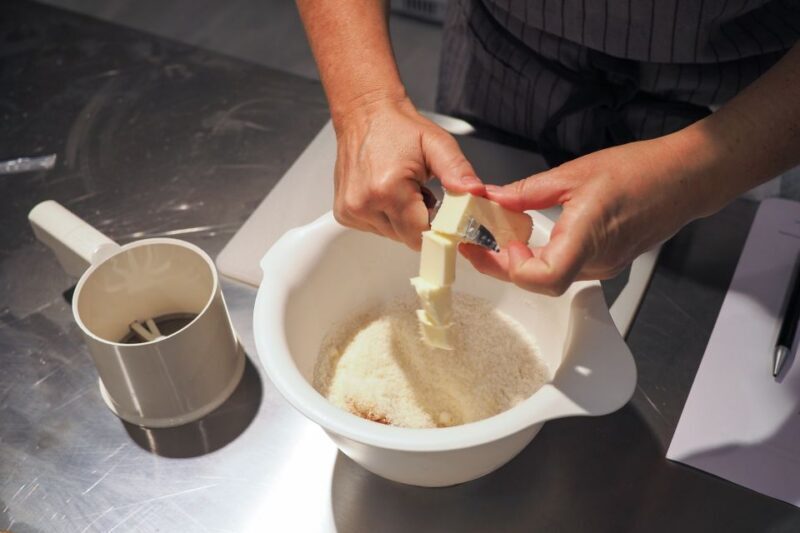
Chef Ilaria is frequently associated with this class, and descriptions of her teaching point to clear instructions, humor, and a warm manner. She is not the only instructor: Klara and Fernando have also led sessions. The teaching style and exact menu may therefore depend on the date, but the format remains centered on cooking together and sharing the meal.
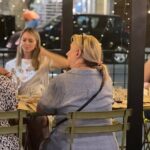
The class can be social without requiring you to arrive with a group. People come from different countries, and the shared tasks make it easy to start talking. If you are traveling alone, this is a comfortable way to spend an evening with others without needing to plan the conversation. Couples, families with older children, and friends can also take part.
Class sizes can feel small and personal, though you should not assume a particular number of participants. One session had only two people, while others included a larger mix. A very small group can mean more direct attention, but it may have less of the lively group atmosphere some people want.
English and Italian are the listed languages. If you need extra help understanding a step, the class is intended to be taught in English as well as Italian. You can ask questions as you work, and the chef or assistant can help keep ingredients and tools organized.
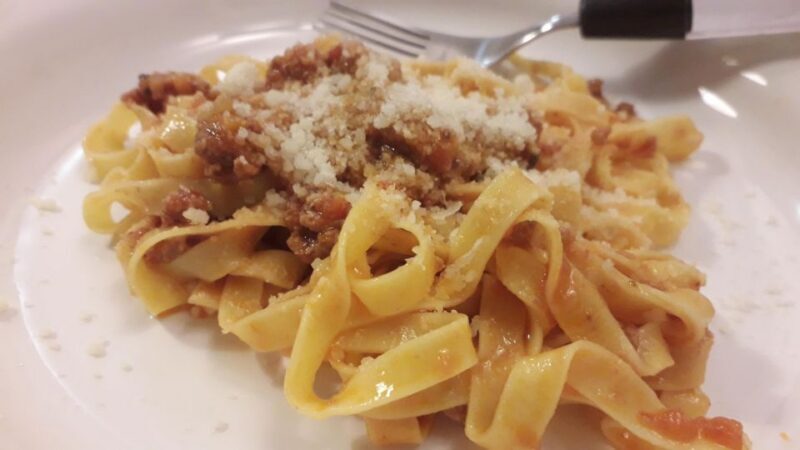
At $80 per person, the price includes food, beverages, cooking tools, gloves, aprons, wine, instruction, and copies of the recipes. The ingredients are not just a tasting portion: the class ends with a meal made together. For a visitor who wants dinner and a skill to take home, that makes the price easier to justify than a cooking demonstration with no participation.
The value depends on what you want from the experience. If you mainly want a cheap dinner, a restaurant will be simpler. If you want to learn pasta-making basics, hear a chef explain the dishes, and enjoy a meal with other participants, the class offers more than food alone.
Set your expectations around a short workshop, not a full professional course. Three hours is enough to learn and practice selected techniques, but not to master several recipes or slowly cook every sauce from scratch. The recipes help bridge that gap: you can revisit the dishes at home, where you have more time.
More Great Tours Nearby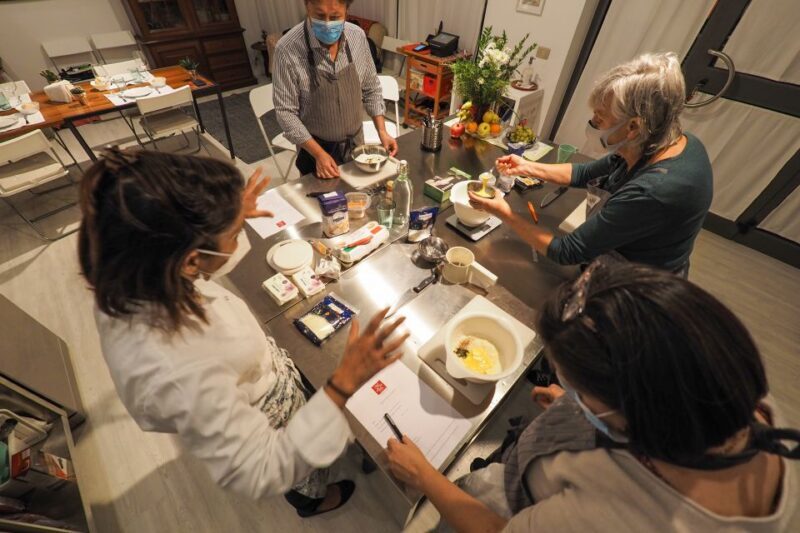
The meeting point is Chef and the City, a street-level shop with three large windows and three red signs above them. Ring the bell at the main window door when you arrive. Private transportation is not included, and luggage or large bags are not allowed, so leave suitcases and oversized day bags elsewhere before you come.
The activity is not wheelchair accessible and is not suitable for people with mobility impairments. Children under 10 are not accepted. Pets and smoking are not allowed, and there is no luggage storage listed, so plan around those limits before setting out.
You can cancel up to 24 hours in advance for a full refund, and the reserve-now, pay-later option lets you hold a place without paying immediately. Starting times vary, so check availability for your date.
You might also be interested in these Milan experiences
This is a good fit if you want a practical introduction to Italian cooking, especially fresh pasta, and like the idea of eating dinner with the people you cooked beside. It also suits solo visitors who want an easy social evening, and home cooks who enjoy learning the reasons behind a technique rather than collecting recipes without context.
It is less suitable if you need step-free access, want a fixed menu, or expect to make every sauce from scratch. If a particular dish matters to you, confirm the menu before booking. Otherwise, come ready to work, follow the kitchen rules, and leave room for the meal.
My take: Book it if you want a friendly, useful cooking lesson with dinner and wine included. Skip it if you are looking for a highly specialized course or need full control over the menu. The recipe sheets and fresh-pasta practice give the class value beyond the evening itself.
“Absolutely fantastic!!! If you consider taking a booking class in Milan, THIS is the place to go. Ilaria gave her heart into it, and we got real in…”
The class lasts three hours. Starting times vary, so check availability for your preferred date.
The menu can vary. Examples include fresh pasta, bruschetta, gnocchi, ravioli, tiramisù, biscotti, and strudel. Ask ahead if you want to confirm a specific dish.
Yes. Food, beverages, and wine are included. Light snacks and drinks may be served during breaks, followed by the meal made in class.
Yes. The chef provides copies of the recipes so you can make the dishes at home.
Cooking tools, gloves, and aprons are provided. Do not bring luggage or large bags, and tie back long hair before cooking.
It is not suitable for children under 10 or people with mobility impairments. The venue is not wheelchair accessible.
Yes. You can cancel up to 24 hours in advance for a full refund.
You can check availability for your dates here: