Physical Address
304 North Cardinal St.
Dorchester Center, MA 02124
Physical Address
304 North Cardinal St.
Dorchester Center, MA 02124

Walk central Milan with a Spanish-speaking guide, see the Duomo and La Scala, then enter Santa Maria delle Grazie for The Last Supper.
Leonardo’s The Last Supper is the reason to book this three-hour walk: priority admission takes you into the refectory at Santa Maria delle Grazie to see one of Milan’s most important works. Along the way, you get a brisk introduction to the city center, with exterior views of the Duomo, La Scala, and Sforza Castle.
I like that the route pairs a timed visit to the fresco with an orientation walk, and that it includes the glass-roofed Galleria Vittorio Emanuele II, not just a pass-by from the street. The guide’s stories can help connect the landmarks to Milanese history and the city’s fashion and opera traditions.
One important catch: the guide speaks Spanish, and the tour does not include entry to the Duomo or La Scala. If you want to go inside either, plan a separate visit, and check the tour language carefully before booking.
Milan can feel like a city of big names and busy streets when you first arrive. This walk gives you a simple route between several of its best-known sights, then ends with a reserved visit to an artwork that is difficult to see without planning ahead.
The balance is useful. You get a quick city-center introduction and a guide to explain what you are looking at, but you are not spending the whole morning inside museums. The walk is best understood as an overview, not a deep visit to every monument.
The tour lasts three hours, which is enough time to connect the main sights without giving up an entire day. It also gives you a basic map of central Milan in your head. Afterward, you can decide which places deserve a longer visit, perhaps returning to the Duomo or exploring the area around the castle on your own.
The most praised part of the experience is the guide’s explanations. Past guides have been described as warm, detailed, and ready to answer questions. Bianca is one guide whose name has been singled out, but the guide assigned to your departure may be someone else. The useful point is that the walk’s value depends in part on the person leading it, so bring questions and make the most of the time together.
If you enjoy exploring Milan on foot, these walking tours might also suit your style
The meeting point is at the Piazza della Scala entrance of the Galleria Vittorio Emanuele II, in front of the Rizzoli book shop. Look for the guide holding a Tourismotion sign. The listed coordinates are 45.465797424316406, 9.190096855163574.
Arrive with time to spare. The tour does not refund late arrivals or no-shows, and the walk depends on reaching the Last Supper visit at the scheduled time. The tour meets in a central spot, but Milan’s streets and arcades can be busy, so do not count on finding the guide at the last second.
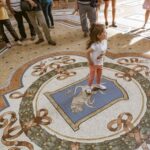
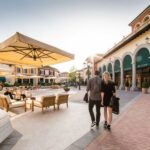
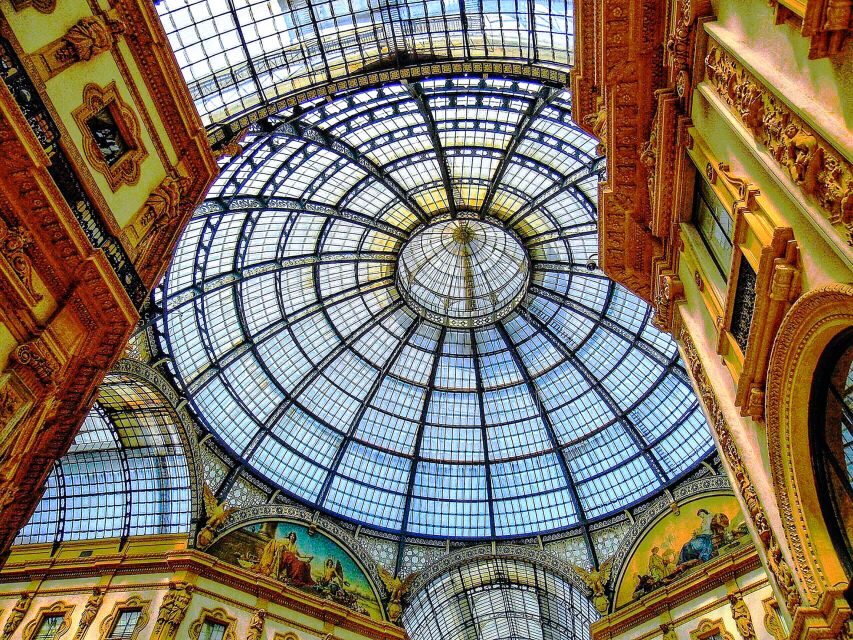
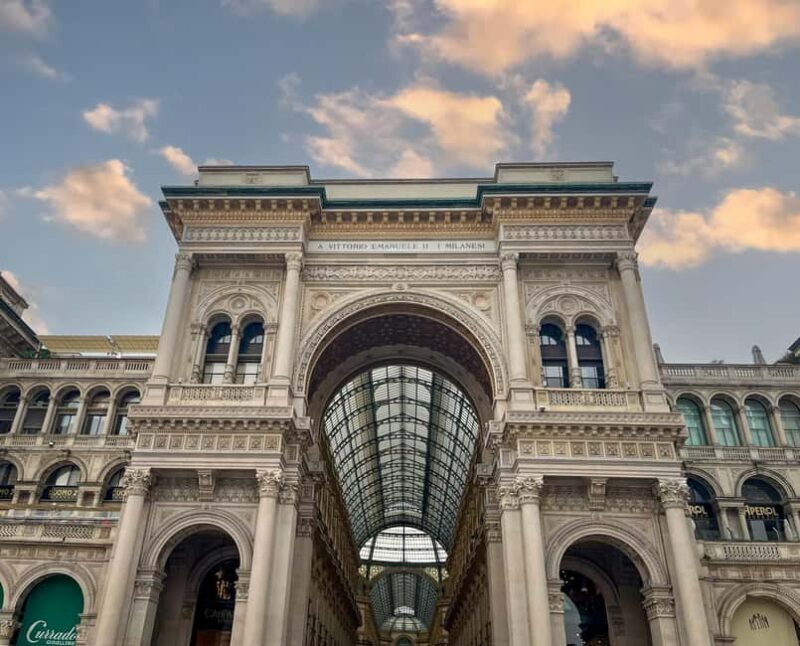
The Galleria itself is a fine place to begin. Its glass roof and grand arcade make a striking contrast with the traffic and open squares outside. You enter the arcade as part of the tour, so this is more than a quick view of the entrance. The guide can set the scene for Milan’s commercial identity before you continue into the city center.
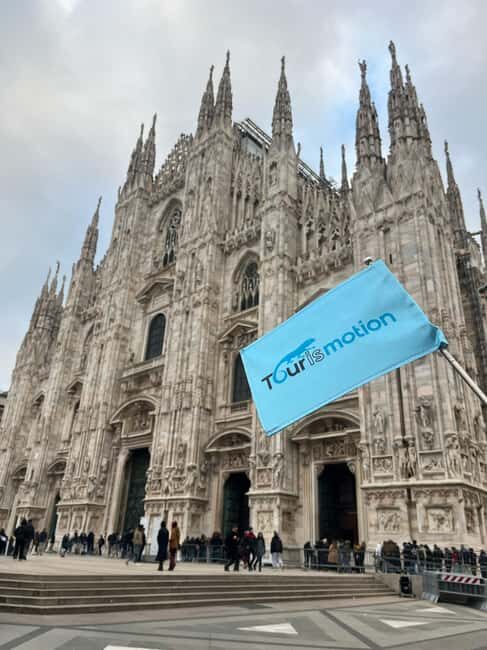
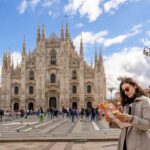
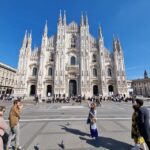
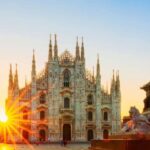
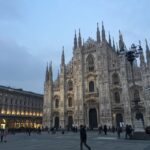
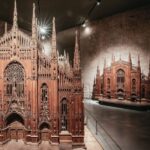
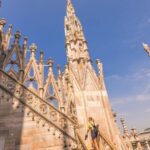
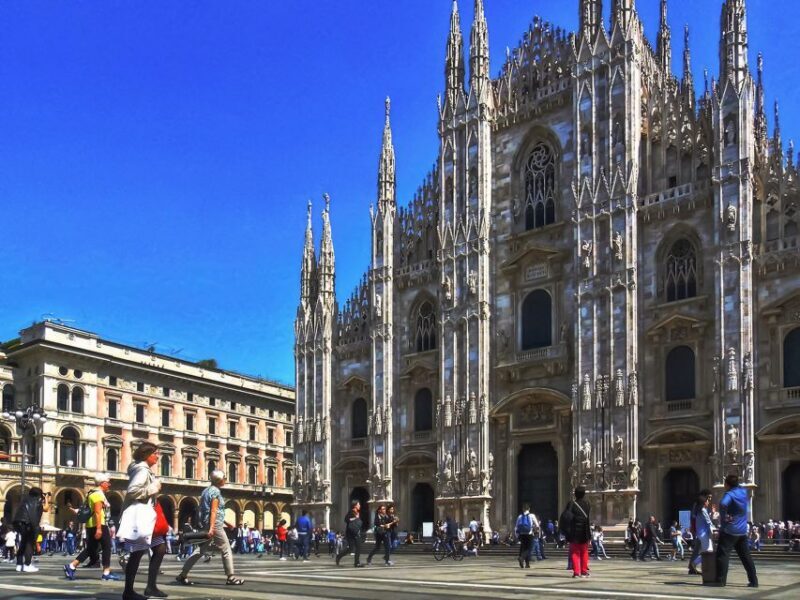
From the Galleria, the route heads to Piazza del Duomo, Milan’s grand central square. The cathedral’s façade is the star here: a mass of carved detail that makes more sense when you have time to stand back and look rather than simply cross the square on your way elsewhere.
The Duomo took nearly six centuries to build. That long timeline gives your guide a natural way to explain how Milan changed over generations, and why the cathedral does not fit neatly into one period or style. You see the building from outside on this tour; admission to the cathedral is not included.
That distinction matters if going inside is high on your list. The exterior visit is a useful introduction, but it is not a substitute for exploring the cathedral’s interior. I would treat the stop as a first look, then plan a separate visit if you want more time with the building.
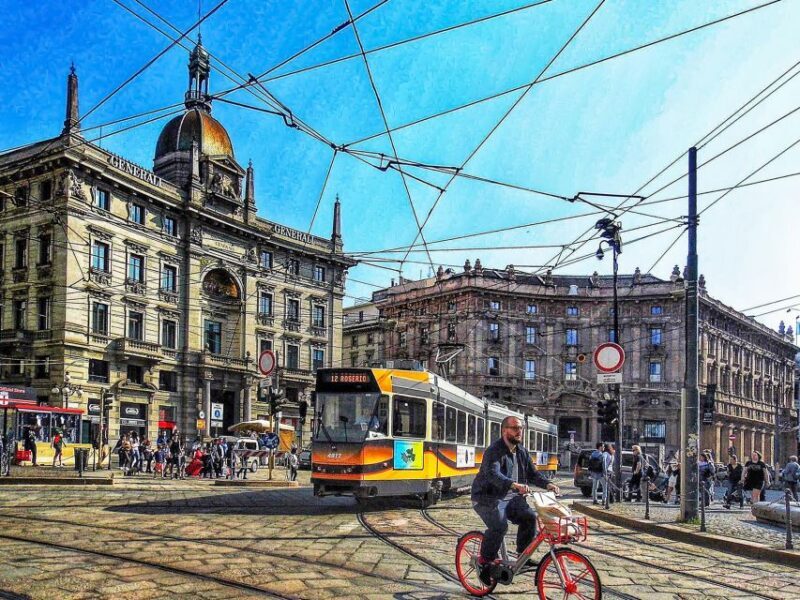
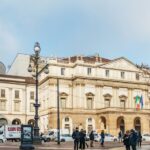
The walk continues toward Teatro alla Scala, one of the city’s most famous opera houses. Here, the tour offers an exterior view and the chance to hear about the theater’s place in Milanese culture. You do not enter the opera house, so think of this as context and a look at the façade rather than a backstage or auditorium visit.
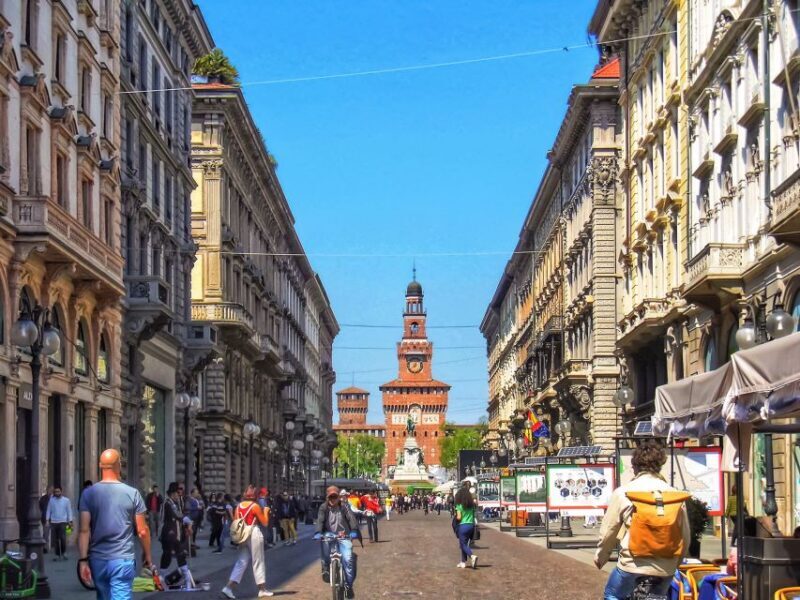
From there, the route includes Via Dante, a central street tied to Milan’s reputation as a fashion capital. The guide uses the walk to talk about the city and its local character, with anecdotes along the way. This is a good stretch for asking questions, especially if you want to understand how Milan differs from Italy’s more obviously historic tourist centers.
The walk is not designed as a shopping tour, and no shopping stops are promised. Instead, the street helps show how fashion and daily city life fit into the same urban center. You get a sense of the place between monuments, which can be more useful than a string of disconnected facts.
More Great Tours Nearby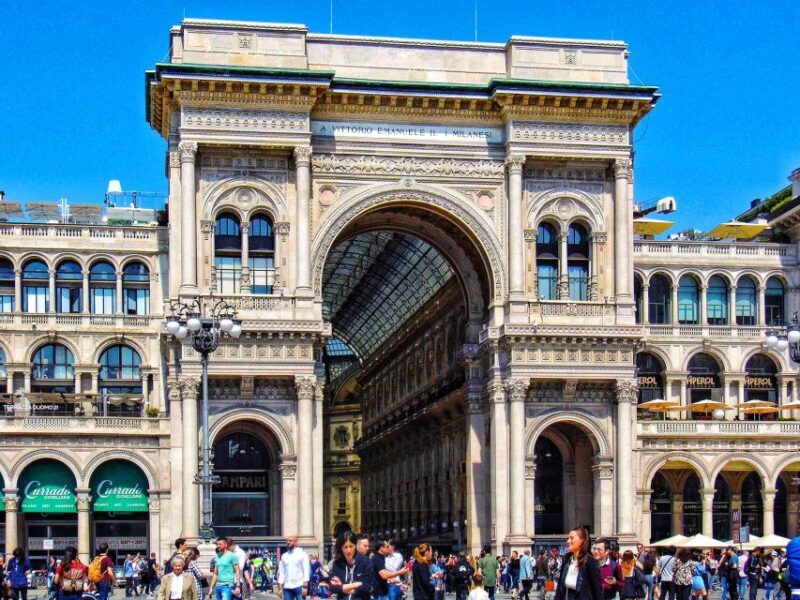
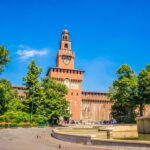
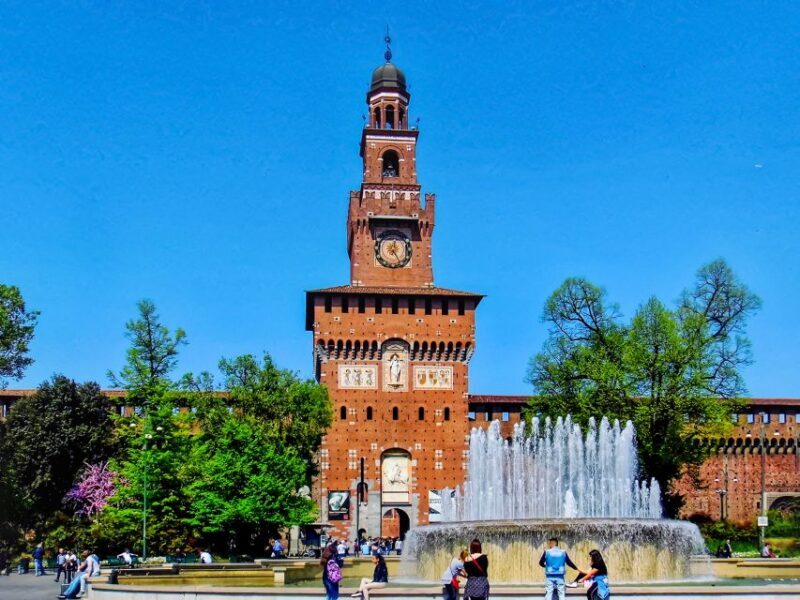
Sforza Castle is another landmark on the walk, viewed from the outside as the group makes its way toward the final stop. Its scale gives the route a different feel from the elegant arcades and cathedral square. The castle also helps place Milan’s civic and political past within the broader city tour.
This is a scenic stop, not a castle visit. If you want to explore its rooms or collections, you will need to allow time separately. For a three-hour overview, the exterior view keeps the route moving while giving you another major landmark to recognize later.
The walk covers a fair amount of ground. One visitor described it as a lot of walking, which is worth taking seriously if you are tired, traveling with young children, or managing foot pain. Comfortable shoes are specifically recommended, and you should expect to spend much of the tour on your feet.
If you prefer having a local expert, these guided Milan experiences could work well
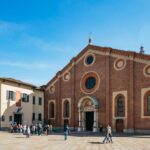
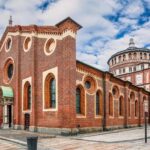
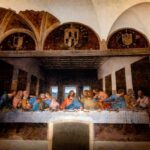
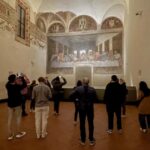
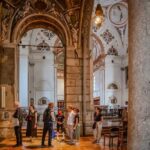
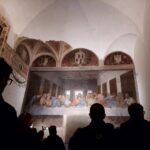
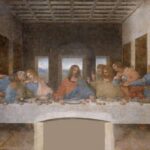
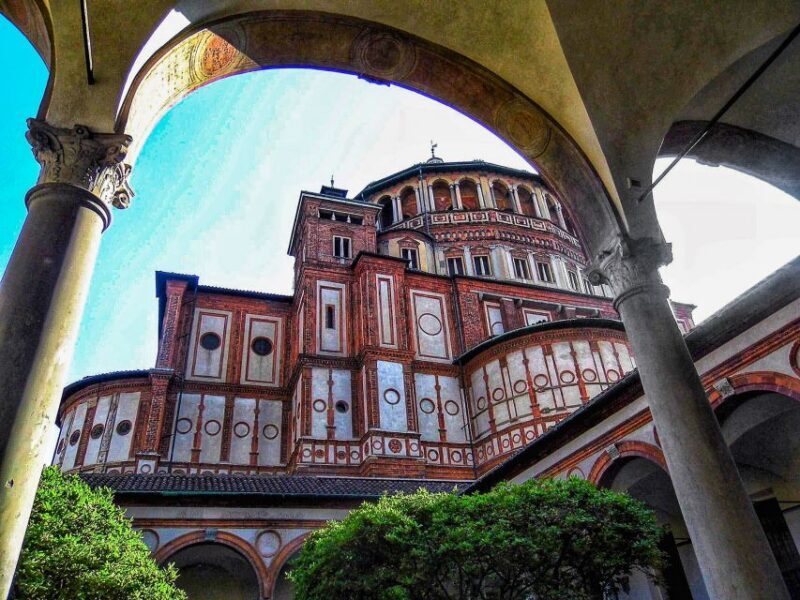
The walk finishes at Santa Maria delle Grazie, where you enter the refectory to see Leonardo da Vinci’s The Last Supper. This is the tour’s essential booking advantage: priority admission means you do not have to depend on finding a separate ticket at the door or spend your visit waiting in the standard ticket line.
The fresco is not simply another stop on a city walk. It is the reason many people choose this tour, and the guide’s explanation can help you look closely at the work’s history and execution. One Spanish-speaking participant praised the guide’s knowledge of Leonardo and the painting, and others valued detailed explanations of Milan’s buildings and art.
You should keep expectations focused. The tour promises a guided visit and priority admission, but the supplied details do not specify how long you will spend inside the refectory. The Last Supper visit is part of a three-hour tour that also covers several city sights, so this is not a standalone, extended art lesson.
The language is especially important here. The live guide speaks Spanish. If you do not understand Spanish, you may miss much of the commentary, even if you can still appreciate the painting visually. Check the language before booking rather than assuming that another language will be available. A visitor who accidentally booked the wrong language was able to follow along, but that is not something to count on.
No price is provided here, so I cannot tell you whether a particular quote is a bargain. The value depends on two things: how much you want a guided introduction to Milan and how much you value priority access to The Last Supper.
If the painting is your main goal, the admission component may justify paying more than you would for a simple city walk. The tour bundles that visit with a guided route through several central sights, which saves you from planning each part separately. But you are paying for exterior views of the Duomo, La Scala, and Sforza Castle, not entry to those attractions.
One past participant felt the tour’s price was high for the short walk and wished the group had entered the Duomo or another attraction. That is a fair way to assess it: compare the price with what you would otherwise spend to secure Last Supper access, then decide if the added city walk is worth the difference. If you already know Milan well, or mainly want to explore the monuments inside, a focused Last Supper visit may suit you better.
I would consider this walk if you have limited time in Milan, want the Last Supper visit arranged, and would like a guide to connect the major sights. It is also a sensible choice for a first day in the city, when a compact introduction can help you plan what to revisit.
It is less suitable if you want to enter the Duomo or La Scala as part of the same booking, need a guide in a language other than Spanish, or prefer a slow-paced visit with long stops at each landmark. The tour is not suitable for wheelchair users, and the amount of walking makes comfortable footwear important.
You can cancel up to 24 hours in advance for a full refund, and the reserve-now, pay-later option keeps payment flexible. Those terms help if your plans are still shifting, but they do not change the need to arrive on time.
“Our tour was very nice we walked a lot in our group our guide lady was amazingly nice she explained everything with lots of details. If we had any …”
The tour lasts three hours.
The live guide speaks Spanish. Check that this suits you before booking.
Meet at the Piazza della Scala entrance of the Galleria Vittorio Emanuele II, in front of the Rizzoli book shop. The guide will hold a Tourismotion sign.
No. The tour includes an exterior view of the Duomo di Milano, not entry.
No. La Scala is viewed from outside during the walk.
The tour includes priority admission to see The Last Supper inside the refectory of Santa Maria delle Grazie.
Wear comfortable shoes, as the tour involves walking around central Milan.
You can cancel up to 24 hours in advance for a full refund. Late arrivals and no-shows are not refunded.
You can check availability for your dates here: