Physical Address
304 North Cardinal St.
Dorchester Center, MA 02124
Physical Address
304 North Cardinal St.
Dorchester Center, MA 02124

See Leonardo’s Last Supper in Milan with a licensed guide, pre-booked entry, and clear tips on timing, ID, dress, and what to expect.
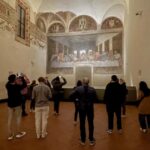
Leonardo’s Last Supper is not a painting you simply glance at on the way to the next Milan sight. You enter the refectory of Santa Maria delle Grazie for a brief, controlled visit with the work, and an English-speaking licensed guide helps you notice its perspective, technique, history, and mysteries.
I like two things here: entry is booked ahead, an important advantage for a work with limited access, and the guide gives you a framework for looking closely rather than leaving you to take in a famous image without context. The main consideration is that the viewing time is short, and strict ticket and dress rules leave little room for mistakes.
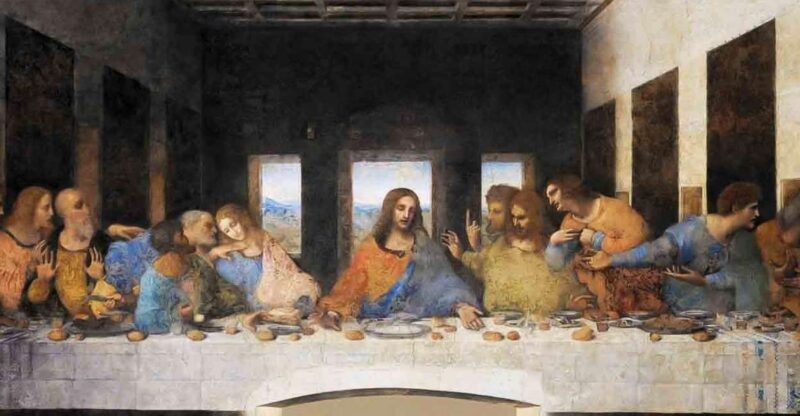
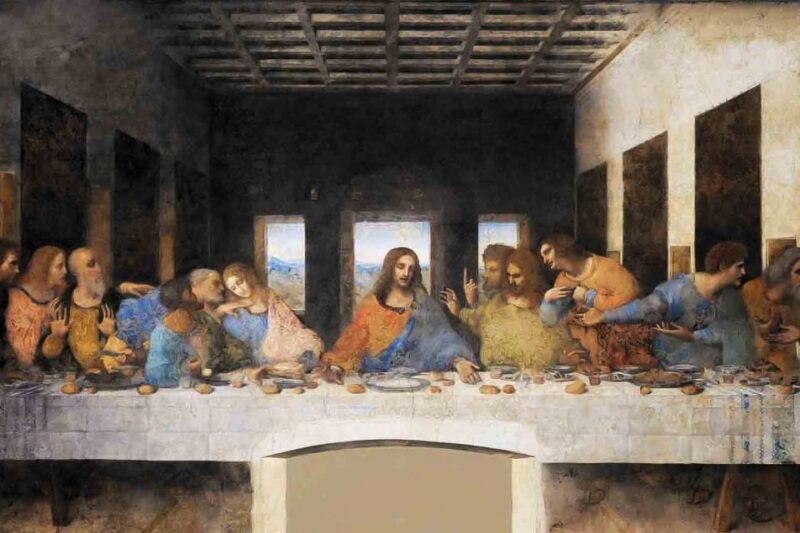
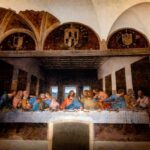
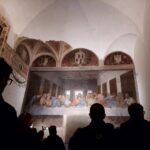
Leonardo’s Last Supper is one of those works whose fame can make it seem familiar before you have seen it in person. But the original is a delicate work in a refectory, not a copy in a book or a large image on a screen. The setting and the limited time in front of it make a guide useful: you have a short window to look, and some context can help you spend it well.
The guide’s job is not only to name the figures. You can expect to hear about the painting’s history and the choices Leonardo made in its technique and perspective, along with mysteries and legends linked to the work. The tour description promises surprising details about how Leonardo handled perspective and painting, which gives you a more active way to look than simply scanning the scene and moving on.
The work has been a UNESCO World Heritage Site since 1980. That designation points to its importance, but it does not tell you how to read the composition. An explanation can draw your attention to the way the scene is arranged and help you understand why this image has continued to inspire people over the centuries.
If you prefer having a local expert, these guided Milan experiences could work well
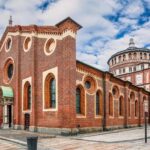
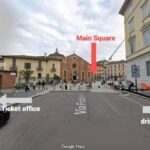
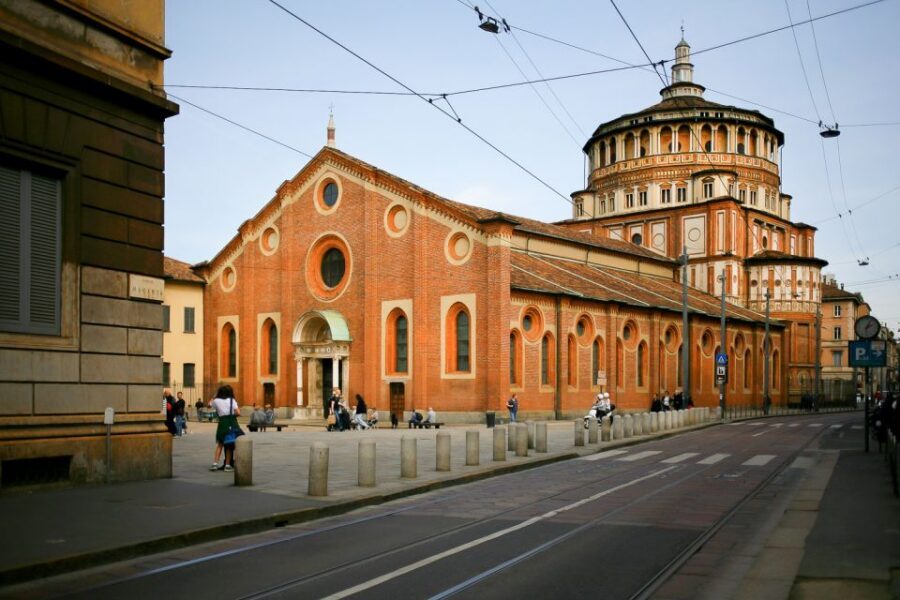
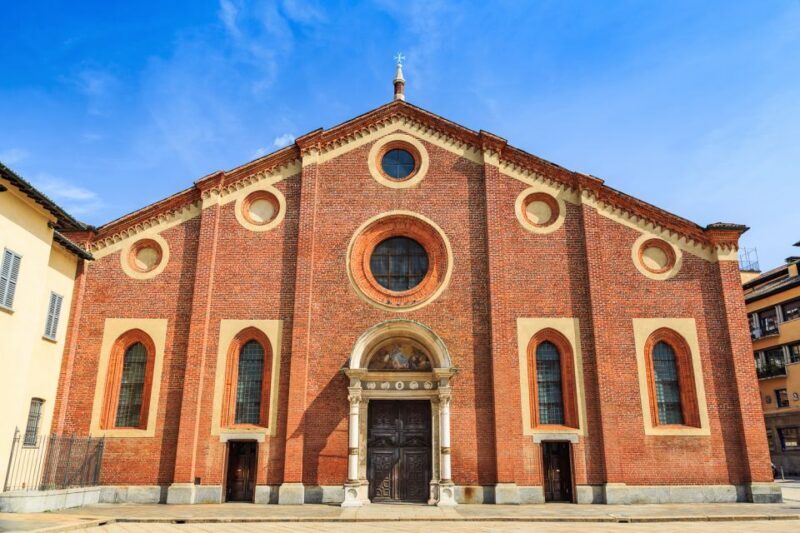
The meeting point is in front of the main entrance to the church at Piazza di Santa Maria delle Grazie, 2. It is a clear address, but the church frontage can be busy, with other groups and tours nearby. Aim to arrive 10 minutes early, and check the activity instructions so you know what to look for when you get there.
Some visitors have found it easy to locate the tour representative, while others have wished for a more visible sign or flag. That is a fair practical point: do not assume you can spot your guide at the last minute in a crowd. Keep your booking details handy and arrive with enough time to ask if you are unsure.
After meeting the representative, you are directed to the visit and your guide. The arrangement may involve a handoff from the person managing entry to the guide leading your group. That can make the start feel organized, but be ready to listen closely to instructions, especially if several groups are gathering at once.
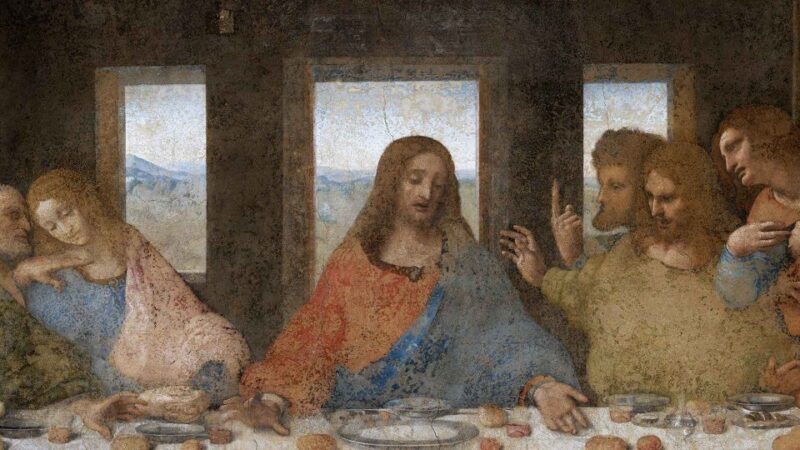
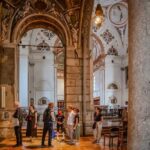
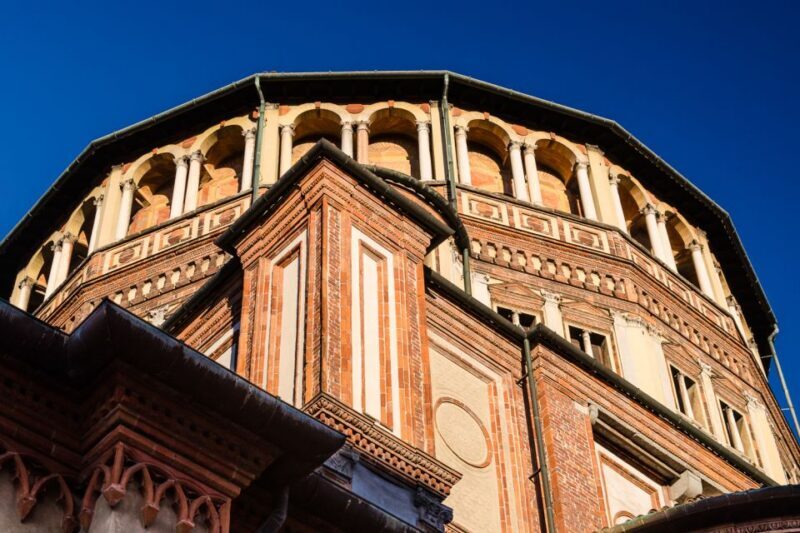
The painting is housed in the refectory of Santa Maria delle Grazie, an adjacent church. The setting is part of the experience: you are seeing the work where it is displayed, rather than viewing it in a conventional museum gallery. The room is managed for the protection of the artwork, so the visit is structured and the time with the painting is limited.
Plan for a brief viewing in front of the work. One visitor described about 15 minutes in the room, which is a useful expectation to keep in mind, though the exact schedule can vary. The full tour lasts one hour, so the rest of the time is used for the guide’s explanations and the organization around entering and viewing.
That short window makes the guide’s commentary particularly valuable. You may not have time to work out every detail at your own pace, but an explanation of the perspective, technique, and story can help you focus on what matters. If you are an art lover who wants a long, unhurried study session, this format may feel too brief. If you want a well-framed first encounter with the original, the guided visit makes practical sense.
The atmosphere can leave a strong impression even before you have sorted through every fact. The room is quiet and controlled, and the work’s scale and presence are different from seeing a reproduction. The visit is not a broad tour of the church or a full survey of Leonardo’s career. It is a concentrated encounter with one major work.
The most consistently praised part of this tour is the guide’s explanation. Guides have included Barbara, Maria, Helen, Lorella, and Tiziana, though the guide assigned to your departure may be someone else. Visitors have singled out clear storytelling, enthusiasm, useful historical detail, and the ability to answer follow-up questions. The guide’s name is not guaranteed, but the format is built around live English commentary.
Good guiding matters here because the subject is so familiar that it is easy to arrive with a pile of half-remembered facts and leave with the same pile. A strong guide gives you a more coherent story. You can hear about the work’s history and technique, then connect those details to what is visible in the room.
The style may vary. Some guides speak softly, and a larger group can make it harder to hear every word, especially with background noise. One visitor noted that a soft voice was difficult to catch, while another felt the group was large. If you are concerned about hearing, position yourself near the guide when possible and ask for clarification during the explanation.
Some departures have used headphones and an amplifier, according to a description of the arrival process, but that should not be treated as a guaranteed feature. The tour is in English, and the quality of the explanation is a big part of its value. If you have specific questions, ask them while the guide is available rather than expecting a long independent period in the room.
More Great Tours NearbyA one-hour tour is easy to fit into a Milan day, particularly if you are planning other visits nearby. It is short enough not to take over your schedule, but focused enough to give the painting more meaning than a quick, unsupported look. The trade-off is that the experience runs to a set timetable.
You must be at the meeting point before departure. The tour does not allow late arrivals to join, so do not build a tight connection or a last-minute meal around the start time. If you miss the group, the short duration offers little room to catch up.
The church itself may not be available to visit during religious services. The tour centers on the Last Supper, and access to the church outside that visit is not assured. If seeing the church interior is also important to you, do not assume the guided visit includes a separate walk-through.
Pre-booked entry is a practical advantage for a tightly controlled attraction. The Last Supper is not the sort of sight to leave until you arrive in Milan and hope to arrange at the door. You can book this tour until 5:00 pm the day before, subject to availability, and the option to reserve now and pay later can help keep plans flexible.
There is an important catch: the full name of every participant must be provided in advance. Names cannot be changed after 5:00 pm on the day before the tour, and each person, including an infant, needs a ticket to guarantee a place. Bring a valid passport or ID card. The identification document must be presented to receive the Last Supper ticket, and the booking name needs to match it. Check every spelling before the change deadline.
Dress as you would for entry to a church. Knees and shoulders must be covered, so shorts, short skirts, and sleeveless shirts are not allowed. Food and drinks are also prohibited, as are luggage and large bags. Travel light and plan your clothing before you set out. The rules are easy to follow, but not easy to fix once you are at the entrance.
The activity is listed as wheelchair accessible. If you have specific access needs, check the details for your chosen departure before booking so you can confirm that the arrangement suits you.
No price is provided here, and the value will depend on the cost you see for your date. In general, a guided ticket costs more than entry alone, but you are paying for more than a place in the room: the pre-arranged access and live explanation are central parts of this experience.
That extra cost is easiest to justify if the Last Supper is a priority and you want context rather than a brief look on your own. The guide can make the limited viewing time count, and pre-booking avoids the uncertainty of trying to secure access at the last minute. Some people have found regular tickets difficult to get for their dates, making a guided option a useful alternative.
It is less compelling if you mainly want a long period of quiet viewing or if you already know the painting in depth and do not need a guide. The actual time with the work is short, and the tour is tightly organized. Compare the available options for your date, but weigh the guide’s explanation and the certainty of a booked place against the added cost.
The tour includes free cancellation up to 24 hours in advance for a full refund. That is useful if your Milan plans are still taking shape, though the name-change deadline comes earlier: 5:00 pm the day before. Keep those two cutoffs distinct.
I would put this tour high on the list if you have limited time in Milan, want a clear introduction to Leonardo’s masterpiece, or prefer having an expert guide explain what you are seeing. It suits first-time visitors especially well, but it can also add useful context if you already know the basics. One visitor with an art background still found the storytelling worthwhile, which suggests the guide can offer more than a simple checklist of facts.
It is also a good choice if securing entry matters more to you than saving every possible euro. The ticket arrangements, name checks, and scheduled entry can feel strict, but they are part of visiting a work with controlled access. Bring the correct ID, arrive early, dress appropriately, and you will have fewer things to worry about once you reach the church.
I would look elsewhere if you want an open-ended art visit, need to arrive late, or are not comfortable with a fixed schedule. The lasting value here comes from pairing a brief encounter with a well-told explanation. If that is what you want, this is a strong way to see the Last Supper in Milan.
“All tour was very informational with lots of data and facts”
The guided activity lasts one hour. The time in the room with the painting is shorter; plan for a brief viewing rather than a full hour in front of the work.
Meet in front of the main entrance to Santa Maria delle Grazie at Piazza di Santa Maria delle Grazie, 2, 20123 Milan.
The live tour guide speaks English.
Bring a valid passport or ID card. You must present it to receive your Last Supper ticket, and the name on it must match the name provided during booking.
Yes. Names for all participants must be provided in advance, and each participant, including infants, needs a ticket. No name changes are permitted after 5:00 pm the day before the tour.
Cover your knees and shoulders for entry to the church. Shorts, short skirts, and sleeveless shirts are not allowed.
No. Food, drinks, luggage, and large bags are not allowed.
Arrive at the meeting point 10 minutes before the tour begins. You cannot join after the tour has departed.
You can check availability for your dates here: