Physical Address
304 North Cardinal St.
Dorchester Center, MA 02124
Physical Address
304 North Cardinal St.
Dorchester Center, MA 02124

Cruise Lake Ashi, ride Hakone’s ropeway to volcanic Owakudani, then choose a Gotemba outlet stop or a Fuji-view onsen.
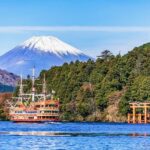
Lake Ashi’s pirate-style boat, Hakone’s steep ropeway and Owakudani’s steaming volcanic vents make this a full day out of Tokyo with several kinds of scenery, not just a Fuji photo stop. If the weather clears, you may see Mount Fuji from the lake, the mountain and the Gotemba area.
I like the variety: you move from water to cable car to volcanic valley, and can round out the day with outlet shopping or an onsen. I also like that the coach, guide, cruise and ropeway tickets are included, so you can cover several spread-out sights without piecing together local transport. The main drawback is that Fuji is weather-dependent, and traffic can shorten time at the stops.
This excursion works best if you want a broad taste of Hakone without arranging boats, mountain transport and buses yourself. In one day, you get Lake Ashi, an aerial ride over the volcanic hills, time at Owakudani, and an afternoon choice between shopping and soaking.
The price is $98 per person. That is good value if you plan to take both included rides and appreciate having a guide and transport between stops. The hot spring entry and towel are extra, as are meals, drinks and personal purchases, so budget for those separately.
It is not a quiet, unhurried visit to Hakone. The day is structured around several stops and a long drive each way, with road conditions affecting the schedule. Think of it as an efficient sampler, rather than a slow-paced stay in the mountains.
You can check availability for your dates here: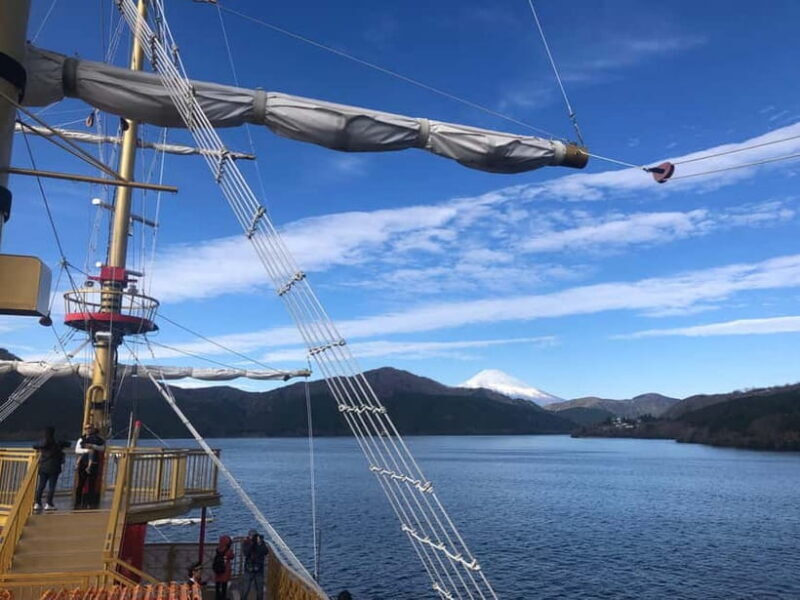
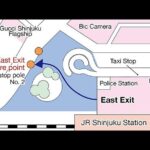
The tour runs for about 10 hours. The listed start and end location is Matsuoka Central Building at 2-chōme-2-1 Yaesu, though the meeting point can vary by booking option. Check your confirmation carefully rather than assuming the departure is at Shinjuku Station.
Expect roughly two hours on the coach to reach the Hakone area and another long ride back. Traffic can stretch the journey, especially around Tokyo, and the itinerary may shift if roads are heavily congested. The bus is air-conditioned, which makes the travel between stops more comfortable than managing multiple connections on your own.
Arrive with time to find the correct vehicle. Several buses may gather at the meeting point, so being there early is a practical move. Large bags and luggage are not allowed, and only one hand-carry bag is permitted. Pack light, with comfortable shoes and warm clothing; mountain weather can feel different from the city.
More ways to experience Tokyo from the water include these boat tours
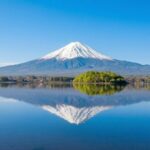
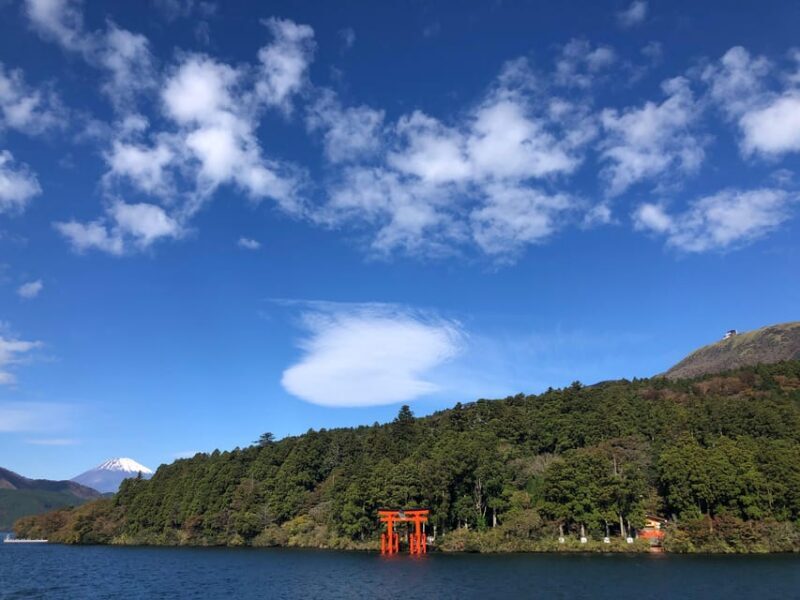
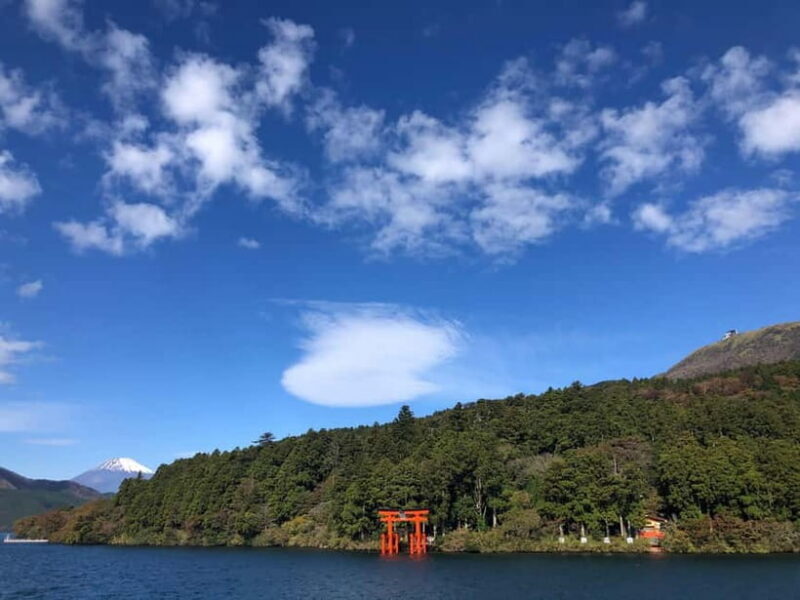
The 30-minute cruise is a cheerful way to begin the sightseeing portion of the day. The decorated boat gives you a view across Lake Ashi, a lake formed in a volcanic caldera, with forested slopes around the water and Mount Fuji visible when the clouds cooperate.
The boat is more than a novelty. It lets you see the scale of the lake and the surrounding mountains before heading upward by ropeway. The unusual pirate-ship styling also gives the trip a playful note, though the main reason to take it is the view from the water.
Keep your expectations flexible. Fuji can be hidden by cloud, rain or mist, even when the rest of the trip runs smoothly. The lake itself and the mountain setting still make the cruise worthwhile, but this is not a dependable way to guarantee a clear Fuji photograph.
Strong wind can close the cruise or ropeway, and the route may change if that happens. Bad weather can also lead to cancellation, with notice due by 2:00 PM the day before. If Fuji is the whole reason for your outing, remember that this tour cannot control the sky.
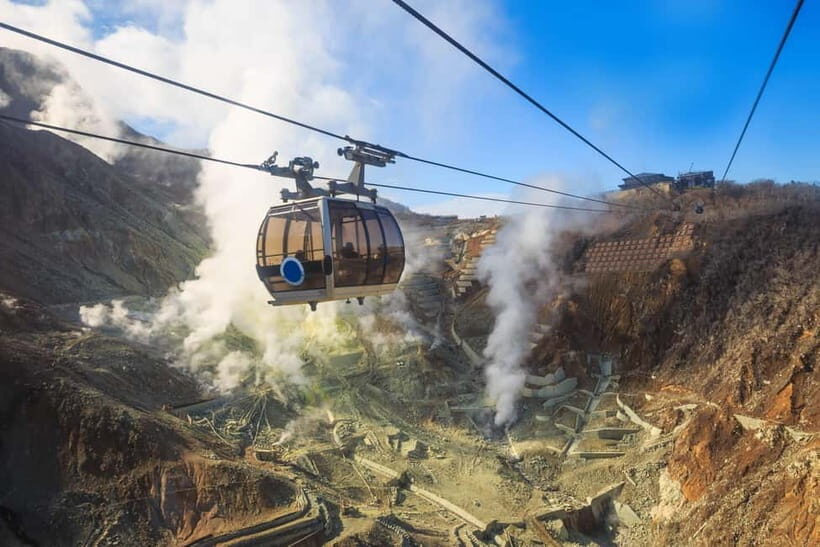
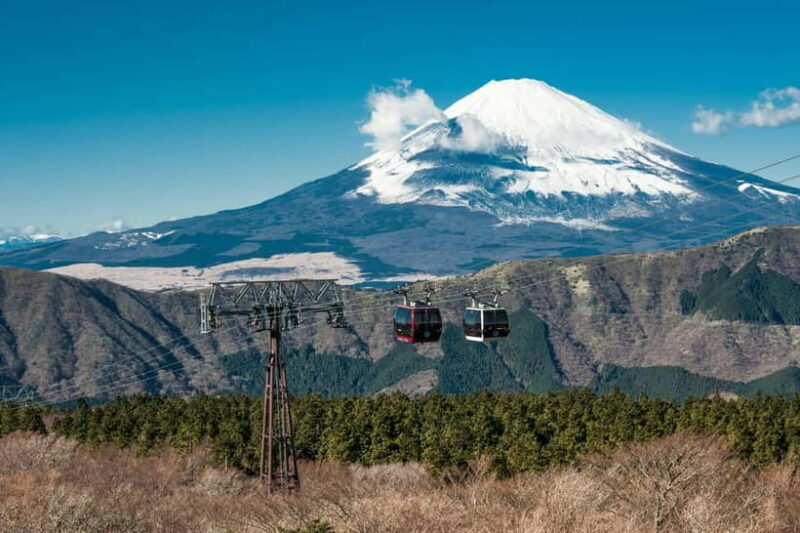
After the boat, the 20-minute ropeway ride takes you up toward the volcanic area. It changes the scale of the day: from the lake, you rise above the slopes and get a broad view of Hakone. On clear days, Mount Fuji may appear beyond the nearer peaks.
The ropeway is one of the most memorable parts of the route because it joins the scenery to the geology. You are not simply looking at a volcano from a roadside viewpoint; you are traveling over a region shaped by volcanic activity. Wind can affect operations, so this is another part of the day that depends on conditions.
Those with heart or respiratory problems should note that the tour is listed as unsuitable for them. Owakudani’s volcanic environment includes sulfur escaping from the ground, and the operator specifically flags those health concerns. If you have a relevant condition, consider carefully whether this outing is right for you.
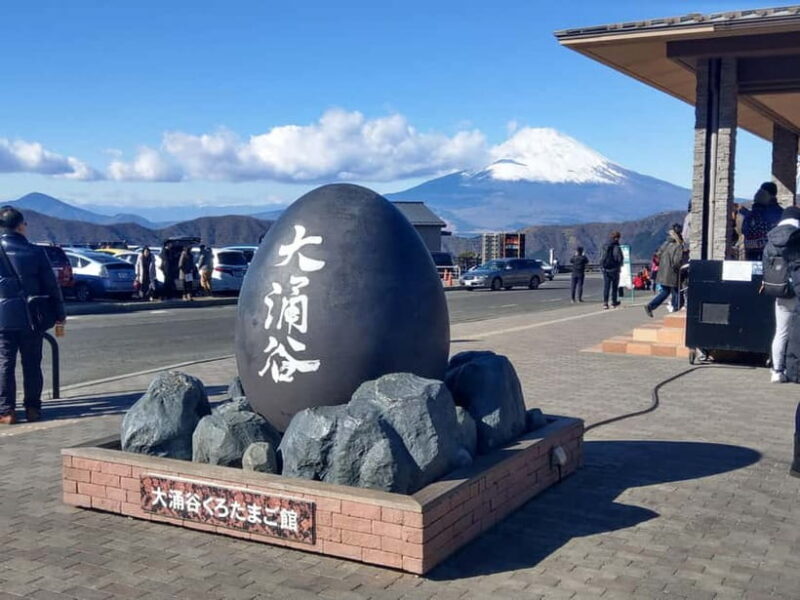
Owakudani, or the Great Boiling Valley, is the day’s most distinctive stop. The area was formed by an eruption around 4,000 years ago, and you can see white sulfur steam escaping from the ground. It is a striking reminder that Hakone’s scenery is not just decorative; it is an active volcanic environment.
You get about 75 minutes here for sightseeing, photos, shopping and lunch. That is enough for a look around and a food stop, but not a long hike or a leisurely meal. Food and drinks are not included, so bring money for lunch and snacks.
The local specialty is kuro tamago, or black eggs. They are boiled in the hot spring water, which darkens the shells, and local lore says eating one adds seven years to your life. Treat that as folklore, not a health plan, but the eggs are a fun and very specific Hakone snack. Black ramen and black ice cream are also available in the area, according to the tour’s on-the-ground experience, though what is on sale can vary.
The sulfur smell and steam are part of the appeal, but they may not suit everyone. Stay with the group’s instructions and take the conditions seriously, especially if you have breathing or heart concerns.
More Great Tours Nearby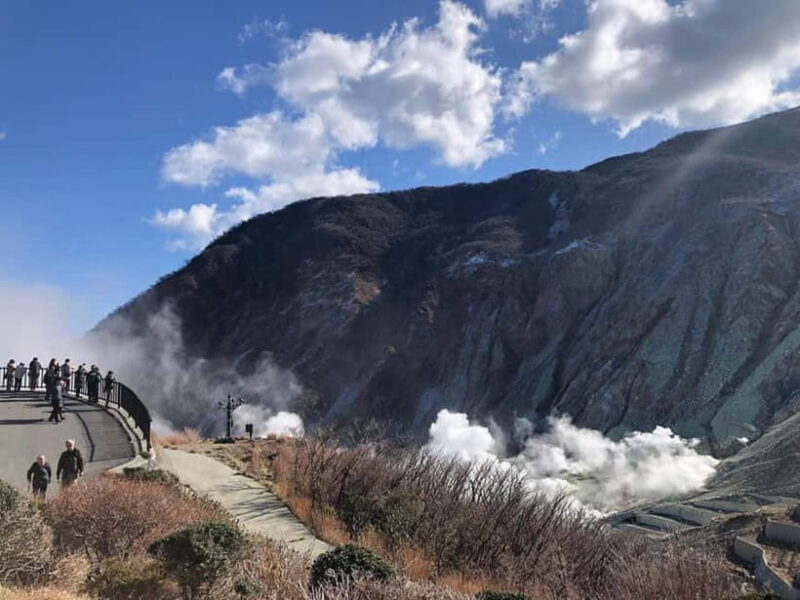
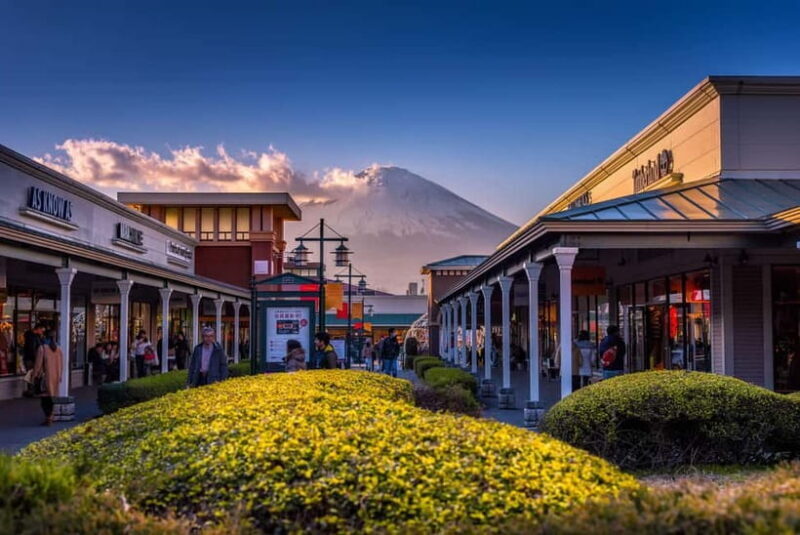
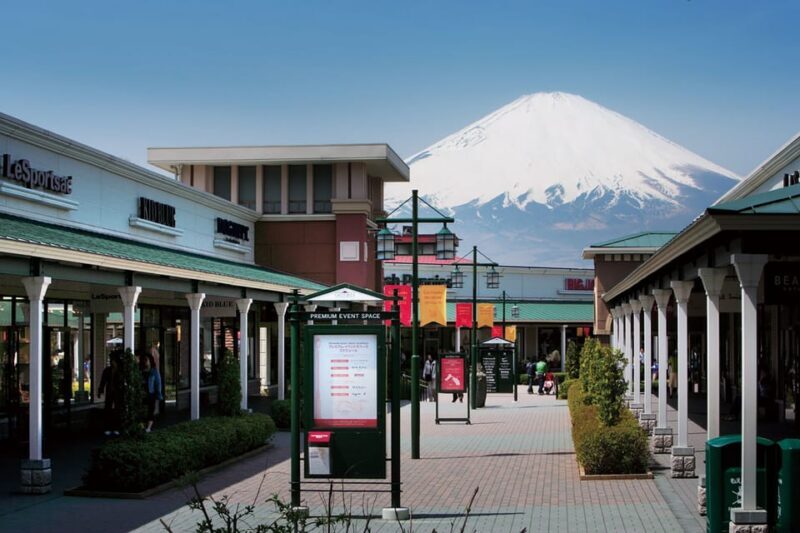
The afternoon is the tour’s biggest decision point. Gotemba Premium Outlets is a large shopping center with views of Mount Fuji on clear days. It is a good fit if you enjoy brand-name shopping and want time to browse; discounts can be worthwhile, but do not assume every shop is a bargain.
The planned stop is around two hours, though the day’s schedule may divide the time differently. Some itineraries or group arrangements allow an hour at the outlets and an hour at the hot spring, while others may give more time to one choice. Confirm how the options work for your booking before setting your expectations.
The alternative is a hot spring visit in the Gotemba area, where you may soak with a view toward Fuji. Onsen bathing is a rewarding way to slow the pace after walking around the valley, and several people have found it the most relaxing part of the day. Entry and towel costs are not included. Private onsen arrangements may be possible, but they are not guaranteed as part of the standard tour.
If you want both shopping and bathing, ask the guide what is practical that day. One family split its afternoon between the onsen and the outlets, and guides such as Tina and Vicky have helped organize onsen choices. Your guide and exact schedule can vary, so treat that as an option to discuss, not a promise.
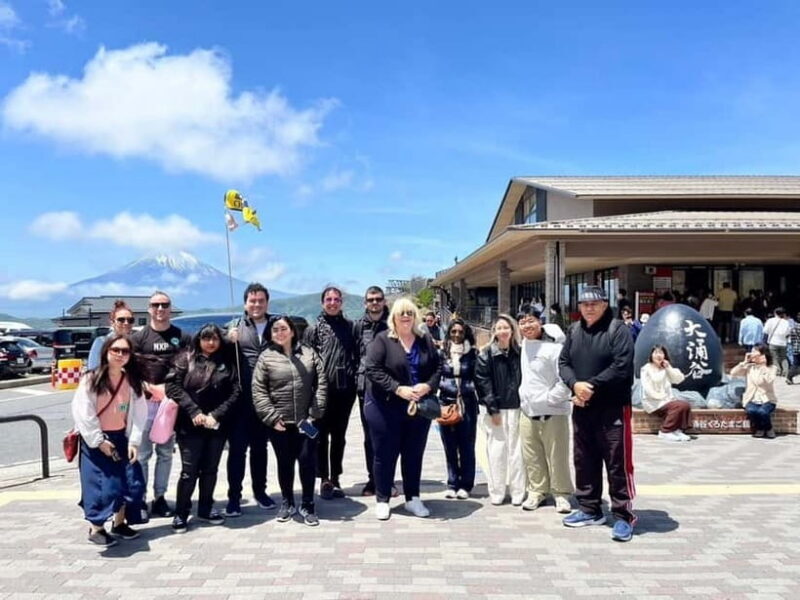
A guide matters on a day with several transfers and a tight timetable. Guides have included Tina, Jeff, Vicky, Lisa and others, with English and Chinese offered. The strongest guides help explain the stops, keep the group moving and answer practical questions, including how to handle the onsen choice.
The information level can vary. Some guides add context about Hakone’s history and local customs, while others focus more on timing and logistics. If you want deeper cultural commentary, this may not replace a dedicated history tour, but a helpful guide can make the day feel much easier and more connected.
The group size is not specified, so do not book on the assumption that it will be a small-group outing. The transport is by coach, and you will need to keep to the group’s schedule at each stop. That structure is the trade-off for covering several places in one day.
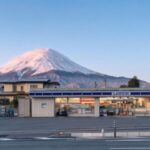
For the best chance of seeing Fuji, clear skies matter more than the season or the itinerary. Views are possible from the lake, ropeway area and outlet or onsen, but no stop guarantees a sighting. Cloud cover can hide the summit for much of the day, and rain or wind can affect both visibility and transport.
Pack comfortable shoes and warm clothing, even if Tokyo feels mild when you leave. You will be stepping on and off the bus and visiting mountain areas, where conditions can differ. Bring spending money for food, drinks, souvenirs, outlet purchases and the onsen if you choose it.
This trip is a particularly good fit for first-time visitors who want Hakone’s headline sights without arranging every connection. It also suits shoppers who like the idea of ending at Gotemba, and anyone keen to try a Japanese hot spring without building a separate trip around one.
It is less suitable if you want a relaxed, flexible day, have health issues involving your heart or breathing, or need a guaranteed Mount Fuji view. If Fuji photography is your only goal, a destination such as Kawaguchiko may suit you better; one visitor specifically recommended it for better chances of seeing the mountain.
Book it if you want a convenient, full-day introduction to Hakone and like the mix of lake cruise, ropeway, volcanic scenery and an afternoon choice. The included transport, guide, cruise and ropeway make $98 a reasonable package for a day with several moving parts.
Think twice if you dislike coach travel, want extensive time at each stop, or would be disappointed without a clear Fuji view. Before booking, check the exact meeting point and ask how the afternoon is allocated between the outlets and hot spring. With realistic expectations, this is a practical way to see several sides of Hakone in one day.
“Overall great tour, only complaint is the lady leading it her English was hard to understand. But I loved Hakone beautiful hot springs with a stunn…”
No. Visibility depends on the weather, and cloud or rain can obscure the mountain. Strong wind can also affect the cruise and ropeway.
The price includes transportation by air-conditioned bus, a guide, the Lake Ashi sightseeing cruise ticket and the Hakone Ropeway ticket.
No. Food, drinks and personal expenses are not included. Hot spring entry and a towel also cost extra.
The live guide is available in English or Chinese. The language depends on the tour option you book.
Bring comfortable shoes, comfortable clothes and warm clothing. Luggage and large bags are not allowed, and only one hand-carry bag is permitted.
Yes. Traffic can affect timings, and the itinerary may change if a sightseeing spot is not operating normally or if strong winds close the cruise or ropeway.
You can check availability for your dates here: