Physical Address
304 North Cardinal St.
Dorchester Center, MA 02124
Physical Address
304 North Cardinal St.
Dorchester Center, MA 02124

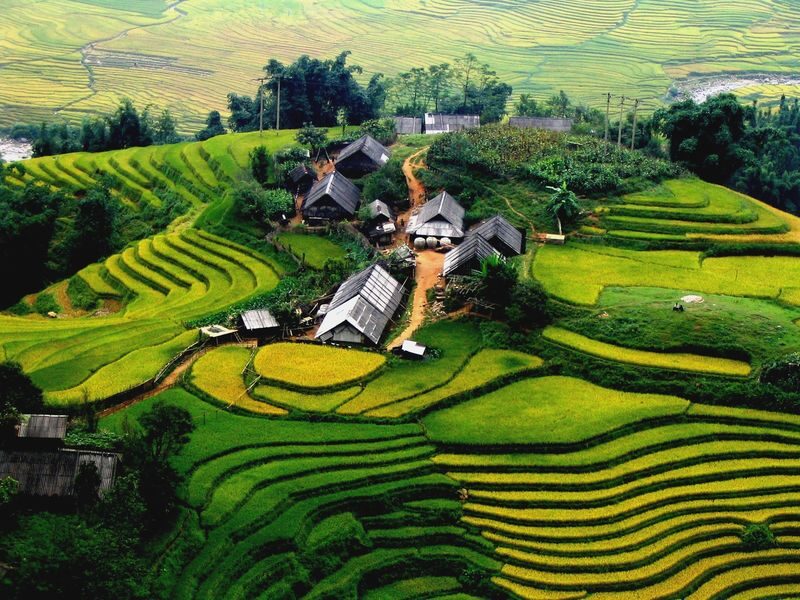
Trek Sapa’s Muong Hoa Valley from Y Linh Ho to Ta Van, with local guides, rice-field views, village stops, and lunch from $22.35.
Muong Hoa Valley is best understood at walking pace. This small-group trek links Y Linh Ho, Lao Chai, and Ta Van, taking you down from Sapa’s high ground toward rice terraces and villages where daily life is close to the trail. I like the chance to see the valley from within, and I like that guides such as Su, Zi, Chang, and Cat bring local customs into the walk rather than leaving you to guess what you’re seeing.
The main trade-off is physical: mud, uneven paths, and long downhill sections can make this more than a casual stroll, especially after rain. There may also be local sellers along the way, and the first part of the walk can include time near traffic.
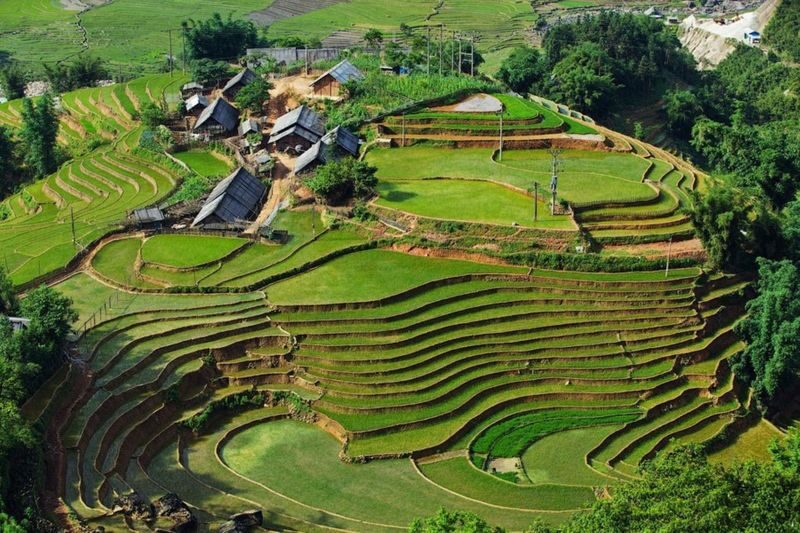
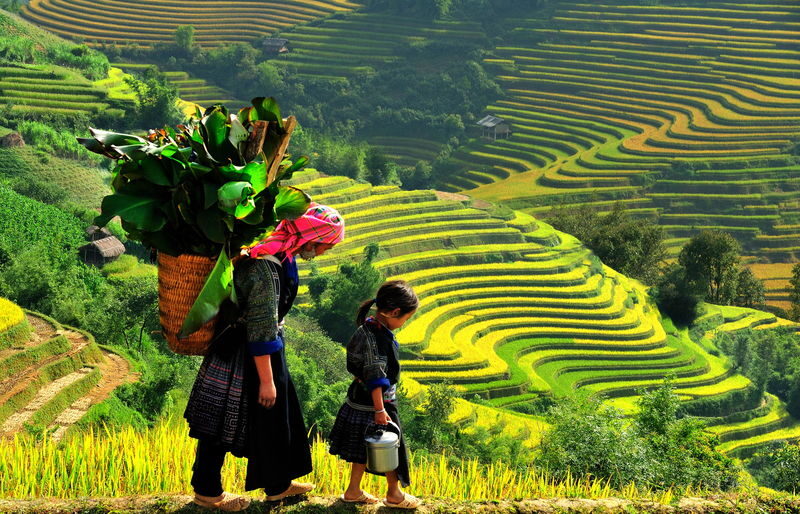
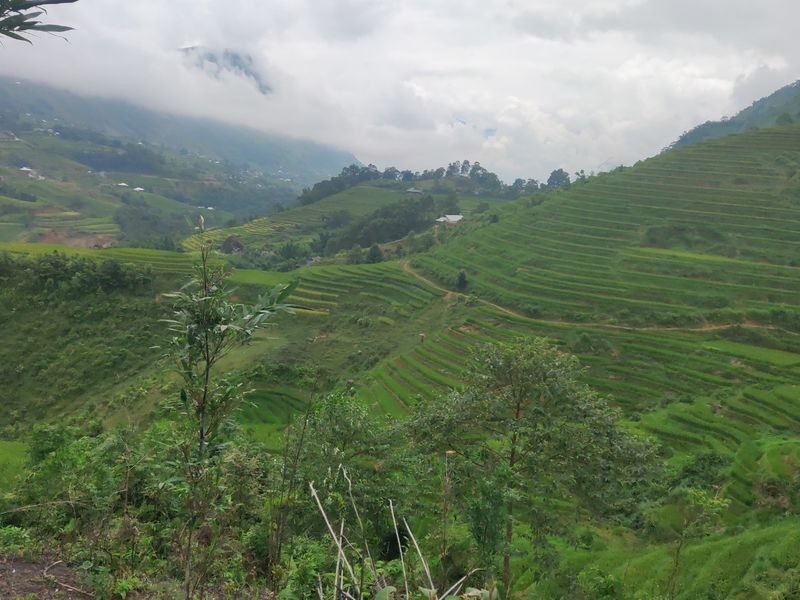
Sapa’s town center is not the point of this trip. The appeal lies below it, where the slopes open into Muong Hoa Valley and paths lead between rice fields and settlements. You get more than a distant photo stop: walking the route puts you close to the shape of the terraces, the steepness of the hills, and the ordinary movement of village life.
The named route runs through Y Linh Ho, Lao Chai, and Ta Van. These are not simply three boxes to tick. Moving between them gives the day its rhythm: open views across the valley, stretches of narrow trail, and moments when the guide can explain local customs or point out details you might otherwise pass.
I would book this for the walking and the setting, not for a promise of untouched wilderness. The trails are shared with local people and other visitors, and some sections can feel busy. That is part of the reality of a popular valley route, but it also means you should go with an open mind and a respectful approach.
Outdoor enthusiasts can explore more Sapa trails with these hiking options
The walk begins with the approach toward the valley’s trails. One account describes an initial walk of about 30 minutes near heavy traffic before reaching the more appealing walking path. That may not be the prettiest start, and it is worth keeping in mind if you expect to step straight into quiet countryside.
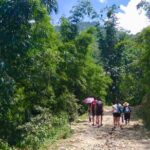
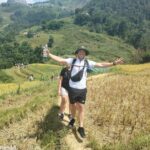
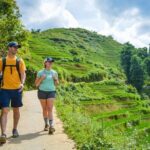
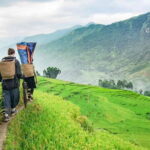
Once you reach the valley paths, the scenery takes over. Expect views across rice terraces and hills, with the route changing underfoot as it moves along slopes and through village areas. The amount of walking is significant for a half-day outing, so do not treat the word tour as a promise of an easy, mostly seated visit.
The route’s difficulty depends on conditions and your own fitness. Some people find it manageable at a steady pace, while others find the descents tough on knees or stamina. If you walk slowly, tell your guide early. Guides such as Chang and Zi have been noted for keeping track of different paces and making sure the group stays together.
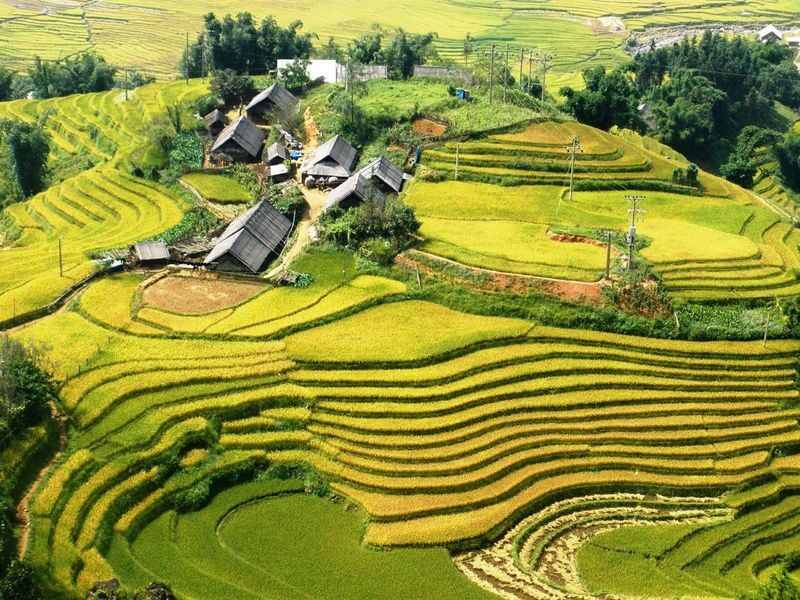
Lao Chai is one of the places where the valley feels less like a postcard and more like a lived-in place. You pass through village surroundings and get time to observe the relationship between the settlements, fields, and steep terrain. A guide can add useful context about local customs and the communities in the area, which makes the scenery easier to read.
The trails are not uniformly smooth. You may cross uneven ground or descend narrow, rugged sections, and rain can turn dirt into slippery mud. Local women sometimes walk alongside groups and offer a hand on rough paths. Their help can be welcome, but they may also offer handicrafts for sale later, so be ready to say no politely if you do not want to buy.
This is a good point to slow down and look around rather than trying to keep a fast pace for photos. Guides including Su and Cat have been praised for explaining local culture in accessible English, while other guides are noted for answering questions and helping the group over difficult ground. Your specific guide will vary, but local explanation is a central part of what makes a guided trek more meaningful than simply following a trail.

Ta Van is the final named village on the route. Reaching it on foot gives the trek a sense of progression: you have crossed the valley rather than viewed it from one overlook. The experience is less about a single grand monument and more about the combined impression of paths, terraces, village scenes, and the people who live in the area.
The route is also a chance to learn about everyday details. Guides have discussed village customs, traditional clothing, and dyeing methods, among other subjects. That sort of explanation helps you connect what you see to local life, while leaving room to ask questions as you go.
Keep expectations grounded. This is a community area as well as a scenic one, and selling to visitors is part of the experience in some places. A few walkers have found the approaches from local sellers persistent. You can appreciate a friendly interaction without feeling obliged to buy anything; a calm, clear response is usually the simplest way to handle it.
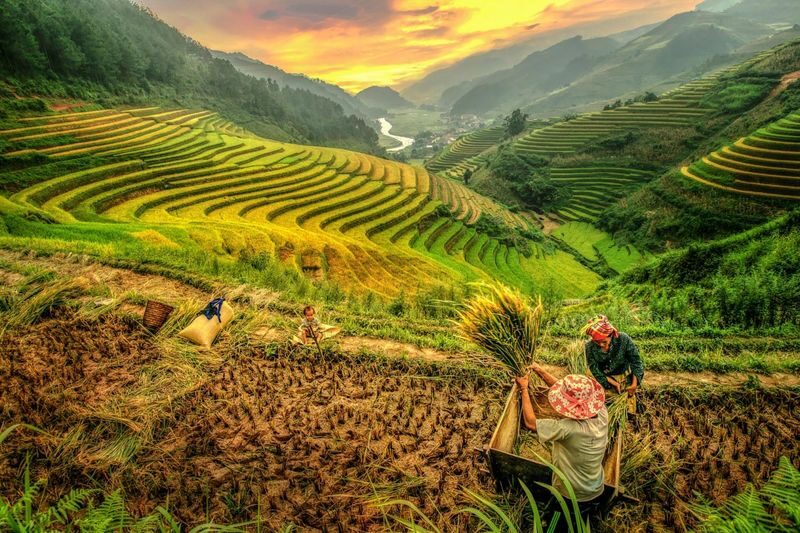
Lunch is commonly included and is a practical part of the outing. The food is described as local, with meals that may include tofu, chicken, and vegetables. Many people find it tasty and a welcome chance to rest after the walk, though meal quality can vary and should not be the sole reason you book.
At a starting price of $22.35, the tour can offer strong value if your package includes the guided route and lunch. You are paying not only for a path through attractive scenery, but also for someone who can explain village life, help you manage the route, and keep the group moving safely. That local guidance is where much of the value lies.
The price is a starting figure, not a guarantee that every departure or package includes the same extras. Check the selected package details before paying, especially if lunch or transport is important to you. The activity is offered by Vietnam Travel Top, whose overall provider rating is listed at 96 percent positive across 3,702 reviews.
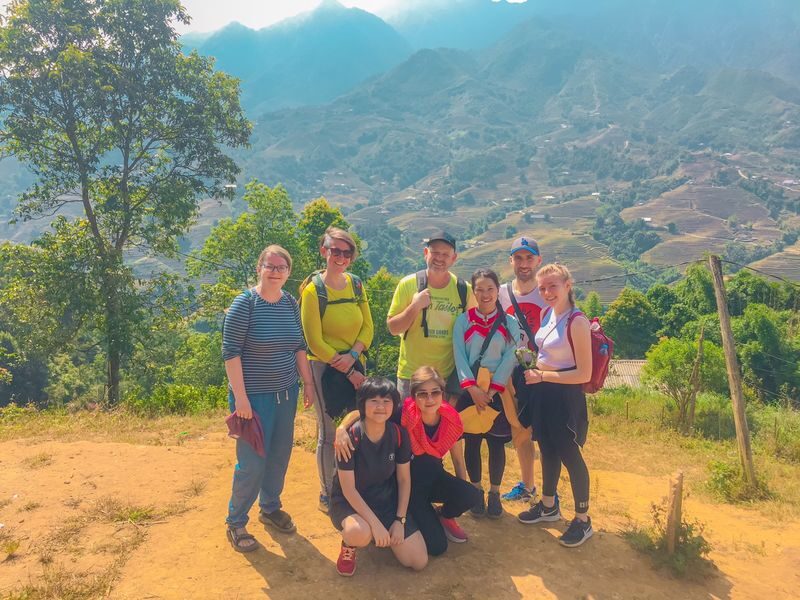
Think easy to moderate only if you are reasonably comfortable walking for several hours. The course is manageable for some people who do not hike regularly, but the uneven footing, uphill and downhill stretches, and total distance can surprise you. One person recorded roughly 18,000 steps, a useful reminder that this is a proper walk.
Downhill sections deserve particular attention. They can be hard on the knees, and wet ground adds a risk of slipping. Wear long trousers and sturdy shoes with grip; hiking boots are a sensible choice if you have them. Ordinary smooth-soled shoes are a poor bet after rain.
You do not need to race. The better guides keep an eye on slower walkers, pause when needed, and help the group negotiate rough sections. Still, be honest about your fitness and any knee trouble before setting out. The group format helps, but it does not remove the physical demands of the route.
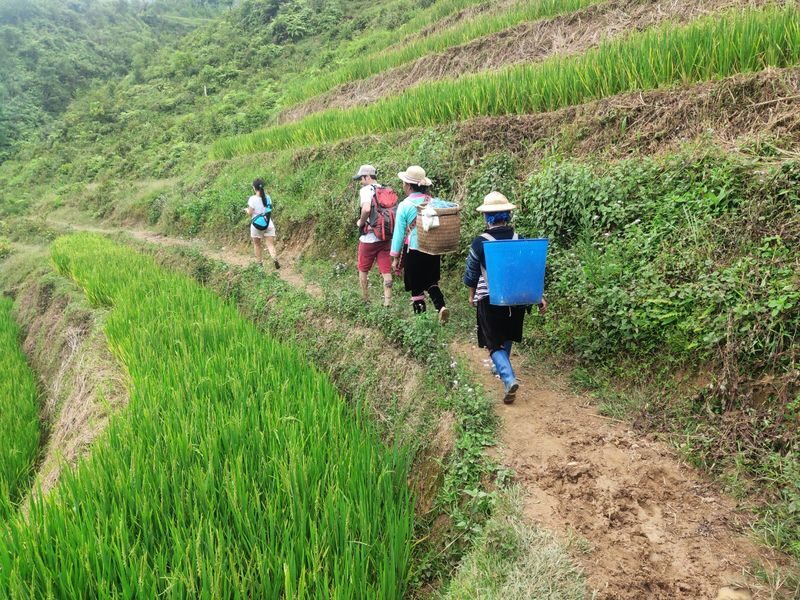
The views change with the season. In October, the rice fields may already have been harvested, but clear weather can still bring broad valley views and pleasant walking conditions. Do not plan around a single photograph of green terraces; the season and weather shape what you will see.
Rain affects the walk more directly than the view. Dirt paths can become muddy and slippery, especially on descents. Take shoes with reliable grip and clothing you can move in, and be prepared for the route to feel slower when the ground is wet.
A few simple choices make the day more comfortable: long pants help on a trail with rough edges, and proper trekking shoes give you better footing. You may want to carry water and any personal items you need for several hours outside, though the exact facilities along the route are not guaranteed. One trekker noted washrooms at three points, but you should not assume every departure has the same stops.
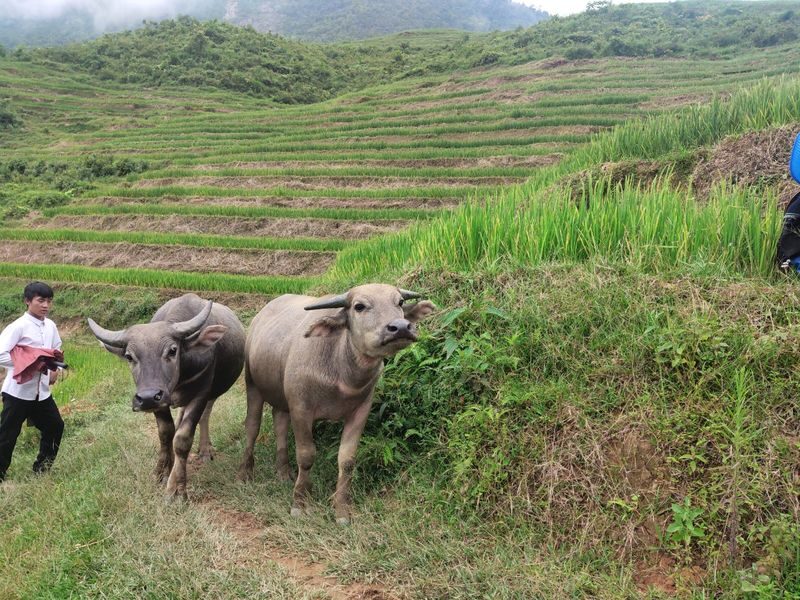
This trek suits you if you want to understand more of Sapa than its town center and are happy to spend much of the day on foot. It works well for solo visitors too, since joining a small group gives you company and a guide without needing to arrange a private walk. It is also a good fit if you like asking questions and hearing local context as you go.
It is less suitable if you need smooth, level paths or want a low-effort outing. The terrain can be rugged, and some downhill sections are tiring. If your knees are sensitive or you are not used to long walks, consider whether you can handle a few hours on uneven ground before booking.
The small-group format is a plus for conversation and safety, but the group still has to move together. There is no stated group-size limit here, so do not assume it will feel like a private guide. The route’s appeal comes from the valley and village experience, not from a tailored pace or exclusive access.
You can book as late as the day before, with instant confirmation offered. Free cancellation is available if you cancel at least 24 hours before the activity date, using the destination’s local time. Check the selected package details for the exact meeting point and departure arrangements.
One departure used Sapa Church as the meeting point, with pickup details sent through WhatsApp in advance. That detail may not apply to every booking, so confirm where and when to meet rather than assuming all departures use the same location.
English-language guiding is a common feature of the experience. Guides such as Zi, Su, Chang, Cat, Pang, Khu, and Mu have led tours, but you cannot choose a particular guide based on the information provided. The best preparation is to arrive ready to walk, wear suitable shoes, and tell the guide if you need a slower pace.
I would book this if your Sapa plans include a real walk through the valley, not just a quick look from above. The three-village route, local explanations, and lunch make it a useful introduction to the area, and the $22.35 starting price is appealing for a guided outing if your package includes the meal.
Skip it, or choose a gentler activity, if mud, steep descents, or a long walk would spoil your day. Bring proper footwear, expect occasional sales approaches, and do not count on every stretch being a quiet trail. If you are ready for those trade-offs, this trek is one of the more direct ways to connect Sapa’s scenery with the villages that give the valley its character.
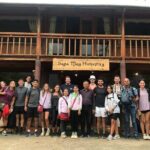
“Our tour guide Zi was very nice! Views were great, and group was really fun!”
The starting price is $22.35. The final price and included items depend on the package you select.
The route is described as passing through Y Linh Ho, Lao Chai, and Ta Van.
Lunch is included in the tour experiences described, and is commonly served at a local restaurant. Check your selected package details to confirm what it covers.
It ranges from easy to moderate for some people, but can be challenging on uneven, steep, or muddy sections. It involves a substantial amount of walking.
Wear sturdy shoes with good grip. Hiking boots are recommended, especially if rain has made the dirt paths slippery.
Yes. The small-group format can make it a comfortable way to take the trek on your own, though no exact group size is specified.
English-speaking guides are described, with several guides noted for clear English explanations. The specific guide can vary.
You can receive a full refund if you cancel at least 24 hours before the activity date, based on destination local time.