Physical Address
304 North Cardinal St.
Dorchester Center, MA 02124
Physical Address
304 North Cardinal St.
Dorchester Center, MA 02124

See Tokyo’s shrine, palace, Asakusa and Skytree in one day, with matcha, an optional lunch and a bay cruise or garden visit.
Tokyo’s appeal is its sharp change of scene: a forested shrine in the morning, the old temple district of Asakusa by midday, then a 350-meter view over the city. This 10-hour coach tour links those sights with a guide, matcha tasting and, when operating, a short Tokyo Bay cruise. I like that it pairs major landmarks with a hands-on matcha stop, and that the air-conditioned bus cuts down on long cross-city transfers.
I also like the practical value of having the Skytree admission and city transport arranged in one day. The trade-off is pace: this is a sampler, not a slow visit, and you should expect plenty of walking. One person counted more than 11,000 steps, so comfortable shoes are a must.
At $122 per person, this is a full-day overview for someone with limited time or little interest in planning a complicated route across Tokyo. You get an English-speaking guide, air-conditioned transport, Wi-Fi on the bus, Skytree’s Tembo Deck entry and matcha. Lunch is included only if you choose that option. The cruise is included when it runs, while Tuesday visits use a garden or museum alternative.
The value comes from fitting distant sights into one day, not from lingering at each one. You’ll see some places in depth and others from the bus window. The tour passes through areas such as Kabukicho, Harajuku, Omotesando, Akihabara, Ueno and Kappabashi, but passing through is not the same as having time to explore them.
If you have several days in Tokyo, I’d use this as an orientation day, then return to the places that catch your interest. If this is your only day, the breadth is the point. A guide can also add useful context to what you see, from shrine customs to the city’s history, and some guides share practical ideas for getting around, shopping and eating after the tour.
The tour uses a deluxe coach between stops, which is welcome in hot, humid or rainy weather. You still need to walk once you arrive. The day is not suitable for people with mobility impairments, and you’re asked to load and unload your own luggage, wheelchairs or stroller.
More ways to experience Tokyo from the water include these boat tours
The day starts at Meiji Shrine, built in honor of Emperor Meiji and set in a large wooded area. It’s a striking change from the city around it. The quiet paths and shrine buildings offer a chance to learn how a Shinto shrine works before the day moves on to Tokyo’s denser streets.
You have about an hour here. That’s enough to see the main grounds and take in the setting, but not a leisurely visit if you like to stop often or explore every corner. One useful thing a good guide can do is explain how to approach the shrine respectfully. Several guides, including Tsubasa, were praised for sharing cultural details and explaining shrine rituals.
After Meiji Shrine, the coach passes Harajuku and Omotesando, then the National Diet Building, Japan’s parliament. This gives you a quick sense of how old and new Tokyo sit close together. These are pass-by sights, so don’t expect time for shopping or a proper look around Harajuku.
The Imperial Palace stop lasts about 30 minutes. Depending on the day’s plan, you’ll visit either the East Garden, with traditional Japanese landscaping, or Niju-bashi Bridge in the Outer Garden. The palace is the current residence of the Imperial family and occupies the former site of Edo Castle, an important link between today’s capital and its earlier history.
This is a brief introduction rather than a full palace visit. The time works well as a pause between the shrine and Asakusa, but it may feel short if gardens are a priority for you. The route and which area you see can change, so treat this stop as a snapshot, not a promise of time in both locations.
On the drive toward Asakusa, the coach passes Akihabara, Ueno and Kappabashi, the street known for kitchen goods such as Japanese dishes, knives and realistic food replicas. These glimpses are useful for planning a return visit. If one of those districts is high on your list, set aside another day to explore it on foot.
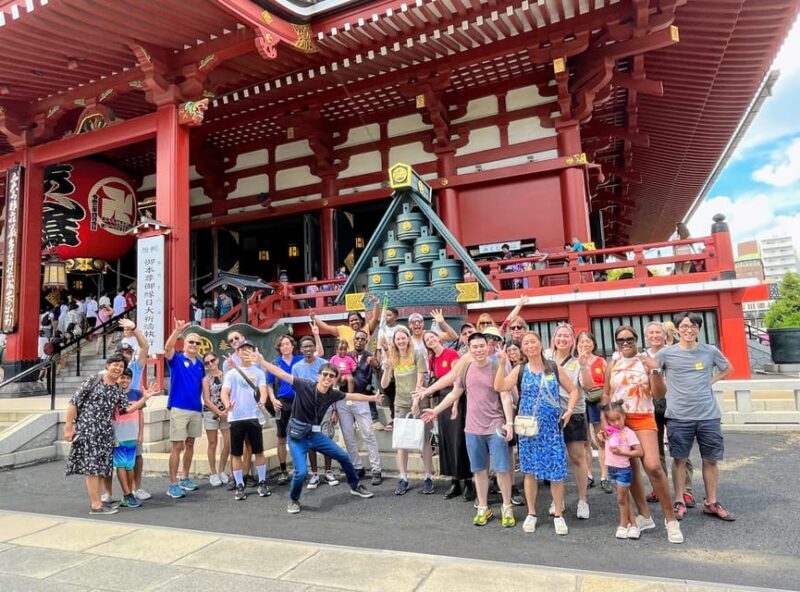
Asakusa is the day’s strongest mix of guided activity and free time. You’ll see Nakamise avenue and the large red lantern at Kaminarimon Gate, then get roughly 30 minutes for the matcha experience, 50 minutes for lunch if you booked it, and about an hour of free time. That hour gives you room to browse, take photos or see more of the area at your own pace.
The matcha uses Ichibancha, or first-flush tea, from Uji in Kyoto. The tasting is described as a less bitter, premium matcha. Depending on the option available, you may also be able to choose sweet matcha gelato or matcha beer. The shop is scheduled to close on May 14, when the experience changes to matcha souvenirs instead.
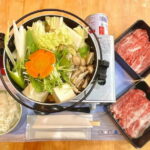
If you add lunch, expect a Japanese pub-style set meal built around karaage, Japanese fried chicken, and tofu made in the shop each day from locally produced soybeans. A soft drink is included. The meal has no pork, seafood, nuts or crustaceans, but the dashi stock contains fish broth, and serious allergies are a reason to book without lunch. Vegetarian and gluten-free meals must be requested when booking. The stated gluten-free meal is grilled chicken, rice and tofu. Muslim-friendly, lactose-free and other allergy-specific meals are not available.
Food quality can be a matter of taste. Some people particularly liked the meal, while one person did not. I’d choose the lunch option if you want an easy, scheduled local meal and have no dietary restrictions that make it unsuitable. If you prefer to pick your own food, or need more control over ingredients, skip it and use the free time to find something that suits you.
More Great Tours Nearby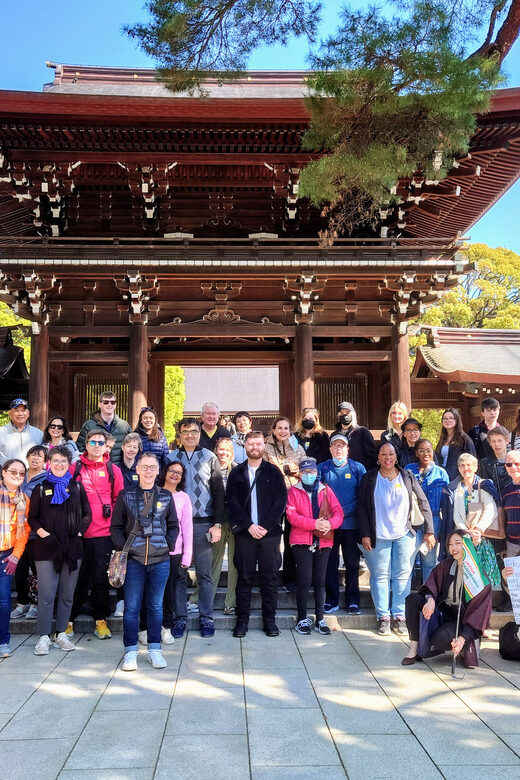
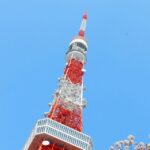
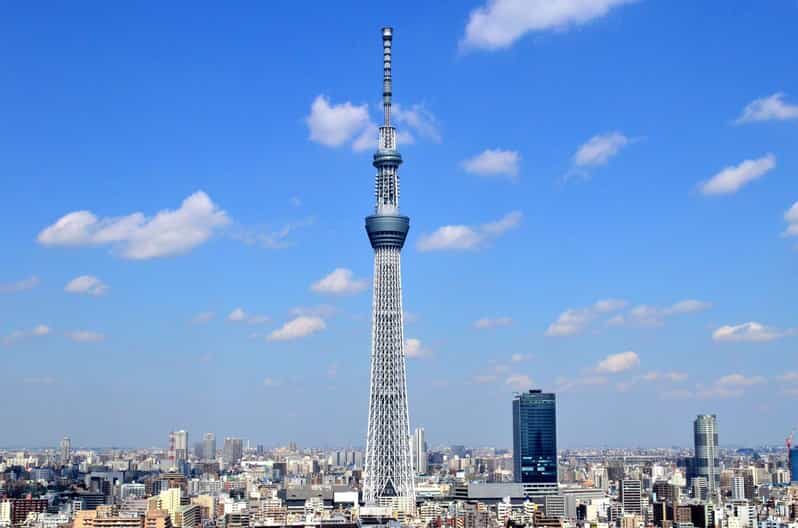
The tour sets aside about 1.5 hours for Tokyo Skytree and Sora-machi, the shopping complex at its base. Admission to the Tembo Deck at 350 meters is included, with skip-the-line entry listed as a benefit. That saves you from arranging the basic ticket yourself, although it does not mean you’ll have the tower to yourself.
The view is the main reason to go up. From the observation deck, you can take in Tokyo from above and get a sense of the city’s scale after a day spent crossing it by road. Clear weather helps, of course, and views can be less satisfying when conditions are poor. You’ll also have some time for the shops below, but the stop is shared between the deck and the complex, so don’t plan on an extended shopping visit.
This is one of the day’s longer stops, and opinions on the timing differ. Some people would trade a little of the tower time for more at Meiji Shrine. If you already have Skytree plans, the balance may feel less ideal. If it’s your first visit, the included entry and dedicated time make this an efficient way to see the tower.
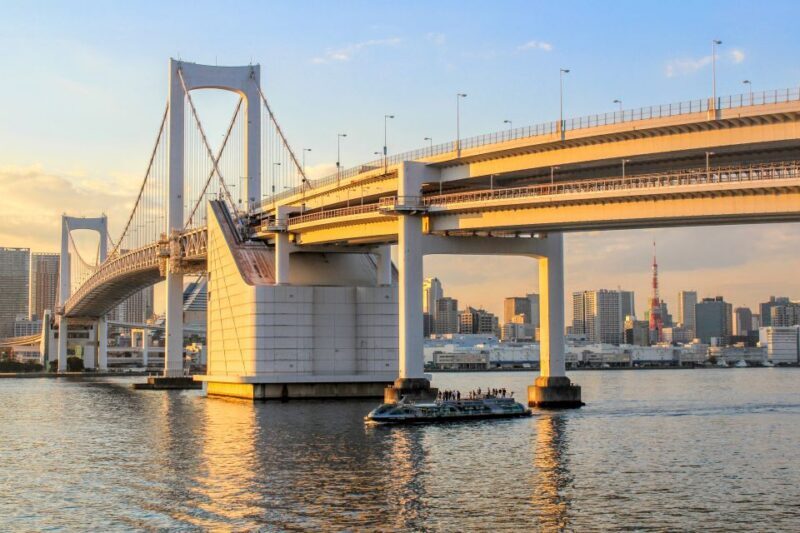
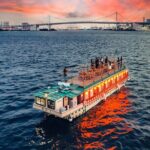
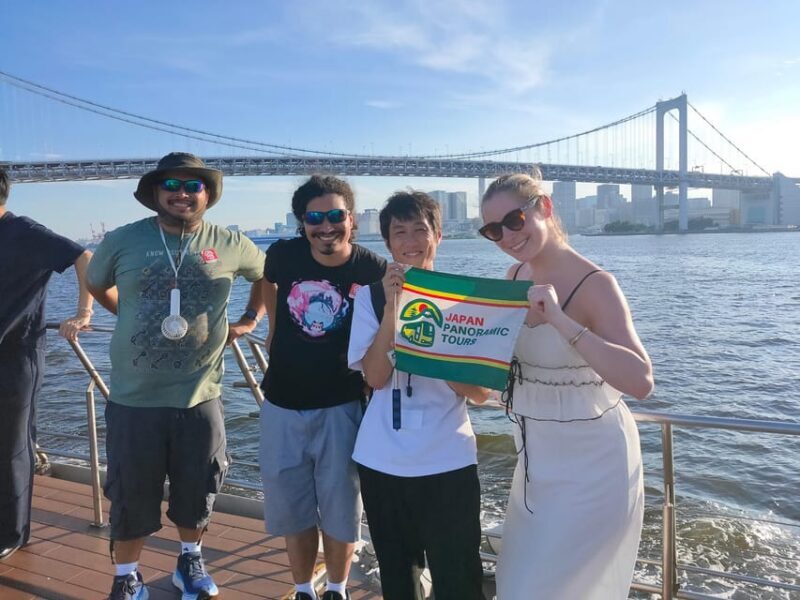
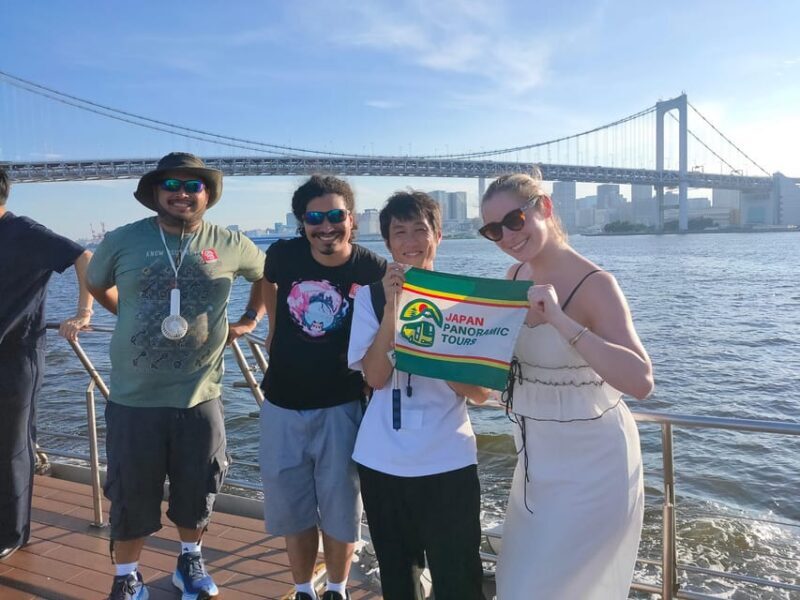
The final activity is a roughly 20-minute Tokyo Bay cruise from the Odaiba area. The boat passes beneath Rainbow Bridge, with city buildings in view from the water. It offers a pleasant change after a long day on the bus and on foot, and a late-day departure can bring softer light as the sun begins to set.
But the cruise is not guaranteed. It does not operate on Tuesday, and high tide or technical maintenance can also prevent it from running. In those cases, the tour visits Hamarikyu Garden or Fukagawa Edo Museum instead. There is no refund when the cruise is replaced, so book for the full day of sights, not for the boat alone.
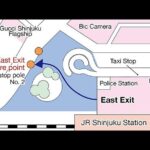
After the activity, the coach returns to Tokyo Mode Gakuen. The listed starting points include Matsuya Ginza and the Love statue in Shinjuku, but the meeting point depends on the option you book. Check your selected departure details carefully, especially if you’re arranging your morning around a particular station.
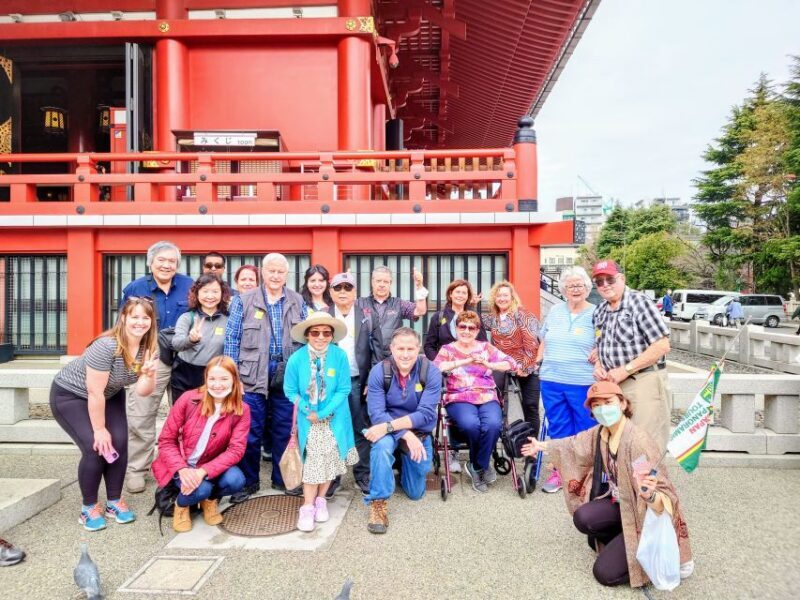
A long list of stops can feel like a checklist without a good guide. Here, the guide’s explanations help connect the landmarks to Japanese culture and daily life. People have singled out guides such as Aya, Sora, Yui, Hiro, Levin, Lisa and Tsubasa for clear explanations, humor, patience and practical tips. Your guide will vary, but the live commentary is in English.
Headsets with audio guides are available in Spanish, French, Italian, German, Portuguese and Ukrainian. That can help if someone in your group would rather listen in another language, though the live guide is English-speaking.
The coach is more than a way to get from one stop to the next. Tokyo’s sights are spread out, and the bus lets you see several districts without repeatedly working out transfers. The air conditioning is a real comfort on hot days, and Wi-Fi is listed as included. Still, expect to step off and walk at each major stop. The route covers a lot, and a smooth ride does not make it a low-effort day.
I’d call $122 reasonable if you value transport, an English-speaking guide and Skytree admission, and want a structured day that covers several parts of the city. Matcha is included, and lunch is available as an add-on. The cruise is part of the experience when it operates, but the Tuesday garden or museum alternative has no refund, so don’t count the boat as guaranteed value.
The biggest saving is time and planning effort. On your own, you’d need to arrange transport between the shrine, palace, Asakusa, Skytree and Odaiba, then manage timing at each stop. The coach turns that into one guided route. The cost is less compelling if you already know the city, prefer slow visits or would rather spend a full day in one or two districts.
Plan for a packed schedule and substantial walking. Wear comfortable shoes, bring what you need for the weather, and be ready for the itinerary order to change because of traffic, weather or operating conditions. If you have special dietary needs, choose your meal option in advance or book without lunch. The tour offers free cancellation up to 24 hours ahead, and reserve-now, pay-later booking is available.
Book it if you have one day to get your bearings, want a guide to explain what you’re seeing, and like the convenience of a coach linking old Tokyo, modern landmarks and a bay-side finish. It’s especially useful for a first visit, and the combination of Meiji Shrine, Asakusa and Skytree gives you a good cross-section of the city.
Skip it if you want long, unhurried time at each stop, have mobility limitations, or mainly want the cruise. The best way to think of this tour is as a well-organized introduction, not a substitute for exploring Tokyo at your own pace.
“It was a great day tour with Aya today. I really enjoyed discovering the city through her guidance. She was well prepared, organized, and knew exac…”
The tour lasts about 10 hours. Traffic, weather and operational needs can affect the order of stops.
The live tour guide speaks English. Audio guides are available in Spanish, French, Italian, German, Portuguese and Ukrainian.
Pickup is listed from Matsuya Ginza or the Love statue in Shinjuku. The meeting point depends on the option you book, so check your confirmation for the exact location.
Lunch is included only if you select that option. It is a set meal with Japanese fried chicken, tofu and a soft drink.
Yes. You need to state the number of vegetarian or gluten-free meals when booking. The gluten-free meal is grilled chicken, rice and tofu.
The meal contains dashi stock made with fish broth. Muslim-friendly, lactose-free and other allergy-specific meals are not available. If you have a serious allergy, book without lunch.
No. The cruise does not run on Tuesday and may be replaced by a visit to Hamarikyu Garden or Fukagawa Edo Museum because of high tide or technical maintenance. No refund is given for this change.
No. The activity is listed as unsuitable for people with mobility impairments, and you should expect substantial walking.
Bring comfortable shoes. You’ll walk at several stops during this full-day tour.
You can check availability for your dates here: