Physical Address
304 North Cardinal St.
Dorchester Center, MA 02124
Physical Address
304 North Cardinal St.
Dorchester Center, MA 02124

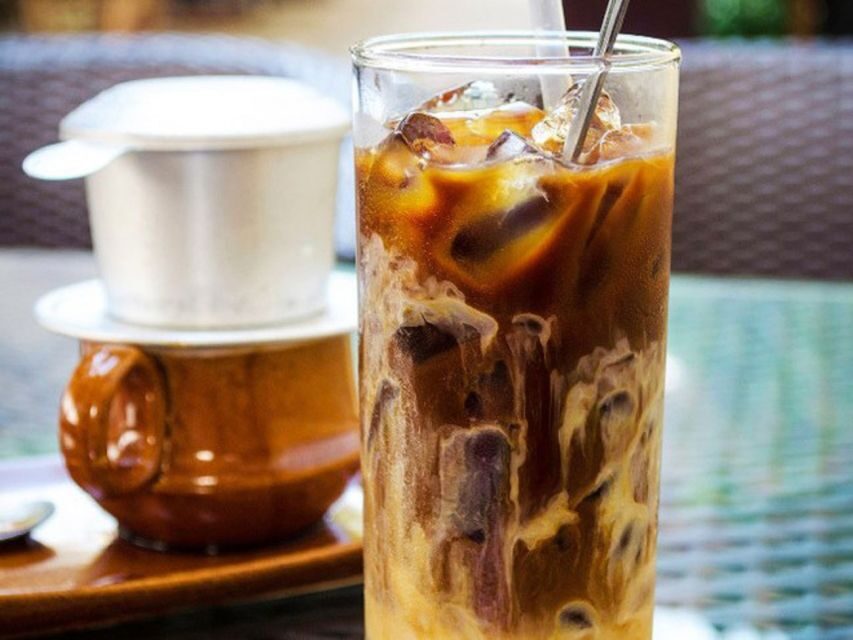
Make five Vietnamese coffee styles in a two-hour Hoi An class, with local stories, a Phin demonstration, recipes and plenty to taste.
Vietnamese coffee is more than a strong brew with condensed milk. In this two-hour Hoi An workshop, you trace its path from crop to cup, then make a set of regional styles yourself, from Hanoi egg coffee to Hue salt coffee. The class is hands-on, sociable and built around tasting what you prepare.
I like two things especially: the local stories give the recipes context, and the practical Phin filter lesson gives you a way to recreate Vietnamese coffee at home. Tan and Le help keep the session relaxed, with a family-run feel and plenty of humor.
One consideration: the class serves a lot of coffee. Eat first if caffeine hits you hard, and consider booking earlier in the day if you want to protect your sleep.
The session starts with a cup of herbal tea, a gentle way to settle in before the caffeine parade begins. You meet the instructor and hear about coffee in Vietnam, including its arrival and its place in local café culture.
That context helps make the recipes more than a novelty tasting. Instead of treating egg, salt and coconut coffee as a checklist, you get a sense of how Vietnamese coffee habits have developed and why local styles vary. The workshop also connects the drink to the people behind it: the business is family-run, and the coffee base is described as coming from the family’s own coffee operation, with a grandfather’s farm part of its story.
The room is decorated with silk lanterns, and the meeting point is marked with a Coffee Making Workshop sign. The setting sounds comfortable rather than formal, with music as part of the atmosphere. You are there to learn and have a laugh, not to sit through a lecture.
That balance matters. In a two-hour class, too much background can leave little time to do anything yourself. Here, the stories lead into demonstrations and tasting, so the cultural detail has a clear connection to what you are making.
You can check availability for your dates here: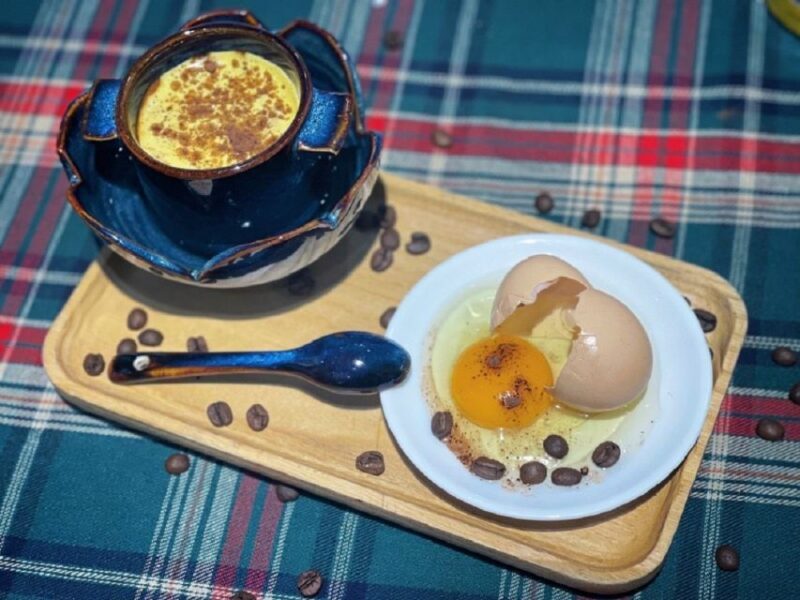
A central lesson is the Phin, a small metal filter used to brew Vietnamese coffee. The instructor explains how local coffee is prepared and why a dark roast works well with sweetened condensed milk. You then get a chance to handle the tools and take part in the process rather than just watch someone else make a cup.
The Phin is worth learning because it is a simple, distinct piece of equipment that you can use to reproduce the style at home. The class frames brewing as a sequence, from coffee crop and roasting to the final drink. That gives you more than a recipe: you learn which parts of the method shape the taste.
The workshop is not presented as a farm visit or a full roasting demonstration. The crop-to-cup element is explained by your guide, while the practical focus is on brewing and mixing the drinks. If you are hoping to see coffee being grown or roasted in person, this is not that sort of tour.
Still, a clear explanation of roasting and brewing helps you understand why Vietnamese coffee can taste so bold and why condensed milk is such a natural pairing. You can ask questions as you go, and the group size of up to 10 should make the hands-on portions easier to follow than in a much larger class.
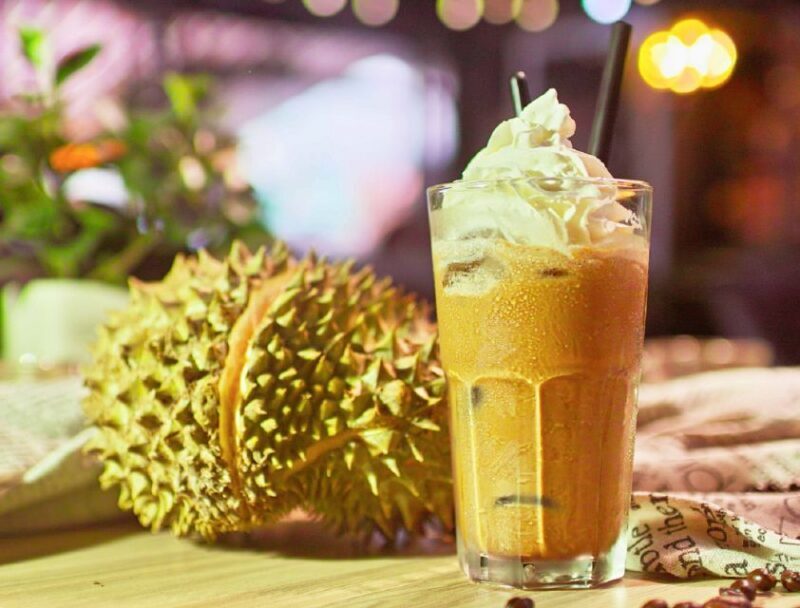
The named lineup covers black coffee, happy white coffee, Hue Imperial salt coffee, coconut coffee and Hanoi capital egg coffee. The class information is slightly inconsistent: its short summary says four styles, while the detailed list names five. The more detailed lineup, and the way the session is described, point to five drinks.
Each one gives you a different way to work with the same basic coffee. You prepare the drinks with guidance, then taste what you have made. The process makes the distinctions easier to remember than simply ordering unfamiliar names from a café menu.
The black coffee gives you a chance to focus on the brew itself. The white version introduces the pairing with condensed milk, while the salt, coconut and egg styles show how a familiar coffee base can be adapted into distinct local favorites. The class describes the salt version as Hue Imperial and the egg version as Hanoi’s, linking each drink with a place as well as a recipe.
The egg coffee is a highlight for many people, and learning how it is made can also help explain why it may take longer to arrive when you order it in a café. The workshop does not just hand you a finished cup; you get to see and try the steps behind it. That makes this a useful class even if you have already sampled Vietnamese coffee on your own.
Expect to drink a fair amount over the session. Five tastings add up, especially if you are not used to strong coffee. Have a meal beforehand if you are caffeine-sensitive, and pace yourself rather than feeling obliged to finish every cup.
The instructors’ humor is a big part of the format. Tan and Le are named as hosts, and the class is described as being run by a family team. Their approach seems designed to keep people talking and participating, which suits a small group better than a stiff, demonstration-only lesson.
You may also meet other visitors around the worktables. That social side can make the time pass quickly, but it means the class is not a quiet, private tasting. If you prefer a silent, technical session focused only on coffee variables, the light banter and music may not be your style.
The English- and Vietnamese-speaking instructor makes the activity accessible to a broad range of participants, and an English audio guide is included. The class is listed as wheelchair accessible. If you need specific access arrangements, it is sensible to confirm details before booking, since the supplied information does not describe the room layout.
At the end, you enjoy your coffee with a cookie in the comfortable workshop setting. The included herbal tea and cookie add a little breathing room around a session that otherwise moves through several coffee preparations. Bring a camera if you want photos of the process or your finished drinks.
Recipes are shared so you can try the drinks again after the class. That is one of the strongest practical reasons to book: the experience does not end when you leave the workshop, and you can use the instructions to revisit the flavors at home.
A Phin is the key piece of equipment to know about. Some class descriptions from participants have mentioned a small filter or gift to take away, but the listed inclusions do not promise a take-home filter. I would treat the recipes as the reliable takeaway and ask the team directly if you are hoping to buy or receive a Phin.
The workshop can also give you a better way to order coffee during the rest of your time in Hoi An. Once you know the difference between black, white, egg, salt and coconut styles, café menus become more legible. You can choose with a little more purpose than pointing at a name and hoping for the best.
If you want coffee to bring home, the family operation is associated with the coffee used in the class, and buying some after the session is an option mentioned by participants. It is not listed as part of the $14 price, so treat any purchase as an extra rather than a promised inclusion.
More Great Tours Nearby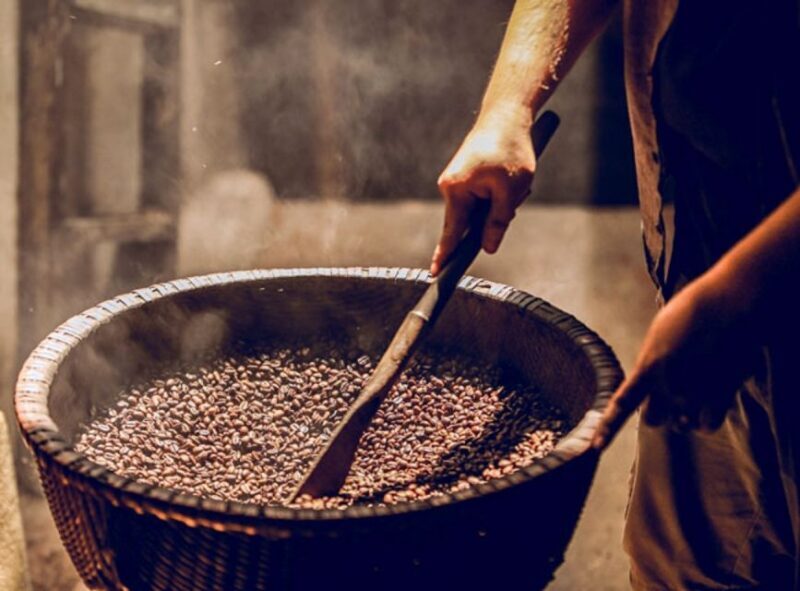
At $14 per person, the price covers the two-hour class, ingredients, tools, coffee, Vietnamese tea, cookies and a local guide. You also get hands-on practice with several recipes and an explanation of the brewing method. That is a solid amount of activity for a modest cost, especially if you are curious about coffee and prefer learning by doing.
The value is less compelling if you do not drink coffee or mainly want a quick café stop. This is a tasting class, not just a demonstration, and the caffeine builds across the session. Non-coffee drinkers may still enjoy the cultural stories and group atmosphere, but the central activity is making and drinking coffee.
Hotel pickup and drop-off are not included. You need to get yourself to the silk-lantern workshop, where a sign identifies the meeting point. The activity lasts two hours, with available start times depending on the date you choose.
The group is capped at 10 participants, a useful limit for a class where you need to see demonstrations and handle the tools. Booking is flexible, with reserve-now, pay-later availability and free cancellation up to 24 hours before the activity. People over 95 are not considered suitable for the experience.
I would put this class high on the list for coffee lovers, curious cooks and anyone who wants an activity that feels more local than another walk past the same shopfronts. It works well if you like learning a practical skill while hearing stories from the people who run the business.
It also suits couples, friends and solo visitors who enjoy a friendly group setting. The small cap makes it easier to take part, while the instructors’ playful style keeps the lesson from feeling like school. Families with older children may find the activity appealing, though the supplied information does not give a minimum age.
Think twice if you avoid caffeine, need a very quiet activity, or are seeking a farm tour with a close look at growing and roasting. The class explains the crop-to-cup process, but its main work happens around the brewing table.
For most people who enjoy coffee, the combination of history, technique and tasting makes the price worthwhile. Book it if you want to understand what is in your cup and leave with recipes you can use. If you are caffeine-sensitive, eat first and choose a start time that suits you.
“A must do activity! It was so informative and we laughed so much thanks to the host!”
The activity lasts two hours.
The listed price is $14 per person.
The detailed lineup names five: black coffee, happy white coffee, Hue Imperial salt coffee, coconut coffee and Hanoi capital egg coffee. One short description says four styles, so the information is inconsistent.
Coffee, Vietnamese tea, ingredients, tools and cookies are included. Hotel pickup and drop-off are not included.
The instructor speaks English and Vietnamese. An English audio guide is also included.
The class involves tasting several coffees, so it may be a lot if you are sensitive to caffeine. Eating beforehand is a sensible precaution.
The activity is listed as wheelchair accessible.
You can cancel up to 24 hours in advance for a full refund.
You can check availability for your dates here: