Physical Address
304 North Cardinal St.
Dorchester Center, MA 02124
Physical Address
304 North Cardinal St.
Dorchester Center, MA 02124

Plan a Forbidden City visit with practical ticket advice, route tips, gallery options, guide choices, and a clear-eyed look at booking risks.
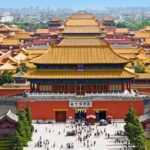
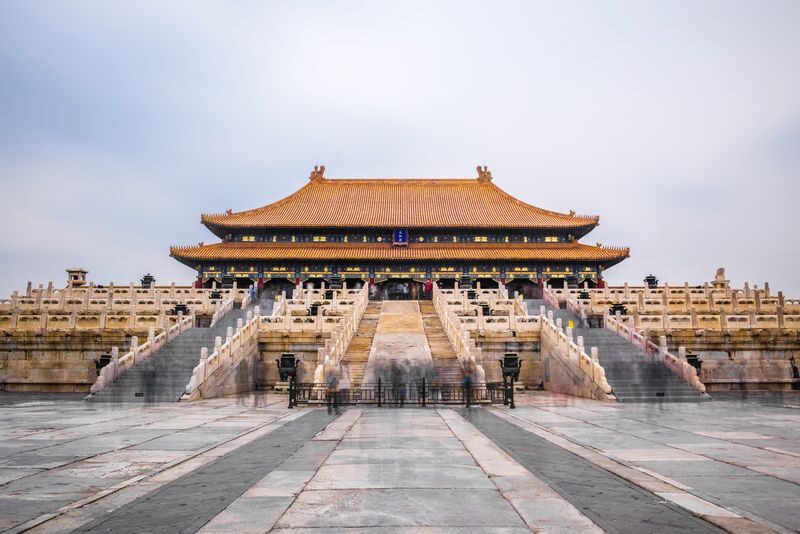
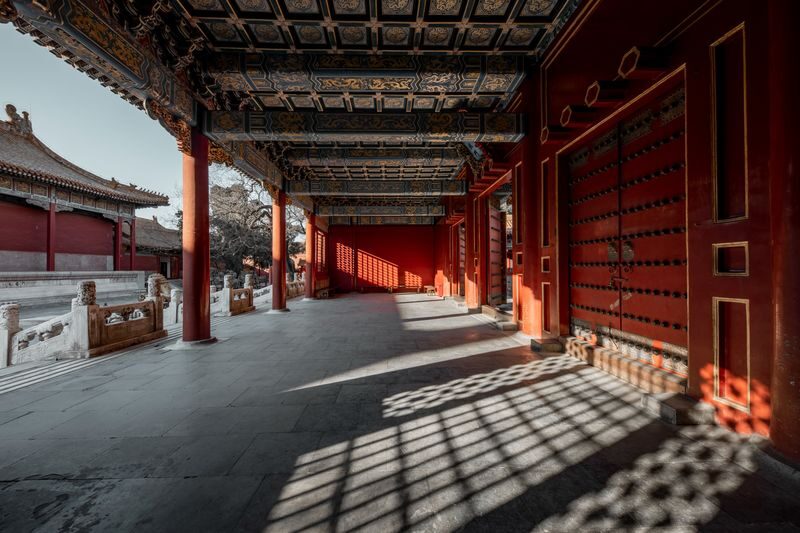
The Forbidden City is a palace city, not a single grand building. Pass through Meridian Gate and you’ll find broad ceremonial courts, intricate wooden halls, and a route that leads north through the former home of 24 Ming and Qing emperors. I like that the scale is real: even the walk between major halls helps you grasp how power and ceremony shaped this place.
I also like the choice between a simple entry ticket and add-ons such as the Treasure Gallery, Clock and Watch Gallery, or a guided tour. Guides including Peter, Bob, Maggie, and Song Song are praised for clear stories and patient pacing. The main catch is ticket uncertainty: sales open only seven days ahead, and an advance request is not a guaranteed ticket.
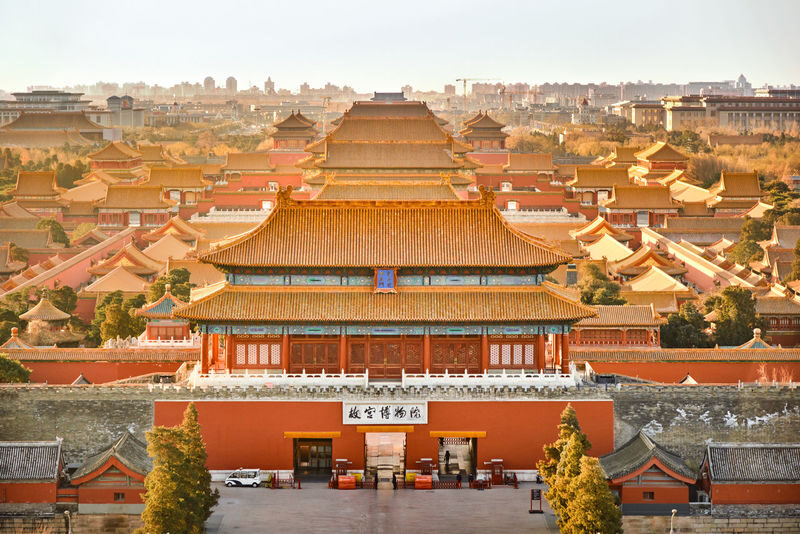
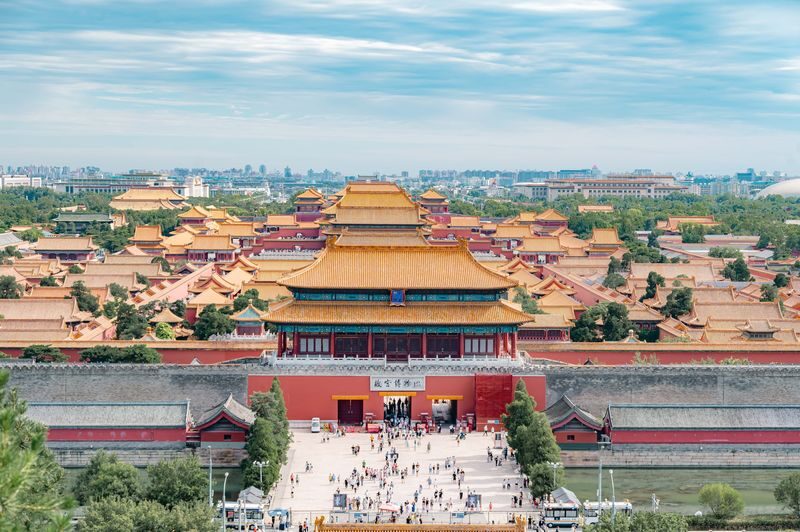
The Forbidden City served as the imperial palace for 24 emperors of the Ming and Qing dynasties. It was also the setting for state ceremonies and the daily life of emperors and empresses. That mix of public ritual and private residence gives the complex its particular force: the huge courtyards feel designed to impress, while the buildings and collections hint at the lives carried on behind them.
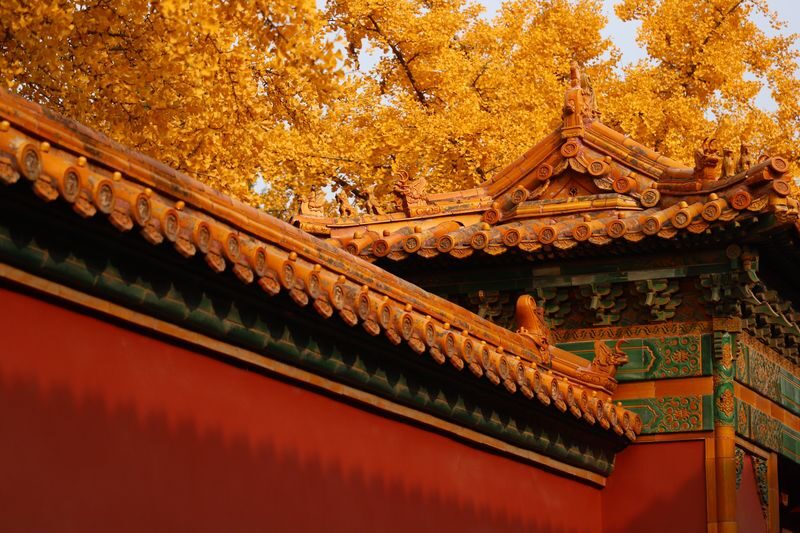
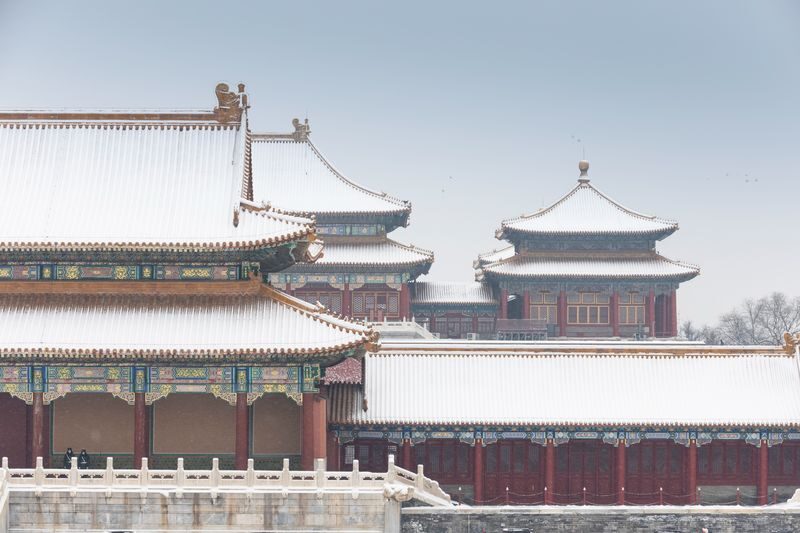
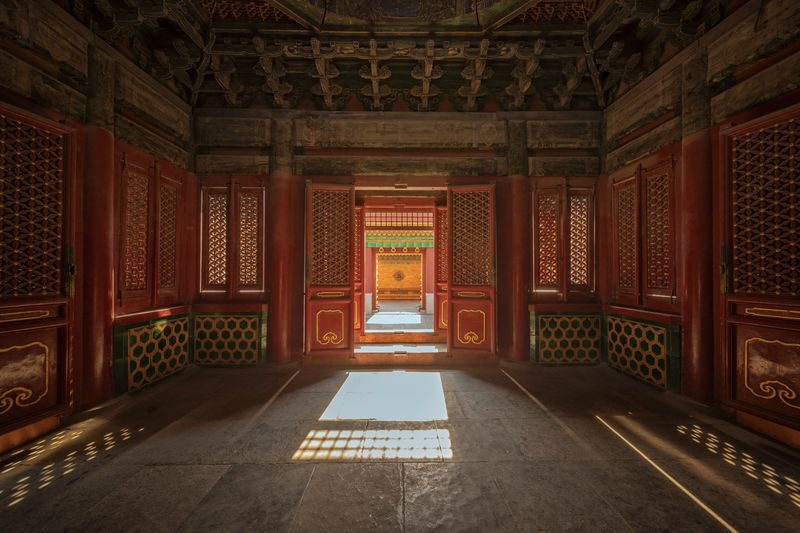
Its wooden architecture is a central part of the appeal. The site is among the largest and best-preserved ancient wooden architectural complexes in the world, and its broad layout makes the scale easy to see. You don’t need to know every dynasty or architectural term to appreciate the order of the place. Walk from one court to the next and the changing scale, color, and form tell their own story.
The Palace Museum also holds a major collection of cultural relics, including art and objects associated with China’s imperial past. Some halls house specialized exhibitions, such as painting, ceramics, the Four Treasures of the Study, and Qing court artifacts. The displays can turn a walk through monumental buildings into a more personal encounter with objects once used, valued, or collected at court.
You might also be interested in these Beijing experiences
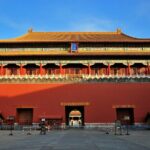
Your visit begins at Meridian Gate, the only entrance. The route proceeds north through the palace complex, with exits at Shenwu Gate and Donghua Gate. This one-way arrangement matters when you plan your day: you cannot simply return to the south entrance to retrieve a bag or meet someone there.
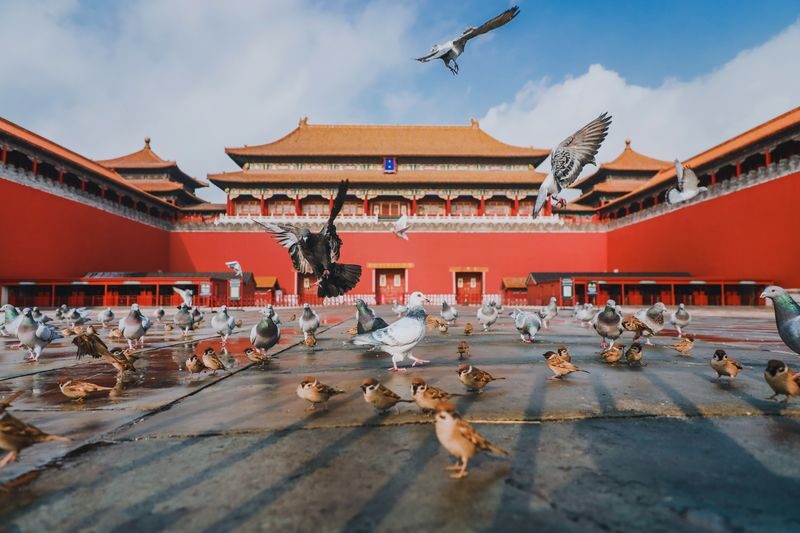
The southern courts are the grand opening act. Their broad open spaces and formal arrangement make it clear that the palace was built for ceremony as much as for residence. Expect long sightlines and impressive halls, but also crowds, especially around the middle of the day. If you want room to pause and take in the buildings, aim to avoid the 10:00 AM to 1:00 PM peak period when your schedule allows.
As you continue north, the route shifts through further palace courtyards and buildings. The pleasure is not only in reaching a famous hall; it is in seeing how each court relates to the next. Give yourself time to look beyond the main axis. The full complex is vast, and rushing from one landmark to another can make it feel like a sequence of photo stops rather than a place with a carefully planned layout.
The walk ends at one of the northern or eastern exits. Shenwu Gate is also the point where stored luggage is transferred for collection if you left it at Meridian Gate. The route is long enough that comfortable shoes and a realistic pace will serve you better than an overpacked schedule.
A ticket lets you explore at your own pace, but it does not explain why the courtyards are arranged as they are or what separates one palace hall from another. If you want that context, a guided option can make the route easier to follow. English and bilingual tours are available, as are Chinese-language tours, with some packages pairing the palace visit with Jingshan Park.
The strongest guided experiences bring the site’s history down to human scale. Peter is associated with English and bilingual tours, and his explanations cover the main points of interest, with time for questions and photographs. Bob leads morning tours and is praised for clear explanations and a pace that works for older visitors. Maggie’s tours are noted for personal attention and for helping groups keep moving when queues cause delays. Song Song leads Chinese-language tours, including a three-hour in-depth option.
Guided tours do involve a trade-off: you follow a group’s schedule rather than choosing every stop yourself. Some tours have spent time waiting while entrance tickets were arranged, and one morning group found its first hour slow. In exchange, you get a route, a person to ask questions, and a narrative that helps the buildings make sense. If you prefer to linger over art or wander quietly, an independent visit may suit you better.
Some afternoon tours include Jingshan Park. This adds a change of pace after the palace route, and the park is a place to finish the outing rather than turn back through the complex. Check the precise package details before booking: a ticket with an English electronic guide is not the same product as a guided tour with a leader.
The basic Palace Museum ticket covers the main museum visit. Several packages add the Treasure Gallery, the Clock and Watch Gallery, or both. These are useful choices if you want to spend time with the palace collections as well as its architecture. Some packages also include an English electronic guide, a guide-led tour, a commemorative seal book, or an afternoon tea set.
The Clock and Watch Gallery has a particular draw: daily clock demonstrations are noted as a highlight. If that is important to you, check the current exhibition and demonstration details before your visit rather than assuming every package or time slot includes the same experience. The Palace Museum’s exhibition page is the place to check what is on.
Prices vary by package. Listed options start around US$11.99 for tickets, while student tickets are listed from US$6.35 and senior tickets from US$7.89. Add-ons and guided options cost more, with some English-language guide packages priced considerably higher. These are starting prices, not a promise that every date or package will be available at that amount.
The basic ticket offers good value if you are comfortable exploring on your own and have prepared a little beforehand. Paying extra for a guide makes more sense if historical context is a priority, you want help navigating the site, or you are interested in a specific gallery. An audio guide can be a middle ground, though it is worth comparing the package price with the option of arranging an audio guide at the venue.
The Palace Museum does not sell same-day tickets. Tickets are released through the official system at 8:00 PM seven days before the visit, and each ticket is valid only for its selected date. A booking request made eight or more days ahead is a pre-sale, not a confirmed admission ticket. The supplier must wait for the official sales window and then try to secure the ticket.
Availability can change quickly, and ticket issuance is not guaranteed. If the selected date is sold out when the official system processes the request, the order may be canceled and refunded. The stated confirmation period is within 48 hours, but the actual confirmation depends on the official ticket release. Keep an eye on your email and contact customer support if a confirmation does not arrive.
Use the same valid identification document for booking and entry. Mainland Chinese visitors use a resident identity card; international visitors use a passport or eligible permanent residence ID. Hong Kong, Macao, and Taiwan visitors have specific travel permits or residence permits accepted. If the information does not match the Palace Museum’s verification system, ticket issuance can fail.
The student option has strict limits. It is for university students aged 18 to 25 on the visit date, excluding adult education and postgraduate students. Eligible students need a student ID or a school letter of introduction. International visitors over 18 are not eligible for the student ticket, so check the rules carefully before choosing the lowest listed fare.
Looking to discover more of Beijing? Consider these other city tour options
The museum opens at 8:30 AM year-round, but closing and last-admission times change with the season. From April 1 to October 31, the Palace Museum stops admitting visitors at 4:00 PM and closes at 5:00 PM. From November 1 to March 31, last admission is 3:30 PM and closing is 4:30 PM. The Treasure Gallery and Clock Gallery stop admitting visitors ten minutes later than the main museum’s last-admission time.
The museum is closed on Mondays except public holidays. Your voucher is valid only for the date shown, and late arrivals or no-shows are not refundable. Allow time for queues and the entrance process, particularly if you have booked a guided package with a meeting point or ticket collection arrangement. The product details can differ, so read your chosen option closely rather than assuming every booking works the same way.
Tiananmen East and Tiananmen West are the listed Metro Line 1 stations for reaching the area. The admission point is the Meridian Gate, also called the South Gate. You must show the ID used for the booking; a voucher alone is not the entry document.
The museum provides free luggage storage, with bags transferred between Meridian Gate and Shenwu Gate. Storage hours are 8:30 AM to 6:00 PM. Lockers are also available inside, and the site is listed as suitable for strollers and wheelchairs. Even with those facilities, the long route and crowds make it sensible to carry only what you need.
For most first-time visits to Beijing, the Forbidden City is worth making time for. The basic ticket gives you access to an exceptional palace complex at a modest starting price, while galleries and guided options let you shape the day around your interests. If architecture and imperial history are your main goals, prepare a route and go independently. If you want the courts and halls explained as you walk, pay extra for a guide, and check whether your package includes the language and sites you expect.
The main risk is not the price, it is securing the ticket. Book with the seven-day sales window in mind, use accurate ID details, and do not treat an early pre-sale request as confirmed admission. Choose this experience if you can be flexible about the booking process and are ready for a long, crowded walk. If certainty matters more than anything, wait for confirmed ticket status before building the rest of your Beijing plans around it.
“It was very easy to book the experience and to find Maggie at the Palace. Then we encounter some difficulties and we ran late (1 hour) because of t…”
Official ticket sales open at 8:00 PM, seven days before the visit date. Requests made earlier are pre-sales and require the ticket to be issued after sales open.
No. The Palace Museum does not sell same-day tickets. Visitors need a real-name reservation.
Bring the same valid ID used for the booking. International visitors can use a passport or foreigner’s permanent residence ID card. Other accepted documents vary by residency.
Enter at Meridian Gate, the South Gate. It is the Forbidden City’s only entrance, and the route runs from south to north.
No. It is closed on Mondays except public holidays. Opening time is 8:30 AM, with last admission and closing times changing by season.
The basic Palace Museum ticket provides admission to the museum. The Treasure Gallery, Clock and Watch Gallery, electronic guides, and guided tours are included only in selected packages.
The student ticket is for eligible university students aged 18 to 25, but international visitors over 18 are not eligible for the student ticket. Eligible students must provide a student ID or school letter of introduction.