Physical Address
304 North Cardinal St.
Dorchester Center, MA 02124
Physical Address
304 North Cardinal St.
Dorchester Center, MA 02124

Visit a family-run coffee farm near Medellín for bean picking, tastings, a Paisa lunch, mountain views, and optional horseback riding.
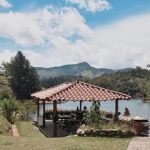
At D’Arrieros Coffee Farm, you do more than watch beans move from tree to cup: you pick them, learn how they are processed, and taste coffee drinks made from parts often left behind. The farm is about 45 minutes from Medellín, so you can get into the countryside and back in a six-hour day.
I like two things in particular: the tasting goes beyond a standard cup of coffee, with tea made from coffee husks and a frappé made with coffee mucilage, and the guides make the farm’s work easy to follow. I also like that a hearty Paisa lunch and hotel-area transport are part of the day, which keeps the outing simple to plan.
The trade-off is the walk. You go up hills and through the plantation, and the route is not suited to wheelchairs or people with limited mobility. Closed-toe shoes are essential, and the optional horseback ride adds another outdoorsy element rather than a rest stop.
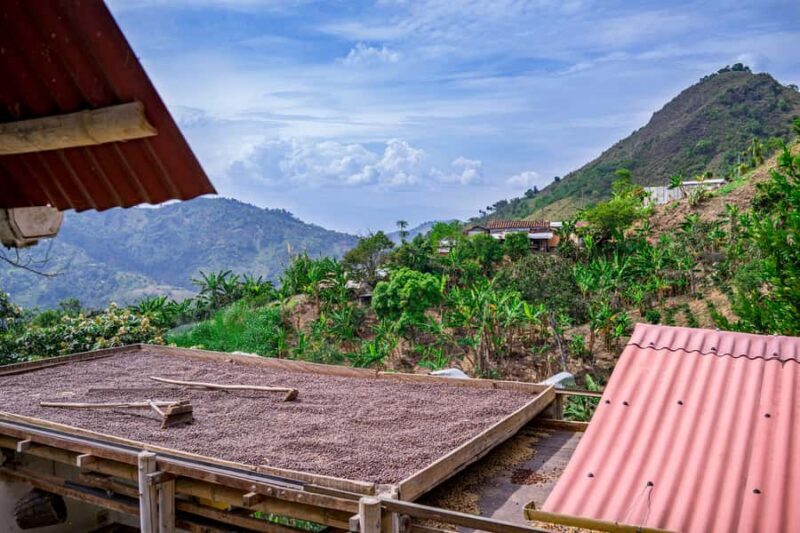
The drive to San Sebastián de Palmitas takes about 45 minutes, a short trip that makes this a practical countryside outing without committing a full day to travel. Pickups are available in El Poblado, Laureles, and Estadio, including directly from hotels and Airbnbs in those areas. If you are staying elsewhere, you can arrange pickup at Poblado Park or pay an additional fee for pickup outside the usual zones.
Pickup times are staggered by neighborhood. In Poblado, expect pickup between 8:40 and 9:00 a.m.; in Laureles, between 9:05 and 9:25; and in Estadio, between 9:15 and 9:35. The schedule allows for several collection points, so build a little flexibility into your morning rather than planning a tight appointment immediately afterward.
The tour lasts about six hours, including transport. At the farm, you spend roughly three and a half hours with a guide, though the day is split between instruction, walking, tasting, lunch, and time to look around. The English and Spanish tours are led in the selected language, rather than making each group wait through a full explanation in both.
Farm guides have included Laura, Lorena, Daniela, Samuel, and David. The guide changes, but the format stays hands-on: expect explanations, jokes, questions, and time to see the coffee process up close. Drivers are a separate part of the outing, and pickup and return transport are included.
Looking for more options in Medellin? Here are some other experiences worth considering.
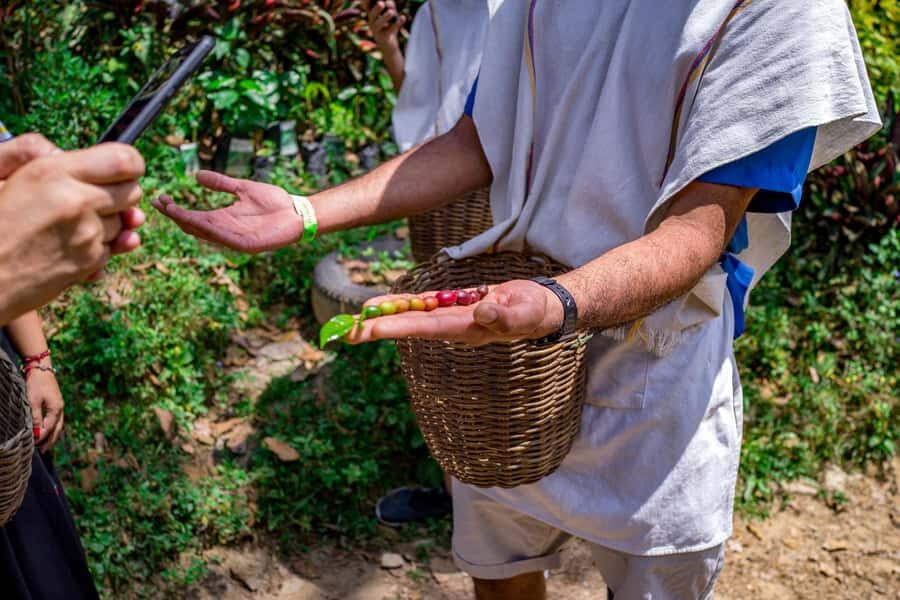
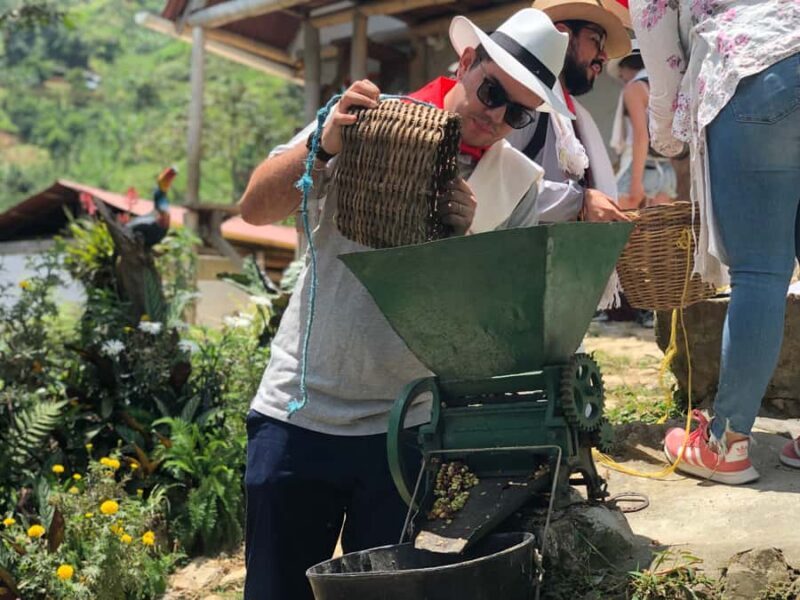
At the farm, you can borrow traditional Paisa clothing for the tour: a hat, poncho, and paruma. The poncho is yours to keep, with the farm’s logo, while the other pieces are loaned for the visit. It is a playful photo opportunity, but it also gives the introduction a local frame: coffee here is tied to rural work and the muleteer traditions of the region.
The clothing is not a substitute for practical gear. The farm route goes uphill and through coffee plots, so wear sturdy, closed-toe shoes with a good grip. The farm advises against shorts and open-toe footwear. Sunscreen and water are worth packing, especially if you are adding the horseback ride or visiting on a warm day.
The walk is described as manageable for people in decent health, but it does include steep sections. If hills are difficult for you, or you use a wheelchair, this is not the right excursion. The experience centers on moving through the plantation, not viewing it all from a flat visitor center.
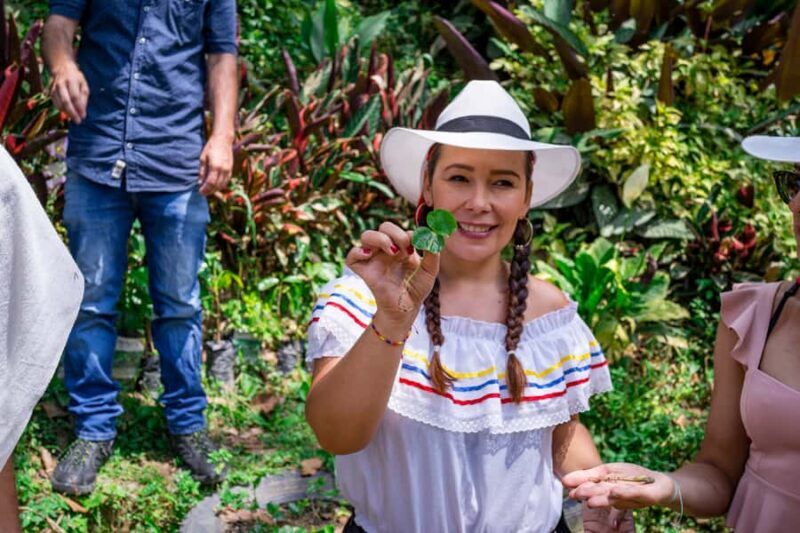
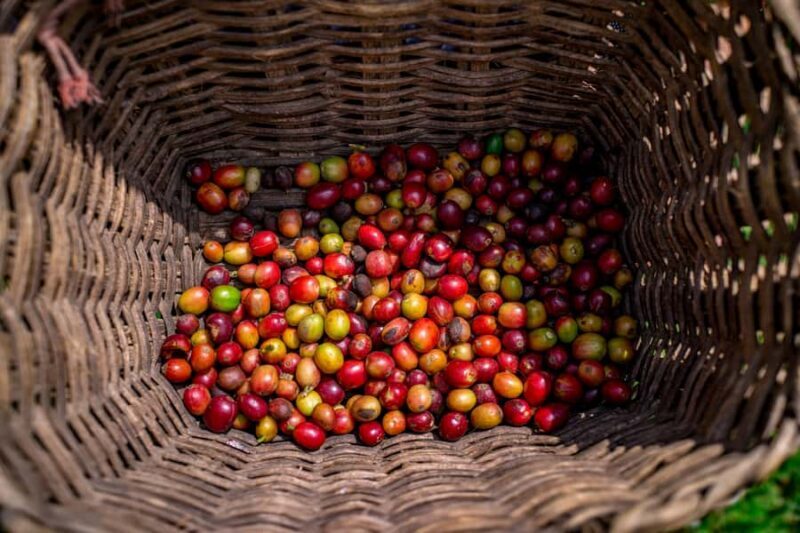
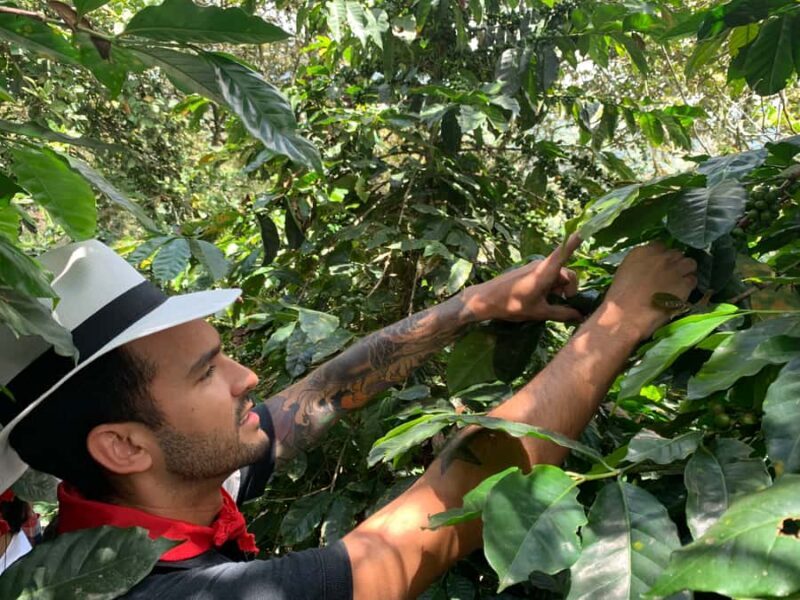
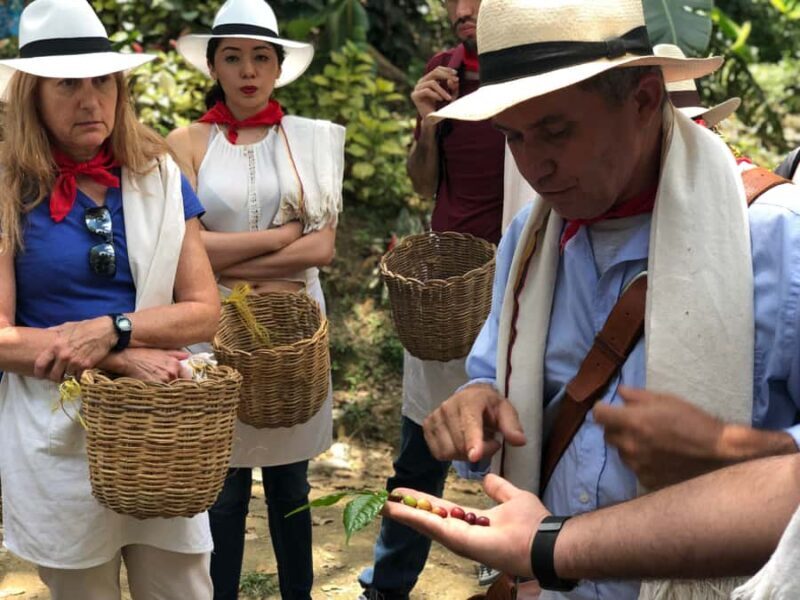
The coffee lesson begins with the crop itself. You learn how coffee reached Colombia and how the farm grows and harvests it, then head into the plantation to pick beans from the trees. That small task gives the rest of the explanation a useful anchor: you see what is being harvested before hearing how it becomes the drink in your cup.
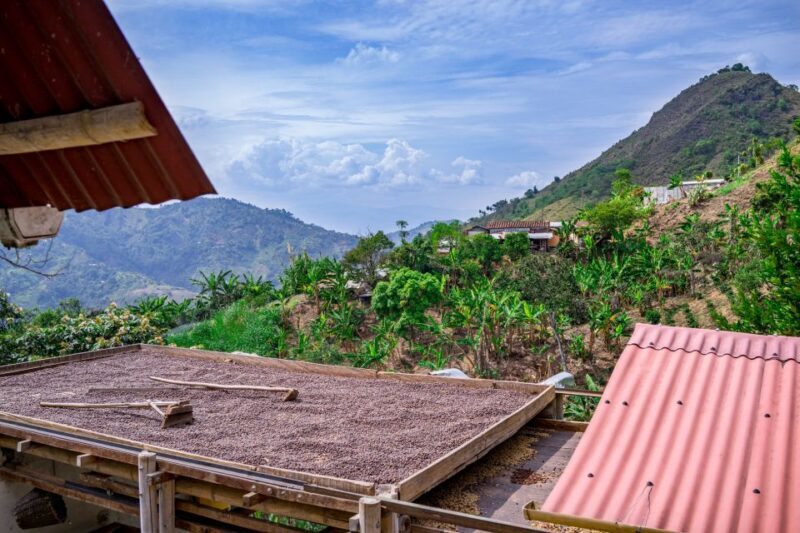
From there, the guide explains the steps from harvest to drying and preparation. The tour’s strength is that it links the work to the final flavor. Instead of treating coffee as a finished product, you get a sense of the care and decisions involved before brewing ever begins.
The farm visit also looks at what can be made from parts of the coffee fruit beyond the familiar bean. You sample tea brewed from coffee husks and a frappé made with mucilage, the honey-like layer around the beans. These tastings are a good reason to come even if you already know your way around a bag of roasted coffee: they introduce flavors and uses you may not have tried.
The farm awards a certificate recognizing you as a coffee picker. It is a lighthearted souvenir, but it marks the hands-on part of the day rather than merely documenting that you stopped by.
Later, your guide shows you how to brew and taste coffee more deliberately. You sample two specialty coffees, described as honey and cherry, and learn what distinguishes them. The aim is not to turn you into a professional taster in an afternoon. It is to give you a clearer way to notice differences in aroma, flavor, and preparation the next time you order or brew a cup.
The other drinks help keep the tasting varied. The mucilage frappé is a distinctive treat, while the coffee-husk tea offers a lighter way to try another part of the plant. The farm also sells extras such as coffee beer, coffee sangria, and coffee desserts, but these are not included in the tour price. Bring some spending money if those sound tempting.
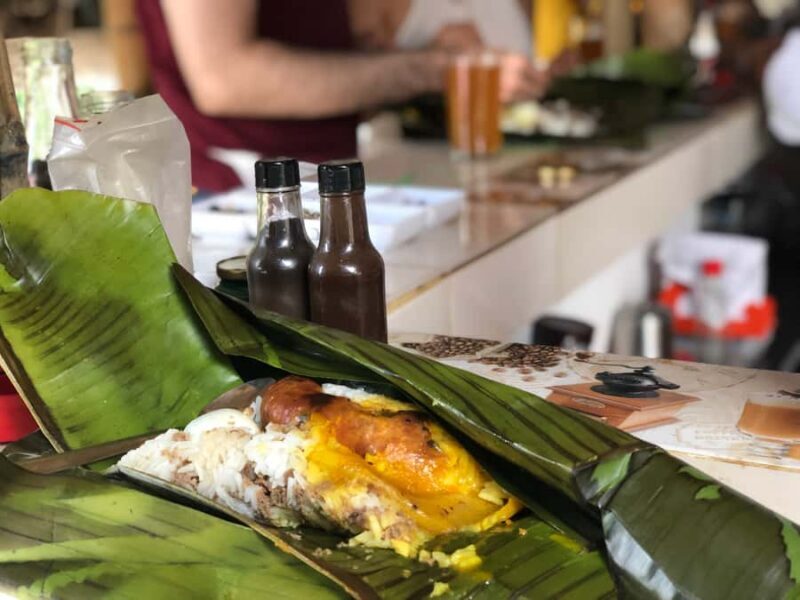
A snack of sweet plantain with panela and cheese arrives during the visit. It brings together sweet and savory flavors, and it is more substantial than a quick packaged bite. Lunch is a traditional Paisa-style meal, described as including rice, chicken, boiled eggs, mashed potato, and plantain. It is a generous plate after a morning of walking and learning, and vegetarian or other dietary adjustments may be possible if you share your needs.
The day’s schedule sets aside about an hour for lunch, the coffee class, and tastings. That gives the meal room to feel like part of the outing rather than a rushed refueling stop. If you have dietary restrictions, raise them in advance rather than assuming every alternative will be available on arrival.
More Great Tours Nearby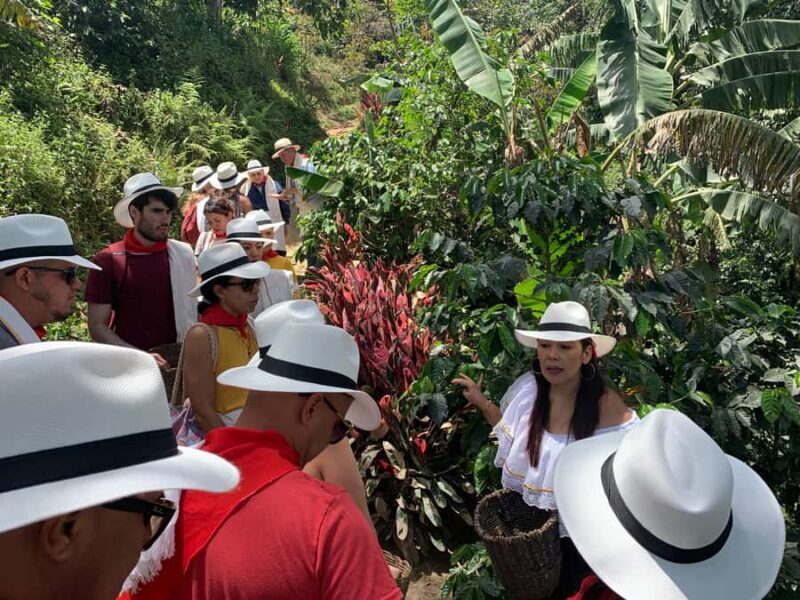
If you select the horseback option, you get a 45-minute ride through the farm toward viewpoints. Instruction is provided for inexperienced riders, so prior riding experience is not required according to the tour details. Still, this is an outdoor activity on uneven ground, not a gentle pony circuit on a level track.
The ride adds scenery and a change of pace after the coffee lesson. The route has been described as crossing the coffee hills and sugarcane fields, with varied surfaces including dirt, rocks, and paved road. That variety is part of the appeal, but it is worth considering if you are nervous around horses or would rather keep your day focused on the farm walk and tastings.
The horseback option is not listed among the included items, so check the booking choice and price before you commit. If you want the ride, choose the option that includes it rather than expecting to add it at no cost on site.
At $80 per person, the value rests on several pieces working together: round-trip transport, a guided farm visit, hands-on coffee picking, multiple drinks and coffee tastings, a snack, lunch, traditional clothing, and a take-home coffee package with candy. The drive is short, and the transport makes it easier than trying to arrange your own route to a rural farm.
The keepsake is specific and modest rather than a large retail bundle: an 80-gram package of specialty honey coffee and caramelized coffee candy with panela. You can also shop for coffee and other farm products before returning to Medellín. Colombian handicrafts, coffee desserts, coffee beer, and coffee sangria cost extra, as does water, so bring a bottle and budget separately for add-ons.
For a coffee-curious visitor, this is good value because the day combines education, food, tastings, and transport. If you only want a quick cup or a polished tasting-room visit, the six-hour commitment and uphill walk may feel like more than you need. The price makes more sense if you want to understand how coffee is grown and processed, not just sample a finished brew.
This outing works best for people comfortable walking on hills and spending several hours outdoors. It is not recommended for people with limited mobility and is unsuitable for wheelchair users. Since you will walk through the plantation to reach the upper part of the farm, comfortable shoes matter more than a photo-ready outfit.
The tour runs in English or Spanish, and pickup is included from hotels and Airbnbs in El Poblado, Laureles, and Estadio. If you are outside those areas, the practical choice is to meet at Poblado Park or arrange paid pickup beyond the designated zone. At checkout, you must provide full names and passport numbers.
The tour has free cancellation up to 24 hours in advance, and you can reserve now and pay later. Check the available start times when booking, and confirm whether your chosen option includes horseback riding. The main tour is about six hours, so leave room in your schedule for the drive back and any small delays.
Book this if you want a well-rounded introduction to Colombian coffee with more than a tasting counter: you pick beans, follow the process, try unusual coffee-based drinks, eat a local lunch, and get transport from Medellín. The farm setting and optional horseback ride make it especially appealing if you want a countryside day with a mix of learning and activity.
Think twice if steep paths are a problem, you need a fully accessible outing, or you prefer a short, city-based coffee tasting. For most visitors with a reasonable level of mobility, the combination of hands-on learning, a proper meal, and included transport makes this a worthwhile use of half a day.
“Great day with lots of interesting coffee facts and tastings! Was so lovely to see the love and care the team put into in the family business.”
The full experience lasts about six hours, including round-trip transportation from Medellín.
D’Arrieros Coffee Farm is in San Sebastián de Palmitas, about 45 minutes from Medellín.
Yes. Pickup and return transport are included for hotels and Airbnbs in El Poblado, Laureles, and Estadio. If you are outside those areas, you can meet at Poblado Park or pay an additional fee for pickup outside the designated zones.
The live guide is available in English or Spanish.
You taste two specialty coffees, described as honey and cherry, along with a coffee mucilage frappé and tea made from coffee husks.
Lunch is part of the farm visit. It is described as a Paisa meal with rice, chicken, boiled eggs, mashed potato, and plantain. Dietary changes may be possible if you share your restrictions.
The horseback ride is optional and should be selected as an option when booking. It lasts about 45 minutes, and instructions are provided for inexperienced riders.
Wear closed-toe shoes, and bring sunscreen and water. The farm recommends avoiding shorts and open-toe shoes because the route goes up hills and through coffee plantations.
No. The route includes uphill walking through the plantation, and the tour is not recommended for people with limited mobility or wheelchair users.
You receive a poncho with the farm’s logo, an 80-gram package of specialty honey coffee, a caramelized coffee candy with panela, and a certificate as a coffee picker.
You can check availability for your dates here: