Physical Address
304 North Cardinal St.
Dorchester Center, MA 02124
Physical Address
304 North Cardinal St.
Dorchester Center, MA 02124

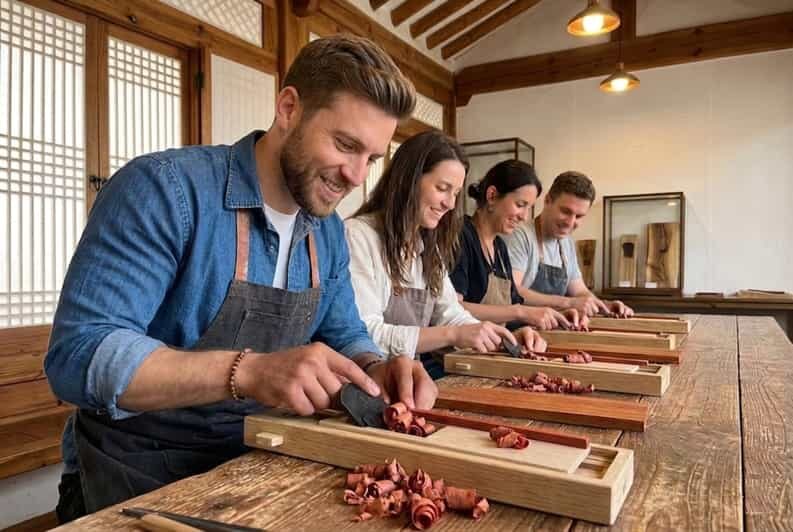
Make and personalize wooden chopsticks in a one-hour Insadong workshop, with beginner-friendly instruction and optional wood upgrades and engraving.
In the heart of Insadong, you can turn a simple pair of wooden chopsticks into a Seoul souvenir you made yourself. In an hour, you shape and sand the wood, apply a natural oil finish, and can add a laser-engraved name or message.
I like two things especially: you leave with something useful, not just decorative, and the instructor guides you through each step without requiring any woodworking experience. Instructors including Lee, Josh, Matt, Mike, and Goeun have been praised for their patience and clear explanations.
One thing to budget for: the $15 base price includes two wood choices, but premium woods and laser engraving cost extra. The harder wood options can also take more effort, so choose them for their look and feel, not because they promise an easier project.
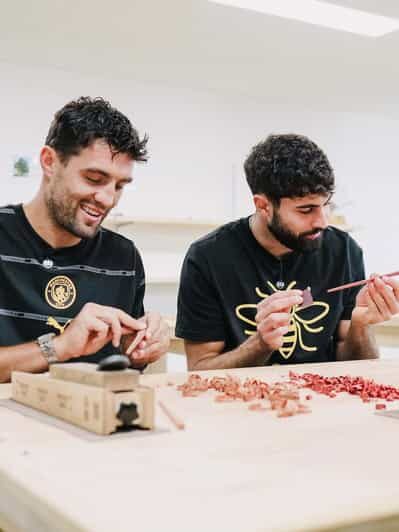

Insadong is known as one of Seoul’s traditional arts districts, and this workshop gives you a hands-on way to connect with that setting. Rather than simply browsing for a ready-made keepsake, you work the wood yourself and see how a plain piece becomes a finished pair of chopsticks.
That difference matters. You do not need to be a craft expert to enjoy the process, but you do need to be willing to slow down and pay attention to small changes in shape and texture. The activity is tactile and focused, a welcome change from a day spent looking at screens, shops, and sights.
The result is both personal and useful. A souvenir that can go in a drawer is easy to forget; a pair of chopsticks you use at dinner is more likely to bring Seoul back to mind.
You might also be interested in these Seoul experiences
The workshop is a guided sequence of shaping, sanding, and finishing. You start with a choice of wood, then use the provided tools to form the sticks under an instructor’s direction. The process is designed for beginners, with demonstrations and help when you are unsure what to do next.
The most hands-on part is shaping the wood. You work toward a slim, balanced form, using the tools to refine the sticks rather than expecting them to emerge finished from a machine. The task is simple to understand, but the feel of the wood and the pressure you apply affect the result. Take your time, especially if you have chosen a harder wood.
Sanding comes next. This is where the surface gets smoother and the shape feels more finished in your hands. Several people have found this step more enjoyable than expected, and it gives you time to make small adjustments. The workshop is not just a demonstration: you do the work yourself, with an instructor nearby to guide or steady you when needed.
The last stated part of the crafting process is a natural oil finish. This gives the wood a finished appearance and makes the pair feel like a completed object rather than a project still in progress. Your finished chopsticks are yours to take home.
The scheduled session lasts one hour. Some participants finish within that time, while others may need a little longer. One person noted that the instructor was patient when the activity ran over, but it is wise not to schedule a tight appointment immediately afterward.
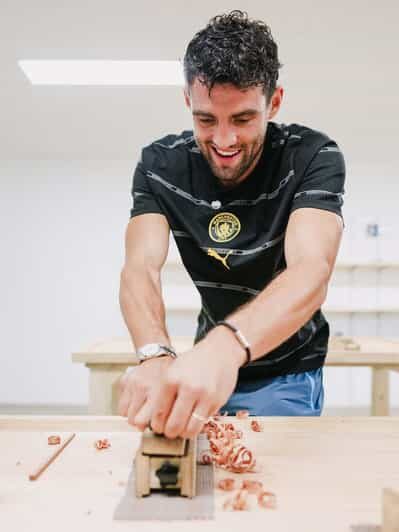
The base price is $15 per person and includes a complete kit, instruction, two complimentary types of wood, and the finished chopsticks. That is a fair price for a short activity with a tangible result, especially if you want to take part in making your souvenir rather than simply buying one.
There are eight premium wood options available for an additional charge. The exact upgrade cost depends on the selection, so ask about the price before settling on a type. One participant noted that some choices were harder to work than expected. A more unusual wood may be worth the extra cost if you care about its appearance, but the included options are enough to complete the activity.
This is a useful distinction when comparing the experience with other activities. The advertised price covers the core workshop, not every possible customization. You can make a complete pair without upgrading, then decide whether a particular wood is worth paying more for. There is no need to treat the premium choices as a required part of the experience.
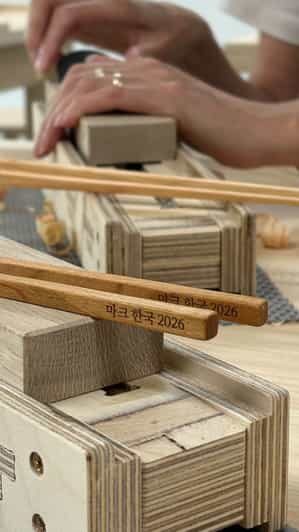
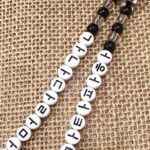
Laser engraving is optional and costs ₩10,000. You can choose a name or message in Korean, English, or Japanese, including your own name or the name of a favorite K-Pop idol. It is an easy way to make the finished pair more personal, especially if you are giving it as a present.
Because engraving is an extra rather than part of the $15 base price, include it in your budget if you already know you want it. If you are undecided, you can first see how your chopsticks turn out and then consider whether the added detail is worth the fee.
The engraving changes the character of the souvenir. Without it, the pair records the time you spent making them; with it, the name or message adds a clear personal link. Either way, you still take home the object you shaped and finished.
More Great Tours NearbyThe strongest part of the experience is the guidance. Instructors explain the process, demonstrate techniques, and help when a step feels awkward. Names that have come up include Lee, Josh, Matt, Mike, and Goeun. You should not assume any one instructor will be leading your session, but the workshop offers instruction in English, Korean, and Japanese.
That language choice is useful if you are new to woodworking. You need to understand how to handle the tools and what to do next, not just watch someone else complete the task. English-speaking participants have found the directions easy to follow, and the activity is described as suitable for beginners.
The tone also seems to suit different kinds of groups. You can go solo, make it a couple’s activity, or bring children along. Families have used it as an afternoon activity, while solo participants have enjoyed meeting other people during the class. The focus stays on making your own pair, so you can take part without needing to be especially outgoing.
This is a relaxed craft session, but it is still hands-on. You will use professional tools and do the carving, sanding, and finishing yourself. It is not simply a sit-back-and-watch demonstration, and the effort can vary with your wood choice and pace.
Most of the process is described as easy to follow, but one participant found a medium-level wood more demanding to work. If you want a low-effort souvenir activity, select one of the included woods and ask the instructor for guidance. If you enjoy making things and do not mind a little physical work, choosing a more challenging material may add to the satisfaction.
You do not need to arrive with a finished design in mind. The instructor guides the sequence, and the available wood choices provide a starting point. Focus on making a pair that feels good in your hands, rather than trying to produce a perfectly identical match to a shop-bought set.
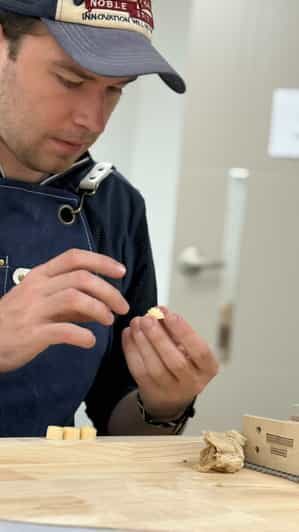
For the base price, you get one hour of instruction, tools and materials, two included wood choices, and a handmade item to take home. That is a better kind of value than a quick souvenir purchase if you enjoy the act of making something and want a memory tied to an activity.
The price can rise if you choose premium wood or engraving. Those additions are optional, so the final cost depends on how much customization matters to you. Decide before you begin how much you are comfortable spending, and ask for the extra prices before choosing. That keeps the purchase clear and avoids treating the upgrades as surprises.
The workshop also fits neatly into a day in Insadong because it takes about an hour. It offers a change of pace from browsing, and you come away with more than a photograph. Just leave some breathing room in your plans in case you take longer to finish.
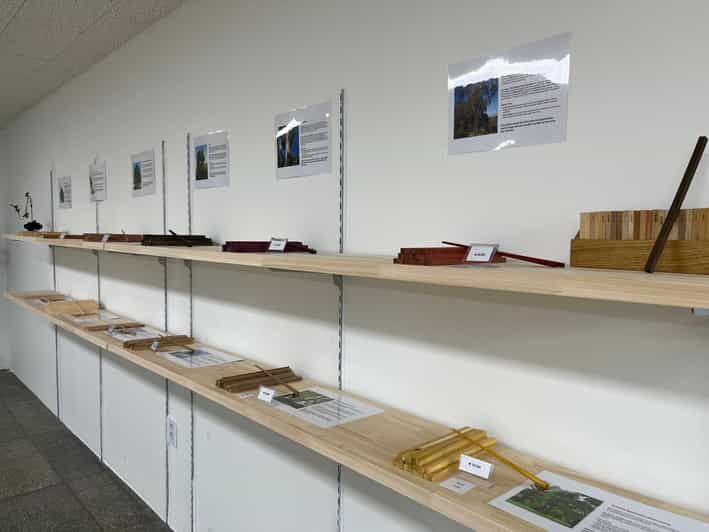
I would put this high on the list if you like hands-on activities, want a useful souvenir, or need a short break from sightseeing. It is a particularly good fit for beginners because the steps are explained and help is available throughout. You can make it a solo activity or share the hour with family or friends.
It may not suit you if you want a completely passive activity, have no interest in crafts, or are trying to avoid all extra spending. The base price is reasonable, but personalized engraving and premium wood are add-ons. And while the work is approachable, you will be shaping and sanding wood rather than simply watching a craft demonstration.
Booking is flexible: you can reserve now and pay later, and cancellation up to 24 hours in advance qualifies for a full refund. Check available starting times when planning your day.
“Our guide was very friendly and fun, so a huge thanks to him! He also helped us if we were stuck at some point. The chopsticks are a great memory f…”
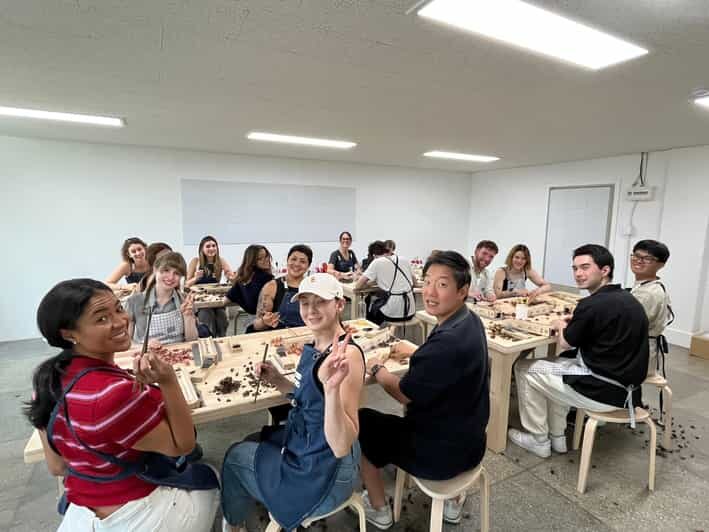
The guided session is scheduled for one hour. Some people may take a little longer to finish, so leave room in your schedule afterward.
The price includes a one-hour guided workshop, instruction, the necessary tools and kit, two types of complimentary wood, carving, sanding, a natural oil finish, and the handmade chopsticks to take home.
No. The activity is designed for beginners, with step-by-step instruction and help from the instructor.
Instruction is available in English, Korean, and Japanese.
Laser engraving is optional and costs ₩10,000. You can choose a name or message in Korean, English, or Japanese.
No. Two types of wood are included, and eight premium options are available for an extra charge. Ask about the cost before choosing an upgrade.
Yes. You can cancel up to 24 hours in advance for a full refund. You can also reserve now and pay later.
You can check availability for your dates here: