Physical Address
304 North Cardinal St.
Dorchester Center, MA 02124
Physical Address
304 North Cardinal St.
Dorchester Center, MA 02124

Plan a Westminster Abbey visit with practical advice on the audio guide, coronation history, queues, opening hours and ticket value.
Westminster Abbey is where British monarchs have been crowned since 1066, but its appeal is more than royal ceremony. Inside, the church’s memorials, tombs and close-packed centuries of architecture turn a history lesson into a walk through the people and events that shaped Britain.
I like two things here: the audio guide lets you set your own pace, and the Abbey brings major figures such as Isaac Newton and Charles Dickens into the same visit as royal tombs and coronation history. The main catch is practical: this ticket does not skip the entry line, and a voucher may need to be exchanged for a physical ticket.
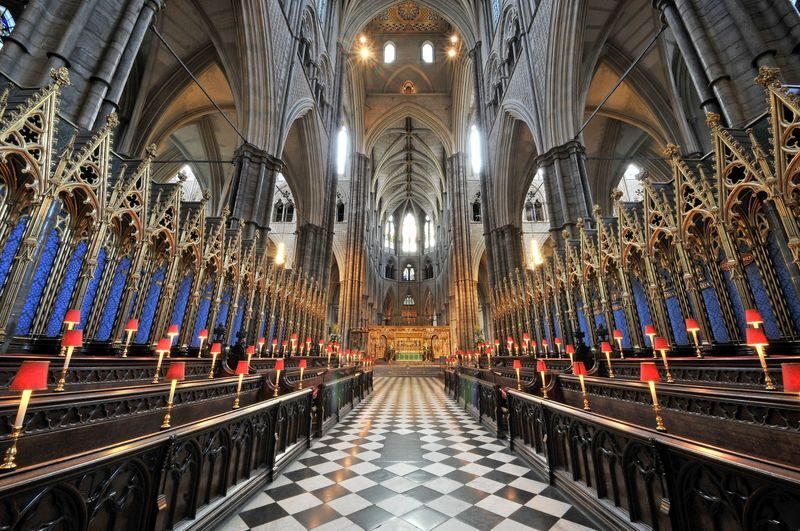
Westminster Abbey is an active church as well as a major historic site. That dual role is part of what makes a visit different from touring a palace or museum. You’re stepping into a place that has hosted coronations for centuries and continues to serve as a place of worship.
The coronation connection gives the building a clear historical thread. Since 1066, every British monarch has been crowned here. Notable royal weddings have also taken place at the Abbey, adding another layer to its public story. Even if you arrive mainly for the architecture, these associations help explain why the building matters so much to the country.
The visit is self-guided rather than led by a named tour guide. You receive an audio guide and can move at a pace that suits you, pausing when a tomb, memorial or architectural detail catches your eye. That freedom is useful in a church with a great deal to take in, though you’ll need to choose what interests you rather than expect a guide to set the route.
You might also be interested in these London experiences
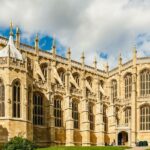
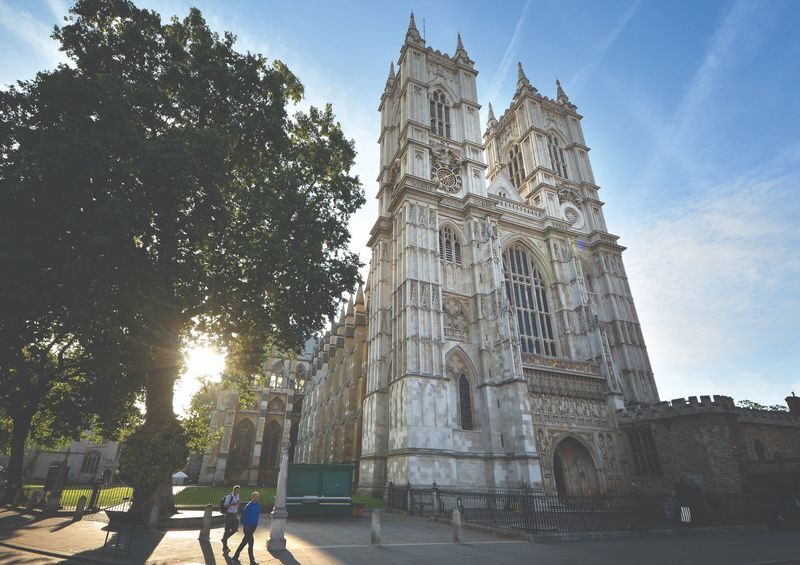
Before you go inside, take a moment to look at the exterior. Its Gothic design gives you a sense of the height and detail to expect indoors. The building is striking from outside, but the interior is where the visit becomes more personal: stonework and stained glass share space with tombs and memorials to people whose names may be familiar from school, books or science.
Finding the entrance can take a little attention, especially if you’re unfamiliar with the area. The address is 20 Dean’s Yard, Great North Door, London, SW1P 3PA. Westminster Tube station, served by the Jubilee, Circle and District lines, is the nearest station listed for the visit.
Once you reach the entrance, follow staff directions for the correct queue. The entry process can involve security checks and, depending on how your voucher is handled, an exchange for a physical ticket. Online booking may be convenient, but it does not guarantee faster entry.
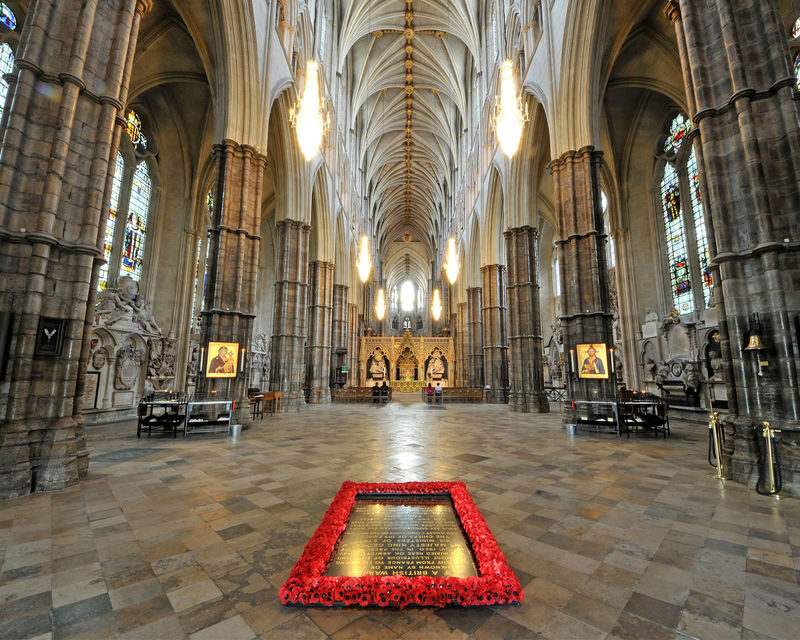
The audio guide is a practical part of the ticket, not just an add-on. Westminster Abbey has so many memorials and historic details that it can be hard to know what you’re looking at without context. Commentary helps connect the building’s spaces with the people and events associated with them, while a self-guided format lets you stop or move on as you like.
The multimedia guide is available in 14 languages: English, British Sign Language, French, German, Dutch, Hungarian, Spanish, Italian, Polish, Portuguese, Russian, Japanese, Chinese and Arabic. This range makes the visit more accessible to people who would rather listen in a familiar language than rely on labels or prior knowledge.
You can expect plenty to see, and the route may feel less obvious at first. Some areas can be busy, and visitors have found it helpful to ask staff if they’re unsure where to go next. Don’t feel obliged to cover every corner at speed. Give yourself time to listen, look up at the architecture, then pause when you reach a memorial that means something to you.
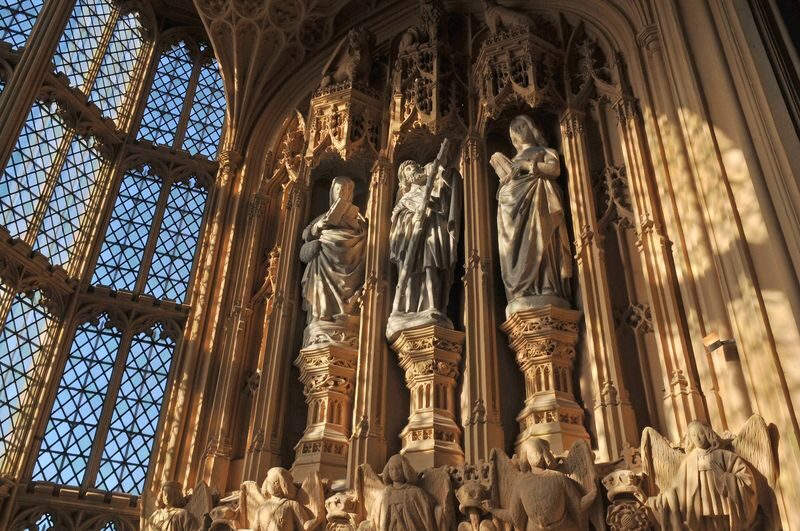
The Abbey’s burials and memorials are among its most affecting features. Kings and queens rest here alongside writers, scientists and other notable figures. That mix is one reason the visit works for people with different interests: you can follow royal history, look for literary connections or make a point of seeking out the scientists.
Isaac Newton is among the figures associated with the Abbey, and visitors often make a special effort to find Scientists’ Corner, where Newton, Charles Darwin and Stephen Hawking are interred. Charles Dickens is another well-known literary name connected with the church. These are not merely names on a list; the memorials make the Abbey feel like a record of the country’s public life, with its achievements and its changing ideas.
There is also a more solemn side to walking through a church where tombs and grave markers are part of the floor and interior. If you’re not used to visiting a site where people walk over memorial stones, that may feel unusual. Take your time and treat the setting with respect. The atmosphere is very different from a gallery full of objects behind glass.
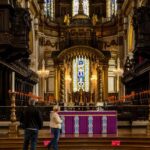
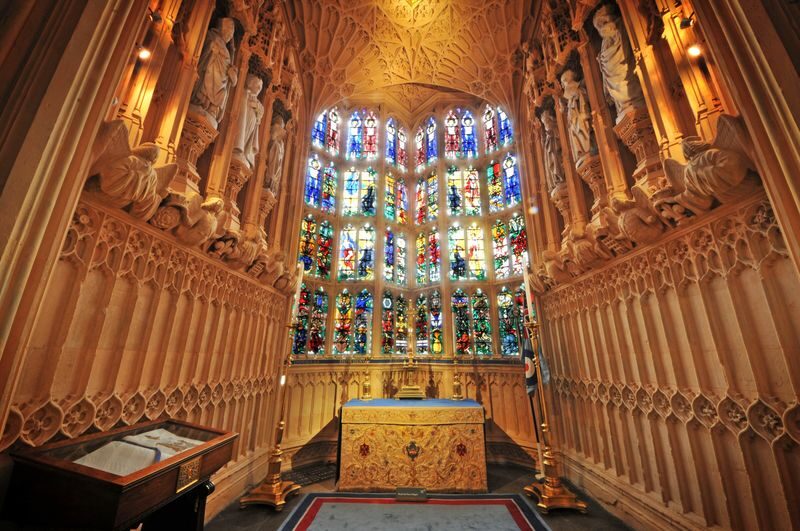
The Abbey’s Gothic character is easy to spot, but the real pleasure is in the details. Look at the craftsmanship, the colour in the glass, the repeated columns and the way tombs and carved features sit within the larger structure. The interior’s scale can surprise you, though it may feel smaller than expected if you’ve imagined a vast, open cathedral.
That contrast is worth keeping in mind. Westminster Abbey is not simply an enormous empty space where the architecture can be admired from a distance. It is densely filled with memorials and historic features. The closeness of those details makes the visit rewarding, but it can also make busy periods feel crowded and limit your chances of getting a clear photo.
The cloisters offer a different mood from the church interior. They are also a useful place to pause, and can feel cooler on a hot day. Photography is allowed in the church and cloisters, but not everywhere, so watch for signs and follow the rules.
Plan on at least 1.5 hours for the visit. That gives you time to use the audio guide and see the main areas without turning every stop into a race. If British history, architecture or the Abbey’s memorials are a particular interest, allow longer.
The listed opening times are Monday to Friday, 9:30 a.m. to 3:30 p.m., with last entry at 3 p.m. On Saturdays, the Abbey is open from 9:30 a.m. to 3 p.m., with last entry at 2:30 p.m. It is closed on Sundays. These times can change because Westminster Abbey is a working church, so check its official website before your visit.
Arriving early is sensible, particularly during school holidays and summer. Busy periods can bring queues at the entrance, and the ticket does not provide skip-the-line access. Even with advance purchase, you may have to wait to enter or exchange your voucher. The Abbey’s popularity is part of the reason to plan ahead, but buying in advance should not be mistaken for a promise of immediate entry.
The ticket includes admission and an audio guide, but not transport. The activity is listed from $46.85, while a package price is also shown from $42.59. Since the advertised starting prices differ, check the final amount for your chosen date before you book.
The value depends on what you want from London. If you’re interested in the monarchy, British history, notable burials or Gothic architecture, admission buys access to a site with an unusually broad story. The audio guide helps you make sense of it without arranging a separate tour. If you’re mainly looking for a grand church interior, the price may feel steep, especially compared with churches elsewhere in Europe that are free to enter.
Also consider what advance booking does and does not do. It can secure a ticket for your selected date, but the voucher is not a queue-jump pass. Some booking systems may require staff to verify your voucher or exchange it for a physical ticket, so leave time for the entry process. The voucher is valid only on the specified date and time, if a time is given, and the ticket is nonrefundable.
Children aged 0 to 5 enter free. Anyone aged 0 to 17 must be accompanied by a paying adult. Outside food and drinks are not allowed inside, and pets are not permitted, except service animals with valid identification.
Personal photography is allowed in the Abbey church and cloisters, but flash is not permitted, and you may not take photos during services. Photography is prohibited in the Shrine of St Edward the Confessor, St Faith’s Chapel and the Queen’s Diamond Jubilee Galleries. Video recording, extra lighting, selfie sticks and tripods are also prohibited.
If you have accessibility questions, check the Abbey’s official website before booking. The information provided for this ticket directs visitors there for details about access for people with disabilities.
I’d put Westminster Abbey high on the list if you care about British history, royal ceremony, architecture or the people buried here. The combination of coronation history, famous memorials and an audio guide makes it much more than a quick look inside a handsome church.
Book if you’re happy to spend at least 1.5 hours listening and looking closely, and if you understand that a ticket does not remove the possibility of a queue. If your schedule is tight, check opening times and allow a buffer for entry. For a short visit focused only on taking photos, the price may be harder to justify. For a thoughtful look at one of London’s most important historic places, it is a strong use of your time.
“Very beautiful, and the Piazza is fascinating”
The multimedia guide is available in English, British Sign Language, French, German, Dutch, Hungarian, Spanish, Italian, Polish, Portuguese, Russian, Japanese, Chinese and Arabic.
No. This is not a skip-the-line ticket. You may need to queue to enter, and the voucher may need to be exchanged for a physical ticket.
The listed hours are Monday to Friday, 9:30 a.m. to 3:30 p.m., with last entry at 3 p.m. On Saturdays, it is open from 9:30 a.m. to 3 p.m., with last entry at 2:30 p.m. The Abbey is closed on Sundays. Hours can change, so check its official website before you go.
Allow at least 1.5 hours to explore and use the audio guide. You may want longer if you plan to spend extra time with the memorials and architecture.
Personal photography is allowed in the Abbey church and cloisters, but not during services and not in the Shrine of St Edward the Confessor, St Faith’s Chapel or the Queen’s Diamond Jubilee Galleries. Flash, video recording, extra lighting, selfie sticks and tripods are prohibited.
The address is 20 Dean’s Yard, Great North Door, London, SW1P 3PA. Westminster Tube station is served by the Jubilee, Circle and District lines.