Physical Address
304 North Cardinal St.
Dorchester Center, MA 02124
Physical Address
304 North Cardinal St.
Dorchester Center, MA 02124

Visit the DMZ from Seoul with a retired military guide, explore the 3rd Tunnel and hear a North Korean defector’s firsthand story.
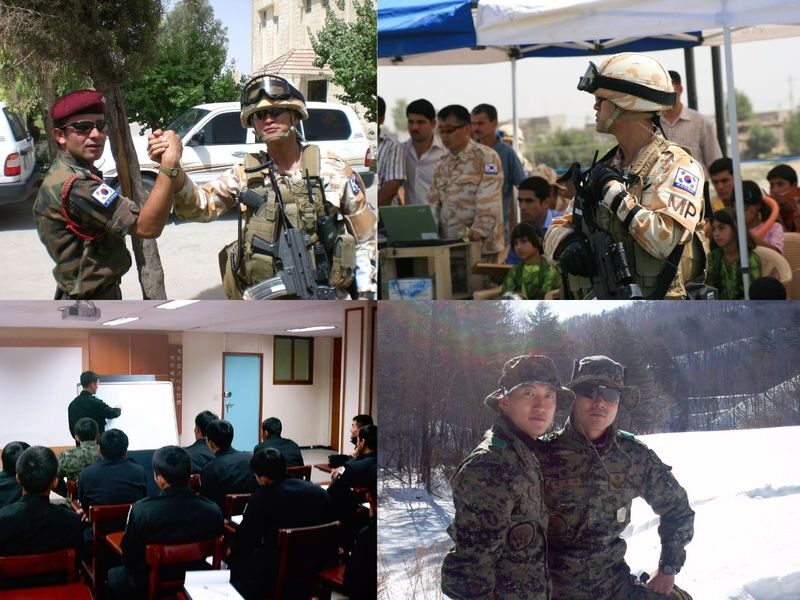
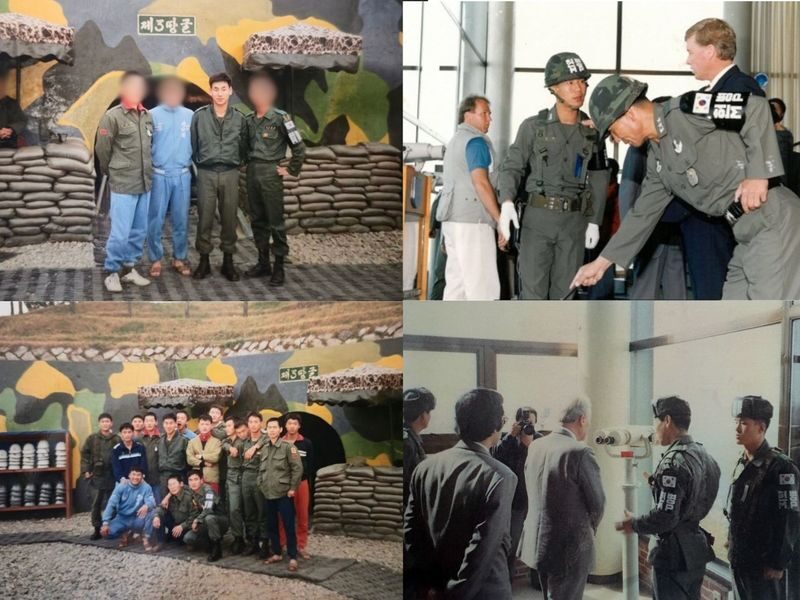
The most compelling part of this half-day DMZ tour is the mix of perspectives: former South Korean military officers explain the border from their own service, then a North Korean defector shares her account of life and escape. I like that the day pairs on-the-ground military context with a civilian story, rather than treating the DMZ as just a set of photo stops.
I also like the route’s range: you visit the 3rd Infiltration Tunnel, look north from Dora Observatory, and see memorial sites at Imjingak. The main trade-off is that the tunnel walk is physically demanding, and access or traffic can disrupt the schedule. If your afternoon plans are fixed, leave room for a late return.

The tour starts at Myeongdong Subway Station, Exit 8, with departures listed at either 08:00 or 08:30. Check your confirmed time carefully and arrive at least 10 minutes early. The meeting area can be crowded, with several buses and tour groups gathering nearby, so look for the specific instructions sent for your departure rather than following the first group you see.
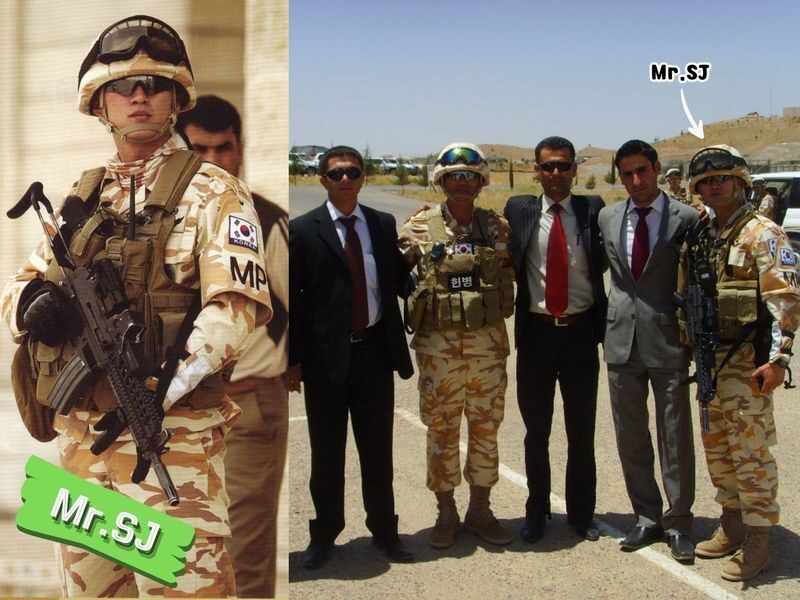
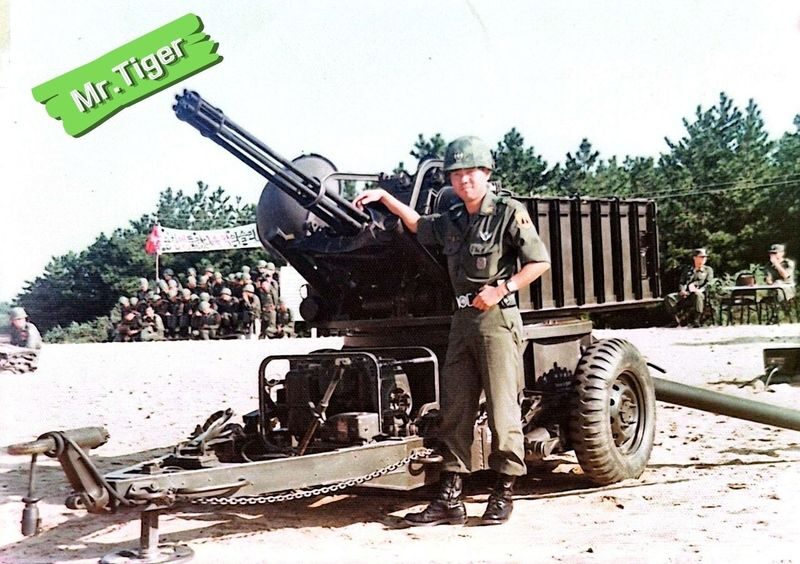
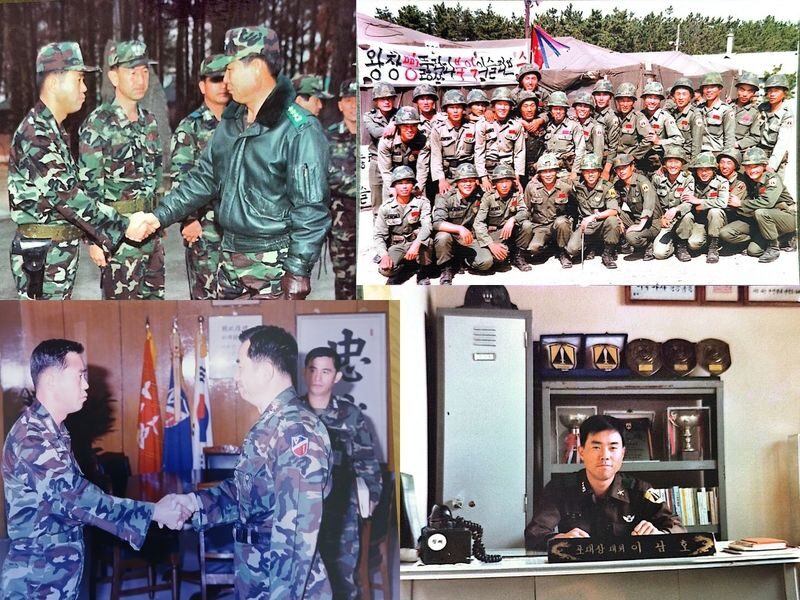
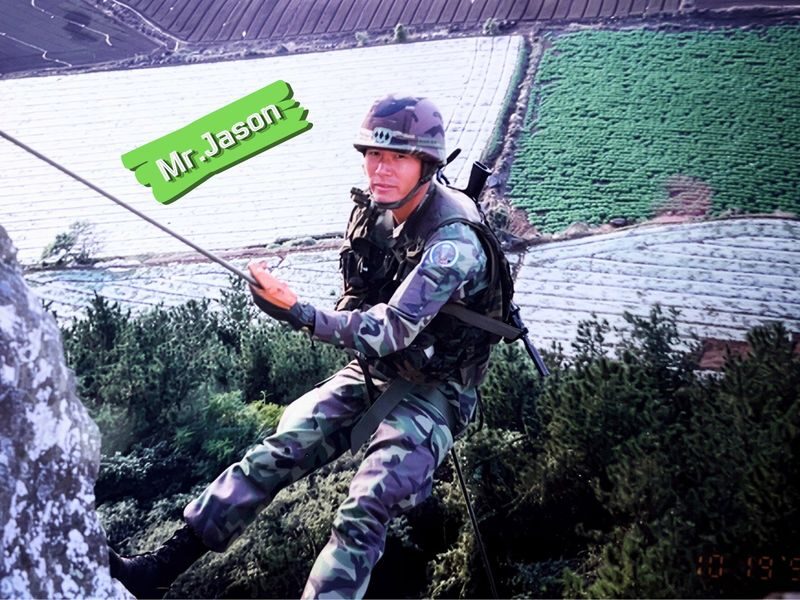
Your guide is more than a bus narrator. The team includes former officers and soldiers with varied backgrounds: Jason served as a lieutenant colonel and DMZ security specialist; Eddie worked near Dora Observatory and the 3rd Tunnel and briefed military officials; Leo served in Special Forces; Richard was a rescue pilot and arms-control officer. The guide assigned to your departure varies, so don’t book expecting one particular person.
That military experience shapes the explanations along the way. Guides can connect the sites to military service, border security, and the history of the division, while answering questions about what it means to serve near the DMZ. Their style may be brisk and direct, which suits the subject and the tight schedule. Expect a guide who keeps the group moving as well as talking.
The bus ride is useful preparation, not dead time. Your guide can introduce the history and explain what you’ll see before you arrive. That context matters: without it, a viewing platform or memorial can feel like a stop on a checklist. With it, you have a better sense of why the border is controlled and why the landmarks carry such weight.
Looking for more options in Seoul? Here are some other experiences worth considering.
The North Korea Experience Hall gives the day its most human perspective. You meet a North Korean defector, hear her escape story, and take part in a live Q&A. There is also a lecture about North Korean society and a display of items connected to life in the country.
The conversation can make a strong impression because it moves beyond maps and military history to individual experience. You can ask questions, but approach the session with care: it deals with a difficult and personal subject, not a performance built for easy answers. A memoir connected to the speaker may be available at the gift shop, with proceeds supporting other defectors.
This stop is especially valuable if you want to understand the human consequences of division as well as its military history. It also gives you a chance to hear a perspective you cannot get from an observatory or tunnel. The exact length of the session isn’t specified, so expect the guide to manage time around the other stops.

Dora Observatory sits about 1.5 kilometers from the Military Demarcation Line and is described as the northernmost observatory in the DMZ. From here, you look across the border toward North Korea. On a clear day, the view can extend far toward the horizon, but haze and weather can limit what you see.
The stop is more meaningful when your guide points out what you’re looking at and explains the setting. This is where a former soldier’s experience can help turn a distant view into a better understanding of the border. Bring questions, and don’t count on the view alone to explain the history.
The observatory is a popular, organized stop, not a quiet wilderness viewpoint. You may find other groups and buses moving through at the same time. Treat it as a short, important window onto the border, rather than expecting a long stretch of solitude.
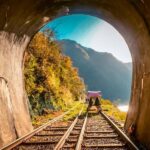
Discovered in 1978, the 3rd Infiltration Tunnel was dug by North Korea as a route into South Korea. It is 1.7 kilometers long and reaches 73 meters underground. You enter the tunnel as part of the visit, where the close quarters make the history feel immediate.
Allow for a proper workout. The route is tiring, and low ceiling sections mean you may need to bend or duck, especially if you are tall. Wear comfortable shoes and be honest with yourself about how you manage steep or strenuous walks. The listed tunnel length describes the tunnel itself, not necessarily the distance you walk on the tour.
This is the stop most likely to shape your day physically. If you are ready for the effort, it offers a striking sense of the scale and purpose of the tunnel. If you have mobility concerns or don’t want a demanding underground walk, consider whether this tour is right for you before booking.
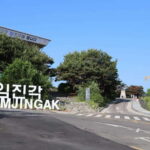
Imjingak brings the focus back above ground. The route passes Imjingak Peace Park, Mangbaedan Altar, and a steam locomotive associated with the division. These sites offer a different kind of visit from the tunnel and observatory: less about military infrastructure, more about remembrance and the people affected by separation.
The itinerary says the tour passes by these landmarks, so don’t expect a long, independent visit at each one. Your guide’s explanation helps make sense of why they matter, but the schedule is compact. If you want time to linger, take photographs, or explore the park at your own pace, a short group stop may feel rushed.
The shared tour starts from US$50 and includes admission to the listed attractions, an English-speaking guide, and round-trip transportation. For a full morning of transport and guided visits, that is a reasonable starting price, particularly if the military background and defector session are central to your interest. The private package starts at US$405.89, which may make sense if you value a dedicated group arrangement, but the exact private itinerary and inclusions should be checked before booking.
Meals, drinks, personal expenses, and travel insurance are not included. Some groups may make a stop for a simple Korean buffet lunch, but it is not listed as a guaranteed part of the schedule. If you have dietary needs, especially if you are vegetarian, bring something you can eat rather than relying on an unplanned meal stop.
The return is scheduled for roughly 14:30, with drop-offs around 14:30 to 15:00 at Hongik University Station and 15:00 to 15:30 at Myeongdong Station. Traffic and site conditions can shift those times. There have also been days when access to a DMZ attraction was disrupted and the schedule changed substantially. Because entry to controlled sites is not something a guide can always guarantee, avoid booking a tight afternoon connection or an important appointment back in Seoul.
Groups of 10 or more qualify for free hotel pickup. Otherwise, plan to reach the stated meeting point yourself and follow the exact departure details sent after booking. Children aged 0 to 1 can travel free if they do not need a separate seat; children aged 10 and up pay the adult rate.
Choose this tour if you want more than a quick look at the border. The former military guide and North Korean defector session give you two distinct ways to understand the division, while the tunnel, observatory, and Imjingak offer a useful mix of sites. It suits curious visitors who like asking questions and can manage a brisk schedule.
Think twice if you need a guaranteed early return, dislike crowded group stops, or want a gentle day with little walking. The tunnel is the main physical challenge, and controlled access can affect the plan. If those limits work for you, the tour offers a substantial introduction to the DMZ for a relatively modest starting price. If timing or comfort matters more, consider a different format or a private option, and confirm what it includes before paying.
“We enjoyed the tour with Jason. It was informational and entertaining!”

The listed meeting point is outside Exit 8 of Myeongdong Subway Station. Some departures are scheduled at 08:00 and others at 08:30, so check your confirmed departure time.
Arrive at least 10 minutes before departure. Late arrivals and no-shows are not refundable.
The itinerary includes the North Korea Experience Hall, Dora Observatory, the 3rd Infiltration Tunnel, and a pass by Imjingak Peace Park, Mangbaedan Altar, and the steam locomotive.
Yes. Admission to the listed attractions, an English-speaking guide, and round-trip transfers are included.
No. Meals and drinks are not included. Do not count on a particular meal stop, and bring food if you have dietary needs.
The tunnel walk can be demanding, and some sections have low ceilings. Wear comfortable shoes and be prepared to bend or duck.
The itinerary includes a meeting at the North Korea Experience Hall, where a defector shares an escape story and takes part in a live Q&A.
The scheduled return is around 14:30. Listed drop-off windows are about 14:30 to 15:00 at Hongik University Station and 15:00 to 15:30 at Myeongdong Station. Traffic, weather, or site operations may change the timing.
Free hotel pickup is included for groups of 10 or more.