Physical Address
304 North Cardinal St.
Dorchester Center, MA 02124
Physical Address
304 North Cardinal St.
Dorchester Center, MA 02124

Visit Seoul’s DMZ with a guide, explore the Third Tunnel and Dora Observatory, and choose a North Korean defector interview or Gamaksan Bridge add-on.
At the DMZ, the gap between South and North Korea is more than a line on a map. You can walk through the Third Infiltration Tunnel, look toward North Korea from Dora Observatory and, with the right package, ask a North Korean defector about life before escape. I like that the day pairs historic sites with a direct human perspective, and that guides such as Jackie and Han make complicated history easier to follow.
The main catch is choosing the right package. The lowest-priced option is the essential DMZ tour, while the defector interview and Gamaksan Suspension Bridge are sold in separate, higher-priced options. Confirm what your selected ticket includes, and be ready for an early start, a tightly planned day and some walking.

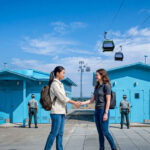
A DMZ visit can be a string of signs, viewpoints and security checks. This tour’s most distinctive option adds a live interview with a person who escaped North Korea, giving you a chance to ask questions and hear an individual account of life there and the escape to the South. The conversation does not replace the wider history, but it can make the division feel less abstract.
The interview is part of the Real Talk Experience package, from about US$49.95. The budget option starts at US$44.95, and the best-selling package that combines the defector meet-up with Gamaksan Suspension Bridge starts at US$63.69. Since these are different choices, read the package name carefully before you book. The tour’s broad description promotes the interview, but the package selected determines what you actually get.
The strongest part of the visit is the chance to ask questions. The guide helps translate between the group and the interviewee, so you can follow both the question and the response. Jackie is one of the guides associated with the Q&A, and Han, sometimes called Han Solo, is another guide whose storytelling and command of the subject have earned warm praise. Guides vary, so do not book on the assumption that a particular person will lead your departure.
Keep your questions respectful and curious. A defector’s account is one person’s experience, not a single answer to every question about North Korea. Treat the session as a personal story shared in a historical setting, and you will get more from it.
Looking for more options in Gangwon? Here are some other experiences worth considering.
The bus leaves Seoul at 7:30 a.m., with the meeting point listed at 92 Sejong-daero, near City Hall Station Exit 7. Arrive at least 10 minutes early. The operator says late arrivals and no-shows cannot be refunded, so this is not a morning to gamble on the subway timing.
The ride to the DMZ area takes about an hour, though traffic can change that. At Imjingak Park, you have about an hour for a guided visit. The park is a place to pause before entering the controlled area and to begin thinking about the division of the Korean Peninsula. Freedom Bridge is among the landmarks highlighted on this tour, adding a tangible reminder of the human consequences of the conflict.
There is a practical wrinkle: a ticket must be purchased before entering the DMZ. The tour includes DMZ admission, but the schedule notes that you need to buy a ticket at Imjingak Park. Follow your guide’s instructions about the process and any required payment, rather than assuming every admission step is covered in the same way.
Imjingak is also a useful place to get your bearings. The next stops are more tightly controlled, and what you can see or do may depend on conditions on the day. The tour’s schedule can change with weather and other factors, so stay flexible.

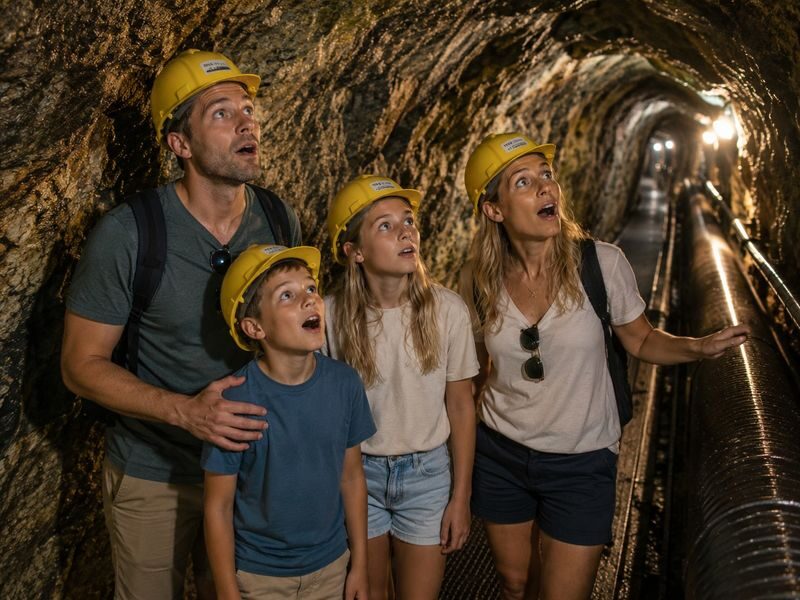
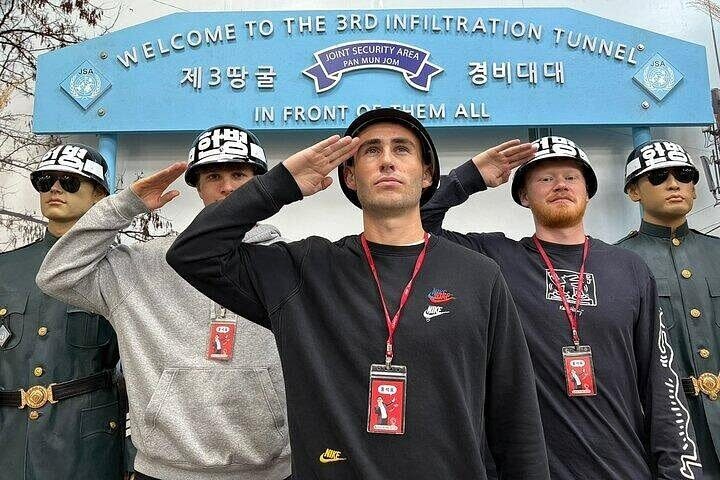
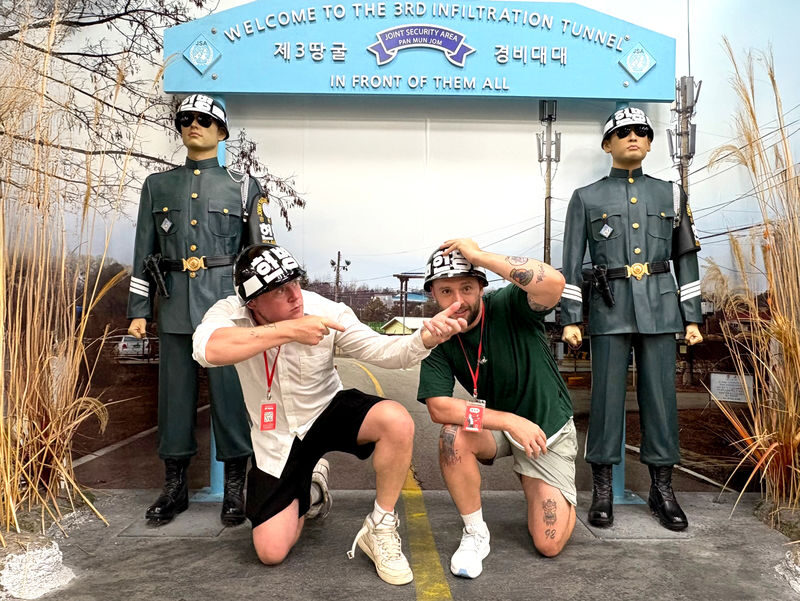
At the Third Infiltration Tunnel, you go underground and walk through a tunnel dug beneath the border. The visit gives the history a physical dimension: instead of only hearing about the risk of infiltration, you move through a place associated with that threat. It is one of the day’s most memorable stops for many people, but it is also the one most likely to test your legs.
The walk can feel strenuous. One visitor described the tunnel as tiring, and that matches the basic nature of a below-ground visit better than treating it as an easy stroll. Wear comfortable shoes, and do not assume the tunnel is a quick, level viewing platform. If you are unsure about the walking involved, ask the operator before booking, since the supplied tour details do not specify accessibility arrangements.
A good guide matters here. Jackie and Han are frequently singled out for explaining the conflict in plain language and answering questions without burying the group in dates and detail. Their job is not just to point out a tunnel; it is to connect the site to the larger story of the Korean War and the continuing division.
At Dora Observatory, you can look toward North Korea, including the area around Gaeseong City and the industrial complex. The landscape from this side of the border includes a staged settlement often called the Propaganda Village, designed to create the impression of activity. Telescopes help you look across the distance, though what you can make out will depend on visibility.
This stop has a different feel from the tunnel. The tunnel is close and physical; the observatory is about distance, boundaries and what can be seen from one side. The view may not deliver a dramatic close-up. Some people find looking across the border fascinating, while others find the scene less compelling than the more direct experience underground or the defector interview. That is a fair distinction to keep in mind when deciding what matters most to you.
Your guide’s explanations can make the viewpoint more useful. Instead of trying to identify every feature on your own, listen for the landmarks and context, then take time to use the telescopes and look around. The visit is scheduled for about an hour, giving the group room to hear the explanation and explore.
The tour also visits a village inside the Civilian Control Zone, described as the northernmost village under South Korean military protection and control. It is a different kind of stop from the major memorial and military sites: you get a glimpse of a community within a highly unusual setting.
The schedule gives this visit about an hour. You may be able to buy food or souvenirs there, but meals and drinks are not included in the tour price. Bring money for any snacks or personal purchases, and do not count on a full meal being provided. Some departures may include additional commercial stops, so if you prefer a trip with no shopping detours, confirm the day’s plan with the operator.
This is also a useful pause in a full day of history and security-focused sightseeing. The tour covers a lot, and a village stop gives you a different angle on life near the border. Still, the itinerary is controlled by timing and access rules, not by your own pace.
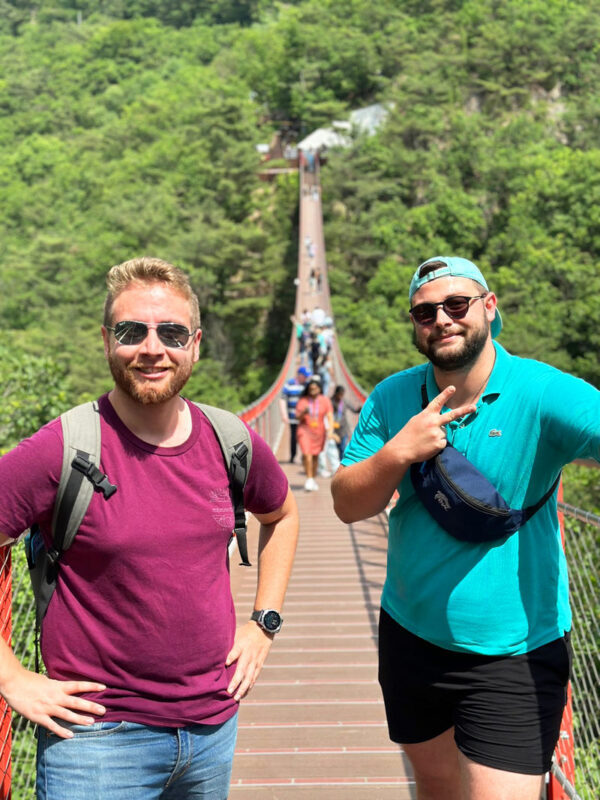
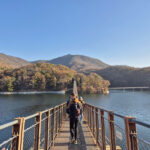
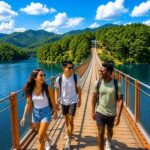
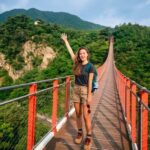
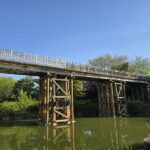
If you want nature as well as history, choose the package that includes Gamaksan Suspension Bridge. The bridge is reached by a scenic walk along mountain trails, with about 20 to 30 minutes of hiking. It offers panoramic views and a quieter contrast to the DMZ sites.
The bridge is not included in the budget essential tour. It is part of the higher-priced combination package, which starts at about US$63.69 and also includes the defector meet-up. If you are comparing prices, that extra cost buys a second kind of experience, not simply more time at the border.
The hike is brief by the supplied description, but it is still a walk on trails. Wear shoes you are comfortable walking in, and consider the weather. The schedule may shift with conditions, and the whole day is already packed. Choose this option if the bridge and mountain scenery genuinely appeal to you, not just because it sounds like a bonus stop.
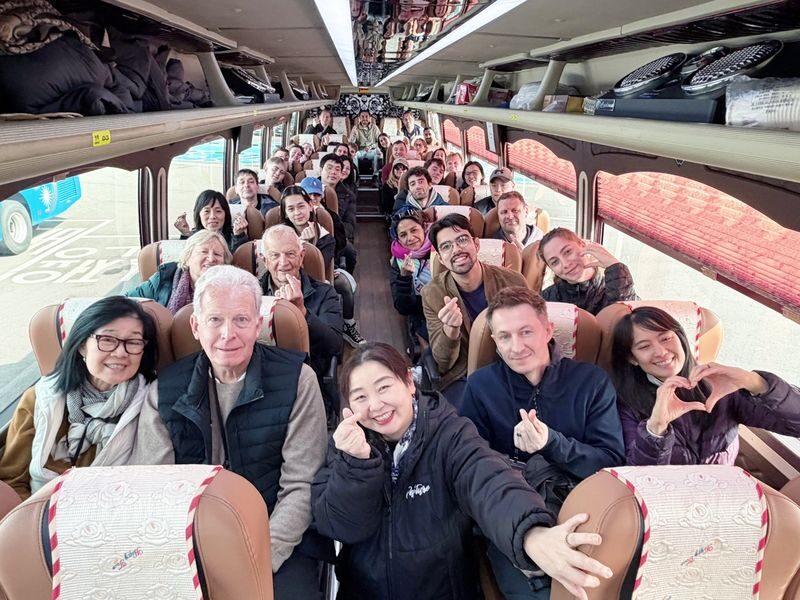
The tour uses a modern, air-conditioned vehicle with round-trip transport from Seoul. That matters on a long day with several stops, particularly when traffic affects the drive. The listed return time is around 3 p.m., but transfers are approximate and the schedule can change with traffic and weather.
The day moves at a brisk pace. The outline schedules about an hour each at Imjingak Park, the Third Tunnel, Dora Observatory and the village, with departure at 7:30 a.m. and return around 3 p.m. The stated times are a guide rather than a guarantee. Keep your group together and listen for instructions, especially in controlled areas where late starts can affect the rest of the itinerary.
The guides are a major part of the experience. Jackie is often known as Jackie the Storyteller, while Han is also called Han Solo. Names such as Ron Han, JJ, Moon and Jung have also been associated with departures. Their styles may differ, but the consistent strength is clear explanation, humor and a willingness to take questions. You will get the most out of the sites if you ask what you are curious about instead of trying to absorb every date in one pass.
At US$44.95, the essential option is a reasonably priced way to reach the main DMZ sites from Seoul with an English-speaking guide, transport and admission listed as included. The day covers several stops that would be difficult to combine independently, particularly given controlled access and the need to follow the day’s procedures.
The jump to US$49.95 for the defector interview is modest if hearing a personal account is a priority. The bridge-and-interview package at US$63.69 costs more, but adds a mountain excursion as well as the conversation. Compare what each ticket includes rather than treating the lowest starting price as the price of every version.
Meals, beverages and personal expenses are extra. There may be opportunities to buy food or snacks at the village, but bring a backup snack if you know you need regular food. Bring your passport, which the tour information specifies should have six months of validity. Children aged zero to three can join free if they do not occupy a separate seat.
I would choose this tour if you want a structured first visit to the DMZ, value an English-speaking guide and want the option to hear a first-person account from someone who left North Korea. It also suits solo visitors: the shared bus, set itinerary and guide-led explanations make it easy to follow the day without arranging several separate visits.
The budget package works for people focused on the core sites and price. Choose the Real Talk option if the interview is central to your interest, and the bridge combination if you also want a short mountain walk and panoramic views. If you dislike early starts, tightly scheduled group travel, military-controlled sites or the physical tunnel visit, this may not be your ideal day.
Before booking, confirm the exact package name, meeting point and included stops. Be at City Hall Station Exit 7 at least 10 minutes before the 7:30 a.m. departure, carry your passport and expect the schedule to change if conditions require it. For a day that joins history, a border viewpoint and, optionally, a personal conversation with a defector, this is a strong-value choice.
“Jackie the story teller has been nothing but exceptional. Guide planned out proper and precise timings for us and also explain & elaborating inform…”
The meeting point is listed as 92 Sejong-daero in Seoul, near City Hall Station Exit 7. The departure time is 7:30 a.m., and you should arrive 10 minutes early.
The listed return time is around 3 p.m. Transfer times are approximate, and the schedule can change with traffic and weather.
No. The Real Talk Experience includes the defector meet-up, and the best-selling combination also includes it. Check the specific package details before booking the budget essential tour.
No. The bridge is included in the higher-priced package that combines it with the defector meet-up. The visit involves about 20 to 30 minutes of hiking.
The tour visits Imjingak Park, the Third Infiltration Tunnel, Dora Observatory and a village in the Civilian Control Zone. Freedom Bridge is also highlighted as a landmark.
Bring your passport, with six months of validity, and comfortable walking shoes. Meals, beverages and personal expenses are not included.
Children aged zero to three can join free if they do not occupy a separate seat.