Physical Address
304 North Cardinal St.
Dorchester Center, MA 02124
Physical Address
304 North Cardinal St.
Dorchester Center, MA 02124

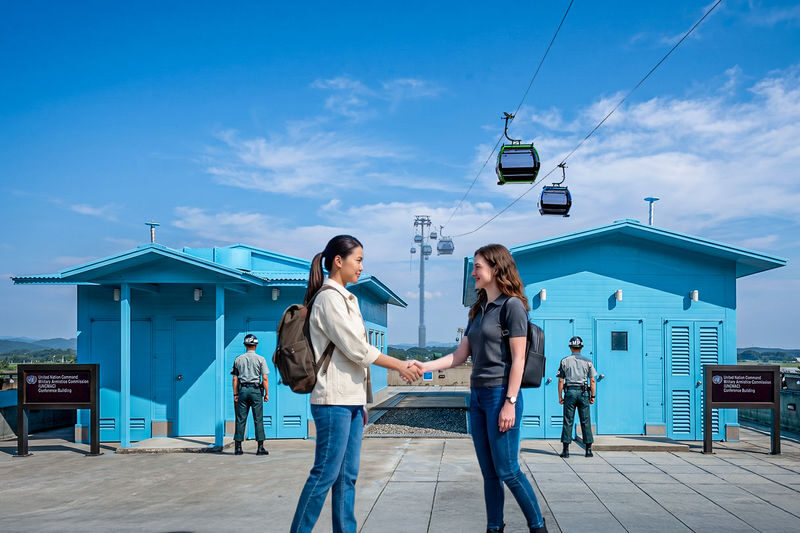
Visit the Korean DMZ from Seoul, with a guide, the Third Tunnel, Dora Observatory, and optional gondola or suspension bridge.
The DMZ is a border you can look across, not simply a line on a map. On this full-day trip from Seoul, you visit places such as the Third Tunnel and Dora Observatory, where clear skies may let you spot North Korea through binoculars. The setting is striking, and the history is sobering.
I like two things in particular: guides such as Andrew, Danny, Yohan, and Patrick bring Korean history into focus with explanations and personal stories, and the itinerary pairs serious sites with a gondola or suspension bridge option. The gondola crosses the Imjin River, while the JSA photo zone offers a photo opportunity rather than entry to the actual Joint Security Area.
One caution: this is a long, active day. The Third Tunnel involves a steep walk, and there may be no dedicated lunch break, so bring a snack and think carefully about your comfort in confined spaces.
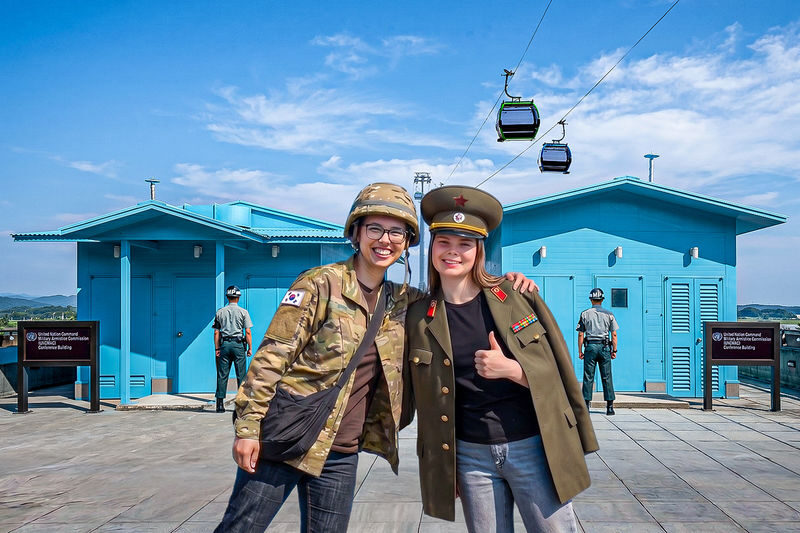
A DMZ day trip can feel abstract if it is all maps, dates, and political shorthand. This one makes the border tangible: you travel north from Seoul, visit sites connected to division and conflict, and look toward North Korea from an observatory. Your guide supplies the context that helps make sense of what you see.
The DMZ is a controlled area, so this is not a free-roaming excursion. Sites can close or change, the schedule can shift with traffic and weather, and the Third Tunnel may be replaced if it is unavailable. The tour is best approached as an organized introduction, not a promise that every stop will operate exactly as planned.
The tour is run by Korea Time Tour and costs from US$46 for the basic package. Optional packages add a gondola, a suspension bridge, or both, with listed prices starting around US$56.95, US$66.69, and US$74.39 respectively. Check what the selected package actually covers: the supplied details say optional attraction admission, including the gondola and suspension bridge, is not included in the base tour.
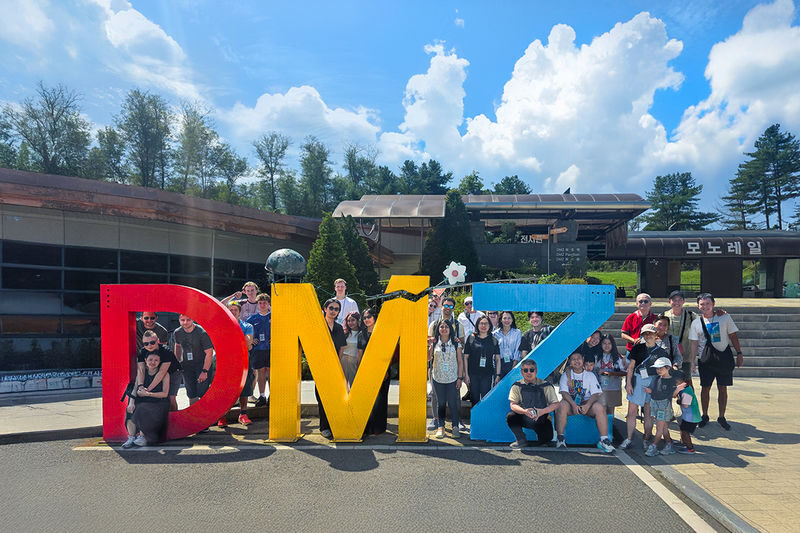
The standard morning departure has pickup points at Myeongdong Station Exit 7 at 7:20, City Hall Station Exit 7 at 7:30, and Hongik University Station Exit 1 at 7:45. Arrive five minutes early. The vehicle may be a car, van, or bus, depending on the group size, and late arrivals or no-shows are not refundable.
There is also an 8:40 departure package. Since pickup details can vary by package, follow the instructions on your voucher rather than assuming that the earlier pickup schedule applies. The advertised return is around 16:20 at Hongik University Station, 16:40 at City Hall, and 16:50 at Myeongdong, though traffic and local conditions can change the drop-off plan.
The bus ride is useful preparation time. Guides often explain the history and significance of the DMZ while you travel, and can answer questions along the way. Names mentioned for this tour include Andrew, Danny, Yohan, Patrick, Roy, and Nara, but guides are assigned by departure and are not guaranteed.
Hotel pickup is available for groups of more than 10, if arranged with the operator in advance. For smaller groups, plan to reach one of the listed stations yourself.
Looking for more options in Gangwon? Here are some other experiences worth considering.
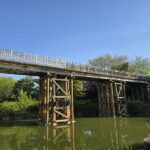
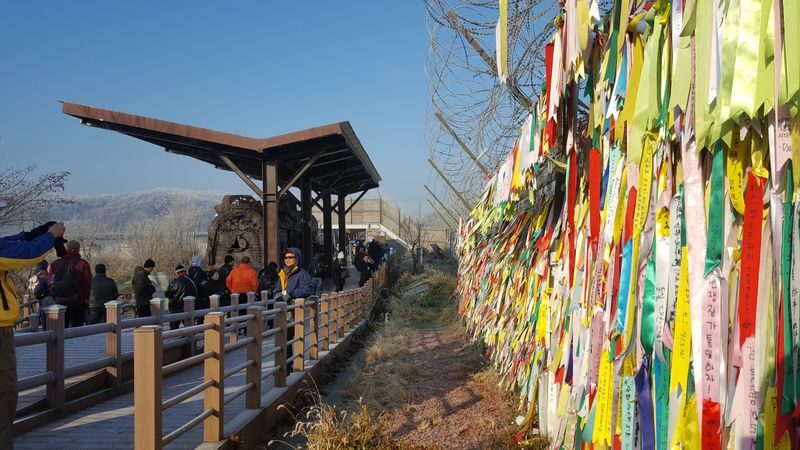
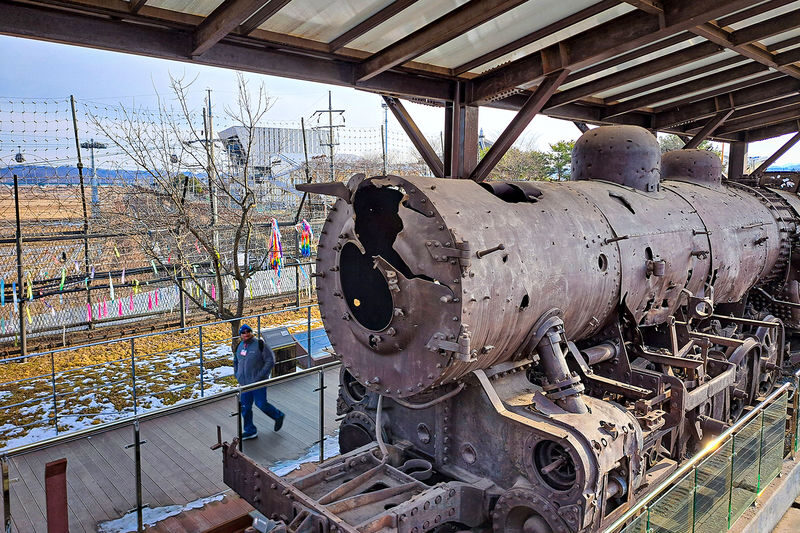
Freedom Bridge is one of the places where the history of the Korean War and its aftermath feels close at hand. It gives the day a human scale: division is not only a geopolitical situation, but a continuing reality tied to families, movement, and memory.
Allow your guide’s explanation to shape the visit. The value of a guided tour here is not just getting from site to site. It is having someone explain why these locations matter and how the events that shaped them still affect life on the peninsula. Guides on this tour are frequently described as engaging, clear, and willing to answer questions, with a mix of historical explanation and personal stories.
Keep in mind that the time at each stop can vary. Busy days may mean a tighter schedule, and the itinerary is subject to traffic and site conditions. If you like to linger at every exhibit or take your time with photographs, a group tour may feel brisk.
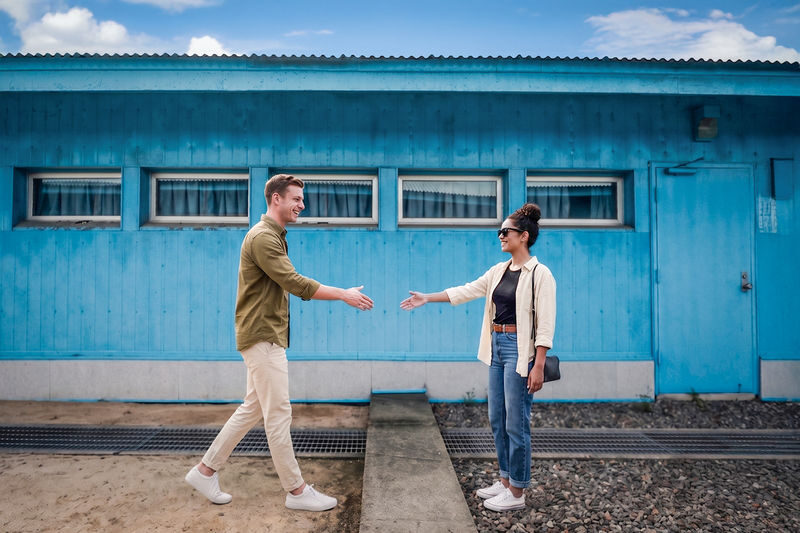
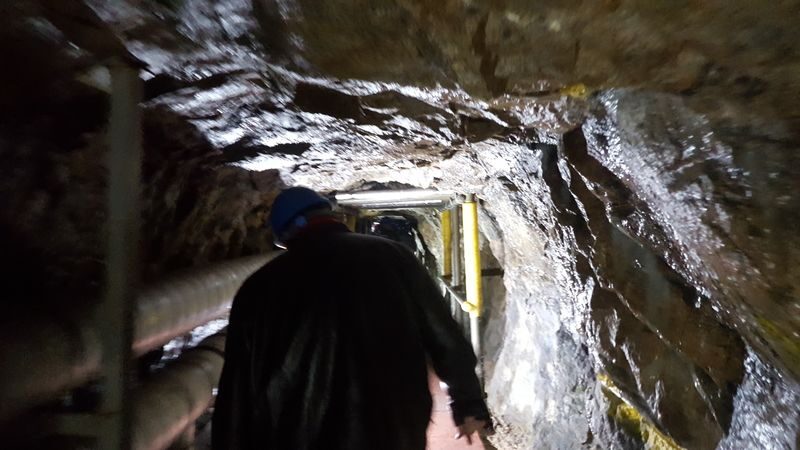
The Third Tunnel is the most physically demanding part of the visit. It is associated with North Korea’s attempts to build tunnels under the border, and walking through it gives you a concrete sense of how close the two sides are. It also requires more stamina than many people expect: the route involves an intermediate level of hiking and a long, steep uphill walk.
If you have heart, leg, back, or respiratory problems, the tour information says you cannot enter the tunnel. Even without those conditions, consider knee or foot pain, claustrophobia, and your comfort with a strenuous climb before deciding to go in. There is a waiting area with fans for people who sit this section out, according to information from the tour.
The tunnel can also be unavailable. If so, the operator may substitute another destination, and the precise replacement can affect the return plan. One stated alternative route does not return to Hongik University Station; if you need to get there, the tour information advises taking subway Line 2 from City Hall. Check with the guide on the day if a substitution affects your plans.
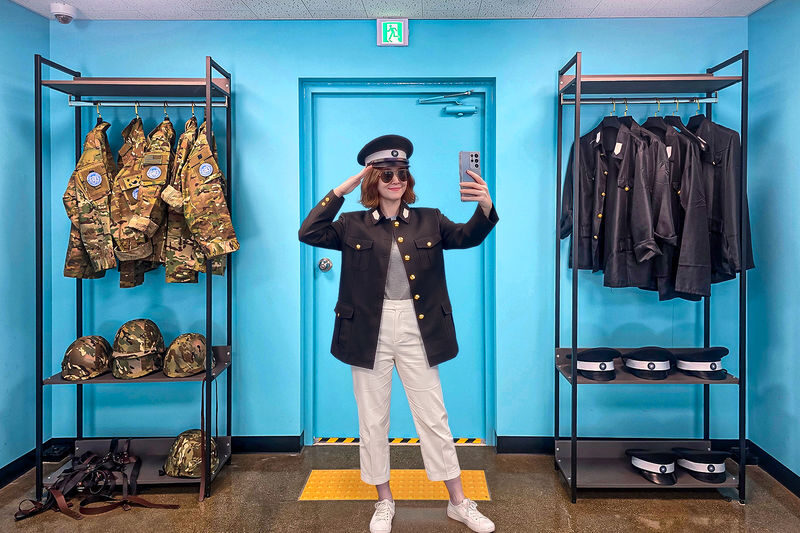
At Dora Observatory, you look north across the border. When the skies are clear, binoculars may bring North Korea into view, and the guide can point out what you are seeing. Visibility is weather-dependent, so treat this as a possibility rather than a guarantee. Even on a hazy day, the viewpoint helps you understand the geography of the border area.
The experience is more than simply looking through binoculars. A guide can explain what is visible and how to use the observation point, which makes the stop more rewarding than arriving without context. Keep your expectations measured: this is a distant view across a controlled border, not a close encounter or an open visit to North Korea.
The tour also includes Unification Village, another chance to consider how the border shapes nearby communities. The stops together give the day a useful rhythm: historical sites, a physical visit underground, and a broad view of the divided peninsula.
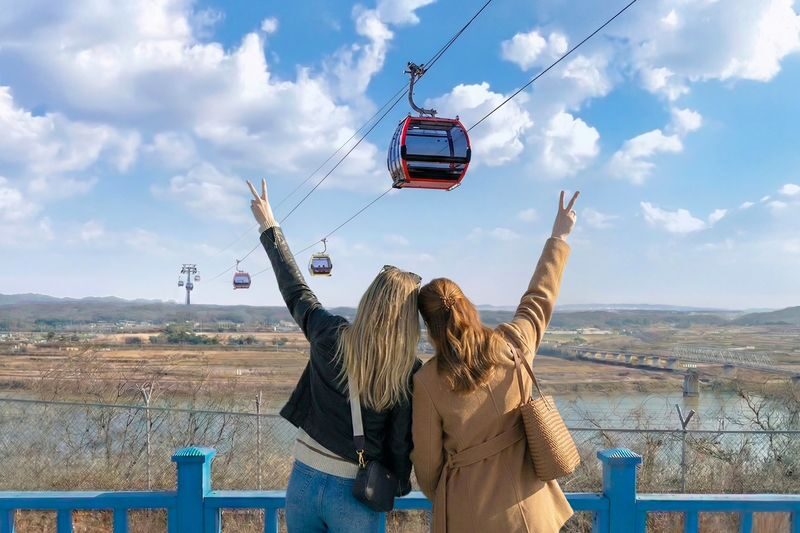
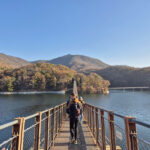
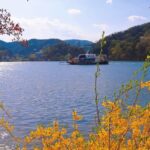
The optional gondola ride crosses the Imjin River and adds a scenic element to a day that is otherwise centered on history and security. The package calls its destination a JSA or Panmunjeom photo zone. That wording matters: this is a photo opportunity associated with the Joint Security Area, not access to the actual JSA or a visit to Panmunjeom itself.
Some packages combine the gondola with a suspension bridge, and the higher-priced option includes both as named add-ons. The supplied details also say gondola and suspension bridge admissions are not included, so check the final booking terms and budget for any extra ticket charges. Do not assume that a package label alone means every optional admission is covered.
The gondola is a good fit if you want a more scenic stop and a distinctive photo. If your main reason for booking is the history, the basic tour may be enough. The photo zone is an add-on, not a substitute for visiting the actual JSA.
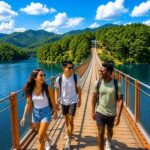
The suspension bridge package adds a different kind of stop to the day. It is a sensible choice if you want a mix of historical sites and outdoor scenery, or if you are travelling with family members who would appreciate a change of pace. A Monday-only package is listed for the Red Suspension Bridge.
As with the gondola, check whether the bridge admission is covered in your selected option. The tour’s included items cover transportation, an English-speaking guide, and standard tour admission, but the details explicitly list optional attraction admission as excluded. If the add-on price matters to your decision, clarify the ticket cost before booking.
Do not count on a formal lunch break. The day has rest stops, and cafes or places to buy a snack may be available, but the itinerary can move quickly. Bring something easy to eat and water or another drink, and use the coffee stop to pick up food if you need it.
Wear shoes suited to hills and walking, especially if you plan to enter the Third Tunnel. Bring a valid passport for every person in your group: it is required, and you cannot join without one. Children and infants must be included in the passenger headcount. Child seats are not available, pets are not accepted, and luggage delivery is not provided; discuss luggage allowance with the operator before the tour.
The vehicle type depends on the number of participants. The group size can therefore affect how the day feels, but the tour’s value is in having transport between sites and a guide to keep the schedule and explanations together.
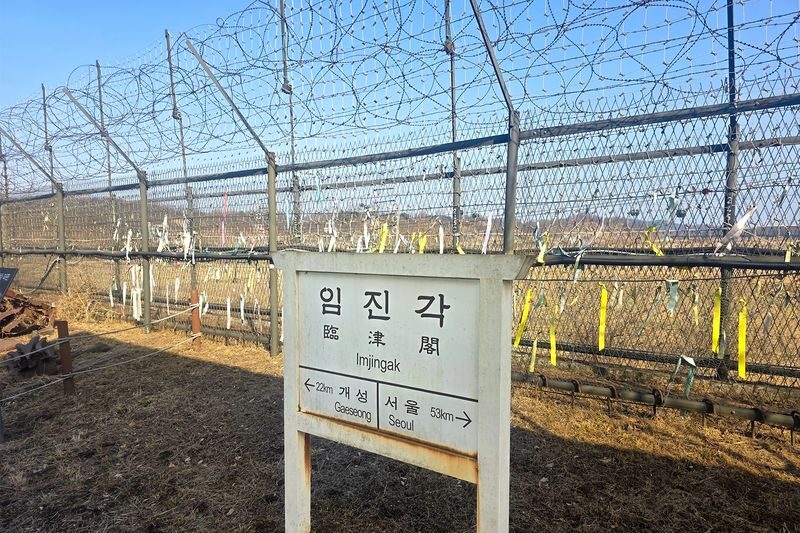
At US$46, the basic tour offers a practical way to reach several DMZ-area sites from Seoul, with round-trip transport, an English-speaking guide, and standard admission included. Getting to the DMZ independently would mean sorting out transport and access yourself, while the guide helps make the places legible. That is the core value here.
The higher-priced options make sense if you actively want the gondola, the suspension bridge, or both. The combined package starts at US$74.39, but optional admissions may still be extra, so compare the full cost rather than the headline fare. If the added stops matter less to you than the tunnel, observatory, and historical context, stick with the basic option.
This trip is a strong choice for first-time visitors to South Korea who want a guided introduction to the DMZ, families with older children who can manage a full day, and anyone interested in Korean history or current relations between North and South Korea. It is less suitable if you need a flexible pace, require a child seat, cannot manage the tunnel’s climb, or dislike early starts and tightly scheduled group visits.
Book it if you want a structured, informative day from Seoul and understand that the border area is not a place to explore independently at leisure. The strongest reason to go is the combination of site visits and a guide who can explain their meaning. The tunnel and observatory are the heart of the experience; the gondola and bridge are worthwhile extras if they match your interests and budget.
Before you confirm, choose the package carefully, check the optional admission costs, and plan for the passport requirement, early pickup, physical effort, and limited meal time. If those details suit you, this is a memorable way to see how Korea’s division is marked on the ground.
“Nara and Andrew were amazing guides. Friendly, funny and informative!”
Pickup points are outside Myeongdong Station Exit 7, City Hall Station Exit 7, and Hongik University Station Exit 1. The standard departure times are 7:20, 7:30, and 7:45 respectively. A separate 8:40 departure package is also offered, so check your voucher for its pickup details.
The standard schedule begins between 7:20 and 7:45, depending on your pickup point, and returns to Seoul from around 16:20 to 16:50. Traffic, weather, and local conditions can change the schedule.
Yes. Every participant must bring a valid passport. The tour information says you cannot join without one.
The Third Tunnel requires an intermediate level of hiking and includes a long, steep uphill section. The tour information says people with heart, leg, back, or respiratory problems cannot enter it. If you have mobility or claustrophobia concerns, consider sitting this part out.
You may be able to see North Korea through binoculars if the skies are clear. Visibility depends on the weather, so a view is not guaranteed.
A formal lunch break is not specified. Rest stops and cafes may be available, so bring a snack in case you need food between stops.
No. The basic DMZ Tour does not include gondola admission. Gondola packages are offered, but the tour details also list the gondola ticket as an excluded cost, so confirm the exact admission charge when booking.
No. The gondola option is described as including a JSA or Panmunjeom photo zone. It is a photo stop, not entry to the actual Joint Security Area.
Hotel pickup is available for groups of more than 10, if you discuss the location with the operator in advance.