Physical Address
304 North Cardinal St.
Dorchester Center, MA 02124
Physical Address
304 North Cardinal St.
Dorchester Center, MA 02124

Climb North Africa’s highest peak on a three-day Atlas trek from Marrakech, with Berber villages, Tamsoult Waterfalls and mountain refuge nights.
Mount Toubkal rises to 4,167 meters, and this three-day trek takes a quieter, more scenic route to its summit than the standard two-day out-and-back. You’ll cross a high pass, visit a 100-meter waterfall, sleep in mountain refuges and walk through Berber country before the summit push.
I like two things in particular: the first day gives you time to adjust to the altitude, and the route adds a loop through the Atlas Mountains instead of rushing straight to the peak. The main consideration is effort: long days, steep climbs and a very early summit start make this a real mountain trek, not a casual Marrakech excursion.
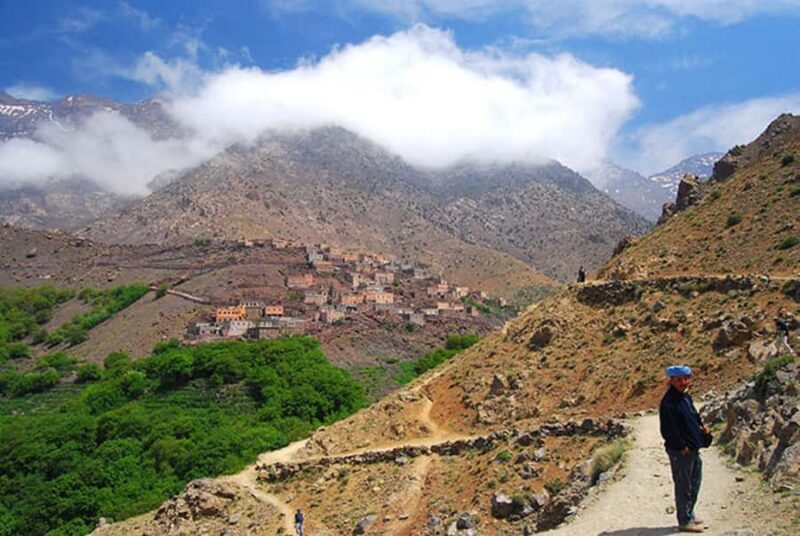
Your morning begins with a pickup at your Marrakech hotel or riad, followed by a drive of about 65 kilometers to Imlil. The road passes through Tahanaout, Oued Ghighaya and Asni, with views of villages scattered across the valleys. If your riad sits on a car-free lane in the Medina, the operator will arrange a nearby pickup point by WhatsApp the day before. That small bit of coordination is worth sorting out before bedtime.
In Imlil, you meet your certified mountain guide and muleteer team. Mules carry luggage you will not need on the trail, which makes packing light for the day easier. The group limit is 14, though some departures have been much smaller. A small group can make it simpler for the guide to check how everyone is doing, but your pace still needs to suit the whole party.
The first day is not just a transfer followed by a warm-up stroll. You climb Tizi Mzik Pass at 2,479 meters, then continue through juniper forest toward Tamsoult Waterfalls. The route covers 11 kilometers, with about 800 meters of ascent and 400 meters of descent, and takes roughly five to six hours.
You can check availability for your dates here: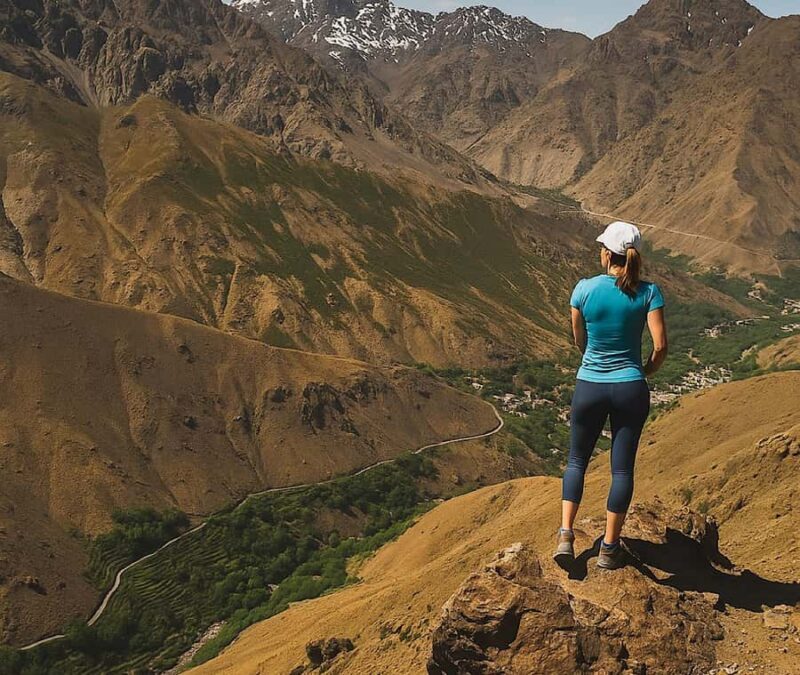
The pass offers views across the Imlil Valley and toward Mount Toubkal, giving you an early sense of the scale of the route ahead. It is also the first proper test of your legs. Take your time here: a steady start is more useful than burning energy to get ahead of the group.
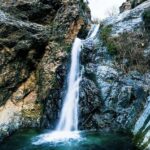
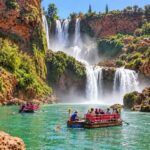
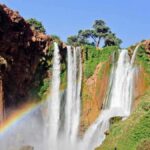
From the pass, the trail continues through juniper trees to the Atlas Mountains’ highest waterfalls, described as about 100 meters high. The falls provide a striking pause on a day that is otherwise all about climbing and moving between valleys. After the visit, you head to Tamsoult Refuge for the night.
This first night is part of what makes the three-day route appealing. You are already well into the mountains, rather than simply following the most direct route toward the main refuge. The tradeoff is that the next day includes a substantial climb, so do not treat the first evening as permission to overdo it.
Outdoor enthusiasts can explore more Marrakesh trails with these hiking options
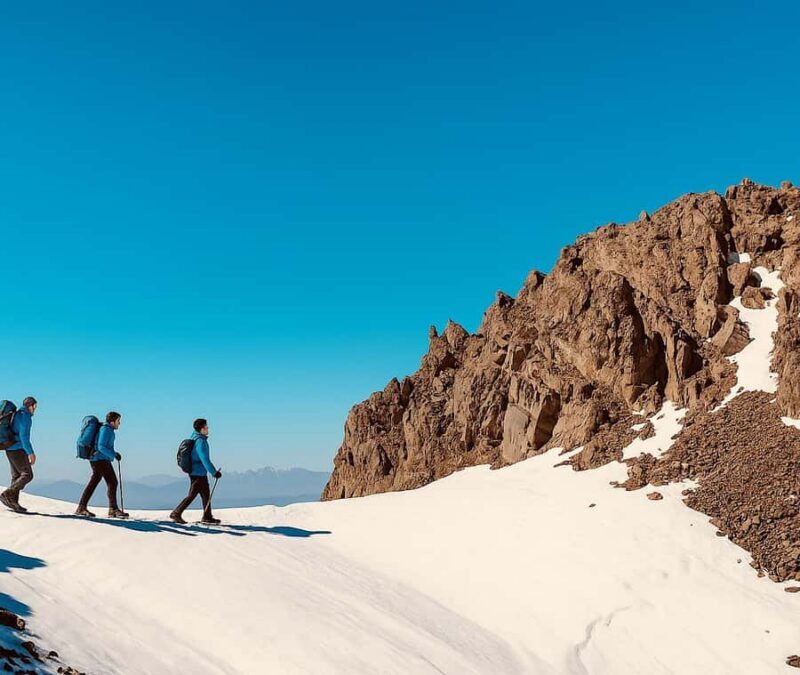
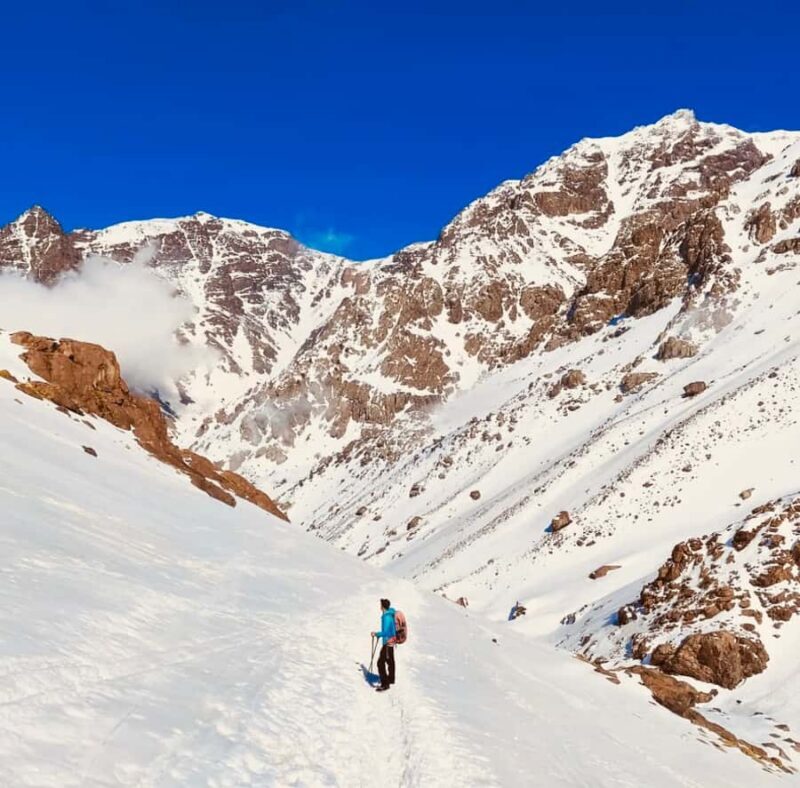
Day two is the biggest sustained ascent. You’ll cover about 10 kilometers, gain roughly 1,200 meters and lose about 300 meters, with six to six and a half hours of walking. The high point is Aguelzim Pass at 3,650 meters, where views open toward Toubkal’s summit.
The plan is to climb at a steady pace to give your body time to adapt. That matters: altitude affects people differently, and fitness alone does not guarantee you will feel fine at higher elevations. Tell your guide promptly if you feel unwell, rather than trying to keep up in silence. Guides on this route have been praised for checking on the group and slowing the pace when needed.
From the pass, you descend to Toubkal Refuge at 3,207 meters, your base before summit day. Refuge conditions are basic mountain accommodation, not a hotel. Reports describe bunk beds, blankets and, in some cases, hot showers; facilities and shower charges can vary. A sleeping bag or liner is sensible, particularly when nights are cold. Pack soap and toilet paper, since these may not be supplied.
There is a detail worth checking before you book: the included-items list calls the accommodation a local house, while the route describes overnight stays at mountain refuges. The actual sleeping arrangements appear to involve refuges on the mountain, but confirm the specific accommodation with the operator so you know what to expect.
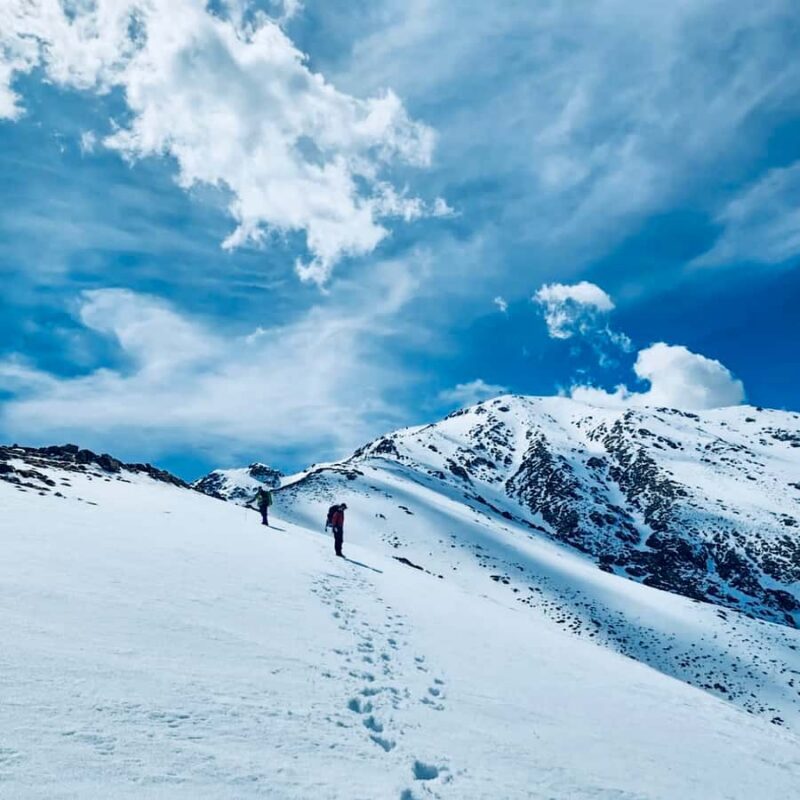
Summit day begins early, with a climb of about 980 meters from the refuge. The summit section is listed as a four-kilometer loop, followed by a four-kilometer descent to the refuge. The day then continues all the way down to Imlil, for a total of about 14 kilometers of descent and eight to nine hours of walking.
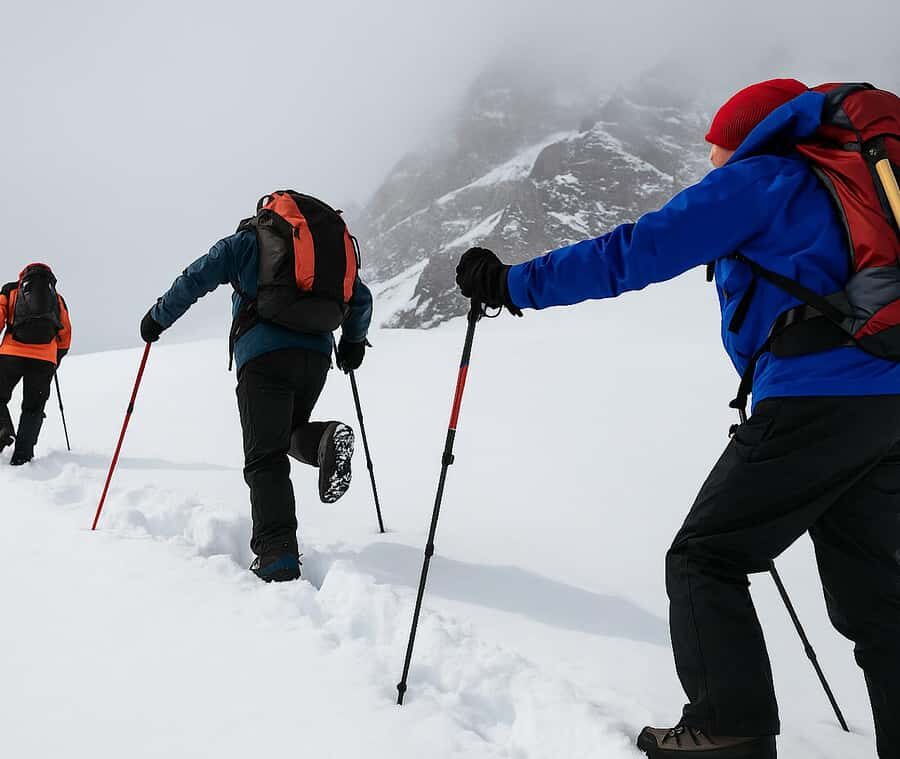
The climb is non-technical, meaning it does not call for technical climbing skills. It is still strenuous. You’ll be walking at altitude, often in cold conditions, and the descent can be hard on tired legs. One trekker described slipping on the scree on the way down, so use care and follow your guide’s instructions, especially on loose ground.
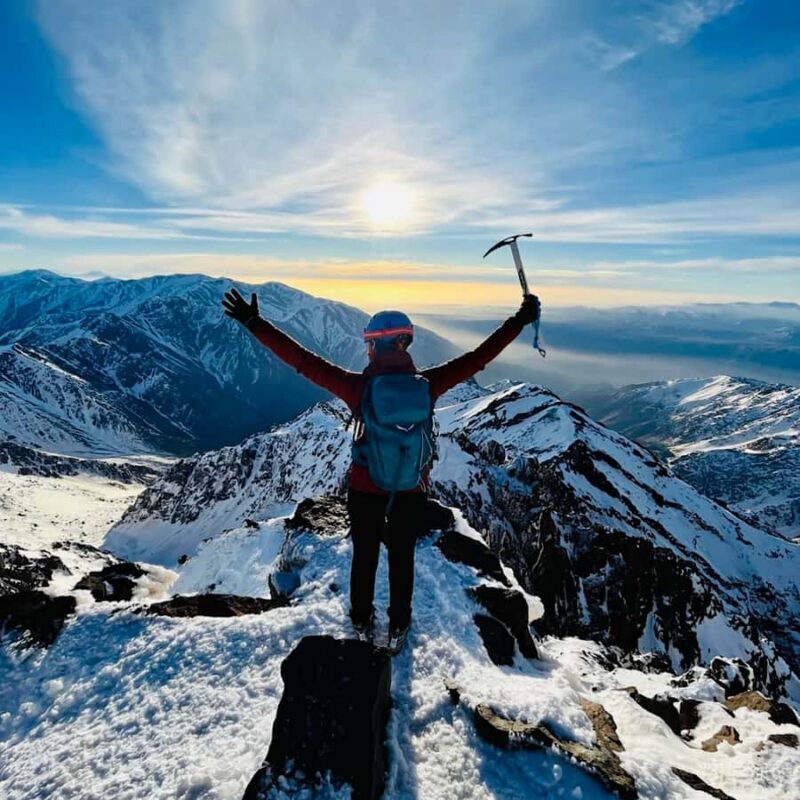
If weather allows, the summit rewards the early alarm with broad views across the High Atlas, with the Sahara visible on the horizon in clear conditions. Sunrise is a common goal, but the exact timing depends on the group, conditions and the guide’s judgment. A storm or poor weather can force a change of plan or prevent a summit attempt. That is a mountain safety decision, not a failed tour.
After a short break back at the refuge, you continue down to Imlil. This final descent is a long finish after the summit, and it may feel like the day’s second hike. From Imlil, a vehicle takes you back to Marrakech, usually arriving around 5 p.m. Allow for tired legs and a quiet evening afterward.
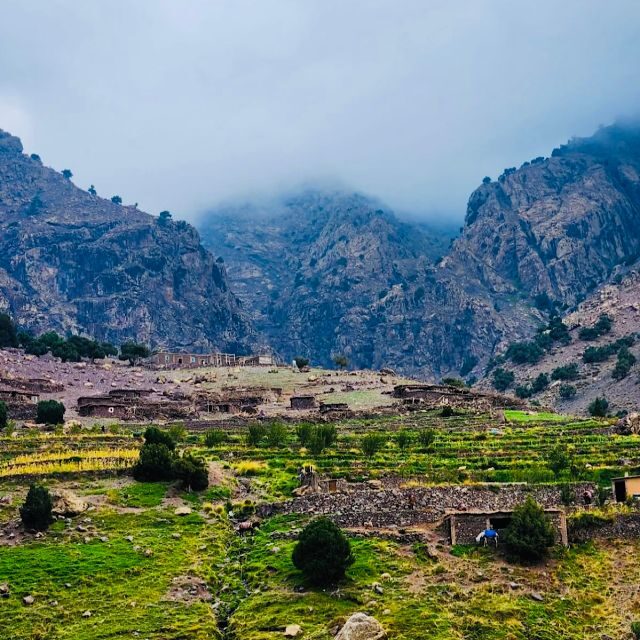
At $226 per person, the package includes round-trip transport from Marrakech, a guide, muleteers and mules for luggage, accommodation, and meals listed as three breakfasts, three lunches and three dinners. For a three-day mountain trip, having transport, food and luggage support arranged is useful. You can concentrate on walking instead of organizing each leg of the route yourself.
Food is a frequent bright spot on this trek. Expect meals intended to fuel long days, and reports describe generous portions and freshly prepared dishes. Still, there is a discrepancy to settle: one participant was told the final dinner shown in the program was a typo and was not provided. Confirm exactly which meals are included before departure, and carry some money for snacks, water or other personal purchases.
Travel insurance, personal expenses and mountain gear are not included. Some people have found it easy to rent gear locally, but availability and suitability are not guaranteed. Ask the operator in advance if you need to rent anything, and do not leave essential footwear or cold-weather clothing to chance.
More Great Tours Nearby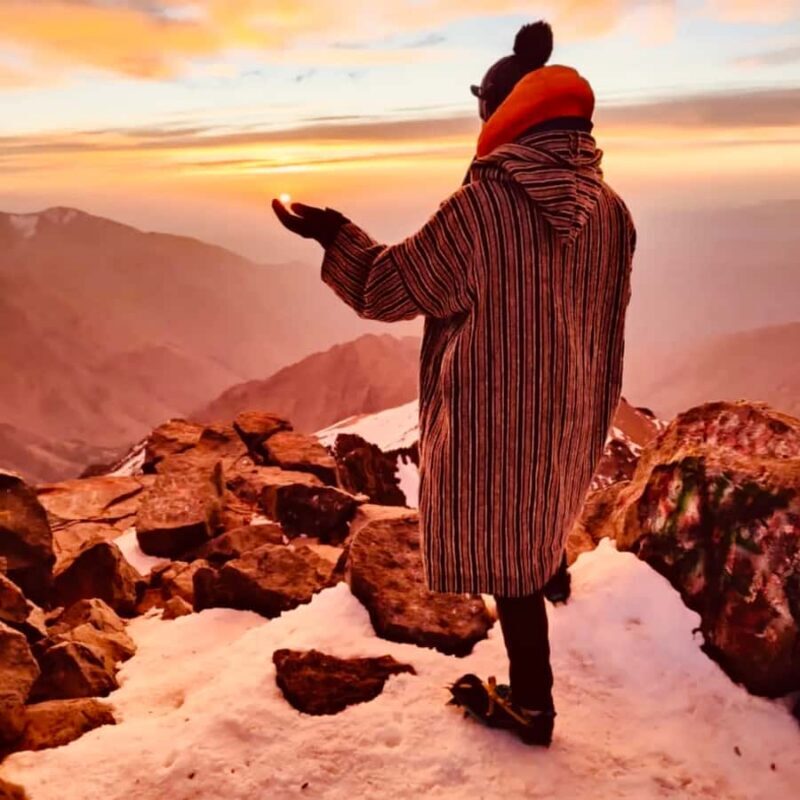
Use the provided list as a starting point: passport, hiking shoes, warm clothing, jacket, rain gear, camera and sleeping bag. The summit can be cold even in warmer months, so pack layers rather than relying on one heavy jacket. A headlamp, beanie and sunscreen are also useful items specifically recommended by people who have completed the route.
Bring toilet paper and soap for the refuges. Snacks and electrolyte drinks can help on long walking days, and local currency is handy for water, snacks or paid showers. The mule team carries luggage, but you still need a small day pack for the things you want with you on the trail. Pack that bag thoughtfully: your main luggage may travel ahead to the overnight stop.
Hiking shoes are essential. Sandals, flip-flops and slippers are listed as not allowed, so do not plan to use them as trail footwear. The supplied gear information is not exhaustive, and some previous participants wished they had received a more detailed packing list. If you are unsure about a particular item, ask the operator before leaving Marrakech.
You might also be interested in these Marrakesh experiences
The tour runs in Arabic, English and French, with a maximum group size of 14. Your guide’s role is more than pointing out the route: pacing and monitoring the group matter on a high-altitude trek. Guides named by participants include Kamal, Hassan, Mustafa, Mohamed and Youssef, but who leads your departure can vary. Do not assume you will have a particular guide.
Weather and mountain access can alter the itinerary. Some departures have shortened the trek or changed the order of activities; one group spent an extra day visiting Berber villages after weather disrupted the original plan. These changes can be disappointing, especially if you have come chiefly for the summit. Ask how the operator will communicate changes and what alternatives are possible if conditions make the route unsafe.
A missed summit is possible. One group turned back because of a storm, while other departures reached the top at sunrise. Bring flexibility along with your warm layers. The guide’s decision to change plans is part of managing a mountain trip, where conditions take priority over the printed schedule.
This route suits you if you are in decent walking shape, want more than a quick ascent and are comfortable with basic mountain lodging. You do not need technical climbing skills, but you should be ready for several long days on foot, a high-altitude pass and a steep summit climb followed by a long descent. Beginners have completed the trek, but that does not make it easy for everyone.
The three-day version makes particular sense if you want to see more of the Atlas Mountains and prefer a gradual approach to the summit over the standard two-day out-and-back. The extra day gives you time on a different route, including Tamsoult and its waterfall. If your main goal is simply to reach the top as quickly as possible, compare it with the shorter option; you may value the extra mountain time more than a quicker schedule.
The activity is not suitable for children under two, pregnant women, people with high blood pressure or people over 95. If you have a health concern not covered here, seek appropriate medical advice before booking.
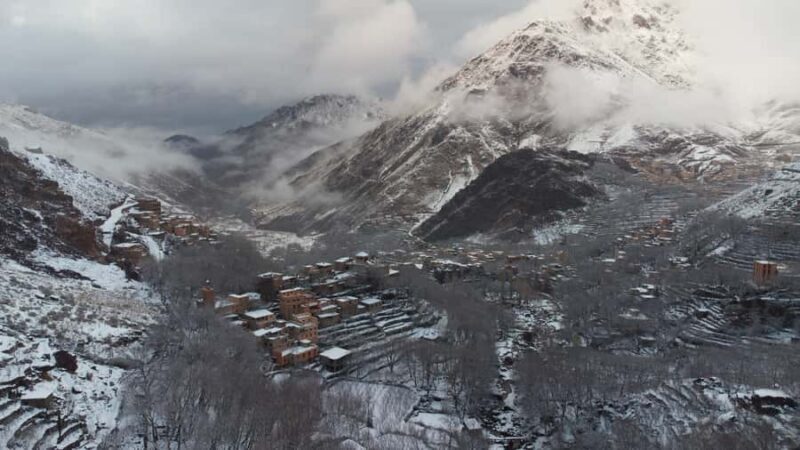
I’d choose this trip if you want the summit and a fuller taste of the Atlas Mountains, not just a fast ascent. The waterfalls, Berber villages, high passes and refuge nights give the trek more variety, while the guide, meals, transport and mule support make the $226 price good value for what is included.
Go in prepared: train for long hikes, pack for cold weather and ask the operator to clarify lodging, gear rental and the final meal. Most important, accept that reaching the summit depends on conditions. If you can handle a demanding walk and a plan that may change for safety, this is a rewarding way to get beyond Marrakech and into the mountains.
“It was amazing, really nice views, good food and very helpful guides. Youssef was amazing, helped us a lot and made sure everyone was feeling well.”
The trip lasts three days. Walking times are about five to six hours on day one, six to six and a half hours on day two, and eight to nine hours on summit day.
The summit is 4,167 meters above sea level, making it the highest peak in North Africa.
The ascent is described as non-technical, but it is physically demanding and includes steep walking at high altitude.
The $226 price includes a guide, round-trip transport from Marrakech, muleteers and mules for luggage, accommodation, and meals listed as three breakfasts, three lunches and three dinners. Confirm the exact lodging and meal arrangements before booking.
Bring your passport, hiking shoes, warm clothes, a jacket, rain gear, camera and sleeping bag. A headlamp, beanie, sunscreen, toilet paper, soap and snacks are also useful.
Guides are available in Arabic, English and French.
Yes. Weather or access conditions can change the route or shorten the trek, and bad weather may prevent a summit attempt.
You can check availability for your dates here: