Physical Address
304 North Cardinal St.
Dorchester Center, MA 02124
Physical Address
304 North Cardinal St.
Dorchester Center, MA 02124

Explore Hoi An’s old town with a small-group local guide, visiting heritage houses, temples and the Japanese Covered Bridge for $14.
Hoi An’s old town is easy to admire and surprisingly easy to wander through without understanding what you’re seeing. This small-group walk links its temples, assembly halls, heritage houses and market with the stories that make the town’s layered past easier to read.
I like the group limit of 10, which leaves room to ask questions, and the mix of major sights with quieter lanes and indoor stops. I also like that guides such as Trung and Duy share useful local recommendations, so you can leave with ideas for food, coffee and shopping, not just a route through town.
One practical catch: the $14 price does not include the old town heritage ticket, which costs 120,000 VND per person and must be paid in cash. The walk covers several sites, so wear comfortable clothes and be ready for crowds, especially during busy periods such as Tet.

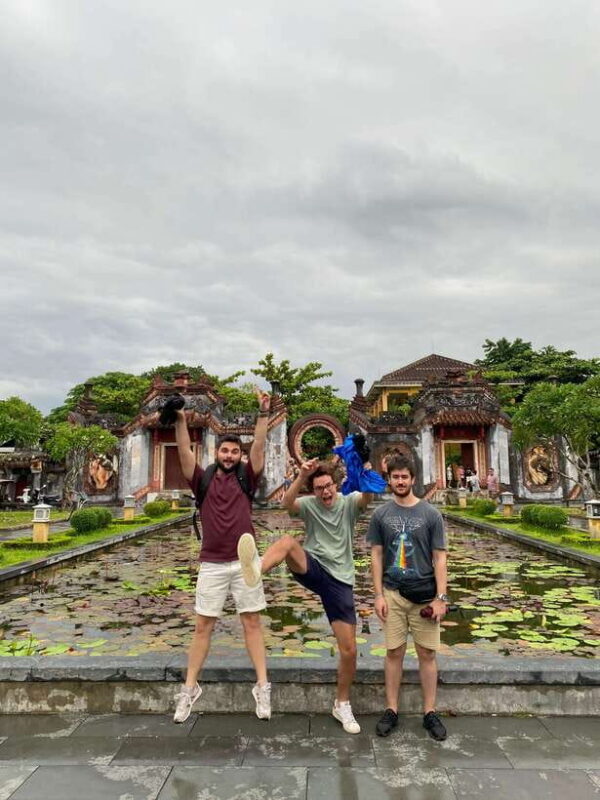
Hoi An’s old town is compact, but its beauty can distract from the details. The yellow façades, tiled roofs and lantern-lit lanes are memorable on their own. A guide helps you connect the buildings to the town’s history, local customs and everyday life, so the walk becomes more than a photo stop at one landmark after another.
That context is the chief value here. Guides including Trung, Duy, Tom and Tin have led the walk, and visitors describe an easygoing style that mixes historical explanation with humor and time for questions. Strong English matters on a tour like this: you want to understand the story while standing in a busy street, not just hear a list of dates.
I’d book this early in your stay. You’ll get a practical overview of the old town before deciding where to spend more time, whether that means returning to a heritage house, finding a café or asking about local dishes. If you have only one day in Hoi An, a guided introduction can help you use it well.
If you enjoy exploring Hoi An on foot, these walking tours might also suit your style
Meet at 95 Phan Chu Trinh Street, in front of a tailor shop at the corner of an intersection. There is no hotel pickup or drop-off, so plan your own way to the meeting point and arrive with enough time to find it. The meeting spot has been described as easy to locate, but the old town’s streets can be crowded, so a little extra time is sensible.
The tour lasts about 150 minutes, or two and a half hours, though the listed visit duration is also given as three hours. Treat it as a substantial walk rather than a quick loop, and leave some breathing room in your day. The group is limited to 10, a helpful size when you’re moving through narrow lanes or gathering near busy sights.
Hoi An’s weather and foot traffic can affect the feel of the walk. Groups have continued in wet weather and during Tet crowds, with guides adjusting the pace and route to keep everyone together. Still, crowded streets are part of the setting, not something a guide can make disappear.

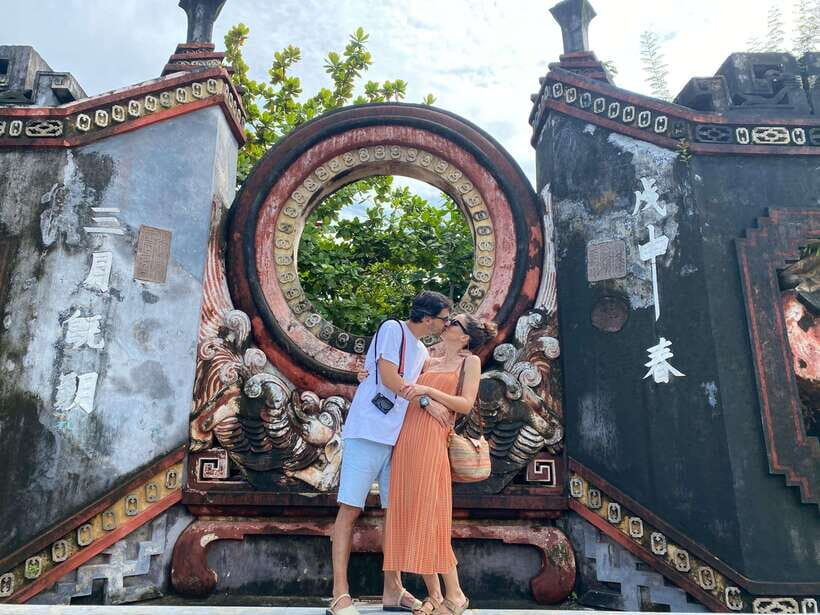
The route starts among the old town’s architectural details at the Ba Mu Temple gate. It gives you an early chance to look closely at Hoi An’s historic design and get comfortable moving through its lanes with a guide pointing out what might otherwise pass unnoticed.
This is a good place to begin because the town’s appeal isn’t limited to its most famous bridge. A guide can help you notice how different buildings and cultural influences sit side by side. That kind of background makes later stops more meaningful, even if you’re not the sort of person who wants a lecture at every doorway.
The tour includes the Fujian and Cantonese Assembly Hall in Hoi An. These sites add a different perspective to the route, showing that the old town’s story reaches beyond individual homes and streets. Your guide can explain the places’ cultural role and help you take in details that are easy to miss when you’re simply passing through.
Expect stops at heritage sites to involve looking, listening and asking questions, rather than long stretches of uninterrupted walking. The indoor visits also offer a welcome change from the street, especially on a hot or rainy day. The tour highlights indoor breaks, though the precise time spent at each place can vary with crowds and questions.
More Great Tours Nearby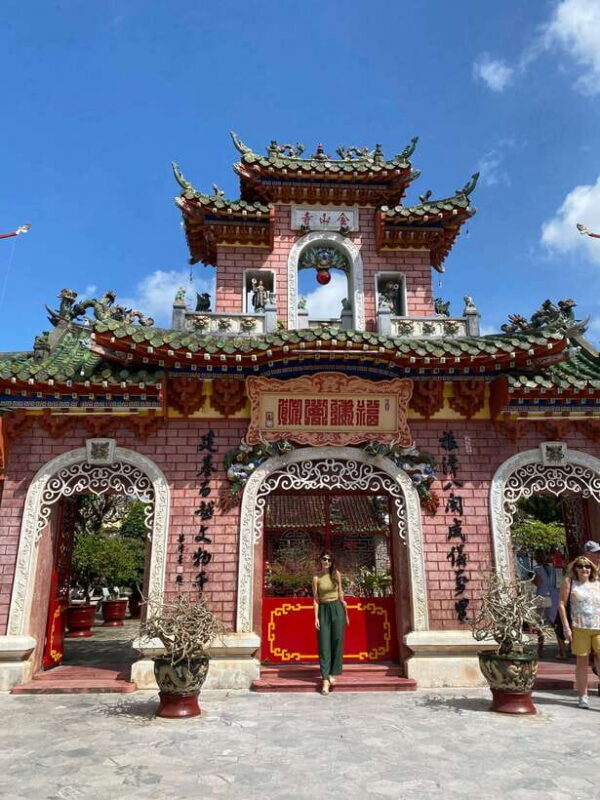
The Japanese Covered Bridge is one of Hoi An’s best-known sights, and it’s included in the route. Seeing it with a guide gives you more than the familiar view: you can place the bridge within the town’s history and understand why it matters as part of the wider old-town visit.
It can also be busy. You may need to share the area with other people taking photos, so don’t expect a quiet, private look. The advantage of a guided walk is that the bridge is one stop among several, not the entire reason for the outing.
If you prefer having a local expert, these guided Hoi An experiences could work well
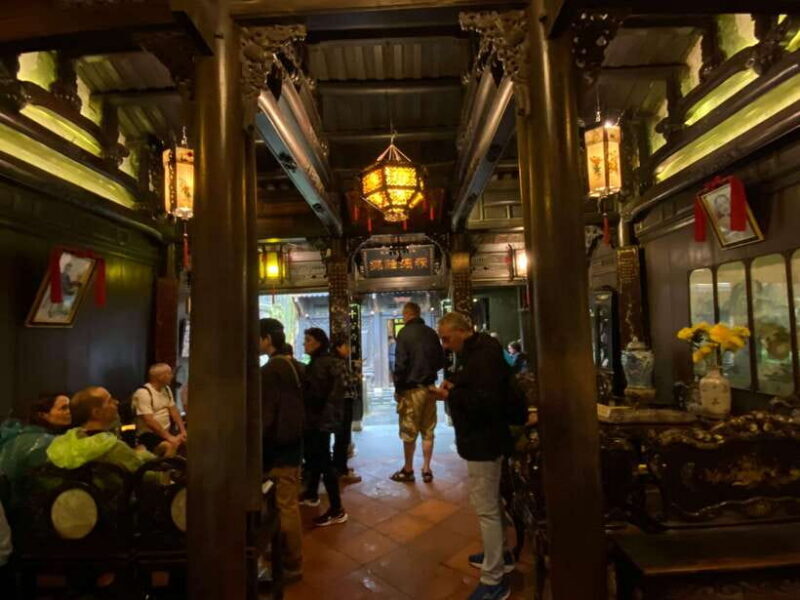
At Tấn Kí Heritage House, the tour moves from public landmarks into the world of historic domestic life. The route also includes the Museum of Folk Culture and the Hoi An Traditional Art Performance House. Together, these stops broaden the picture: you’re not just seeing façades, but getting a look at how local culture and traditions are presented inside heritage spaces.
A guide is especially useful here. Historic rooms and displays can be hard to interpret without context, and you’ll have a chance to ask questions as you go. The route gives you a good overview, but it isn’t a deep study of every site. If one building catches your interest, make a note and return later at your own pace.
The tour also includes hidden alleys and photo spots. That’s a practical bonus in a town where it’s easy to follow the main flow of people and miss quieter corners. Don’t expect every lane to be empty, though: the old town is a popular place, and crowd levels change through the day and season.
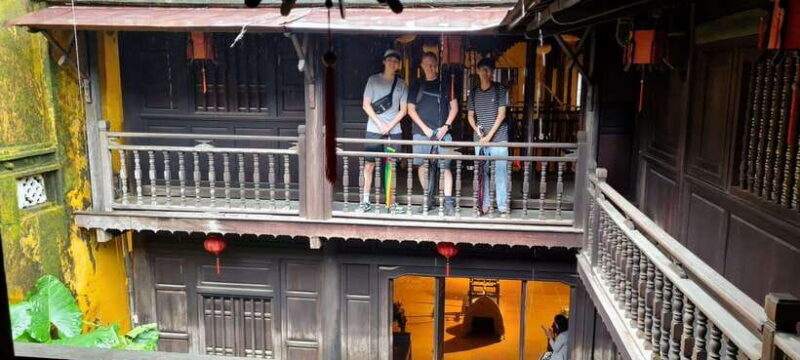
The Hoi An Market adds everyday activity to a route otherwise focused on heritage sites. It gives you a chance to see a more practical side of the town and may help you get your bearings before you head out on your own to eat or shop.
The included treat is either local tea or a dessert. Some groups have ended with a herbal drink at Mót, a familiar local stop, but the exact treat and location may vary. Think of it as a pleasant pause, not a meal replacement. It’s also a good moment to ask your guide for specific recommendations.
That advice is one of the tour’s most useful extras. Guides have offered suggestions for restaurants serving local dishes, cafés, tailor shops and other things to do in Hoi An. Some have followed up with further tips after the walk, but you should treat any follow-up as a bonus rather than an included service.

At $14 per person, the price covers an English-speaking local guide, the small-group walk, visits to key heritage sites, hidden lanes and photo stops, plus a tea or local dessert. For a two-and-a-half-hour introduction with multiple stops, that’s strong value if you want cultural context rather than a self-guided stroll.
The important extra is the 120,000 VND per-person heritage ticket, paid in cash. It is not included in the tour price, so bring enough Vietnamese dong rather than assuming the $14 covers every admission. The tour information also mentions a separate entrance to skip the line, but that does not remove the need to pay for the heritage ticket.
You’re paying for the guide’s explanations and the structure as much as the route. If you prefer to move at your own speed, linger wherever you like or avoid group activities altogether, you may get more from exploring alone. But if you value a clear introduction and practical local pointers, the added cost is modest.
This tour suits first-time visitors, especially anyone who wants to understand Hoi An before spending hours browsing shops and cafés. It also works well if you’re in town briefly and want to cover several key sights without planning every stop yourself.
The pace has been described as comfortable, and the group is small, but you still need to be comfortable walking for around two and a half hours. Baby strollers are not allowed, and the activity is not suitable for babies under one year. Wear comfortable clothes and prepare for changing weather or crowded streets.
If your main goal is a private, specialist history tour, this may feel broad rather than detailed. The appeal is its range: a local guide, major heritage stops, quieter lanes and advice that can help shape the rest of your visit.
I’d book it near the start of a Hoi An stay if you want the old town to make sense before you explore on your own. The small group, varied stops and local recommendations are a useful combination at $14, provided you budget separately for the 120,000 VND ticket.
Choose another plan if you want a very slow visit to one or two buildings, prefer complete independence or can’t manage a long walk. For most first-time visitors, though, this is a practical way to get oriented, learn what you’re seeing and leave with a few good leads for the rest of your time in town.
“Trung was very insightful and gave us a good view of Vietnamese culture. His factoids were really interesting and knowledgeable! Really recommend t…”
The stated duration is 150 minutes, or about two and a half hours. The visit duration is also described as three hours, so allow a little flexibility in your schedule.
Meet at 95 Phan Chu Trinh Street, Hoi An, in front of a tailor shop at the corner of an intersection.
No. The heritage-site ticket costs 120,000 VND per person and is paid separately in cash.
The route includes Ba Mu Temple gate, the Fujian and Cantonese Assembly Hall, the Japanese Covered Bridge, Kazik Park, Tấn Kí Heritage House, the Traditional Art Performance House, the Museum of Folk Culture and Hoi An Market.
Yes. The local guide speaks English, and English is the stated tour language.
Yes. The tour includes a traditional dessert or local tea. Some groups have also stopped for an herbal drink at Mót, but the exact treat may vary.
No. Baby strollers are not allowed, and the activity is not suitable for babies under one year.
You can check availability for your dates here: