Physical Address
304 North Cardinal St.
Dorchester Center, MA 02124
Physical Address
304 North Cardinal St.
Dorchester Center, MA 02124

See Leonardo’s Last Supper with reserved entry, then walk Milan’s medieval center past the castle, La Scala, the Galleria and the Duomo.
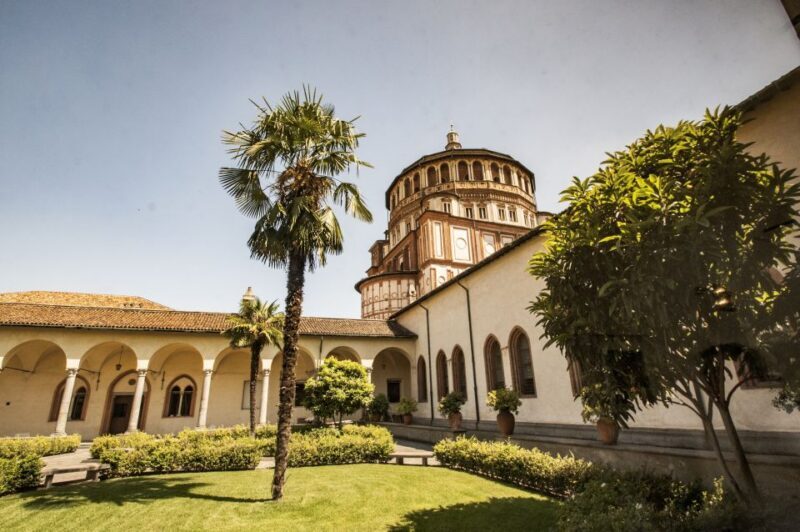
Leonardo’s Last Supper is the draw here, and for good reason: entry is strictly limited to people with pre-booked tickets. I like that this tour pairs your timed visit with a guided walk, so you see both a landmark painting and the city around it. I also like the route’s mix of grand sights and quieter corners, from the Galleria to Piazza dei Mercanti.
The trade-off is a brisk three-hour schedule, and your Last Supper visit may fall at the beginning or the end depending on the available time slot. At $106 per person, it is not a cheap walk, but the reserved entry can make the price worthwhile if you have not secured a ticket on your own.
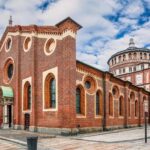
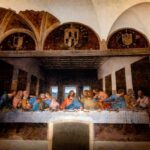
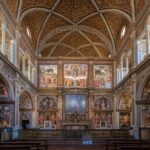
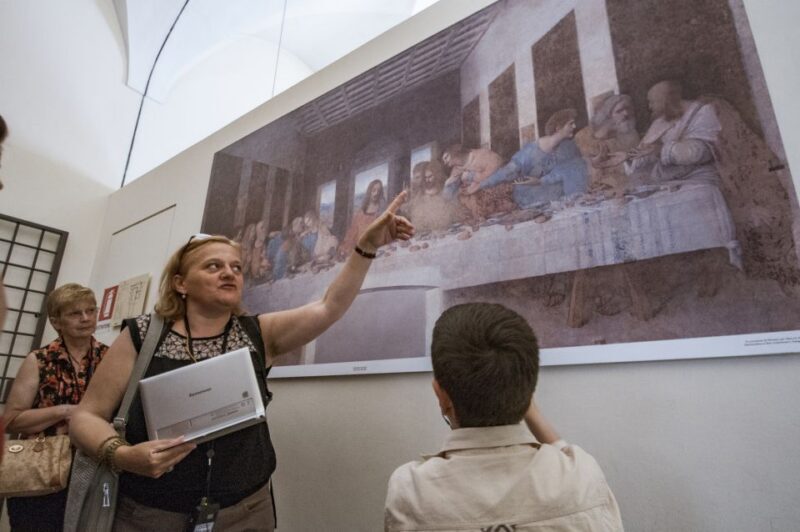
The tour’s biggest practical advantage is its reserved ticket to see Leonardo da Vinci’s The Last Supper at Santa Maria delle Grazie. Admission is strictly limited to people who have booked in advance, so the included ticket takes away one of the harder parts of planning a Milan visit.
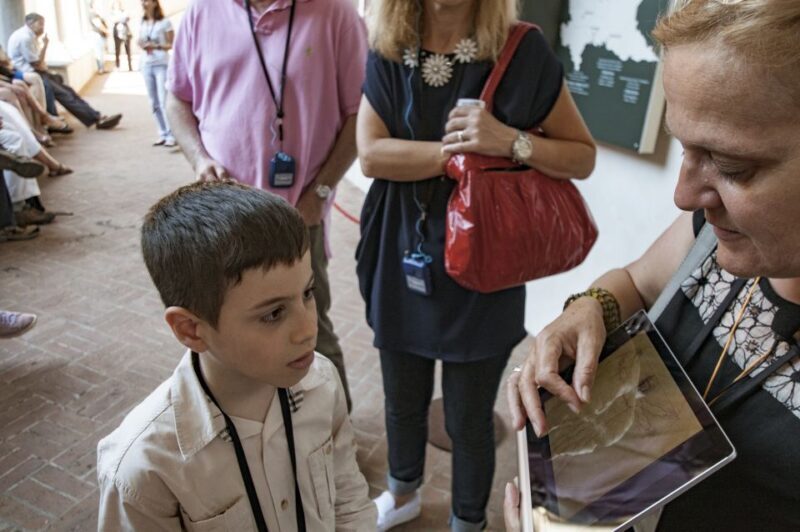
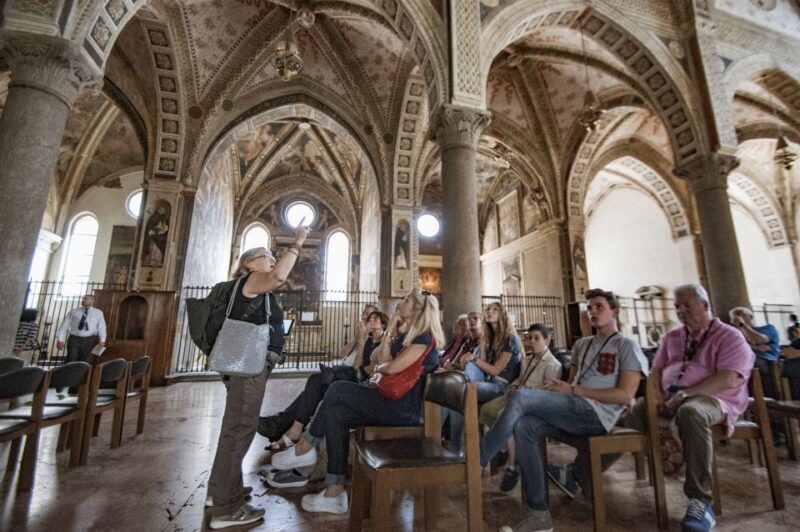
The painting is famous enough to risk feeling like a box to tick. A guide helps make it more than that. The tour includes an explanation of the work, and several guides, including Cristina, Chiara and Carmine, have been praised for making its artistic and historical context clear and engaging. That context matters: you get help noticing details and understanding what you are looking at, rather than simply arriving, taking in the room and leaving.
The visit is timed, and the tour may begin or end with the painting depending on when a slot is available. That flexibility is necessary, but it does mean you should not build a tight plan around a particular sequence. Treat the whole three-hour block as committed, and avoid booking another timed activity immediately afterward.
The entry ticket is for The Last Supper. The description does not say that it includes entry to the church’s other areas or to the museums at Sforza Castle. If you want to explore those sites beyond what the walking tour covers, plan to check their admission details separately.
You can check availability for your dates here: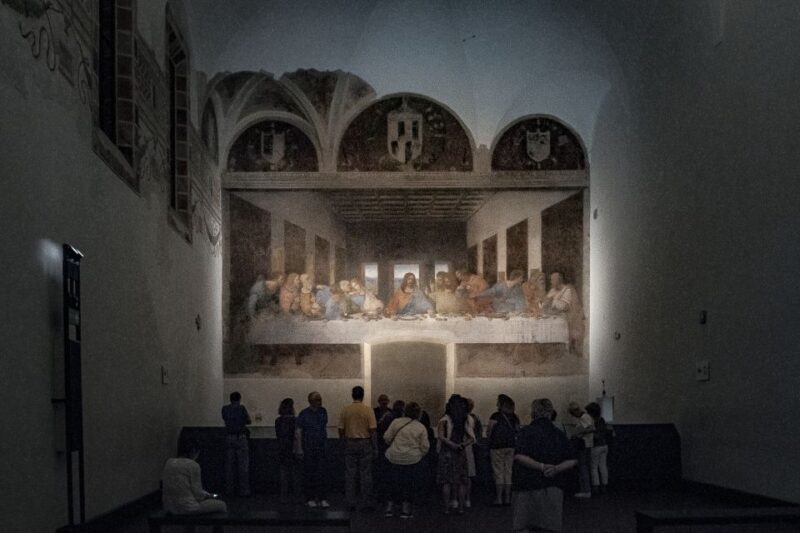
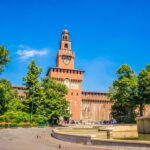
After the painting, the route takes in Sforza Castle, a large medieval fortress that served as the residence of Milan’s dukes for centuries. Today it houses museums and art collections, giving you a glimpse of how the building’s role has changed over time.
From the outside, the castle is an imposing stop and a useful contrast to Milan’s more polished center. The tour’s focus is a guided city walk, not a stated museum visit, so think of this as an introduction to the fortress rather than time set aside to see its collections. If a museum visit is on your list, you can use the guide’s overview to decide whether to return.
A guided explanation also helps connect the site to Milan’s political past. The castle is not just a striking old building; it was a seat of power for the dukes who shaped the city. Even on a short stop, that context gives the walls and courtyards more meaning than a quick photo would.
If you enjoy exploring Milan on foot, these walking tours might also suit your style
Piazza dei Mercanti is a small square tucked away from the city’s busier streets. Its appeal is partly the change of pace: after major landmarks and busy routes, you step into a more enclosed medieval setting.
The square is also a place to look closely at how architecture can shape a space. The tour highlights a Renaissance illusion of space associated with Bramante, a detail that gives you something specific to notice rather than just another historic façade. It is a rewarding stop for anyone who enjoys the way Milan’s buildings reflect different periods and ideas.
Do not expect a long break here. The tour is a walking overview, and this square is one stop among several. Still, it is exactly the sort of place that can be easy to miss when you are moving between the Duomo and the better-known sights without a guide.
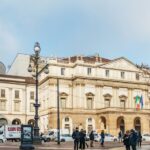
At Piazza della Scala, you see the exterior of La Scala, one of the world’s best-known opera houses. Some of the most celebrated singers and musicians have performed there, and even from outside, the building represents a major strand of Milan’s cultural life.
This stop works well in a tour that balances art, architecture and city history. The focus is on seeing the opera house and learning about its place in Milan, not on attending a performance or touring the interior. If opera is a special interest, treat this as an orientation point and look into separate performance or visit options.
The guide’s commentary can also help you place La Scala within the surrounding city center. This is one benefit of a walking tour over a list of attractions: the buildings are not isolated stops, but part of a connected urban story.
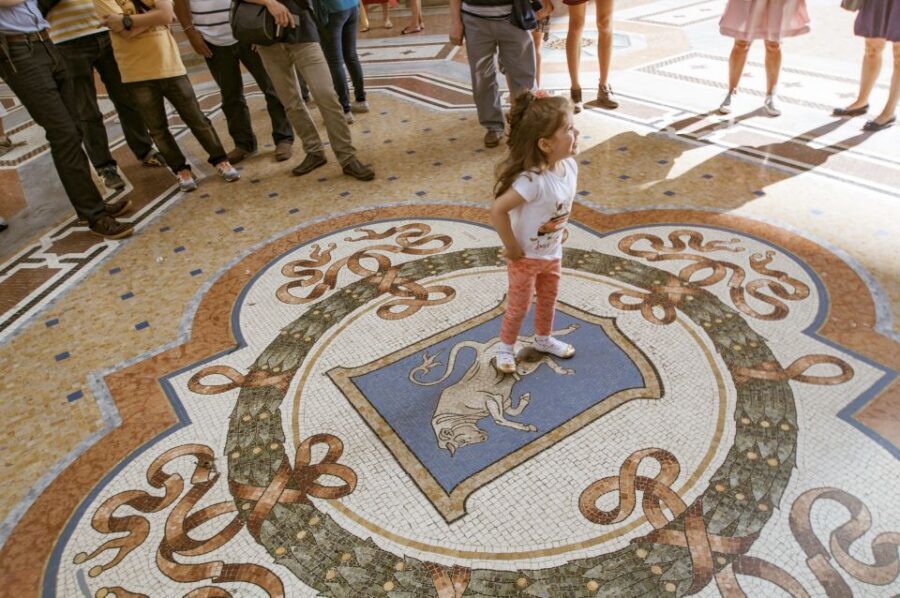
The Galleria Vittorio Emanuele II is a 19th-century shopping arcade with a glass-vaulted roof. The tour takes you inside, where the architecture itself is the main attraction. Its scale and design make a striking contrast with the medieval square and fortress you have seen earlier.
The Galleria is often called Milan’s drawing room because it has long served as a meeting place for residents. That nickname helps explain why the arcade matters beyond shopping. It is a public interior, a grand passage through the city and a place where Milan’s everyday life meets its architecture.
You will have time to admire the space as part of the walk, but the tour does not promise a shopping stop. If you want to browse the shops or linger over a coffee, plan to return on your own. The guided visit gives you a useful first look, while leaving you free to spend more time there later.
More Great Tours Nearby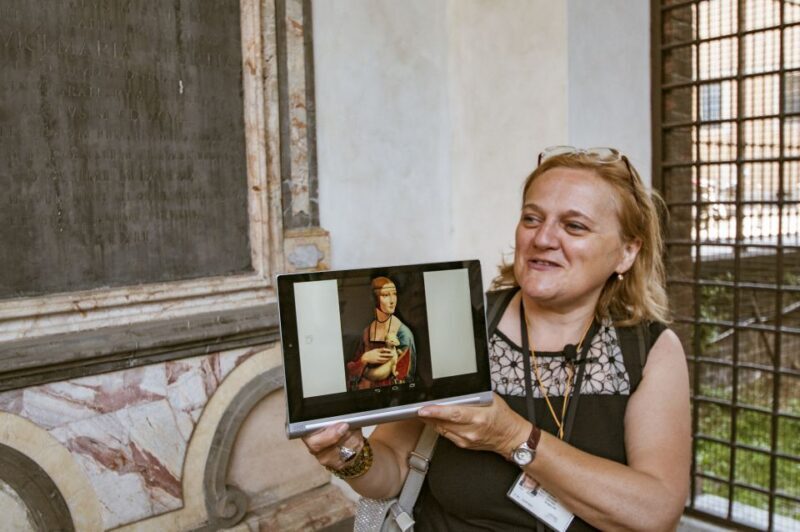
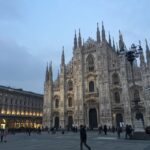
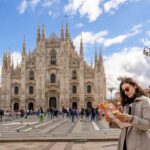
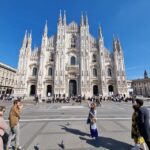
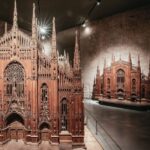
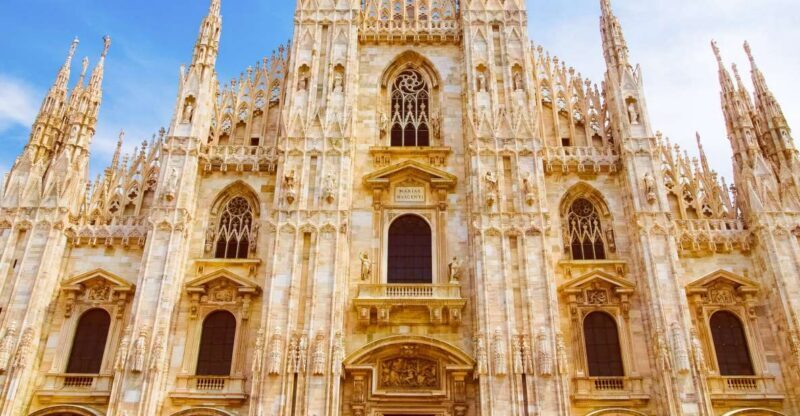
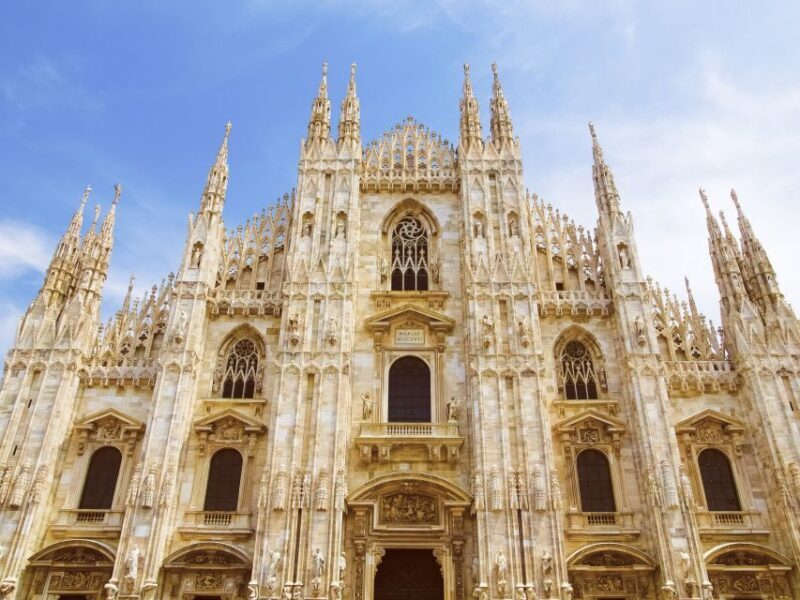
The Duomo sits at the heart of Milan and is one of the city’s defining buildings. Its scale and elaborate exterior make it an impressive sight even if you are seeing it only from outside during this tour.
The tour highlights the cathedral, but the information provided describes admiring its exterior rather than a ticketed visit inside. Do not assume that your tour price covers entry to the cathedral or its other areas. If you want to go in, check the current admission arrangements and set aside time beyond the three-hour walk.
There is a practical advantage to seeing the Duomo with a guide first: you can get your bearings and hear enough background to decide what you want to explore next. One participant found the tour useful for identifying places to revisit, including the cathedral interior and the castle. That is a good way to think about the walk: it gives you a map of possibilities, not a full visit to every site.
If you prefer having a local expert, these guided Milan experiences could work well
At $106 per person, this is a significant spend for a three-hour tour. The price includes a licensed guide, the Last Supper ticket, the walking tour and headsets. The main value lies in the reserved painting entry and the guide’s explanations, not in the distance covered or in admissions to every landmark along the route.
The Last Supper ticket can be the deciding factor. If you have not managed to book one separately, combining it with a city walk can make the cost easier to justify. If you already have your own ticket, compare the tour’s price with a standalone walking tour and consider whether you want the added structure and commentary.
Guide quality is central to the experience. The tour has been led by people including Cristina, Chiara, Eddie, Simon, Marta and Carmine. Their styles differ, but strong explanations, clear delivery, humor and enthusiasm are recurring strengths. Some have shared local suggestions, such as cafés, bakeries and other places to visit. The specific guide you get is not guaranteed, so book for the route and included access rather than for one person by name.
Headsets are included, which helps you follow the guide while walking through the city. They are especially useful when the group moves between stops, since you do not have to crowd close to hear each explanation. Group size is not specified, so do not count on a small group, even though some tours have been small enough to allow plenty of questions.
The pace has been described as comfortable by some people who took the tour, but it remains a three-hour walking activity with several stops. Wear shoes you can walk in and leave room in your schedule to pause or explore independently afterward.
The listed meeting point is Duomo Square no. 4, under the arches next to 12 OZ Coffee Joint. The route itself includes several central Milan sights, and the Last Supper visit can be placed at either the start or end of the tour. Check the confirmed tour details for your specific start time and be ready for that change in order.
The guide speaks English, and an English audio guide is included. The activity information describes the tour as wheelchair accessible in one place, but it also lists wheelchair users under those for whom the tour is not suitable. Because those details conflict, contact the provider before booking if you need step-free access or have mobility concerns.
You can cancel up to 24 hours in advance for a full refund. A reserve-now, pay-later option is also listed, which can help if your plans are not yet firm. Confirm the terms shown for your selected date when you book.
I would choose this tour if seeing The Last Supper is a priority and you also want a guided first look at central Milan. It is especially useful early in a stay: the route introduces the main sights, while the guide can help you decide where to return and what to see in more depth.
It suits visitors who enjoy a mix of art, architecture and city history, and who would rather hear the story behind several places than navigate between them alone. It is also a practical fit for a short stay, since the three-hour route covers a lot of ground without requiring a full day.
You may prefer a different plan if you already have a Last Supper ticket, want long visits inside the Duomo or castle museums, or would rather explore at your own pace. The tour gives you an overview, not extended time at every stop. For most first-time visitors who need the painting ticket and want a guided orientation, the combination makes the cost easier to defend.
Book it if the reserved Last Supper ticket solves a real problem for you and you like the idea of pairing the painting with a guided walk. The strongest reasons to go are the limited-entry artwork, the guide’s context and the useful range of stops, from Piazza dei Mercanti to the Galleria and Duomo.
Think twice if you want to spend hours inside museums or need certainty about the visit’s exact order. At $106, this is best treated as a focused introduction with a prized ticket, not as an all-access pass to Milan’s landmarks. If that matches your plans, it is a practical way to see a difficult-to-book masterpiece and get your bearings in the city.
“Cristina did an excellent job explaining the history of Milan and told great stories which helped Milan come alive! The highlight was seeing The La…”
The tour lasts three hours.
Yes. The tour includes a ticket to see Leonardo da Vinci’s The Last Supper at Santa Maria delle Grazie.
It may be at the beginning or the end, depending on the available time slots.
The route includes Sforza Castle, Piazza dei Mercanti, Piazza della Scala and La Scala, the Galleria Vittorio Emanuele II, and the Duomo.
The live tour guide speaks English, and an English audio guide is included.
Meet at Duomo Square no. 4, under the arches next to 12 OZ Coffee Joint.
You can cancel up to 24 hours in advance for a full refund.
You can check availability for your dates here: