Physical Address
304 North Cardinal St.
Dorchester Center, MA 02124
Physical Address
304 North Cardinal St.
Dorchester Center, MA 02124

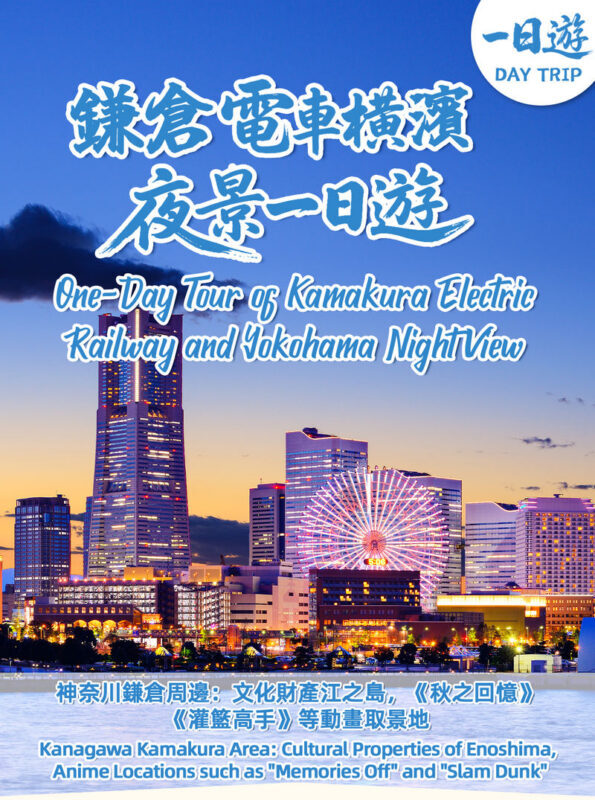
Ride the Enoden, visit Kamakura’s shrine and Enoshima, then see Yokohama after dark on a full-day trip from Tokyo.
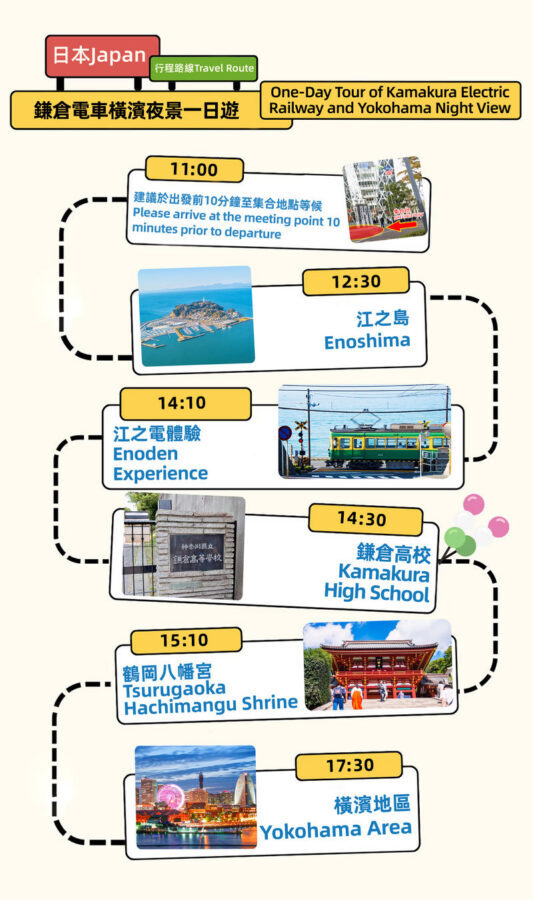
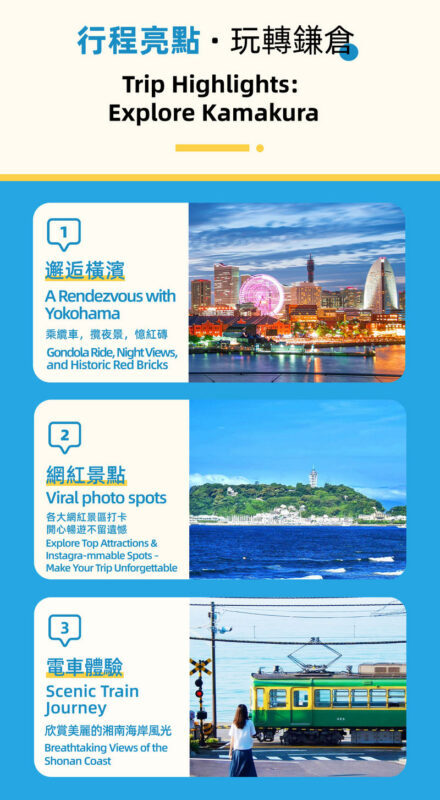
Kamakura’s seaside railway is the star of this day out: the Enoden rattles between Kamakura, the Slam Dunk-famous crossing at Kamakurakoko-Mae, and Enoshima, with a short drive along the Shonan coast between stops. The day then shifts gears, from shrine grounds and sea air to Yokohama’s illuminated waterfront.
I like two things here: the included Enoden rides give you a taste of Kamakura’s much-loved local train, and the route combines old-town sights with a harbor evening without asking you to plan several connections yourself. The later 11 a.m. start is another welcome break from the dawn alarms common on day trips.
The trade-off is a long day with a firm group schedule. Most stops are self-guided, and Yokohama’s Air Cabin and Cosmo Clock 21 Ferris wheel cost extra, so this is a sampler, not a slow, thorough visit to each place.
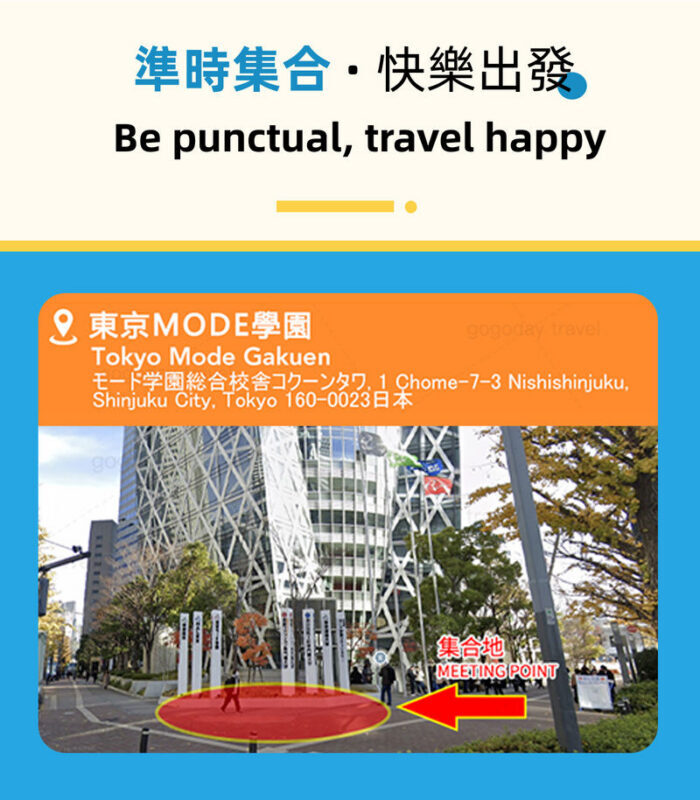
The tour meets at Tokyo Mode Gakuen in Shinjuku and is scheduled to leave at 11 a.m., returning to Shinjuku at about 9:25 p.m. Round-trip transport and an English- or Chinese-speaking guide are included. The group needs at least four people to depart, and the vehicle type depends on the number booked.
That transport is a real part of the value. Kamakura, Enoshima, and Yokohama are three different stops in Kanagawa, and combining them independently means managing local trains, transfers, and a long return to Tokyo. Here, you trade some freedom for a single, organized route.
The tour is not a guided walk from start to finish. At most major stops, your guide sets a meeting time and you explore on your own. That can suit you if you like choosing your own pace, but you should be comfortable keeping an eye on the clock and finding the agreed meeting point.
You’ll receive details about the guide and vehicle by email the evening before, usually between 7 and 9 p.m. Check your inbox and spam folder, and arrive at the meeting point at least 10 minutes early. The vehicle leaves on time; a missed departure or meeting point is not refundable. Guides vary. Recent tours have included guides named Jack, Andrew, and Evan, but there’s no guarantee who will lead your departure.
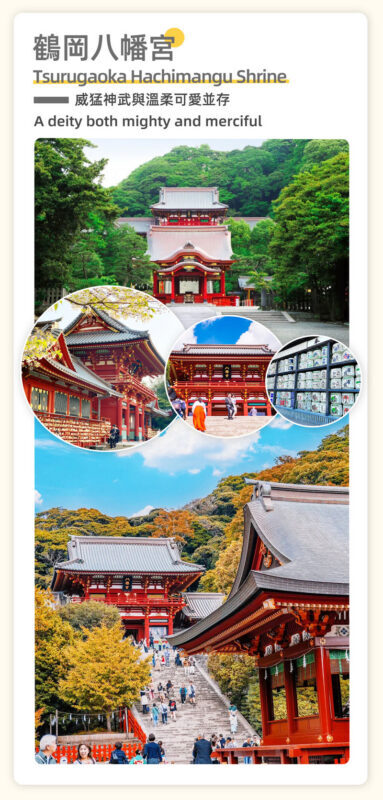
The first major stop is Tsurugaoka Hachimangu, with about 80 minutes scheduled for a self-guided visit. It is closely linked with Kamakura’s samurai-era past and remains one of the city’s principal cultural and spiritual sites. The shrine grounds and traditional architecture offer a useful counterpoint to the seaside scenery later in the day.
You’ll have time to look around at your own pace, but this is not a long, detailed visit with a guide beside you explaining every building. If historical context matters to you, ask your guide about the shrine before setting off or read a little in advance. Keep the meeting time in mind, especially if you plan to stop for photos.
Komachi-dori Street is included among the tour’s attractions, but the schedule does not give it a separate stop or a guaranteed amount of time. Treat it as a possible part of the Kamakura visit rather than a promise of an extended shopping stroll. The tour does not make shopping stops, which is useful if you dislike being steered toward stores, but it also means you should not count on a dedicated shopping break.
Looking for more options in Fujisawa? Here are some other experiences worth considering.
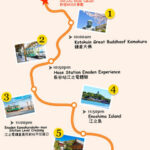
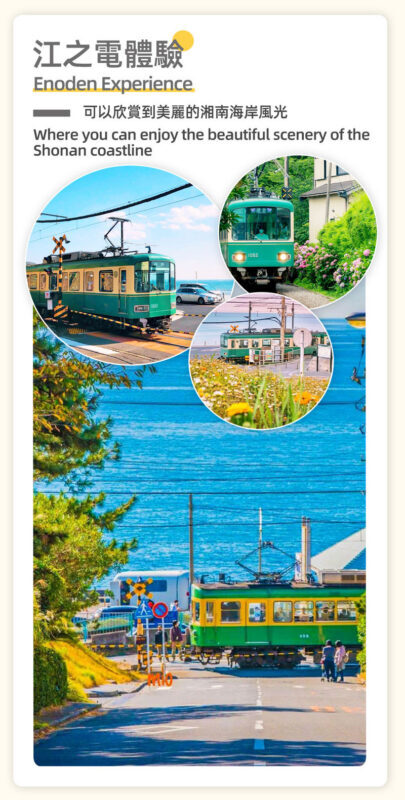
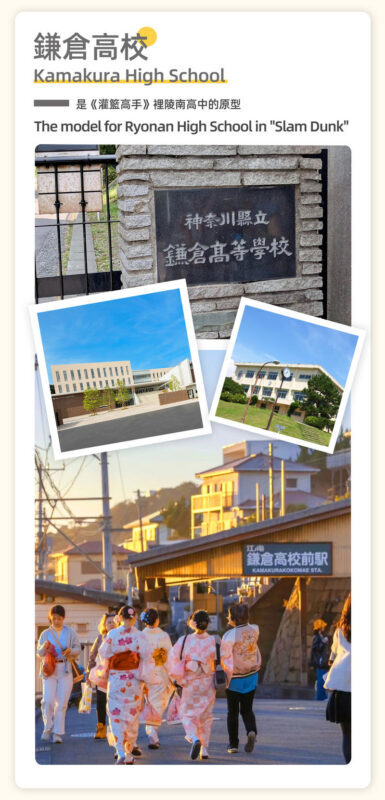
The Enoden ride is one of the most distinctive parts of the route. This small local railway runs through Kamakura and along the Shonan coast, and the tour uses it for two short legs: Kamakura Station to Kamakurakoko-Mae, then Kamakurakoko-Mae to Enoshima Station. The ride fee is included.
The first leg is scheduled for about 20 minutes, followed by roughly 20 minutes at Kamakurakoko-Mae. The station crossing became famous through the manga and anime Slam Dunk, and fans will recognize the scene-setting immediately. For everyone else, it is still an appealing glimpse of a local railway meeting the sea-side town.
This is a busy public road and railway crossing, not a private photo set. Stay on the proper side of the crossing, obey the guide’s instructions, and do not enter the tracks or block traffic for a picture. The short stop makes for a quick look and a few photographs, not an unhurried visit.
Afterward, the second train ride to Enoshima is very short, listed at about five minutes. The Shonan coast is also seen from the vehicle, as a drive-by rather than a separate beach stop. You’ll get coastal views through the window, but don’t expect a long walk beside the water.
The Enoden ticket is described as a complimentary inclusion. If an unforeseen event prevents the train ride, the fee is not refunded. That matters if the railway experience is your main reason for booking: it is part of the planned route, but operations can be affected by circumstances beyond the operator’s control.
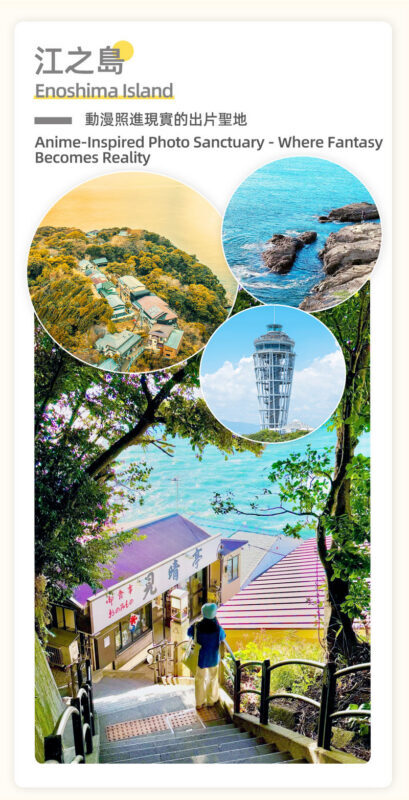
From Enoshima Station, the route continues on foot toward the island. The pedestrian Benzaiten Bridge links the mainland to Enoshima and is about 389 meters long. The walk takes around 20 minutes, and the open crossing gives you views over Sagami Bay and a taste of the sea breeze before you reach the island itself.
The schedule allows approximately 100 minutes for free time on Enoshima. The island is known for Enoshima Shrine and a traditional legend connecting a beautiful fairy with a five-headed dragon. You can use the time to explore at your own pace, but the allowance includes the walk in and out, so it is not a full afternoon.
The island’s slopes and walking routes can make the visit more active than the timetable suggests. Wear shoes you can walk in and keep the return meeting time in view. The plan can also change in bad weather or when attractions are crowded; some stops may be shortened or skipped.
Meals and drinks are not included. That gives you freedom to choose what you want, but this is a packed route, so don’t assume you’ll have a leisurely sit-down meal. A few minutes spent deciding where to eat can use up a meaningful part of your island time.
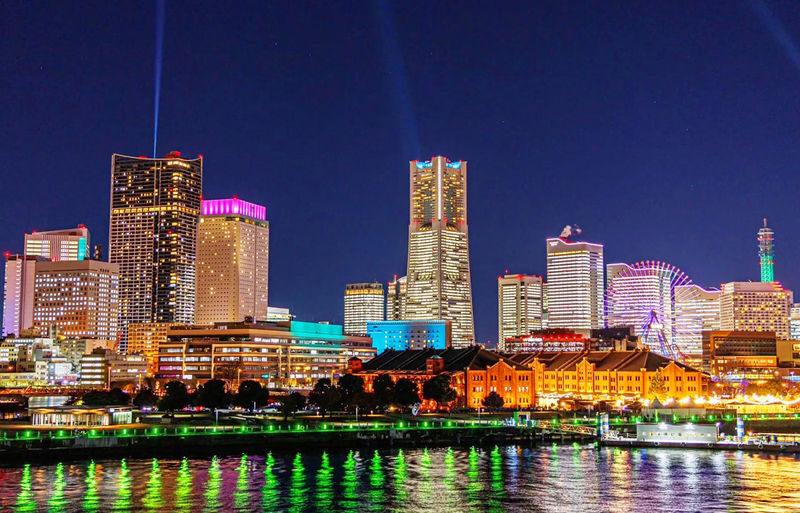
The final stop is Yokohama, with about two and a half hours scheduled for the evening. The route includes the Yokohama Red Brick Warehouse, a landmark waterfront complex that gives the day a very different mood from Kamakura’s shrine and seaside railway. It is a pleasing finale: historic-looking brick buildings, harbor views, and a modern city lit up after dark.
The Yokohama Air Cabin cable car and Cosmo Clock 21 Ferris wheel are listed as nearby options, but their tickets are not included. The reference price for the Air Cabin is ¥1,000 per person, or ¥500 for children aged three through elementary-school age. The Cosmo Clock 21 is listed at ¥1,000 per person. These prices are guidance, not part of the tour fare, so budget extra if you want to ride.
You’ll need to choose how to spend this final block. If you want a ride, check the queue and operating conditions before committing, since weather or other circumstances can change opening times or cancel operations. If you prefer to stay on foot, the Red Brick Warehouse and surrounding waterfront are still part of the stop.
The schedule lists a 9:25 p.m. return to Shinjuku, but the long drive means traffic or weather can delay arrival. Don’t book a tight dinner reservation, theatre ticket, or onward connection for that night. The tour operator does not cover costs that result from traffic delays.
With a starting price of $41.15, the value comes mainly from transport between three destinations, a guide, and the included Enoden rides. It can be a practical deal if you want an overview of Kamakura, Enoshima, and Yokohama in one day but would rather not coordinate the route yourself.
The price does not cover meals, drinks, personal expenses, or the Yokohama Air Cabin and Ferris wheel. Those extras can add up if you plan to buy food and ride both attractions, so compare the package price with your likely spending rather than treating the starting fare as the total cost of the day.
The guide can make a meaningful difference. Guides named Jack, Andrew, and Evan have led departures, and the feedback around the tour often singles out clear explanations, help with meeting points, and practical recommendations. Jack, in particular, is a name that comes up often. Still, guide assignments vary, and the format leaves much of the sightseeing time in your own hands.
There are also real limits. Some stops can be skipped because of capacity or weather, and the schedule can be rearranged or reduced due to traffic. The day is shared with other people, so punctuality matters at every stop. One reported missed connection shows why you should confirm the meeting place and time clearly before wandering off. Keep your phone available and don’t assume the group will wait.
The tour offers free cancellation up to 24 hours before the activity date, subject to the booking terms. Changes are also allowed until 24 hours before departure, though some booking types are excluded. Children aged 3 and older pay the adult rate; children under 3 can join free if they do not need a separate seat. Child seats are not available. Anyone aged 70 or older must provide a medical certificate.
One piece of luggage per person is allowed at no charge, but you must request it when booking. If you show up with unannounced luggage, the guide may refuse boarding because of space and safety concerns. You cannot leave the group early and receive a refund for the part you miss.
This is best for someone who wants a broad first look at Kamakura, Enoshima, and Yokohama, likes the idea of a local train ride, and is happy with self-guided time. It is less suitable if you want a deep historical tour, long stretches at the beach, or an unhurried afternoon on the island.
Book it if your priority is seeing several distinct places in one day with transport arranged, and if you can handle a long schedule with fixed meeting times. The Enoden, the Slam Dunk crossing, Enoshima’s bridge, and Yokohama after dark make a varied route for a reasonable starting fare.
Skip it if you’d rather spend a full day in one place or want full control over meal breaks and sightseeing time. For the best experience, keep your evening free, wear comfortable walking shoes, budget separately for Yokohama’s paid rides and food, and treat the itinerary as a well-planned sampler rather than a complete visit to every stop.
“Tour guide Evan is young, proactive, polite, enthusiastic, energetic, professional, and very helpful to the tour members 👍”
The meeting point is Tokyo Mode Gakuen in Shinjuku. The scheduled departure is 11 a.m.; arrive at least 10 minutes early.
The scheduled return to Shinjuku is about 9:25 p.m. Traffic and weather may delay the arrival.
Yes. The tour includes the planned Enoden rides from Kamakura Station to Kamakurakoko-Mae and from Kamakurakoko-Mae to Enoshima Station. If unforeseen circumstances prevent the rides, the fee is not refunded.
No. Both are optional and cost extra. The reference prices are ¥1,000 per person for the Air Cabin and ¥1,000 per person for the Cosmo Clock 21 Ferris wheel.
No. Meals and drinks are not included, and you’ll arrange your own food during the day.
The tour includes an English- or Chinese-speaking guide. Guide assignments vary.
One piece of luggage per person is allowed free, but you must note it in the booking request. Children under 3 may join free if they do not occupy a separate seat; child seats are not available.