Physical Address
304 North Cardinal St.
Dorchester Center, MA 02124
Physical Address
304 North Cardinal St.
Dorchester Center, MA 02124

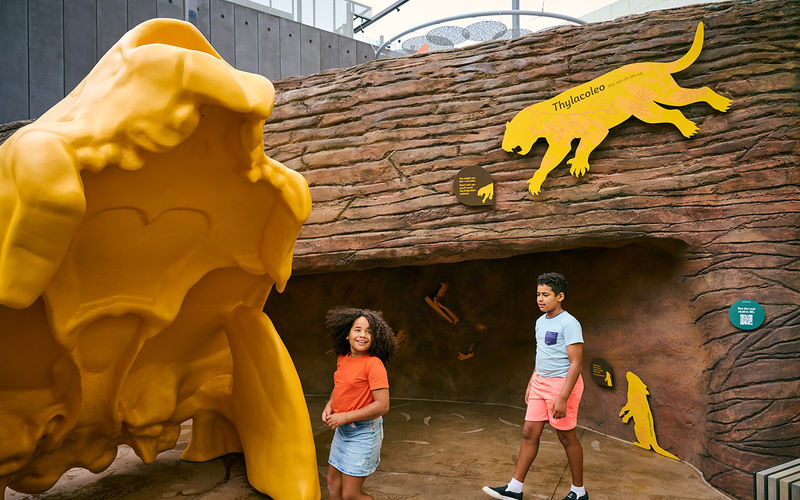
Explore Melbourne Museum’s dinosaurs, First Peoples culture, science galleries, and city history with a flexible 2 to 4 hour visit.
Melbourne Museum puts dinosaur fossils, First Peoples culture, local wildlife, and the story of the city under one roof. I like that Dinosaur Walk makes a strong first stop for families, while the Bunjilaka Aboriginal Cultural Centre gives the museum’s cultural story real depth.
I also like the freedom to set your own pace. You can spend a couple of focused hours or linger through much of the day, with hands-on displays and a children’s gallery to break up the visit. One thing to plan around: access to the Pauline Gandel Children’s Gallery depends on availability, so check with the front desk when you arrive.
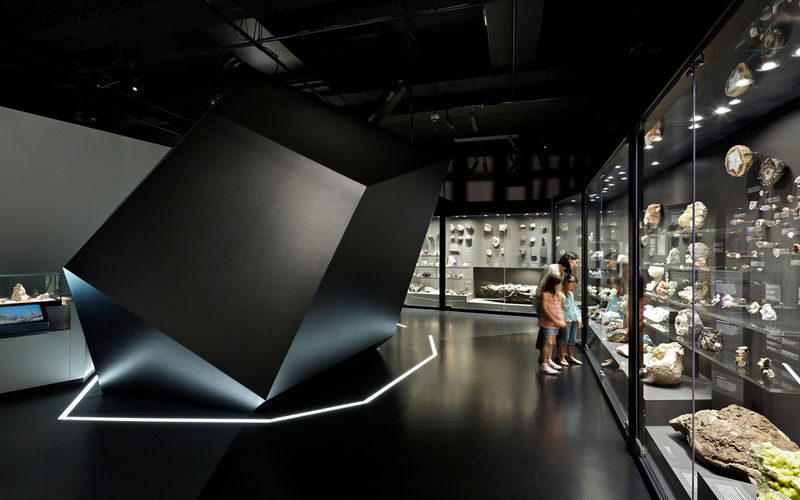
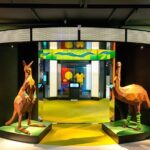
Melbourne Museum sits at 11 Nicholson Street in Carlton Gardens, a short walk from central Melbourne. It is described as the largest museum in the Southern Hemisphere, and its scale matters: this is not a single-room collection you can skim between other plans. Its galleries span natural history, science, First Peoples culture, and the changing life of Melbourne.
General admission gives you a self-guided visit, not a tour with a guide or a fixed route. That flexibility is useful if you are visiting with children, have a particular interest in dinosaurs, or simply want to choose galleries as you go. The trade-off is that the museum offers so much that you will need to make a few choices if your time is limited.
A visit is listed at two to four hours, but your pace will set the clock. A quick visit can cover a few major galleries; families who stop for activities, breaks, and the children’s area may want much longer. If you have only a morning, pick your priorities before you arrive rather than trying to see every display.
You might also be interested in these Melbourne experiences
Dinosaur Walk is a natural first stop if you are visiting with children or have a soft spot for fossils. The dinosaur skeletons, including a striking Triceratops specimen, give the gallery a clear visual anchor, while electronic introductions help explain what you are seeing. It is a good place to begin because it offers an immediate reason to slow down and look closely.
The wider Science and Life Gallery includes four exhibitions: Bugs Alive, Dinosaur Walk, 600 Million Years, and Dynamic Earth. Together, they move from small creatures to ancient life and the forces shaping the planet. You can dip into the subjects that appeal to you, rather than treating the gallery as one long lesson.
The appeal here is variety. Dinosaur fans can linger over the bones, while visitors interested in animals and geology have other sections to explore. For children, interactive elements help turn a display into an activity. If your group includes both keen readers and quick-moving youngsters, expect to take different amounts of time at each exhibit.
You may also come across an exhibit about a whale and its bones. One useful tip is to look for the whale display near the entrance, where a staff member may allow you to touch the bones. Ask before touching, and follow any directions from museum staff.
The Melbourne Story gallery traces the city and Victoria from the earliest contact between white settlers and local Indigenous people. It gives you a way to connect the place outside the museum with the lives, changes, and conflicts presented inside it.
That story is best understood alongside the First Peoples galleries, rather than as a stand-alone account of settlement. Melbourne’s past is not only a story of buildings and urban growth. It also involves the people whose Country this is and the effects of colonization on Aboriginal communities.
The museum also explores wider social history, including the experiences of different communities, labor movements, and urban development. Personal stories and objects can make large changes easier to grasp: instead of encountering history as a list of dates, you can see how social shifts shaped everyday life.
If you are visiting with children, this section may need more explanation than the dinosaur displays. That is not a reason to skip it. It is a chance to talk about how the city changed and whose perspectives are included in the telling. Take the time that suits your group, and use the galleries to raise questions rather than trying to cover every detail.
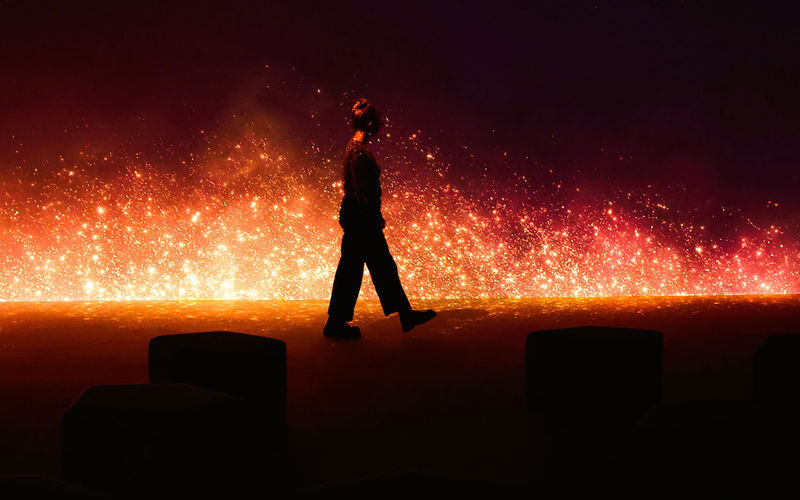
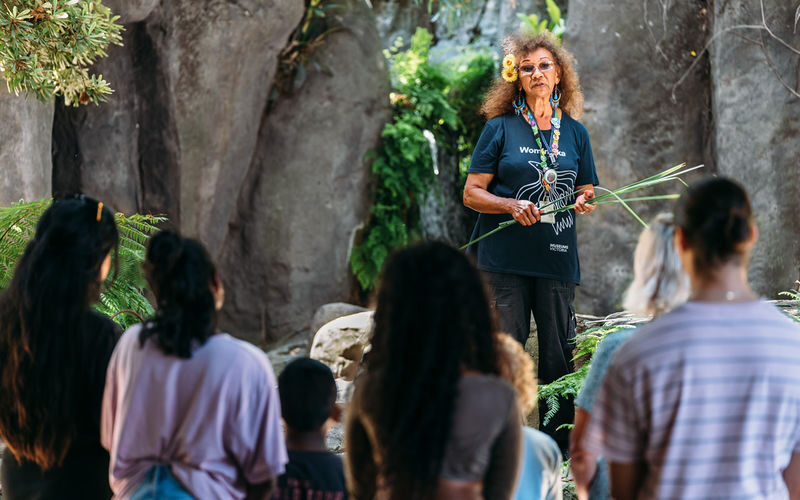
Bunjilaka Aboriginal Cultural Centre is one of the museum’s most important stops. It was planned in collaboration with Aboriginal people, including the Boonwurrung and Woi Wurrung, the traditional owners of Melbourne. Its exhibitions address Aboriginal art, history, and cultural practices, offering a chance to learn about First Peoples culture as living culture, not simply as a chapter in the past.
Give this centre time. It adds context to the Melbourne Story gallery and helps put the wider museum’s natural and human histories into conversation. If you are visiting with children, it can be useful to pause here and talk together about what you have seen, rather than moving quickly from one display to the next.
Our Wondrous Planet offers another way to make connections. It brings together Earth’s ecosystems, First Peoples knowledge, and the natural beauty of the planet. The gallery’s focus is broader than a collection of specimens: it asks you to consider how people understand and relate to the natural world.
For a visit that includes several hours, these two galleries help balance the fossils and science displays with culture and place. They are also good choices if you are visiting without children and want a fuller sense of what makes the museum distinct from a dinosaur-only attraction.
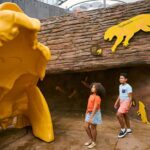
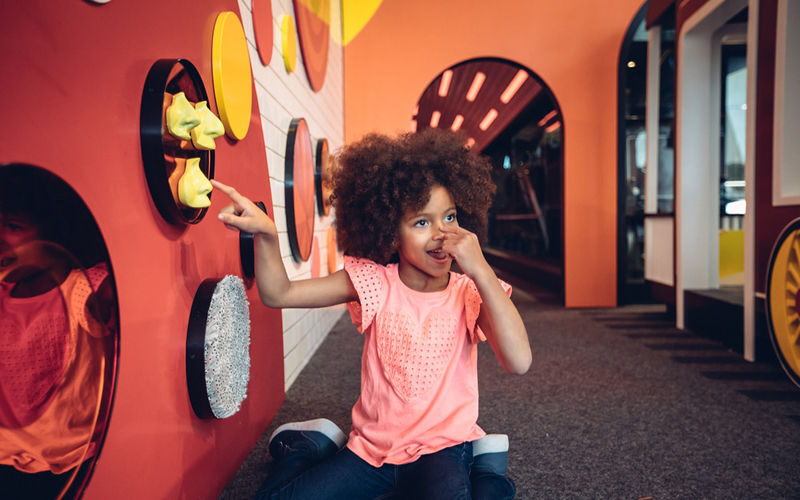
The Pauline Gandel Children’s Gallery is included with museum entry, but access is subject to availability. Check with front desk staff on arrival rather than promising young children it will be open. When it is available, the play area gives children room to engage with exhibits and burn off energy between more text-heavy galleries.
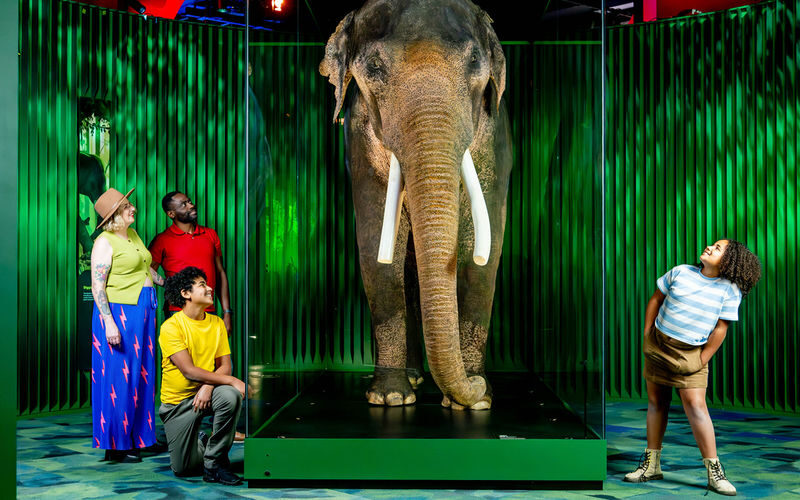
The museum’s interactive approach is a real advantage for families. Children can move between looking, listening, and taking part, which makes a long indoor visit more manageable. Dinosaur displays and animal exhibits are natural draws, but the wider range means there is usually more to do once the first excitement fades.
The space is large, so keep a simple plan. Choose a few galleries, build in a break, and leave room for the children’s area if it is open. Trying to see everything in one go can turn a good family outing into a march from room to room.
Culture seekers can explore more Melbourne museums and galleries
Tickets start at $13.90, with the exact price depending on the booking option. At that starting price, admission can be good value if you make time for several galleries. You are paying for a substantial indoor attraction, not a single short display, and the mix of science, local history, culture, and natural history gives different ages something to follow.
Children aged 0 to 16 enter free when accompanied by a paying adult, and concession card holders can enter free. Check the current conditions for your situation before buying. Meals, drinks, transport, and personal expenses are not included in the admission ticket.
Plan on two to four hours as a practical starting point. Three hours gives many visitors time to see a selection of galleries; families with young children may want longer, especially if the Children’s Gallery is available. The museum is strict about closing time, so keep an eye on the clock and do not leave your priority galleries until the last moment.
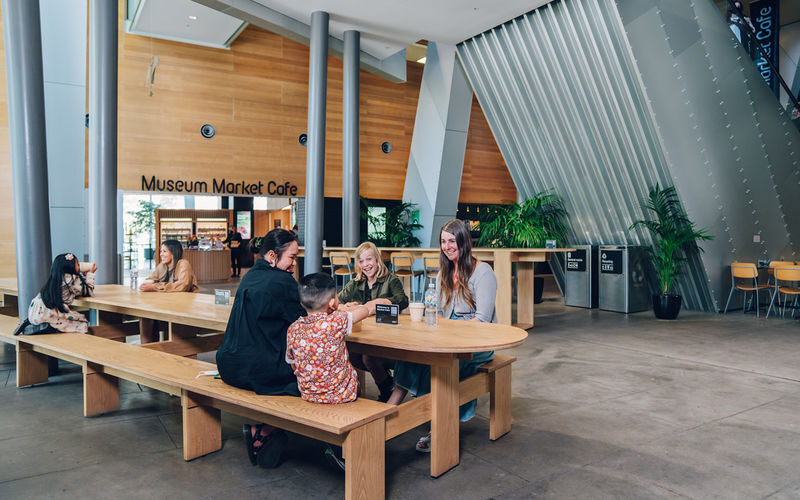
There is a café and snack bar inside, and an on-site restaurant is also mentioned as a lunch option. Food and drinks are not included, and outside food and drinks are not allowed inside. If you are counting on a meal break, check what is open when you visit.
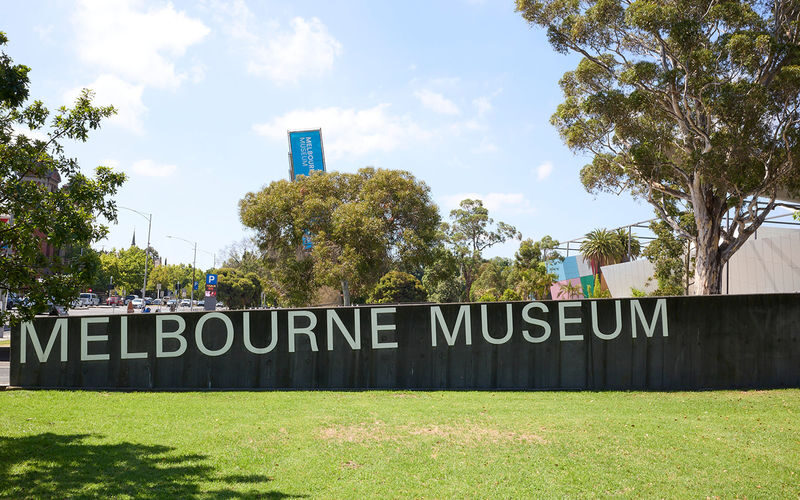
The museum’s address is 11 Nicholson Street, Carlton VIC 3053, in Carlton Gardens. From Argyle Square Stop, buses 200, 207, 955, and 966 are listed, followed by a walk of about seven minutes. Parliament Station is listed as about a 12-minute walk, with the Sunbury, Mernda, Pakenham, and Belgrave lines serving the station.
Present your mobile voucher at the venue and enter directly with it. Same-day booking is available, and the voucher is valid until 28 November 2026 at 11:59 pm. The ticket is non-refundable and cannot be cancelled, so check your plans before purchasing.
Melbourne Museum is closed on Good Friday and Christmas Day. Opening hours can vary, so check the museum’s official website before setting out, especially if you are planning a tight schedule. The venue has storage areas; ask staff on site about rates.
Photography and non-commercial filming are allowed unless signs prohibit them in a particular area. Keep your belongings with you, wear footwear at all times, and follow staff instructions. The museum is smoke-free, and management may inspect bags or refuse entry.
This is a strong choice for families who want an indoor activity with room to follow children’s interests. The dinosaur fossils and interactive displays give younger visitors plenty to focus on, while the children’s gallery can add a useful play break if access is available. Free entry for children aged 0 to 16 also helps the cost make sense for families.
It also suits adults who like natural science, city history, or First Peoples culture, especially if they enjoy exploring at their own pace. You do not need to be a specialist to appreciate the displays, but you will get more from the visit if you give the galleries time instead of trying to rush through the whole building.
If you have only a short stop in Melbourne and prefer a tightly guided experience, this self-guided museum may not be your best fit. But if you can spare half a day and want one attraction that offers fossils, local stories, science, and culture in one place, I would put Melbourne Museum on your plan. Book it if you can give it at least a few hours and choose the galleries that matter most to you.
“a well curated museum especially for kids and youth . interactive and spacious and not crowded allowing kids to interact with the exhibits”
The suggested visit is two to four hours. You can spend longer if you want to explore more galleries or make time for the Pauline Gandel Children’s Gallery.
Yes. Children aged 0 to 16 can enter free when accompanied by a paying adult. Concession card holders can also enter free.
No. The gallery is included with museum entry, but access depends on availability. Ask front desk staff when you arrive.
Present your mobile voucher at the venue and enter directly. You do not need to exchange it for a separate ticket.
The listed bus routes are 200, 207, 955, and 966, with a seven-minute walk from Argyle Square Stop. Parliament Station is about a 12-minute walk, and the listed lines include Sunbury, Mernda, Pakenham, and Belgrave.
Melbourne Museum is closed on Good Friday and Christmas Day. Check the official museum website for current opening hours before your visit.