Physical Address
304 North Cardinal St.
Dorchester Center, MA 02124
Physical Address
304 North Cardinal St.
Dorchester Center, MA 02124

Ride camels into Erg Chebbi, sleep in a Berber camp, and cross Morocco’s Middle Atlas on this long but memorable two-day tour.
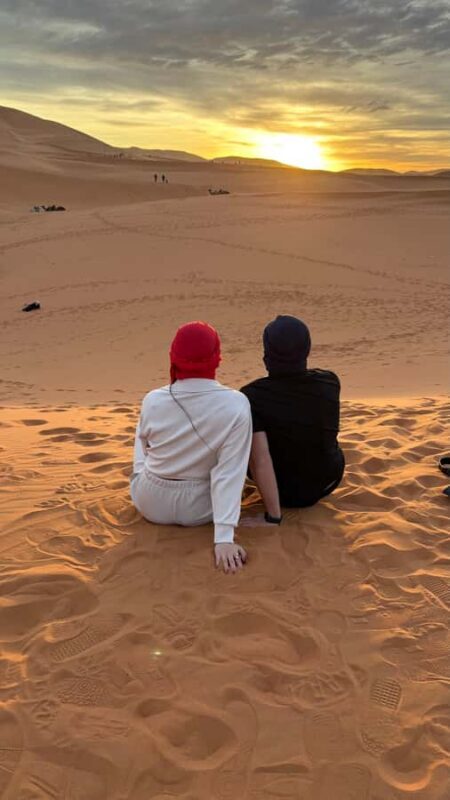
Erg Chebbi’s dunes are the main event, but the long road from Fes is part of the story: cedar forest, mountain villages and the palm groves of the Ziz oasis lead into the Sahara. I love the sunset camel ride and the chance to wake on the dunes for sunrise. At camp, dinner and traditional music by the fire add a human touch to the desert night.
I also like that the price includes transport, a night at camp, breakfast, dinner and the camel ride, making this a practical way to reach the dunes if you have little time. The trade-off is substantial: you spend many hours in a vehicle, and a return to Marrakech makes the second day especially long. Go for the desert, not for a leisurely road trip.
This is a 38-hour, two-day tour from Fes to the Erg Chebbi dunes near Merzouga, with a return to either Fes or Marrakech. The headline moments are easy to picture: a camel moving across sand at sunset, a campfire after dinner, and dawn light on the dunes. But you should also picture the hours between those moments. The drive to Merzouga is long, and the return is another substantial journey.
The changing scenery makes the road trip more interesting than a simple transfer. You leave Fes for the Middle Atlas, pass cedar trees and Berber villages, and cross dry country toward the palm groves of the Ziz oasis. Still, stops are breaks along a demanding travel day, not extended visits. If you want ample time in the desert, or the chance to explore each stop at length, a three-day tour may suit you better.
The tour costs $88 per person, though the advertised transport-only option does not include the camp stay or activities. Check which option you are booking and what it covers. For the overnight tour, transport, a camel ride, one night at camp, breakfast and dinner are included. You pay separately for lunches, drinks and water, and the luxury-camp upgrade costs extra per person.
You can check availability for your dates here: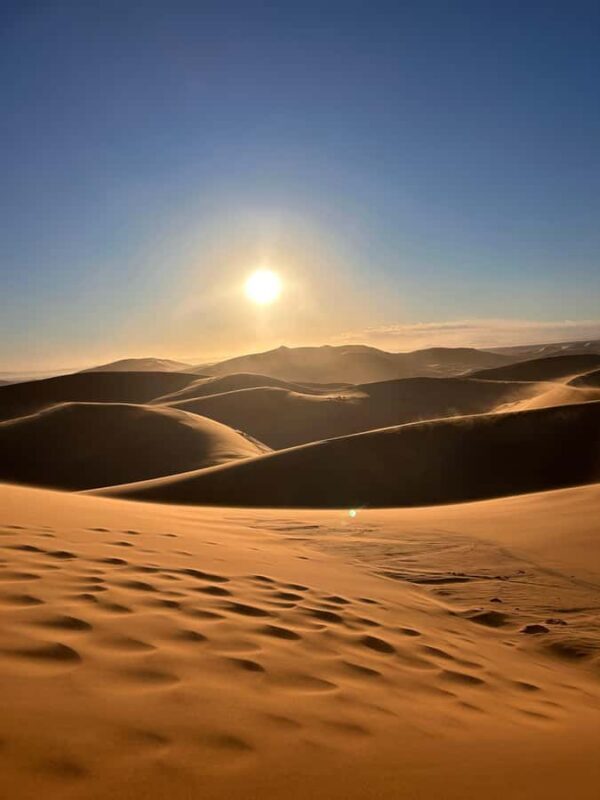
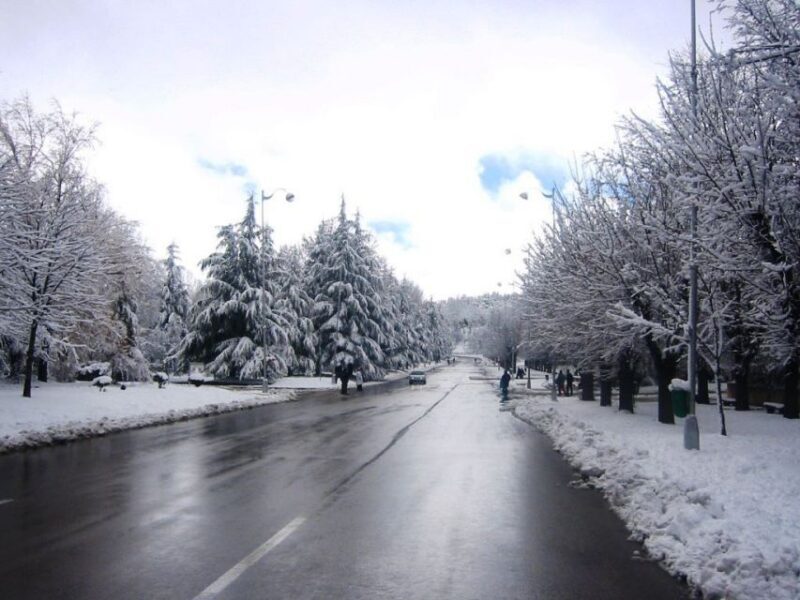
The drive begins by passing Ifrane, a mountain resort built by the French in the 1930s with architecture intended to evoke a Swiss village. It is a striking contrast with Fes and the desert ahead. The tour passes through rather than offering a long visit, so treat it as a quick introduction to a different side of Morocco.
Next comes the cedar forest near Azrou, where you can look for the resident monkeys. This is one of the day’s more memorable breaks from the road, especially if you have not seen monkeys in the wild before. Keep an eye on your belongings and follow your driver’s instructions around the animals. The stop is part of a packed route, so do not expect a long forest walk.
The crossing of the Middle Atlas brings mountain springs, jagged rock, forest and Berber villages. The scenery keeps changing, and good drivers can make this stretch more than a string of window views. Some drivers, including Omar, Moha and Mustapha, have been praised for sharing information and choosing scenic stops. Your assigned driver may be different, so see this as a possible strength rather than a guaranteed feature.
You might also be interested in these Fes experiences
Midelt is the halfway lunch stop, a town associated with fossils and rocks. Lunch is not included, so budget for a meal and any drinks you want. Your driver may suggest a place to eat, but you are responsible for the cost. A few visitors have appreciated local stops and small food tastings along the way, but those are not a promised part of the itinerary.
After Midelt, the route continues toward Merzouga, with views of the Ziz oasis, a broad belt of palm trees in an otherwise dry region. This is a useful reminder that Morocco’s desert country is not all open sand. The oasis is a striking contrast, though the tour description promises panoramic views rather than a lengthy visit.
Expect a day shaped by driving schedules. Stops allow you to stretch, eat and take photos, but they are not a substitute for a slower itinerary. A skilled driver can make the journey feel safer and more engaging; several people have singled out drivers such as Zaki, Hassan, Driss and Moha for careful driving, friendly conversation and well-timed breaks. Even with a good driver, the hours are real. Bring something to read or watch offline, and keep essentials within reach.
On arrival in the Rissani area, the route switches to a 4WD vehicle for the approach to Merzouga. The tour uses an air-conditioned minibus or 4WD for transport, depending on the arrangement. In Merzouga, you meet the camel guide and the animals waiting for the trek to camp.
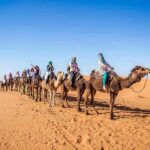
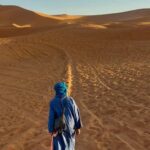
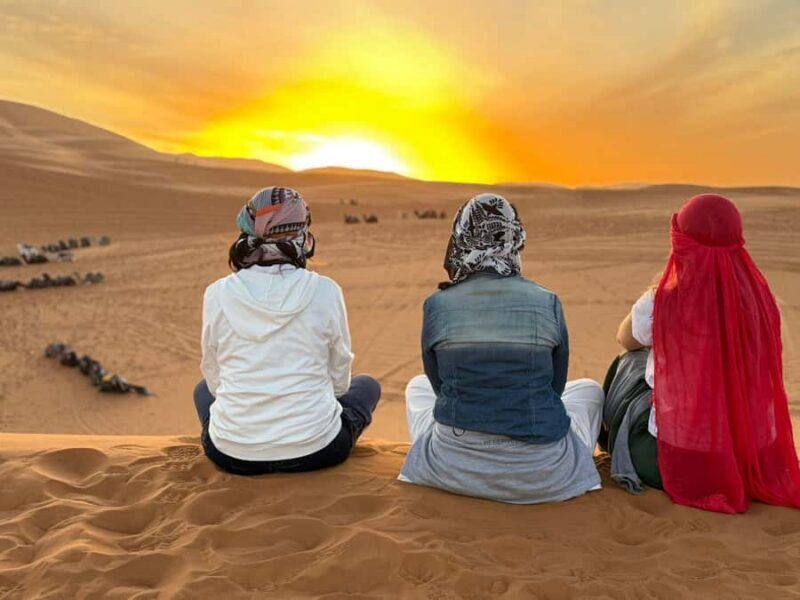
The camel ride lasts about an hour and is timed for sunset. You travel across the dunes toward the camp, with a stop among the sand for photographs and views. One account describes about an hour and a half at a sunset stop, but timing can vary, so do not build a tight schedule around it. Camel seats can feel bumpy, and walking on sand takes more effort than walking on a paved path.
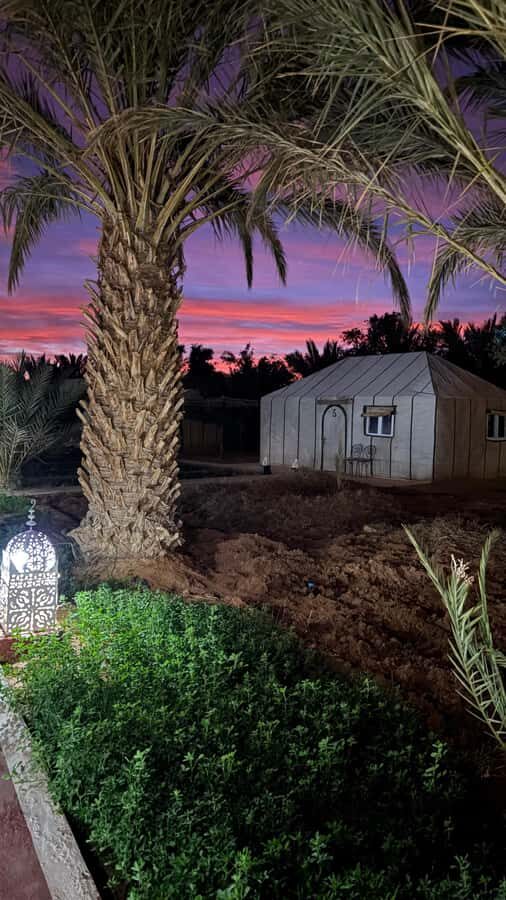
The camp is described as near the dunes, not deep in the middle of them. That distinction matters if you imagine a remote camp surrounded on every side by sand. You still get the dunes, evening sky and desert setting, but the camp is not necessarily isolated from all signs of settlement. On arrival, expect mint tea and time to settle in before dinner.
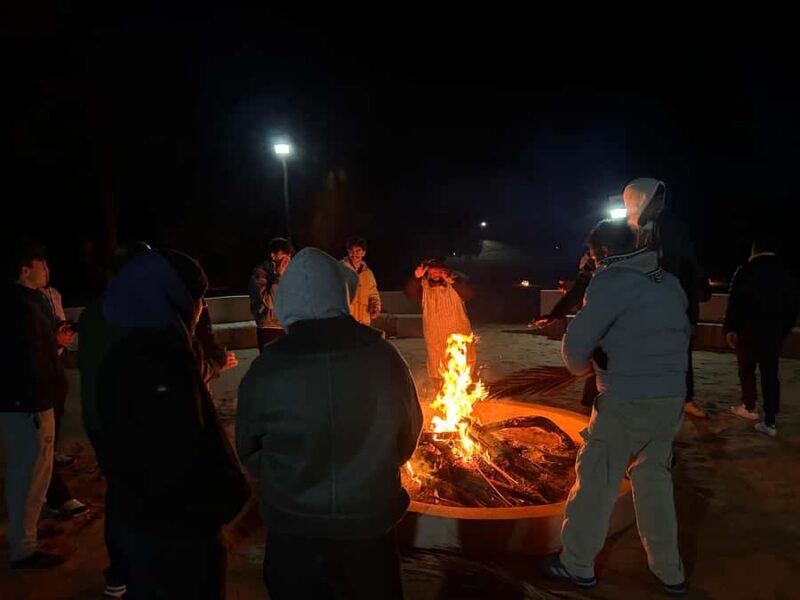
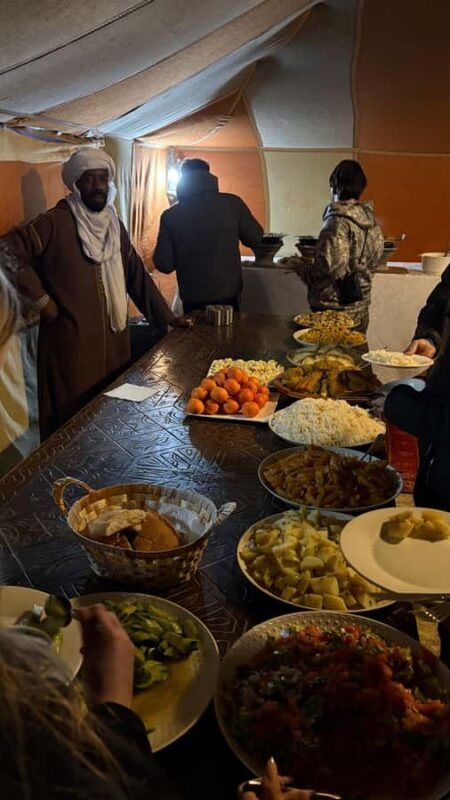
The overnight stay is one of the tour’s strongest reasons to go. Dinner and breakfast are included, and the evening may include traditional music around a fire. The combination of food, music and open sky gives the night a social feel rather than making it only a place to sleep. If the sky is clear, step outside after dark and look up. Cell service and Wi-Fi may be limited or unavailable, so download what you need and let someone at home know your plans in advance.
You can choose a shared tent, a private standard tent or a private luxury tent. The exact comforts vary by option, and the luxury upgrade is an additional per-person cost. Some past visitors have had private bathrooms and showers, but do not assume those come with every tent. If a private bathroom, heating or air conditioning matters to you, confirm the precise facilities for your selected camp and season before booking.
Pack for the weather, not just the daytime forecast. Summer days from June through August can be very hot, while winter nights from December through February can be cold. One winter visitor found the tent freezing; another described a warm luxury room. These experiences underline why your tent category and the season matter. Bring warm layers for winter nights, and do not count on the vehicle’s air conditioning to keep every seat equally cool during summer. A small personal fan is suggested for people sensitive to heat.
Water is not included, and drinks must be purchased. Bring water for the drive and check what is available at camp, especially before dinner. A towel may also be useful, since camp supplies can vary. These are small things to plan for, but they make a long day and a basic desert stay more comfortable.
More Great Tours Nearby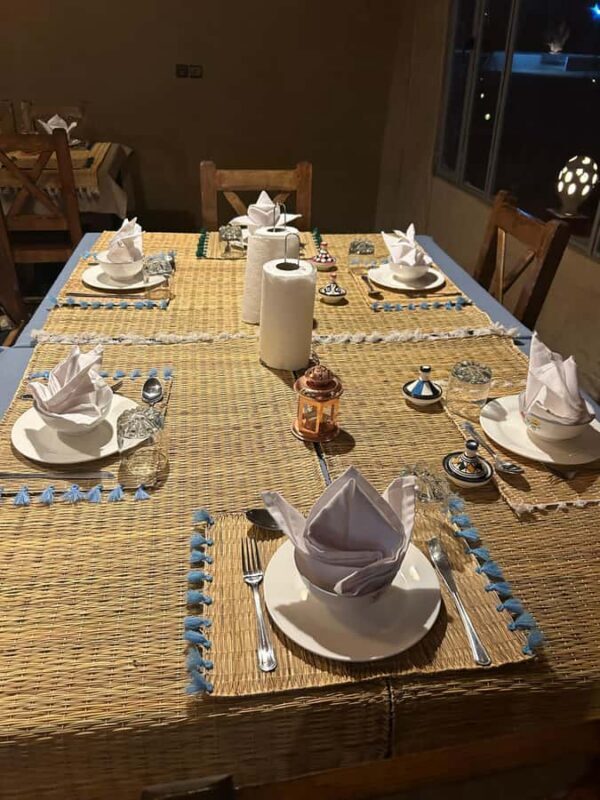
The next morning begins early, with a walk across the dunes to watch the sunrise. Dawn changes the color and shape of the sand, and the quiet is a welcome contrast to the previous day’s drive and evening gathering. You then return to your tent to freshen up before breakfast.
The walk is on sand, so allow extra effort if you have mobility or balance concerns. The activity is not suitable for wheelchair users. Quad biking may be offered as an extra, charged per person for one hour, but it is not included in the base price. Confirm availability and cost directly if it is important to your plans.
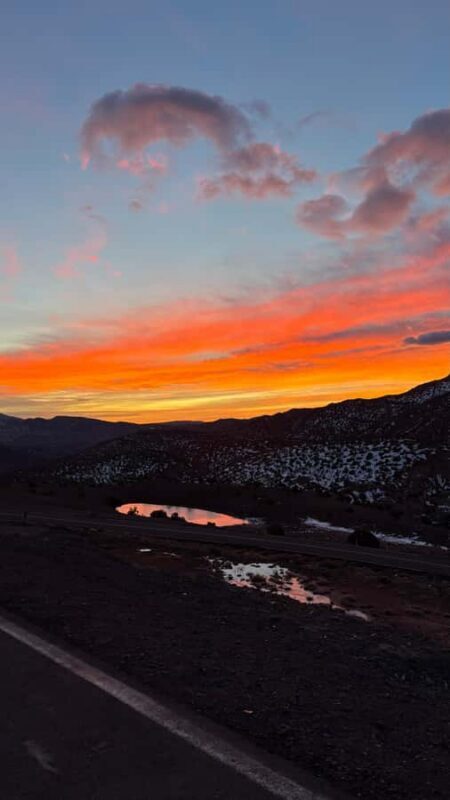
After breakfast, you start the return journey to Fes or Marrakech. The distance makes the choice of destination more than a small booking detail. The drive from Merzouga to Fes is about seven hours, while the journey to Marrakech takes around ten. If you are returning to Marrakech, expect a long day in the vehicle and less time for sightseeing along the way than you might hope.
Returning to Fes is the more manageable option based on the stated journey times. The Marrakech route can work if you need to continue your trip there, but it turns a two-day desert outing into a demanding dash across the country. Some people have found the journey back less enjoyable than the outward drive, particularly when they changed vehicles or drivers. The bus may be less comfortable, and communication can vary.
If you book at the last minute, tell the operator whether you need to return to Fes or continue to Marrakech on day two. Make that choice clear before departure, not after you reach the camp. Ask whether your return transport is expected to be the same vehicle and driver, since arrangements can change.
The operator offers pickup from your hotel or riad, or from the airport, train station or bus station in Fes. Small-group availability is noted, but check the group arrangement for your date. The listed driver languages include Arabic, English, French, Italian, German and Spanish. Free cancellation is available up to 24 hours before departure, and you can reserve now and pay later.
This tour makes sense if you have just two days, want to see Erg Chebbi, and accept that much of the time will be spent travelling. The included camel ride, camp night, dinner and breakfast make the $88 price appealing, especially if you are comfortable with a simple, shared group format. At this price, though, remember to add lunch, drinks and water, and any upgrade or quad ride you choose.
It is also a good fit for someone who values the people along the route as much as the destination. Drivers often shape the experience: a considerate driver can make a long crossing safer, more informative and easier to bear. But individual drivers and return arrangements are not guaranteed. You should book for the dunes and the basic itinerary, not on the assumption that one particular guide will be assigned.
If you dislike long drives, want substantial time for stops, or need a relaxed return to Marrakech, choose a longer tour if your schedule allows. Families have completed the trip, but the hours in the vehicle and early start still require patience. Pack layers, water, a towel and offline entertainment. Book this tour if the chance to sleep near the dunes is worth a long road day to you. If the journey itself sounds like a burden, give yourself another day.
“I spent a week in Morocco, and these two days dessert tour from Fes were part of my trip. I thoroughly enjoyed it, especially spending Chinese New …”
The tour lasts about 38 hours over two days. A large part of that time is spent travelling between Fes, Merzouga and the desert camp.
The overnight option includes transport in an air-conditioned minibus or 4WD, a professional driver, a camel ride, one night at a desert camp, breakfast and dinner. Check the selected option carefully, since the transport-only option excludes the overnight stay and activities.
No. Lunches are not included, and you should budget for food during the road journey.
No. Drinks and water are not included. Bring water for the drive and plan to pay for drinks at meals and camp.
Yes. The tour offers a return to Fes or Marrakech. The drive from Merzouga to Marrakech takes around 10 hours, compared with approximately seven hours to Fes.
The camel ride to the Erg Chebbi camp takes about one hour. It is timed to let you see sunset from the dunes.
You can choose a shared tent, a private standard tent or a private luxury tent. The luxury option costs extra per person. Confirm the facilities included with your chosen tent before booking.
No. Quad biking is an optional activity and is charged per person for one hour.
Summer days from June to August can be very hot, while winter nights from December to February can be cold. Bring suitable clothing for the season.
No. The tour is not suitable for wheelchair users.
You can check availability for your dates here: