Physical Address
304 North Cardinal St.
Dorchester Center, MA 02124
Physical Address
304 North Cardinal St.
Dorchester Center, MA 02124

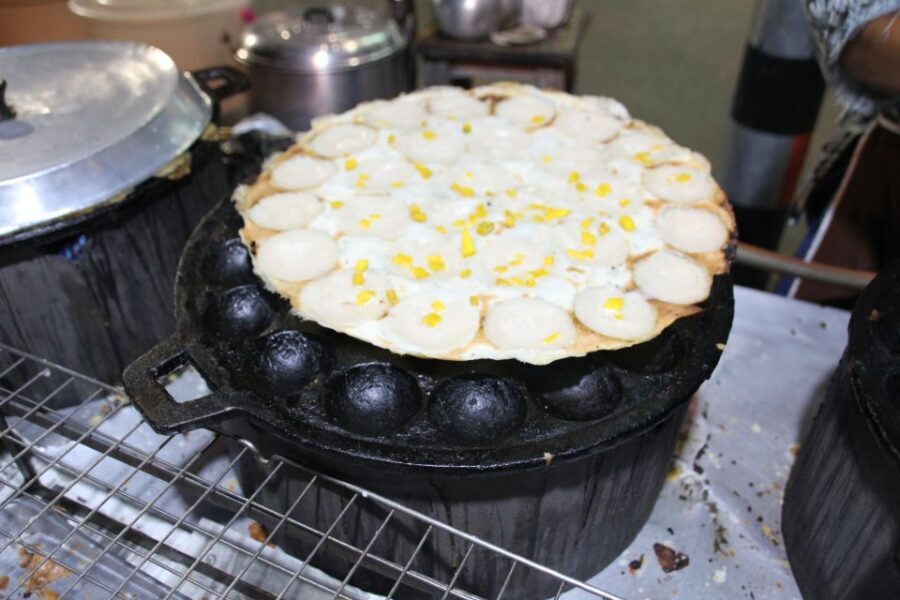
Taste Northern Thai favorites at Chiang Mai night markets, with a local guide, Thai ordering tips, small-group pacing, and hotel transfers.
Chiang Mai’s evening food markets can be a feast for the eyes and a puzzle for the hungry. This small-group tour turns the stalls into a guided tasting, with a local host helping you choose dishes, understand what is on your plate, and try ordering in Thai.
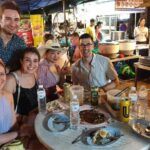
I like two things in particular: the range of food, from Kanom Jeen noodles and Northern Thai specialties to coconut dumplings and desserts, and the chance to ask questions in a group capped at ten. Guides such as Jay, Goal, and Chai are praised for explaining dishes and making the evening feel relaxed and personal.
The main consideration is the menu: dishes change from night to night, and the tour cannot accommodate vegetarians or pescatarians. You should also arrive hungry. The portions and number of tastes can add up fast.
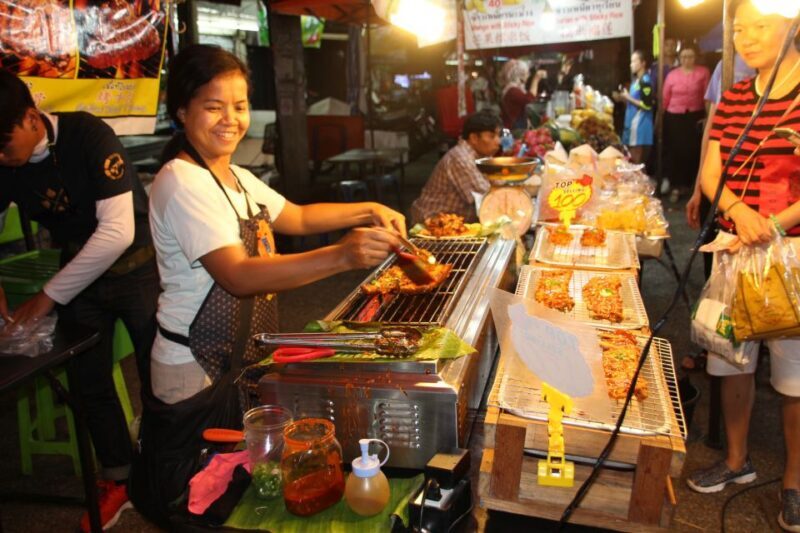
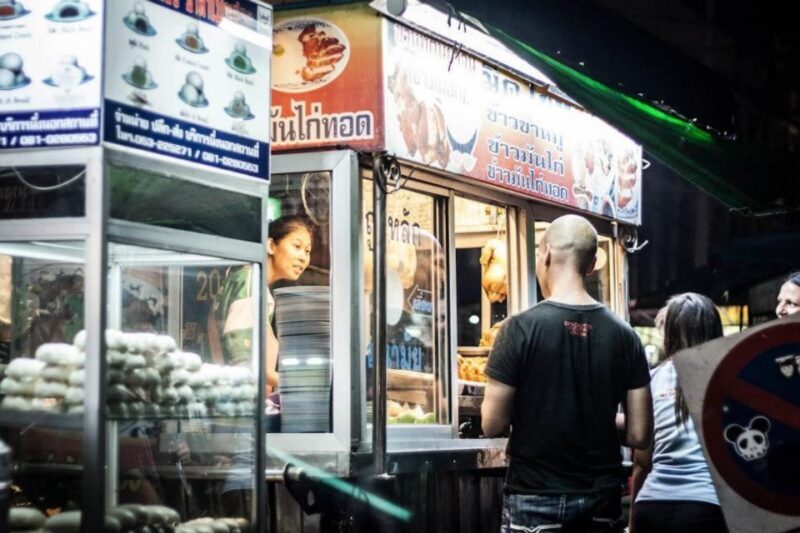
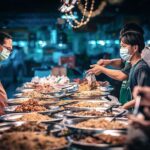
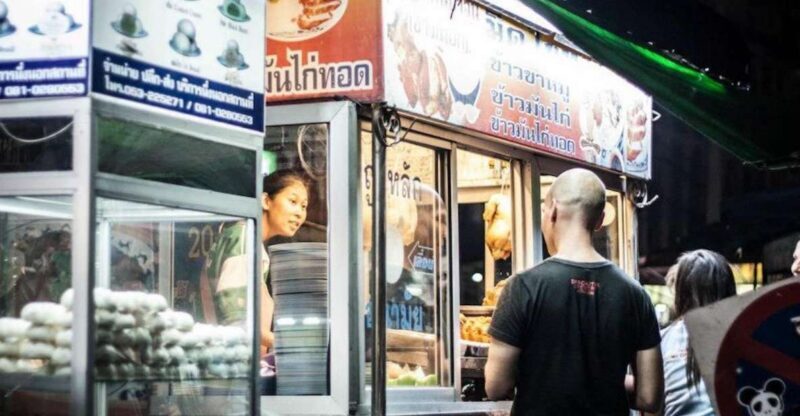
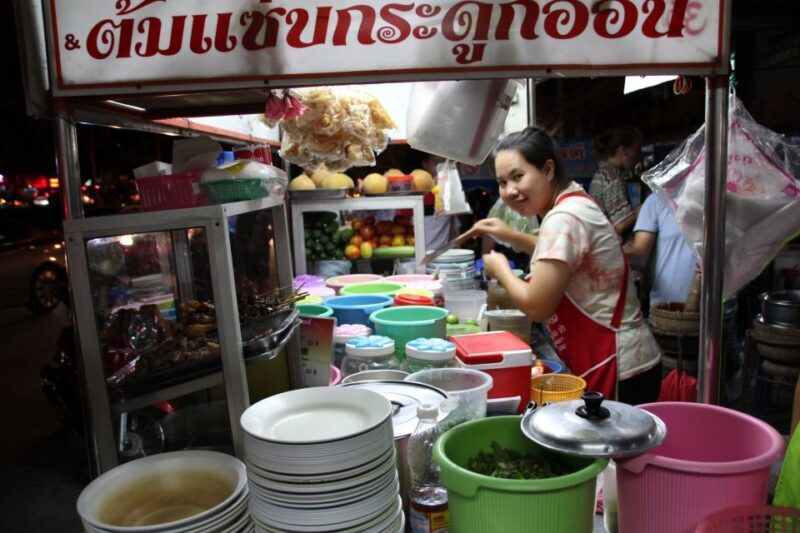
A food market is easy to admire from the edge and harder to order from when you do not know the names, ingredients, or serving style. That is where this tour earns its keep. Your guide leads you through at least two evening markets and helps turn a crowded choice of stalls into a sequence of tastings you can understand.
The experience lasts about 150 minutes. You are picked up at your Chiang Mai city-center accommodation, meet the rest of the group, and travel between the market stops by vehicle. At the end, you are driven back to your accommodation. That transfer makes the evening simpler, especially if you are still learning your way around town or would rather not work out transport after a large meal.
The route and dishes can change from night to night. Some evenings may include three markets or several food stands, while the core promise is a visit to at least two markets. Think of the itinerary as a guided sampler, not a fixed menu with every dish guaranteed.
For more Chiang Mai culinary adventures, you might enjoy these food and drink experiences
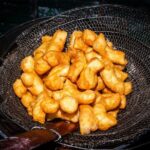
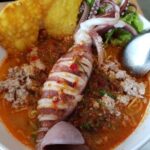
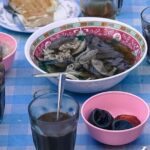
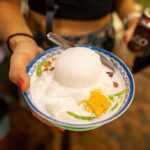
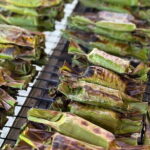
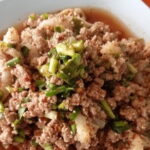
The food is the heart of the evening, and the range is a strong reason to book. You may try Kanom Jeen, described for this tour as Chinese noodles, along with Northern Thai dishes, stewed pork leg, coconut dumplings, and, if you have room, sweets and desserts. The exact selection varies, so it is best to arrive curious rather than set on one particular dish.
The guide helps you make sense of each taste: what it is, what ingredients or flavors to expect, and how to eat it. You can ask before trying something unfamiliar, which is useful when a dish looks different from what you know or you are unsure how spicy it might be. Spice options vary, and the tour can include both spicy and mild food, but do not assume every dish can be adjusted to your preference.
The format also solves a practical problem for solo diners and small parties. Ordering a broad range of items on your own can be costly, and you may not know what to choose. With a group, the tasting becomes shared, so you can try more kinds of food than you might order for yourself. Several people who joined alone also found it a natural way to meet others over a common table of tastes.
One useful expectation to set: this is not a light snack walk. The food is plentiful, and the menu may include many more tastes than the headline dishes suggest. Some evenings have included numerous salads, mains, and several desserts. If you have a late lunch, consider keeping it modest. The tour does not promise a specific number of dishes, but going hungry is sensible.
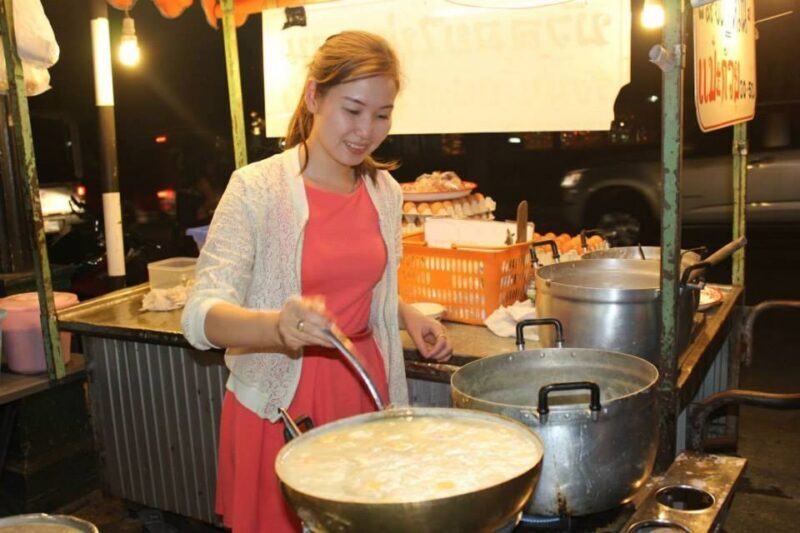
A good market guide does more than point at a stall. Here, the small group gives you space to ask about ingredients, unfamiliar foods, and Thai food customs as you go. Guides named in recent tour accounts include Jay, Mr. Goal, Chai, Tienchai, and T. The assigned guide can vary, so treat these names as examples, not a booking guarantee.
The guides are also a big part of the tour’s appeal. Jay is frequently described as warm and engaging, while Goal is often singled out for explaining the food, its origins, and local customs. Chai has helped participants with food etiquette and Thai vocabulary. The shared thread is clear: the guide is there to explain and help you feel at ease, not simply march the group from stall to stall.
That support can make a real difference if you are wary of ordering something unfamiliar. You can ask what is in a dish and how people eat it, then decide whether to try it. If you have a strong preference about spice, say so early. Guides have helped non-spice eaters find milder choices, but the tour is built around a shared food route rather than a fully customized menu.
During the tour, your guide teaches basic Thai phrases and helps you practice ordering. You also receive a leaflet describing the foods you tried and giving useful Thai phrases. That small take-home tool has value beyond the evening: once you return to the markets on your own, you have names to look for and a few words to help you order.
The language practice is practical rather than classroom-style. You learn in context, with food in front of you and a guide available to help. Even if you do not remember every phrase, you can leave with a better idea of what to ask for and less hesitation about approaching a stall.
There is a cultural side to the explanations, too. Food origins, regional influences, and the role of certain dishes in Thai culture may come up along the way. That context turns the meal into more than a checklist of tastes, while still keeping the evening focused on eating.
More Great Tours NearbyAt $40 per person, the tour includes all the dishes sampled, water, an experienced local guide, the food-and-phrase leaflet, and round-trip hotel transport within Chiang Mai city center. Alcoholic drinks and other beverages are not included. For a 150-minute outing with several tastings and transfers, the price is appealing if you want to sample a broad spread without arranging each stop yourself.
The strongest value is not just the amount of food. It is the combination of ordering help, explanations, transport, and access to a wider selection than many people would choose alone. A guide can also help you use your appetite wisely: there is no need to guess at unfamiliar dishes without anyone to explain them.
Value depends on your eating habits. If you prefer to choose every dish yourself, already know the city’s market stalls, or want a quiet dinner at one restaurant, you may get more from exploring independently. But if this is your first introduction to Chiang Mai food, or you want to try a lot in one evening, the included tastings and guidance make the cost easier to justify.
Transport is another plus. Pick-up and drop-off are included for accommodation in Chiang Mai city center, and transport is highly rated. If your hotel is outside the city area, a transfer may be arranged for a small extra charge, but you need to contact the operator. Be ready in your hotel lobby ten minutes before pick-up.
You might also be interested in these Chiang Mai experiences
This tour suits adventurous eaters, first-time visitors, and anyone who wants a guided introduction to local food without having to research every dish in advance. It can also work well for solo visitors: the group is small, and sharing many tastings gives the evening an easy social rhythm.
Families with children should check the age limit. The tour is not suitable for children under eight. One family group with teenagers found the guide accommodating, including for differing spice preferences, but that does not change the age restriction or the tour’s fixed food focus.
Vegetarians and pescatarians should not book this experience. The tour operator cannot accommodate those diets, even though individual participants may occasionally receive help with preferences. If you have allergies or other dietary needs, the information provided does not confirm that they can be handled, so contact the operator before booking rather than assuming the menu can be changed.
Wear comfortable shoes for moving around the markets. You do not need to bring a plan for what to eat, but do bring an open mind and enough appetite to sample several dishes. The selection varies, and that variety is part of the point.
I would book it if you want a lively, guided first taste of Chiang Mai’s street food and like the idea of learning as you eat. The combination of several market stops, a small group, practical Thai phrases, and included transport makes the evening easy to join and useful for the rest of your stay.
Skip it if you need a vegetarian or pescatarian menu, want a fixed list of dishes, or prefer a quiet meal with full control over every order. For everyone else, come hungry, speak up about spice, and treat each stop as a chance to try something you might not have chosen on your own.
“Our guide, Jay, was excellent. It was both enjoyable and educational, great value for money. Would definitely recommend any foodies to join this to…”
The tour lasts 150 minutes, or about two and a half hours.
You will visit at least two evening food markets. The route can include more stops, and the dishes and number of stops vary by night.
All dishes sampled on the tour are included, along with water. Possible foods include Kanom Jeen noodles, Northern Thai specialties, stewed pork leg, coconut dumplings, and desserts, though the selection changes.
Round-trip pick-up and drop-off are included for accommodation in Chiang Mai city center. For accommodation outside the city area, transport may be arranged for a small surcharge.
No. The tour cannot accommodate vegetarians or pescatarians.
The tour is offered with a live guide in Thai and English.
Wear comfortable shoes. The tour includes food and water, and you receive a leaflet with information about the dishes and useful Thai phrases.
You can check availability for your dates here: