Physical Address
304 North Cardinal St.
Dorchester Center, MA 02124
Physical Address
304 North Cardinal St.
Dorchester Center, MA 02124

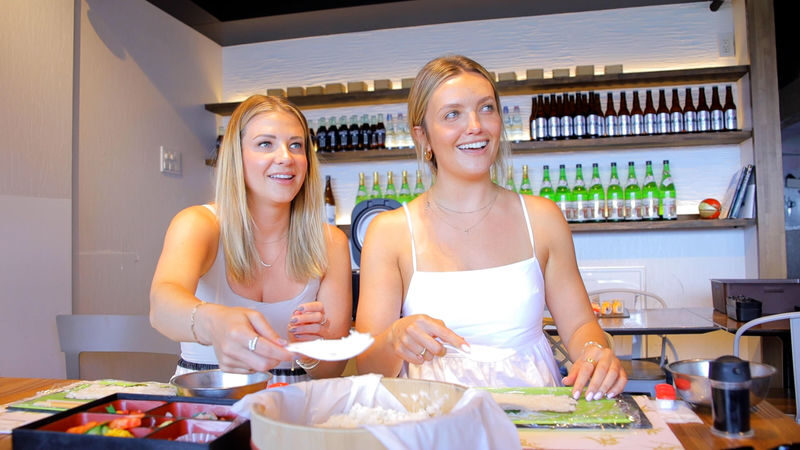
Make sushi in central Osaka with English-speaking instructors, a lighthearted history quiz, hands-on lessons, and a meal you prepare yourself.
Sushi is easy to order in Osaka and more fun when you get to shape it yourself. This class pairs a short, playful introduction to sushi history with hands-on instruction, then lets you sit down to the meal you made. The instructors guide beginners in English, so you do not need kitchen experience to take part.
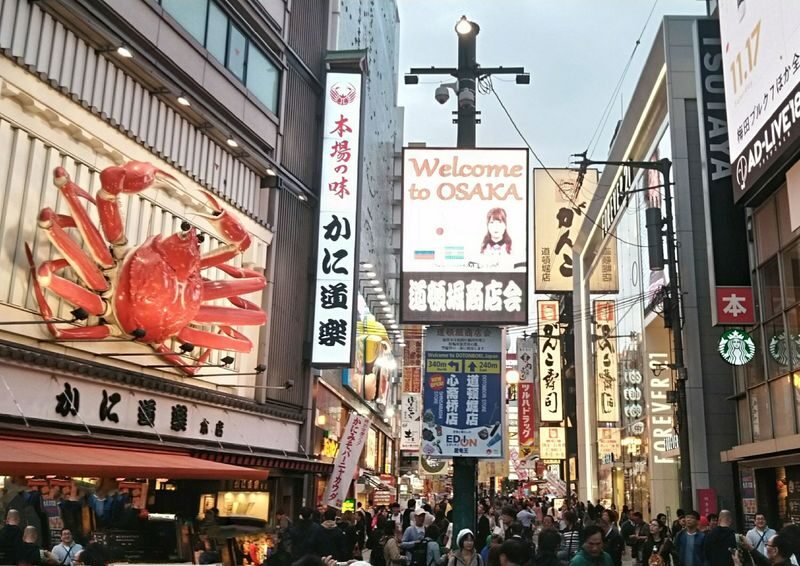
I like the central location near Dotonbori and Shinsaibashi, which makes the class an easy fit around a day of eating and exploring. I also like that it is more than a roll-making demo: you get to practise techniques and learn why sushi takes a steady hand. One consideration: the listed starting price is $44.20, and Japanese sake is extra.
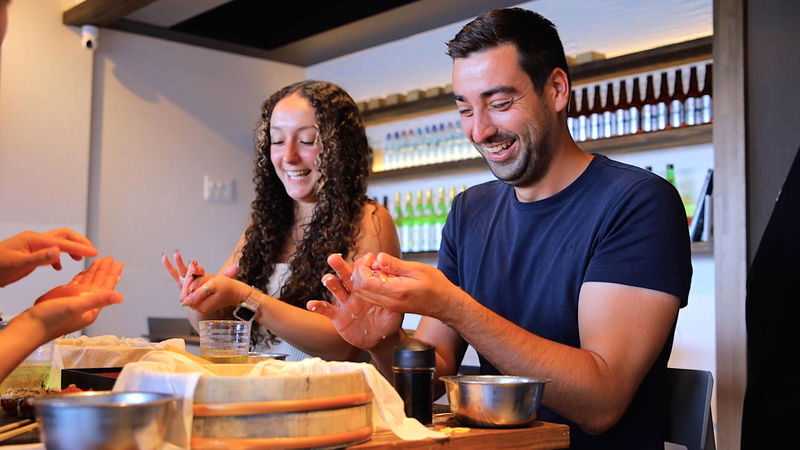
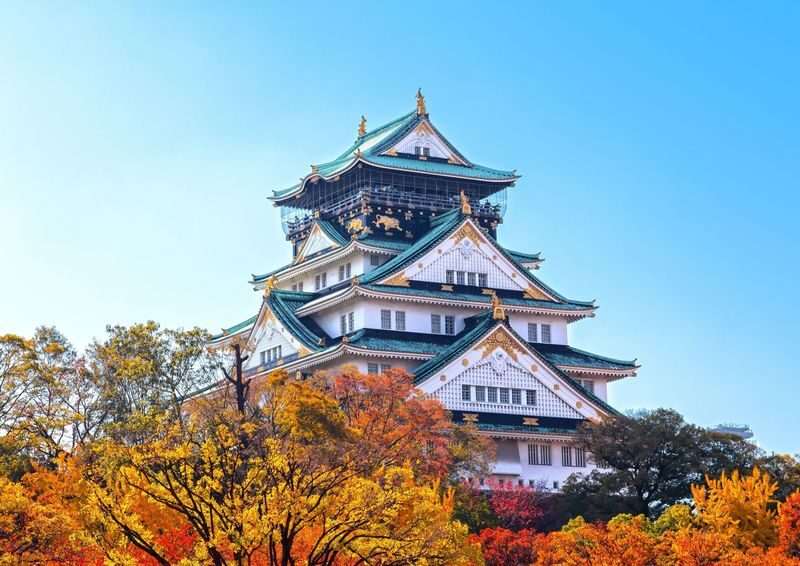
Sushi Making Osaka is at 1-16-20 Higashi-Shinsaibashi, on the third floor of the Galleria Acca Building. The venue sits near Dotonbori and Shinsaibashi, so you can place the class between meals, shopping, or a walk through central Osaka.
That setting is useful, but the class itself is the point. Osaka has no shortage of places to eat, and this gives you a different way to engage with Japanese food: you learn some context, try the techniques, and then eat your own work. It makes a good change of pace from restaurant hopping, especially if you want an activity that leaves you with more than a full stomach.
The location also suits a short visit. You do not need to set aside a full day for a cooking class, and the experience is described as taking about an hour and a half. Use that as a planning guide rather than a guaranteed duration, since the exact schedule is not specified.
You might also be interested in these Osaka experiences
The lesson opens with a friendly introduction to sushi history. Rather than treating this as a formal lecture, the class uses an interactive, lighthearted quiz to give you a little context before you start preparing food.
I like this approach because it gives the hands-on part a purpose. Sushi is often presented as a simple combination of rice and fish, but making it well takes care and control. A little background helps explain why the process matters, while a quiz keeps the opening accessible for children and adults alike.
You do not need to arrive with sushi facts or cooking skills. The class is designed for first-timers, and instructors explain what to do as you go. Some instructors mentioned by name include Futa, Momo, Shota, Mayo, and Reika. The key practical point is that English-speaking staff lead the class, so you can follow the guidance without needing Japanese.
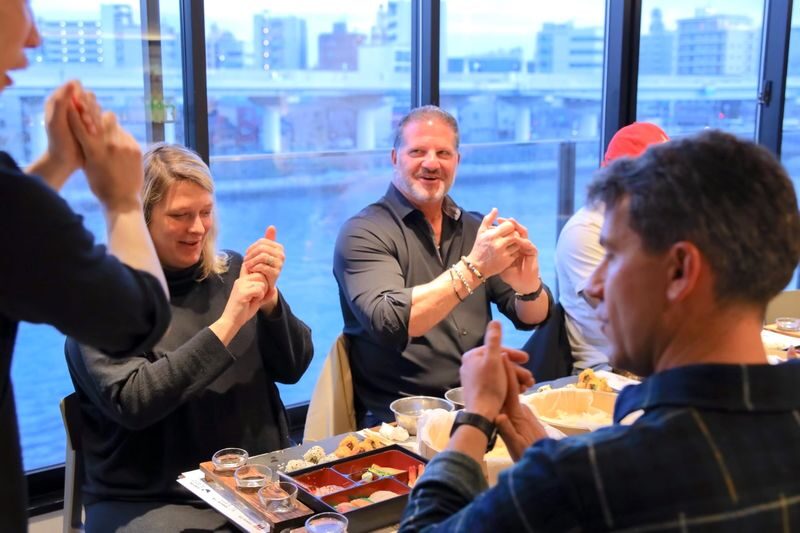
After the introduction, you move into the practical work. The class covers sushi rolls and Japanese-style sushi, with instruction describing maki and nigiri techniques. The standard menu information also names temari sushi, a rounded style of sushi, as part of the meal.
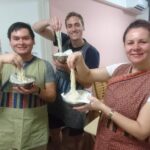
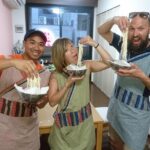
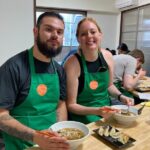
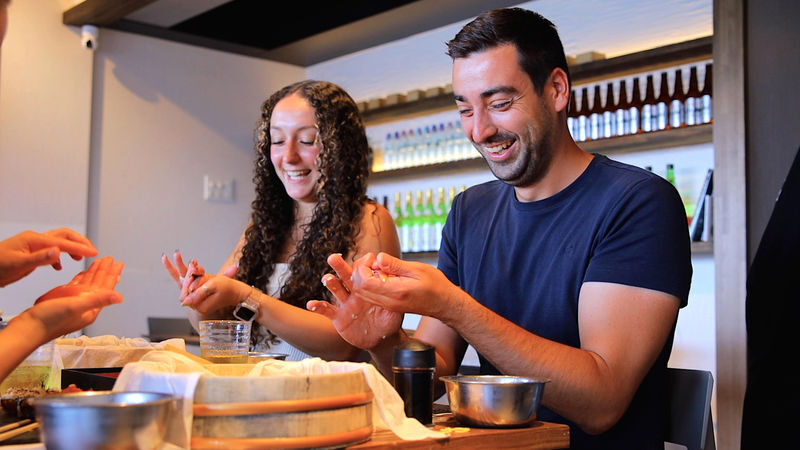
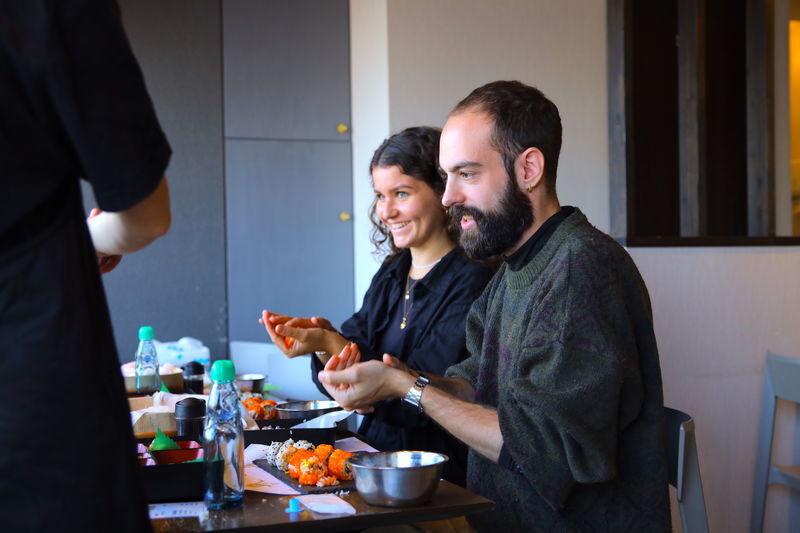
The making is the most useful part of the class. You are not only watching a demonstration: you get to handle the ingredients and practise shaping your own pieces. The instructors guide you through the process, offering visual help and patient, clear instructions. That matters because sushi looks simple when an expert does it, but keeping the rice and fillings in place takes a little finesse.
You should expect some trial and error. That is part of the appeal. The class helps you see how much technique sits behind a neat piece of sushi, and gives you a better appreciation of the work involved in a sushi counter meal. The aim is not to turn you into a professional chef in one session. It is to give you a fun introduction and a few skills you can try again at home.
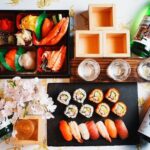
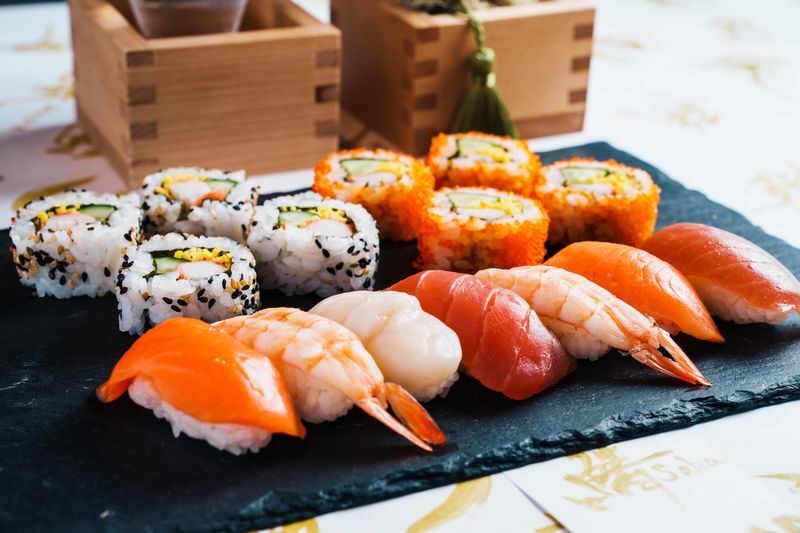
The standard menu lists nine pieces of temari sushi with toppings such as tuna, salmon, and scallop. It also includes miso soup and asazuke, a quick pickle of turnip and carrot. The ingredients list for the allergy menu also names shrimp, flying fish roe, cucumber, egg, ginger, and sesame among the ingredients used.
The menu makes the class more than a quick craft activity. You get to eat what you make, and the listed portions add up to a light meal for many people. If you are planning this as lunch, it can serve as a pleasant break before heading back out to explore. If you tend to eat a larger lunch, you may want to plan for a snack later.
Japanese sake is not included. Hotel pickup and drop-off are also not part of the experience, so plan to reach the venue yourself. The class is in central Osaka, but the exact route will depend on where you are staying.
The class welcomes groups and solo participants, which gives it a wider appeal than a private cooking lesson. Couples can make an activity of lunch; families can give children a hands-on role; solo visitors can join a shared class and learn alongside others.
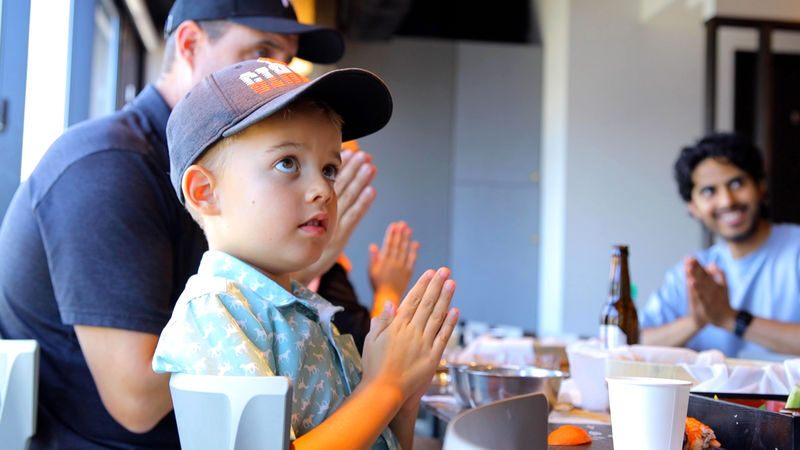
Children must be at least four years old, and they are charged the same rate as adults. That age rule is worth checking before you book, particularly if you are travelling with younger children. For older kids, the combination of a quiz, making food, and eating the result gives the class a clear rhythm and keeps it from feeling like a sit-still lesson.
The class also suits people who already love sushi. You will not get a deep technical course in a single session, but learning the basics can change how you look at the work behind each piece. If you are simply curious about Japanese food, the short history segment and practical instruction offer a friendly starting point.

There are four package choices: standard or gluten-free, vegan or vegetarian, halal, and allergy menus. That range makes the class easier to consider if you have dietary needs, but do not assume every option suits every restriction. The standard menu and allergy ingredient information identify several fish, seafood, egg, sesame, and other ingredients.
Read the package details closely and contact the provider before booking if you need a specific accommodation. In particular, an allergy menu is not a guarantee that it is safe for every allergy. You will want to confirm which ingredients are used and whether the menu works for your needs.
The gluten-free option is grouped with the standard menu, but no further ingredient details are provided. If you need to avoid gluten strictly, ask the provider what the class will serve and how it is prepared. The same practical advice applies to vegan, vegetarian, and halal choices: choose the matching package and confirm any specific requirements in advance.
The starting price is $44.20. To judge the value, think of this as a compact food activity that combines instruction, ingredients, cultural context, and a meal you prepare yourself. You are paying for more than a plate of sushi, but less than a full-day cooking course.
For a first-time visitor, that can be worthwhile. You get to try unfamiliar techniques with an instructor nearby, then eat the results rather than leaving with a recipe and no lunch. The central location adds practical value if you are already spending time around Dotonbori or Shinsaibashi.
The price may feel less compelling if your main goal is simply to eat sushi. Osaka offers plenty of ways to do that without a class. This is better suited to someone who wants a shared activity, a little food culture, and the pleasure of making something by hand. Remember that sake is not included, and the listed starting price may not represent every package or date.
The class takes place at Sushi Making Osaka, on the third floor of the Galleria Acca Building at 1-16-20 Higashi-Shinsaibashi, Chuo-ku, Osaka. You present a mobile voucher and enter the venue directly with it. The voucher is valid only for the date and time specified.
Children aged four and older pay the adult rate. If you are booking for a group and need a different schedule, contact the provider before booking to discuss timing. A full refund is available if you cancel at least 24 hours before the activity date, using Osaka local time.
I would book it if you want a relaxed, hands-on food activity in central Osaka, especially if you are travelling with family or enjoy learning by doing. The combination of a short history quiz, guided sushi making, and a meal of your own work gives the class a clear payoff without taking up a whole day.
I would skip it if you want advanced chef training, a long cooking course, or simply the cheapest way to eat sushi. For everyone else, the class offers a useful balance of culture, practice, and lunch. Check the menu details carefully if you have dietary restrictions, and plan to ask about scheduling if you are bringing a group.
“staff are very friendly and helpful.. we enjoy making shushi so much”
It is on the third floor of the Galleria Acca Building, 1-16-20 Higashi-Shinsaibashi, Chuo-ku, Osaka. The venue is near Dotonbori and Shinsaibashi.
The listed starting price is $44.20. The price may vary by package or booking date.
The class is described as taking about an hour and a half. The exact schedule is not specified.
No. The class is designed for beginners, and English-speaking staff guide you through the activity.
The experience covers sushi rolls and Japanese-style sushi. The instruction is described as including maki and nigiri techniques, and the standard menu lists temari sushi.
The sample standard menu lists nine temari sushi pieces with toppings such as tuna, salmon, and scallop, plus miso soup and pickled turnip and carrot.
Yes. Package choices include vegan or vegetarian and halal menus, as well as standard or gluten-free and allergy menus.
Yes. Children must be at least four years old, and participants aged four and older are charged the adult rate.
No. Japanese sake is not included in the package.
You can receive a full refund if you cancel at least 24 hours before the activity date, using the destination’s local time.