Physical Address
304 North Cardinal St.
Dorchester Center, MA 02124
Physical Address
304 North Cardinal St.
Dorchester Center, MA 02124

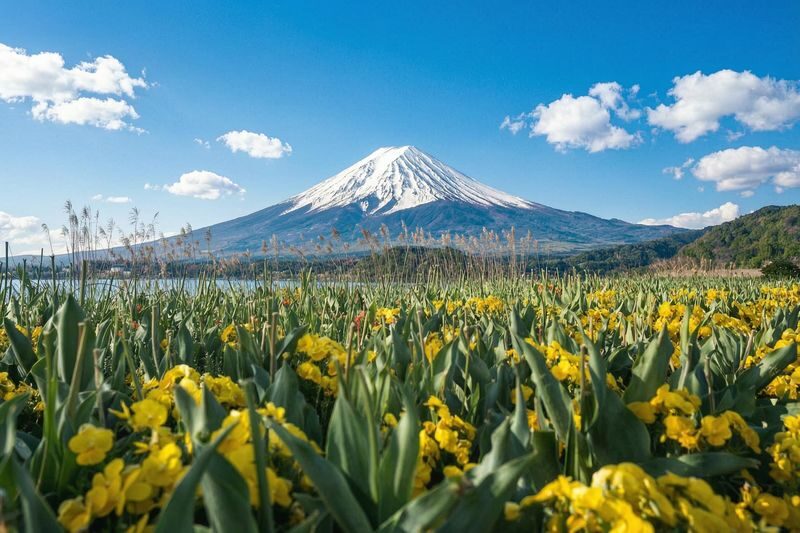
See Mount Fuji’s classic viewpoints, a thatched-roof village, clear spring ponds, and Lake Kawaguchiko on a guided day trip from Tokyo.
Mount Fuji gives this day its grand backdrop, but the best reason to go is the mix of places around it: a village of steep thatched roofs, spring-fed ponds, a lakeside flower park, and a hilltop viewpoint. I like that the route pairs photogenic stops with distinct local character, and that transport from Tokyo saves you the work of linking these far-flung sights yourself.
I also like the practical value: the Nenba village entry fee, guide, transport, tolls, parking, and fuel are included in a starting price of $49.29. The main gamble is the mountain itself. Clouds can hide Fuji, and a long day with short visits and Tokyo traffic requires a little patience.
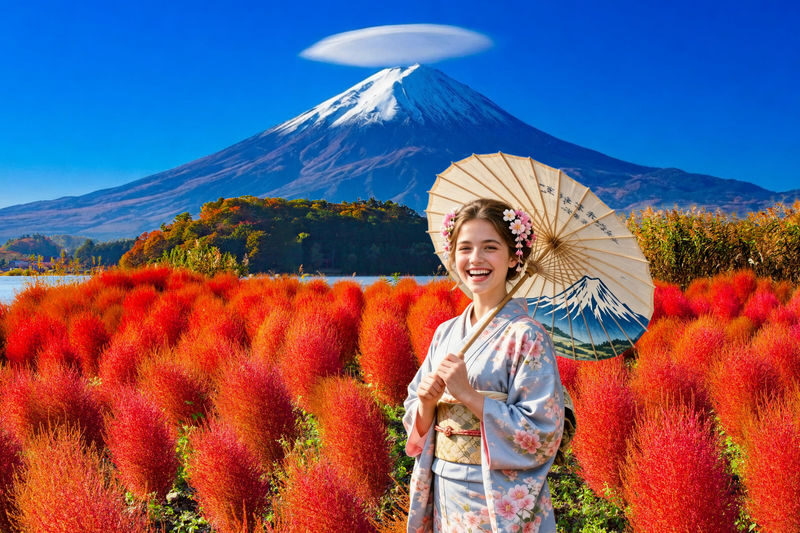
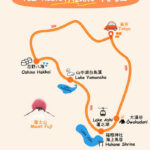
This is a day trip for seeing more than one famous Fuji photo spot. Each stop offers a different angle on the region: rural architecture at Nenba, open lakeside views at Oishi Park, water and food at Oshino Hakkai, and a high viewpoint at Arakurayama Sengen Park.
That variety is the tour’s chief strength. If Fuji is clouded over, the village, ponds, shrine, and seasonal scenery still give you reasons to get off the bus. If the skies clear, the mountain ties the day together in a succession of memorable views.
The route is a good fit if you have limited time in Tokyo and want to reach several places without arranging buses or trains between them. It is less suited to anyone who wants a slow, unhurried visit at a single site. You get about an hour at the village and ponds, 45 minutes at Arakurayama, and shorter stops at Oishi Park and the shrine. That is enough to look around and take photos, but you will need to keep an eye on the clock.
Looking for more options in Fujiyoshida? Here are some other experiences worth considering.
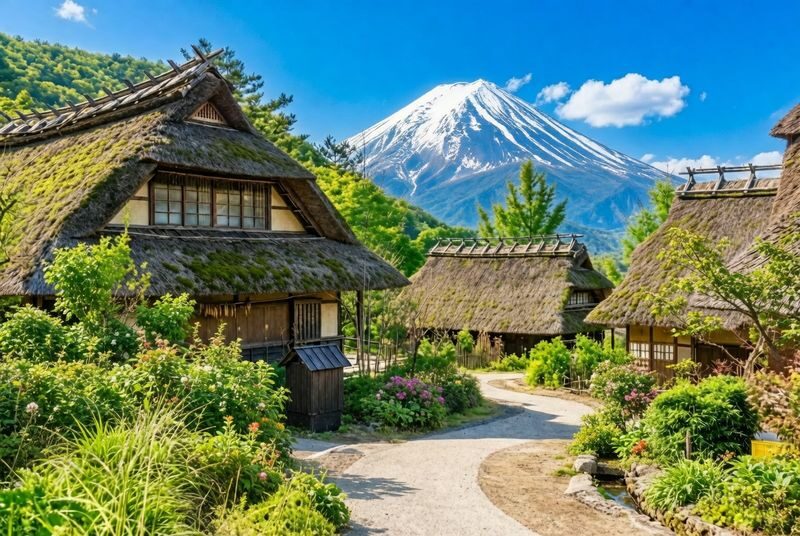
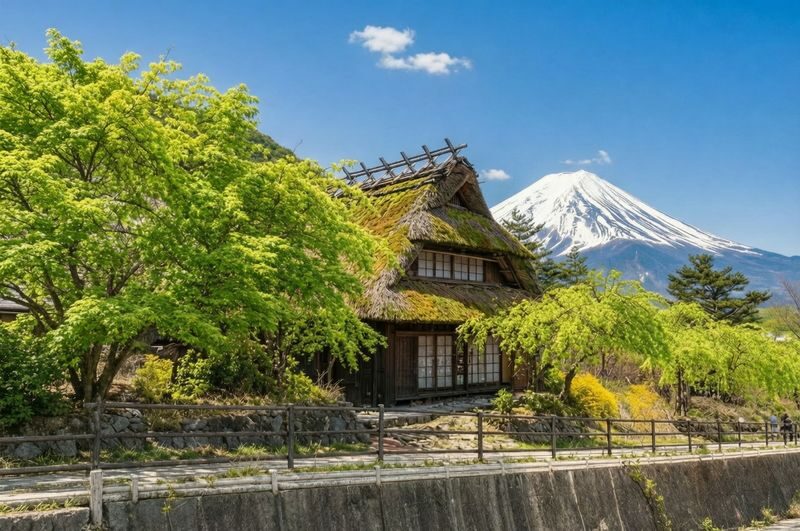
The day begins with Saiko Iyashi-no-Sato Nenba, a restored village of traditional thatched-roof houses near Lake Saiko. The steep roofs are built to handle heavy winter snow, and their shape is part of what makes the village so striking. You can walk close to the buildings and see how the roof structure defines the houses, rather than simply photographing them from a distance.
The setting feels different from the region’s busy headline viewpoints. Paths pass between the houses, and the village offers a glimpse of rural architecture and local life from another era. Some buildings have museums or displays where you can learn more about the area’s customs and past. The visit is self-guided, so you can set your own pace within the allotted hour.
The main photo is the contrast between the roofs and Mount Fuji beyond them. But Fuji may be veiled by clouds, so enjoy the architecture on its own merits too. The 500-yen admission is included in the tour price, which makes this a particularly useful stop for understanding the area as well as taking pictures.
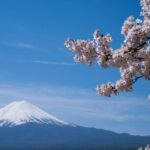
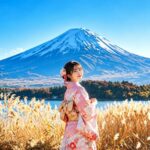
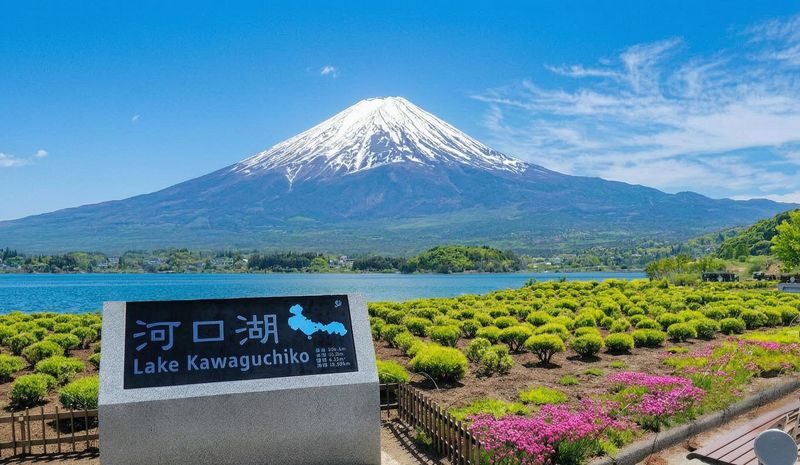
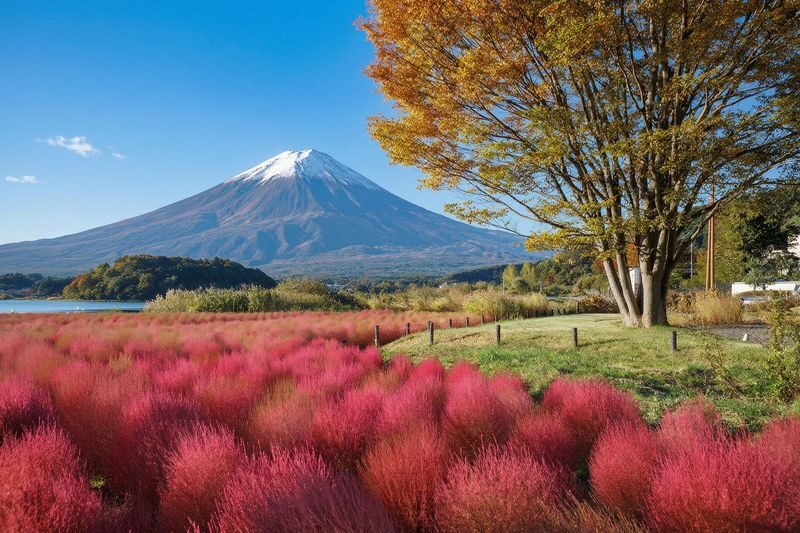
At Oishi Park, the appeal is the broad view across Lake Kawaguchiko toward Mount Fuji. The park is known for seasonal color: cherry blossoms in spring, lavender in summer, autumn foliage and kochia in fall, and winter reeds and snow scenes. What you see depends on the month, and flowers are never a sure thing on a specific date.
The stop is only 30 minutes, so think of it as a scenic pause rather than a long garden visit. Walk to the lakeside, take in the view, and leave time to get back to the bus. Even with clouds over Fuji, the lake and changing plants give the stop a quieter feel than the more crowded photo locations.
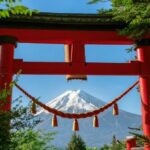
The tour also calls at the Kawaguchiko Natural Living Center for about 10 minutes. Its second floor has a photo vantage point where a red torii gate and Mount Fuji can align in the frame. It is a quick extra, not a separate outing, but worth knowing about if you enjoy composing the classic Fuji-and-torii image.
Lunch is not included. The schedule allows about 30 minutes in the Mount Fuji area, where restaurants can be busy and ordering may take time. That can make a sit-down meal feel rushed, especially if you want to use every minute at the next stops.
Bring something to eat if you want to protect your sightseeing time. You can also ask the guide about arranging a restaurant in advance, as suggested for the tour. Oshino Hakkai has local food options, but the itinerary places lunch before that stop, so do not count on having a long meal there.
Food worth looking out for in the area includes grilled squid, dango, mugwort mochi, and soba. These snacks can make a pleasant taste of local food, but meals and drinks are your own expense. Carry water and a small snack as well, especially if you prefer not to rely on finding a quick option during a brief break.
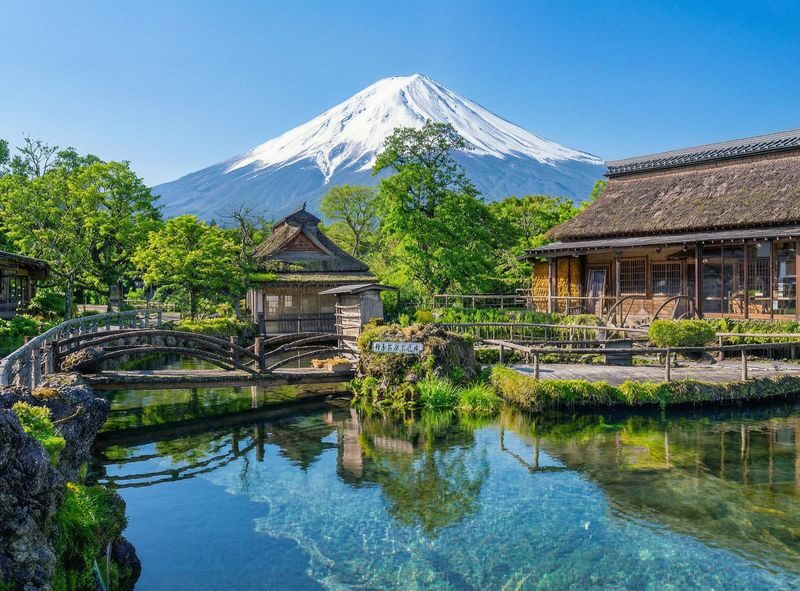
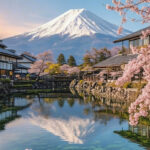
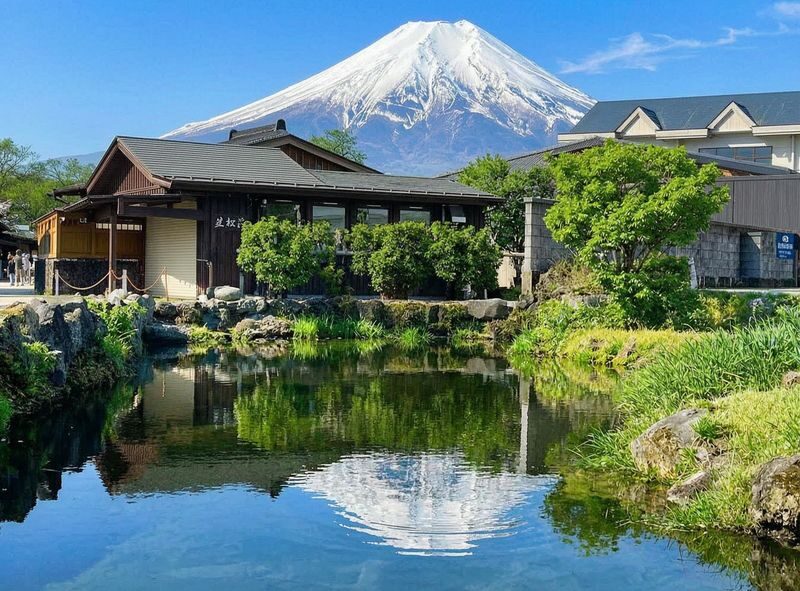
Oshino Hakkai is a group of eight spring pools fed by Mount Fuji snowmelt that filters through underground layers. The clear water is the point: look down into the pools and you can see why they are a favorite stop for photographs. The site also gives you a direct connection between the mountain’s snow and the water that emerges below.
You have about an hour to walk among the ponds, including named pools such as Okama, Deguchi, and Choshi. The pools are set among small paths and nearby shops, so there is room to wander, take photos, and sample something local. The water is known as one of Japan’s famous waters, and you can taste it at the site.
Oshino Hakkai can draw a crowd, and the most popular pool views may feel busy. It is still a rewarding stop, but you will get more from it if you pause to look at the water rather than treating it as a quick checklist of eight ponds. If Fuji appears between clouds, the ponds add a pleasing second subject to your photographs.
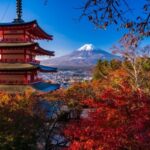
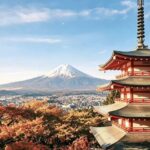
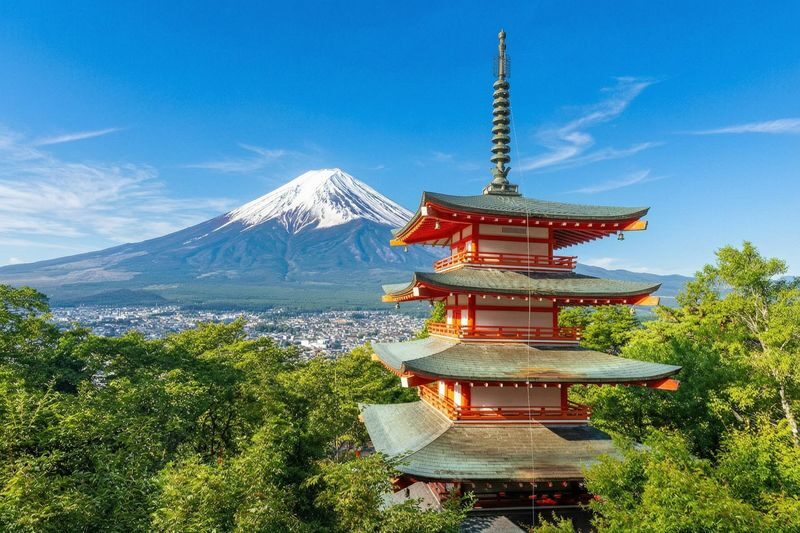
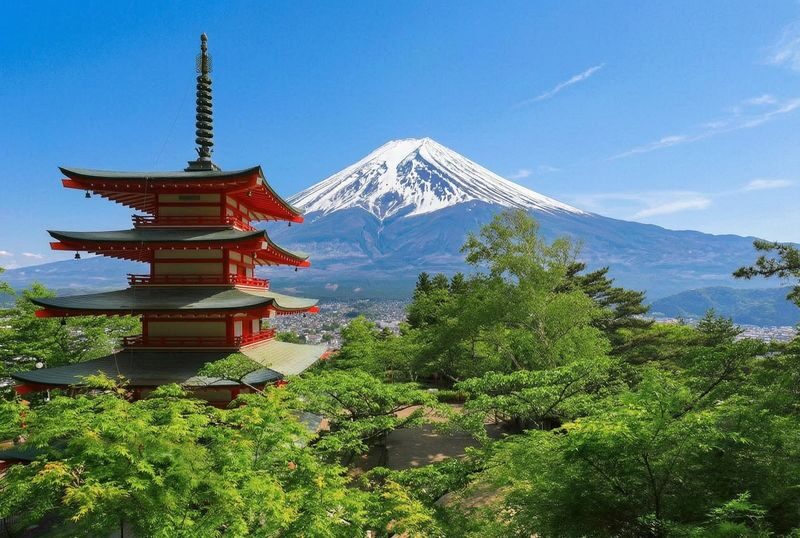
Arakurayama Sengen Park is the tour’s big elevated viewpoint, with 45 minutes set aside to see Mount Fuji from above. The park is famous for its wide view of the mountain and, in spring, cherry blossoms. Autumn foliage adds another seasonal draw. The well-known pagoda view is part of the area’s appeal, though the time allowed is short, so plan to focus on the main viewpoint rather than trying to linger everywhere.
The climb and walking here may feel more demanding than the lakeside stops. The tour information does not specify a walking distance or accessibility details, so anyone concerned about stairs or mobility should check with the operator before booking. Wear shoes you can walk in comfortably.
The nearby Arakura Fuji Sengen Shrine is allotted 15 minutes. Founded in 705, it has a long connection with prayers for safety and calm around Mount Fuji. The shrine’s story includes a ceremony held after a major eruption in 807. It is a brief visit, but it gives the day a cultural note alongside its scenery.
The order of stops may change with weather and traffic. That flexibility is useful: the guide can adapt the day to conditions, though it also means you should not plan a separate activity around a fixed arrival time.
A day that covers several locations is only as easy as its transport and timing. This tour includes round-trip bus transfers from Tokyo, plus tolls, parking, and fuel. You avoid having to coordinate separate regional trains and buses, and you can rest between stops instead of navigating each leg yourself.
The guide is an important part of the experience. Guides vary by departure, but names that have led these trips include Carter, Gwen, Sandy, Akimi, Aoi, and Pin. Strong guides have been praised for clear instructions, local context, humor, and help with photos. Carter, for example, has been described as keeping the group engaged with stories and a trivia game, while Gwen has been noted for organized group communication. These are examples, not a promise of who will lead your departure.
Expect a group outing rather than a private tour. The guide needs to keep everyone moving, and you will need to return to the bus on time at each stop. That structure is a plus if you like knowing where to go and how long you have. It is a drawback if you prefer to wander without a schedule.
At a starting price of $49.29, the tour offers good value for a long day out from Tokyo. The included village admission, guide, bus transfers, tolls, parking, and fuel cover several costs that would otherwise add up across a self-planned route. The price is especially appealing if you want to see multiple stops without renting a car or working out the connections yourself.
Meals, drinks, and personal purchases are not included. Keep some spending money for lunch and snacks, and do not assume that every optional food stop fits into the schedule. The modest starting price is not the full cost of your day, but the included transport is the major expense and practical hurdle.
The trip takes about 9.5 hours. Departure is listed at 8:00 or 8:30, depending on the meeting point, and you must return to the same station where you boarded. The expected return is around 17:30 when traffic is smooth, but it can run as late as 20:00 in congestion. Do not schedule a tight dinner reservation or evening train connection.
Mount Fuji can be hidden by clouds even when the rest of the day is pleasant. Several stops offer a chance to see it, but no viewpoint can control the weather. Some visitors have had clear mountain views; others have seen little or none. The guide may adjust the order of stops, but that cannot ensure the clouds will lift.
I would book this tour for the range of sights, not only for a single perfect Fuji photograph. Nenba’s houses, the spring pools, the lake, and the shrine each add something to the day. If seeing Mount Fuji clearly is your only goal, build flexibility into your plans and accept that the forecast may not cooperate.
Season affects the look of the parks as well. Cherry blossoms, lavender, autumn color, kochia, reeds, and snow are all possible seasonal highlights, but timing and conditions vary. Check the expected season for your travel dates, and treat any specific bloom as a bonus rather than a guarantee.
Book it if you want an efficient first look at the Fuji Five Lakes area, appreciate a guide and direct transport, and are comfortable with short visits at several places. The mix of architecture, water, park scenery, shrine history, and mountain viewpoints gives the day more texture than a route built around photo stops alone.
Think twice if you want long, quiet visits, need a guaranteed Fuji view, or cannot comfortably manage walking at Arakurayama. Also leave your Tokyo evening open in case traffic pushes the return toward 20:00. For a first visit with limited time and a flexible attitude, this is a practical way to see several sides of the region in one day.
“Amazing tour guide called Akimi well informed and polite. We was lucky enough to see mt fuji in the morning thought the clouds in the first few loc…”
The tour lasts about 9.5 hours. It departs in the morning and returns to Tokyo, with the end time affected by traffic.
The English-speaking option departs from Tokyo Station or Shinjuku Station. You must return to the same station where you boarded.
The price includes round-trip transfers, an English- or Chinese-speaking guide, tolls, parking, fuel, and admission to Saiko Iyashi-no-Sato Nenba. Meals, drinks, and personal expenses are not included.
No. Lunch is at your own expense, and the scheduled lunch break is about 30 minutes. Bringing food or asking the guide about arranging a restaurant may help you save time.
No. Fuji views depend on weather and cloud cover. The route visits several viewpoints, but the mountain may be obscured.
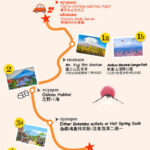
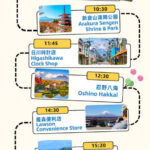
The schedule allows about one hour at Nenba, 30 minutes at Oishi Park, one hour at Oshino Hakkai, 45 minutes at Arakurayama Sengen Park, and 15 minutes at the shrine. The schedule may change due to traffic or weather.
Participants must be under 70 years old. Infants and children must be included in the passenger headcount.
The tour guide information is sent by email at around 6:00 PM on the day before the trip. Check your spam folder if it does not appear in your inbox.