Physical Address
304 North Cardinal St.
Dorchester Center, MA 02124
Physical Address
304 North Cardinal St.
Dorchester Center, MA 02124

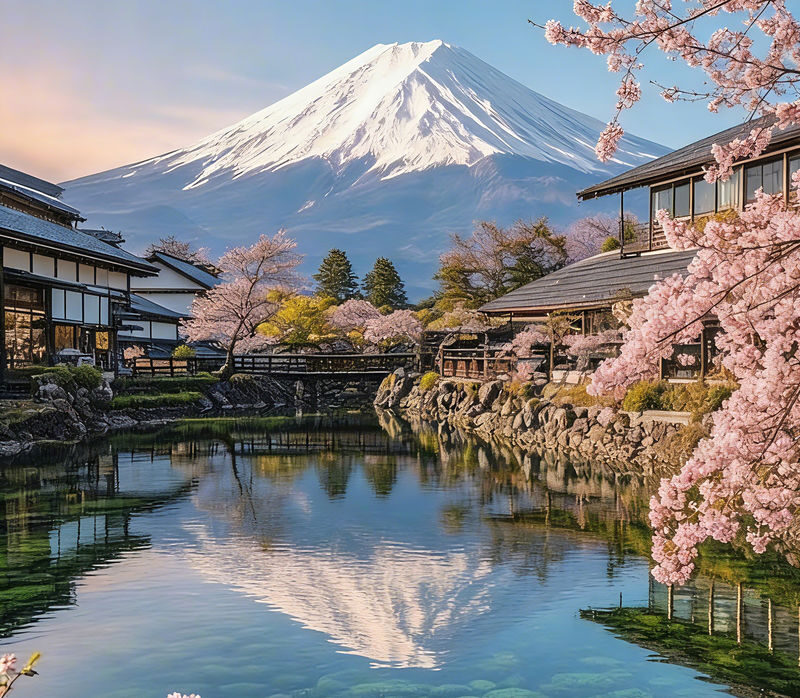
Visit six Mount Fuji photo spots on a 10.5-hour Tokyo day trip, with lakeside views, Oshino Hakkai, a pagoda, and a bilingual guide.
Mount Fuji gets the starring role on this day trip, but the route has plenty to offer even when the mountain slips behind clouds. You’ll visit lakes, a spring-fed village, a retro shopping street, a pagoda viewpoint, and a very ordinary Lawson made famous by its Fuji backdrop.
I like the mix of different Fuji views and local details: Lake Yamanaka offers a chance to see the mountain reflected on the water, while Oshino Hakkai brings clear spring pools and snack stalls. I also like that guides such as Luna, Andy, Zoe, and Aoki have helped with photos and kept groups on schedule.
The main drawback is the pace. Six photo stops in one day means limited time at each, and traffic or weather can cut visits short. Fuji itself is never guaranteed to show.
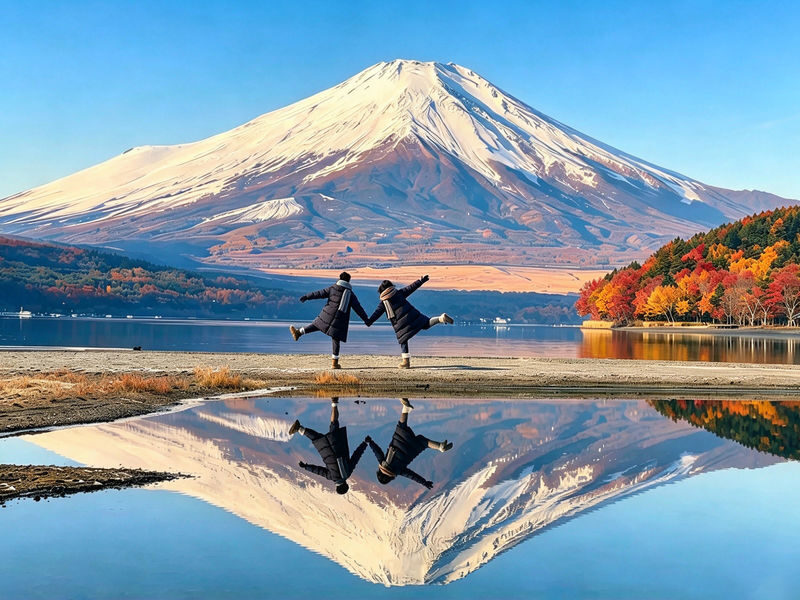
This tour covers a wide patch of Yamanashi Prefecture in one long outing from Tokyo. You get a sequence of very different settings rather than spending the day at a single lake: a quiet shore, a town street, a shrine, a mountain-view park, a spring village, and the shores of Lake Kawaguchiko.
That variety is the tour’s real strength. If Fuji is visible, you’ll have several chances to see it from different angles. If it is not, the village, shrine, lakes, and food stalls still give the day some substance. But if you want to linger for an hour over every composition, this is not the right format.
The outing is sold as a visit to six popular photo spots, though the schedule includes several more distinct stops, including Arakura Fuji Sengen Shrine. Think of it as a highlights route, not a slow walking tour.
Shoppers can discover Fujiyoshida's markets and boutiques through these guided experiences
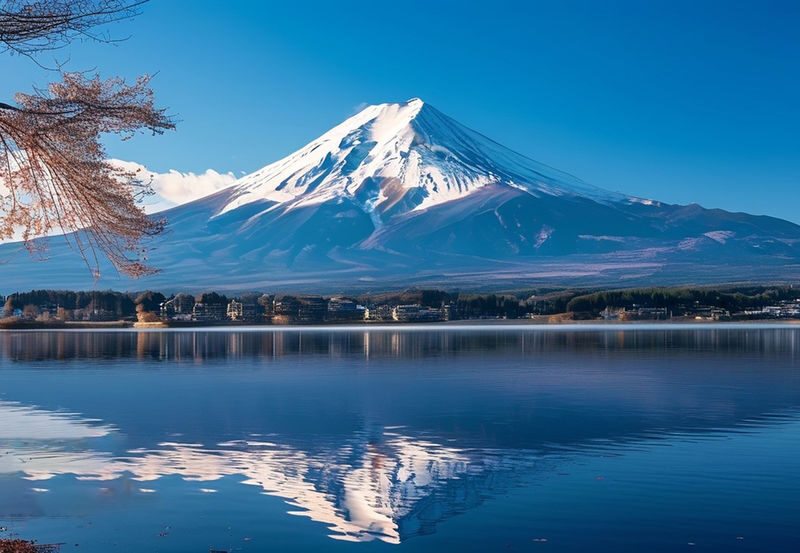
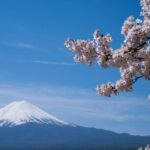
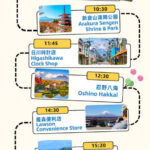
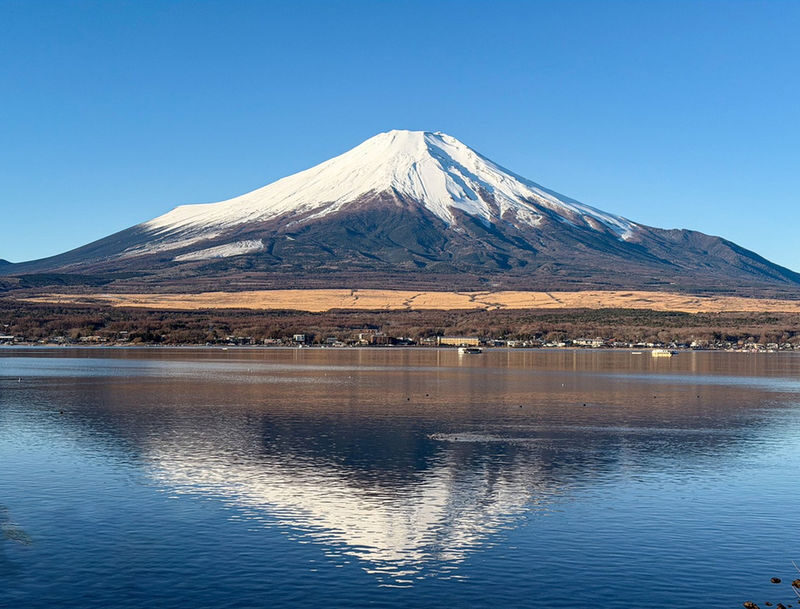
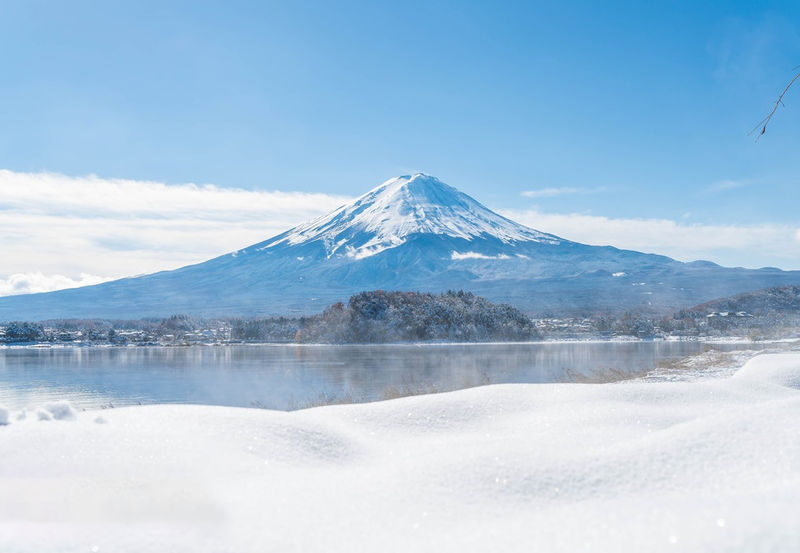
The first planned stop is Lake Yamanaka, specifically Hirano Beach, with about 40 minutes to explore on your own. It is the closest of the Fuji Five Lakes to Mount Fuji, and its wide surface can make a reflection shot possible when the mountain is clear and the water is calm.
This is a good opening because the setting is less built-up than the famous town-side photo locations. You may see swans on the lake, and the open shore gives you room to frame the mountain without the same street scene in the foreground. The reflection is a possibility, not a promise: wind, clouds, and visibility all matter.
Keep your camera ready, but don’t spend the whole stop chasing one perfect image. The schedule is tight, and the later stops offer very different views.
At Hikawa Clock Shop, you have about 20 minutes on the street known for its retro Showa-era feel and Fuji view. The appeal is the contrast: shops and an ordinary town street in the foreground, with the mountain rising beyond them when conditions cooperate.
This is a quick photo stop rather than a long visit to a major attraction. Take a few frames, look around, and follow any directions from your guide about where to stand. The street’s popularity can make it feel less like a quiet discovery and more like a shared photo set, but the view is unusual precisely because it brings Fuji into daily town life.
Lunch follows, with roughly 30 minutes planned. The guide may recommend a restaurant, but you are not required to eat there. You can choose a convenience-store bento or bring your own food. Since the meal stop may be shortened or canceled depending on the group’s needs and traffic, don’t count on a leisurely sit-down lunch.
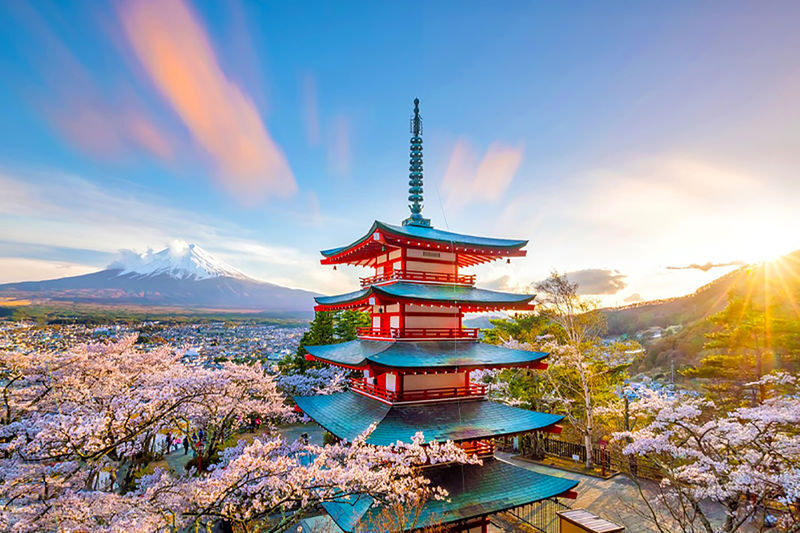
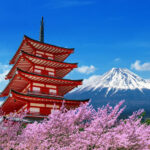
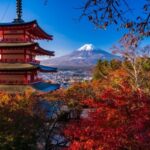
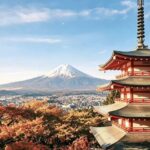
Arakurayama Sengen Park is the big classic composition: Mount Fuji behind the five-story Chureito Pagoda. The stop is about an hour, and the route includes going up to the observation deck. In spring, cherry blossoms can frame the view; autumn brings red foliage, though the exact look depends on the date and weather.
This is the stop to prioritize if you have come mainly for the iconic Fuji photograph. The view is often described as a must-see for photographers, and it earns that reputation when the mountain is out. Still, an hour has to cover getting to the viewpoint, taking photos, and returning to the vehicle. If the park is crowded, you may need to be patient and take your turn.
The nearby Arakura Fuji Sengen Shrine gets about 10 minutes. Founded in 705, it offers a quieter pause and a glimpse of local religious heritage. The visit is for sightseeing only, with no ceremony or religious activity arranged. Together, the park and shrine make this section more than a single photo stop, but the shrine visit is brief.
Oshino Hakkai is scheduled for about an hour. Its eight spring ponds are fed by snowmelt from Mount Fuji that filters through geological layers, producing clear water. The setting is a welcome change after the road and photo stops: ponds, village views, and the mountain in the distance.
You can walk around the spring area and look for local food. Grilled squid, mochi, kusamochi, and handmade soba are among the items associated with the stop. These are not included in the tour price, so bring some spending money if you want to snack. There is no need to turn lunch into a major production; a small local bite may fit the short schedule better.
An hour gives you a useful taste of the place, not an unhurried village visit. The paths and food areas can be busy, and you’ll need to keep an eye on the time. I’d use this stop for a mix of spring views and one or two local treats rather than trying to see every corner.
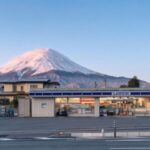
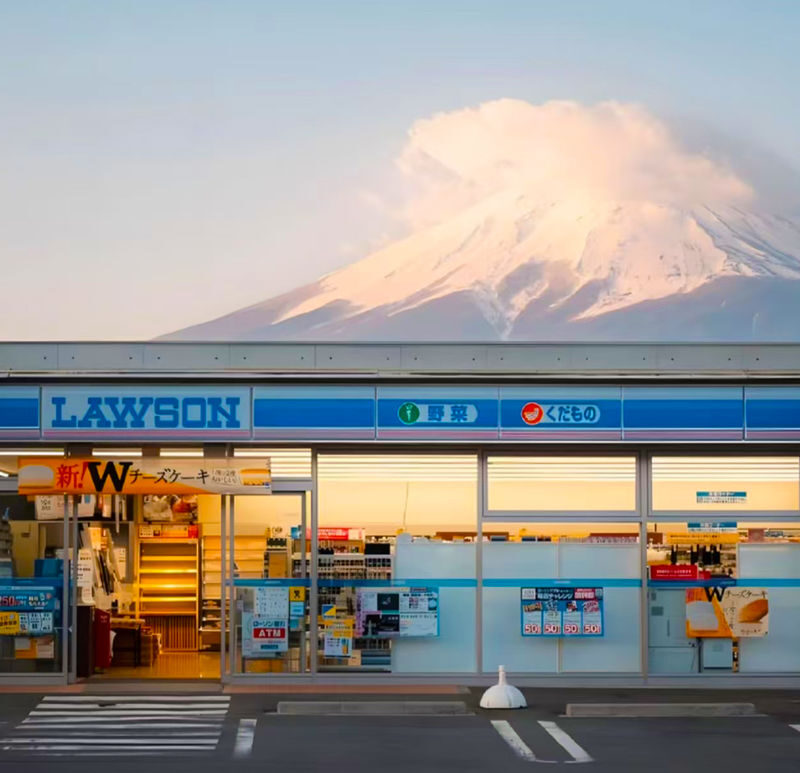
The Lawson Fujikawaguchiko Town Hall stop lasts about 20 minutes. The convenience store has become a popular Fuji photo subject because its familiar storefront sits below the mountain. It is a curious, very modern Japan moment: an everyday shop turned into a camera magnet.
This is a brief stop, and it is worth keeping expectations sensible. The store is still a working convenience store, not a dedicated photo attraction. Follow the guide’s instructions and respect the people using the shop and the surrounding street.
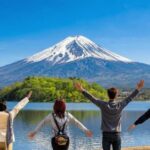
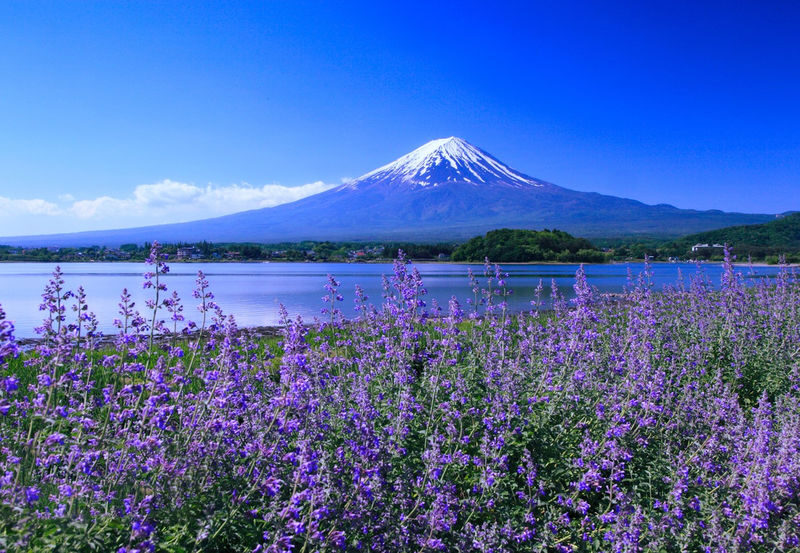
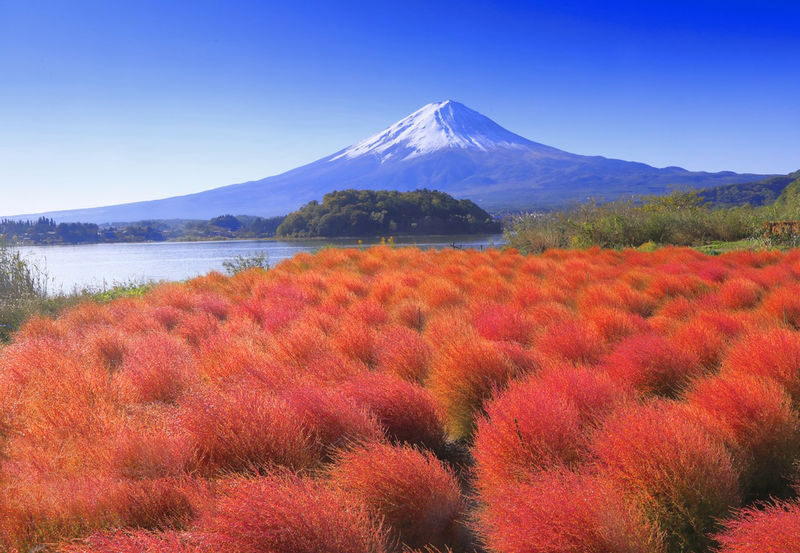
The final planned stop is Oishi Park at Lake Kawaguchiko, with about 40 minutes to stroll by the water and look toward Fuji. The park is known for seasonal flowers and changing colors, with lavender in summer and foliage in autumn among the expected seasonal sights. Actual blooms and views depend on the date and weather.
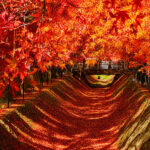
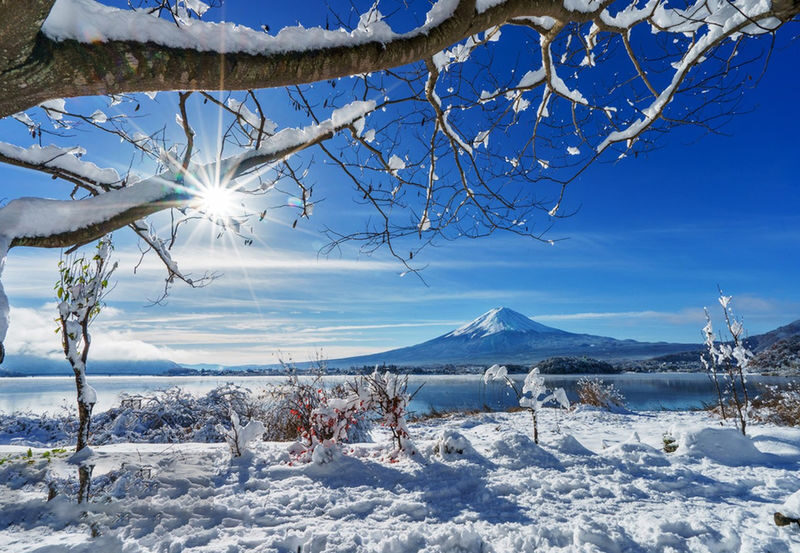
There are seasonal substitutions. From March 28 to April 12, the route goes to the Kawaguchiko Cherry Blossom Festival instead of Oishi Park. From October 20 to November 23, it goes to the Maple Corridor. The schedule also says attractions may be skipped because of capacity or weather, so treat the route as a plan rather than a guarantee that every stop will happen.
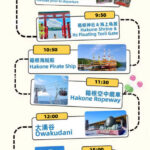
The tour departs from Tokyo Station’s Marunouchi North Exit at 7:20, leaving at 7:30, or from Shinjuku MODE Gakuen at 7:50, leaving at 8:00. Arrive 10 minutes early. The return to Tokyo Station is estimated at 18:00, but traffic can make the journey much longer.
The trip is a shared ride with fixed stop times. If there are fewer than 12 people, the vehicle may have a driver but no separate tour guide; with more than 12, a driver and guide are arranged. English and Chinese options are offered, but the precise format depends on the package you book.
Guides including Luna, Andy, Zoe, Aoki, Yuri, and Serina have been praised for clear explanations, help with photos, and keeping the group organized. That personal help can matter when you want a quick portrait at a busy viewpoint or need a clear reminder of the return time. It does not change the basic trade-off: you need to be punctual, and the group moves on if you miss the allowed wait of up to five minutes.
Prices start at $49.29, with round-trip transport and admission to the listed stops included. For a full day out of Tokyo that links several widely spaced locations, the value is strong if you want an easy way to cover the region without planning separate bus connections.
Meals, drinks, personal expenses, and tips are extra. Lunch is flexible, but the short window makes it wise to decide quickly or bring something with you. You can also choose among different formats, including English- or Chinese-language options, small-group packages with hotel pickup and drop-off, and private-car choices. Check the exact package details before paying, since transport and guide arrangements differ.
The tour has a 4.9 out of 5 rating from 2,524 reviews, but the number to keep in mind is not the score. It is the weather. Many visitors leave delighted by the guide and the number of stops even when Fuji is hidden, while others understandably wish for a clear mountain view. No operator can promise the clouds will part.
I’d choose this tour if you have one day to see several Fuji-area highlights and would rather let someone else handle the transport. It suits first-time visitors, photo-focused visitors who are comfortable with brief stops, and anyone who values a guide’s help with timing and pictures.
It is less suited to you if you want long, quiet visits, a flexible pace, or a guaranteed view of the mountain. Weekend and holiday traffic can cause delays of two to five hours, and poor weather may shorten the itinerary or hide Fuji. Leave your evening open, bring layers and a charged phone, and don’t build the day around a single perfect photo.
At $49.29 and up, the tour offers useful value for a packed day, especially if you would otherwise need to arrange transport to each stop. Book it for the variety and convenience, not as a sure bet on clear skies.
“🌧️🗻 Though it rained all day and Mount Fuji remained hidden from view, I wholeheartedly embraced every moment of my birthday trip! 🎂Some…”
You can meet at Tokyo Station’s Marunouchi North Exit at 7:20, with departure at 7:30, or at Shinjuku MODE Gakuen at 7:50, with departure at 8:00. Arrive 10 minutes early.
The estimated return to Tokyo Station is 18:00. Traffic and weather can delay arrival, so avoid scheduling another activity afterward.
No. Clouds, rain, and other weather conditions can obscure Mount Fuji, and the tour operator cannot guarantee a clear view.
No. Meals and drinks are not included. The guide may recommend restaurants, but you can choose a convenience-store meal or bring your own food.
From March 28 to April 12, the tour visits the Kawaguchiko Cherry Blossom Festival instead of Oishi Park. From October 20 to November 23, it visits the Maple Corridor instead of Oishi Park.
An English-guide package is available, as is a Chinese-guide package. For groups under 12, the vehicle may have a driver only, without a separate tour guide.
Children aged 0 to 2 can join free if they do not occupy a separate seat, but participation is not recommended. If a child under 2 needs a seat, a ticket at the adult rate is required. Children aged 2 and older pay the adult rate.