Physical Address
304 North Cardinal St.
Dorchester Center, MA 02124
Physical Address
304 North Cardinal St.
Dorchester Center, MA 02124

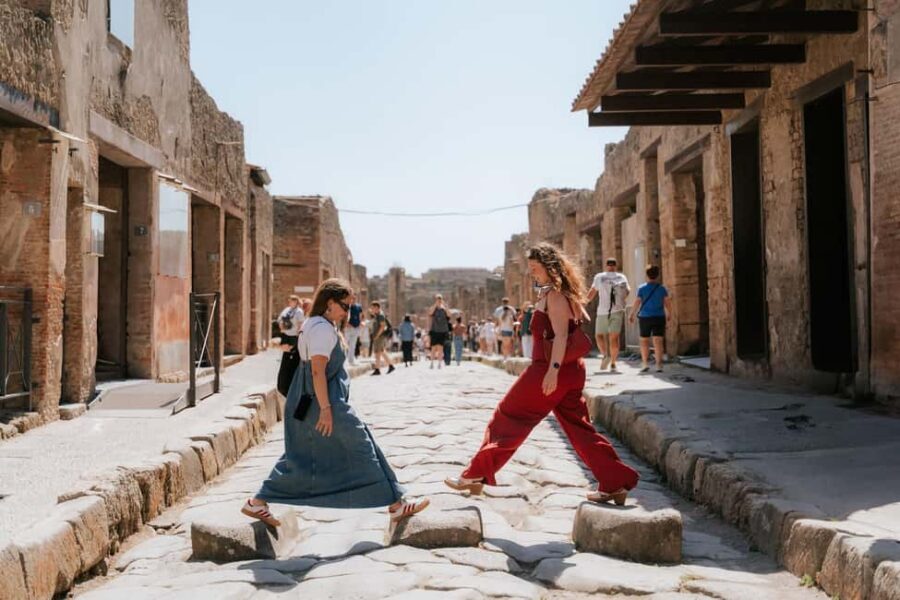
Visit Pompeii with an archaeologist, then follow the coast to Positano or Sorrento on a long, scenic day trip from Rome.
Pompeii’s streets, shops, temples, and homes make the ancient city feel close enough to touch. This 13-hour trip pairs a 2.5-hour archaeologist-led visit with a coastal drive and free time in Positano in warmer months, or Sorrento in the low season.
I like two things about the plan: you get an expert to help make sense of Pompeii’s scale and daily life, and a smaller vehicle can handle the coast road’s tight turns without a vehicle change. There’s also time to choose your own lunch and explore the seaside stop at your own pace.
The trade-off is the clock. With about seven hours of driving, Pompeii and the coast are both quick visits, and traffic can push the return later than expected. Think of this as a chance to sample two very different places, not a slow exploration of either one.
This trip tackles two of Campania’s biggest draws in a single outing: Pompeii and the Amalfi Coast. That is its main appeal, and also its compromise. You leave Rome early, spend much of the day on the road, and return to the same meeting point after a packed 13 hours.
I’d consider it if your Rome stay is short and you want to see both places without arranging trains, local transport, and site tickets yourself. You get a guide to frame the journey and the ruins, plus a driver who handles the long route and coastal roads. You give up the freedom to set your own pace or stay late in either destination.
The day begins at Piazzale Flaminio, 15, near Piazza del Popolo. Meet outside the McDonald’s on the corner of the square, in front of the arches, and arrive 15 minutes before departure. Flaminio-Piazza del Popolo on Metro Line A is the closest station.
You can check availability for your dates here: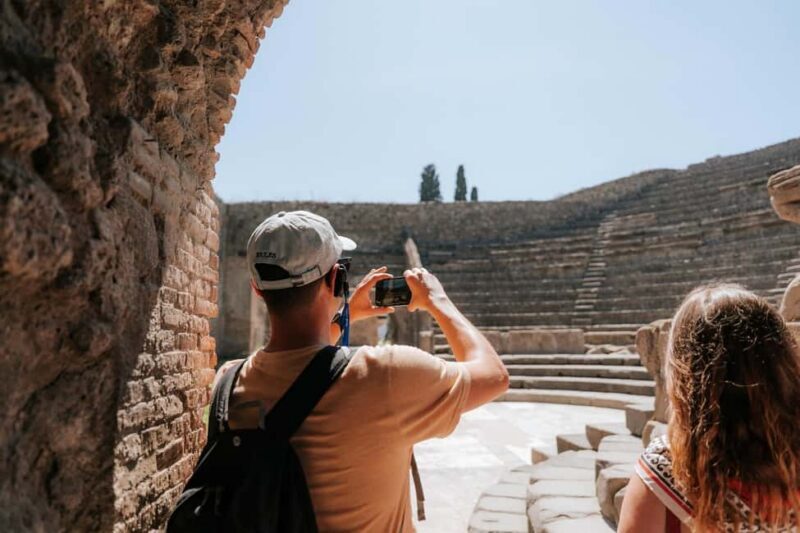
The drive to Pompeii takes about 3.5 hours. That is a serious stretch of the day, but the transport makes it possible to cover the distance and visit both destinations without changing trains or planning connections. The vehicle is described as a small-group minibus, with air conditioning; the group size for the Pompeii tour is limited to 18, but two groups may share transport, for up to 36 people in total.
A guide accompanies the trip, and past guides have included Cosimo, Mattia, Roberta, and Chiara. Their roles include keeping the day organized and sharing information along the way. The names change, so don’t book expecting a particular guide. Several accounts describe guides who explain the plan clearly, offer practical tips, and help the long ride feel less like dead time.
There may be a stop at a service area on the route. One past trip paused near Cassino, where there were food and drink options, but the exact schedule can vary. Bring snacks and a payment card, and consider carrying cash as well. The day is long enough that a small snack can be useful between stops.
The vehicle’s compact size is a practical advantage on the coast, where narrow roads and hairpin turns can make a full-size coach awkward. It can mean a tighter fit for long legs, however, and a full vehicle may feel less roomy than a large bus. Reviews describe both comfortable rides and cramped seating, so don’t assume the small-group format means a private ride. A private tour is also offered, with an English-speaking professional driver.
You might also be interested in these Rome experiences
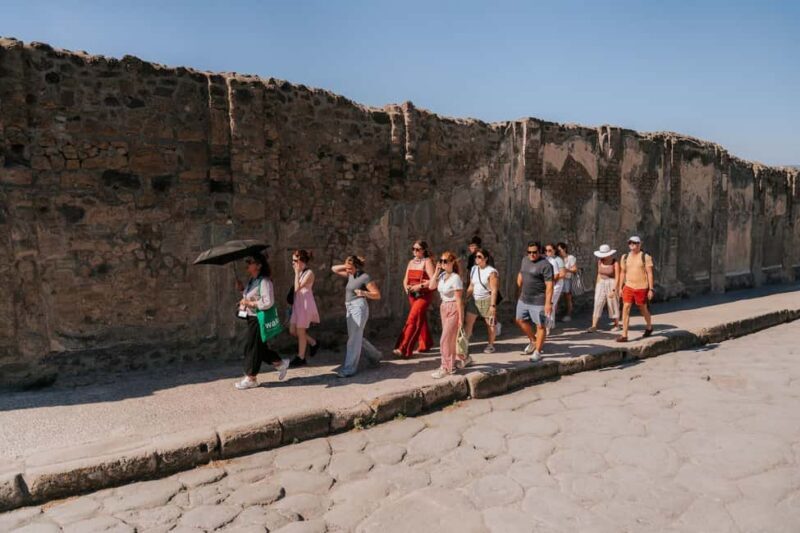
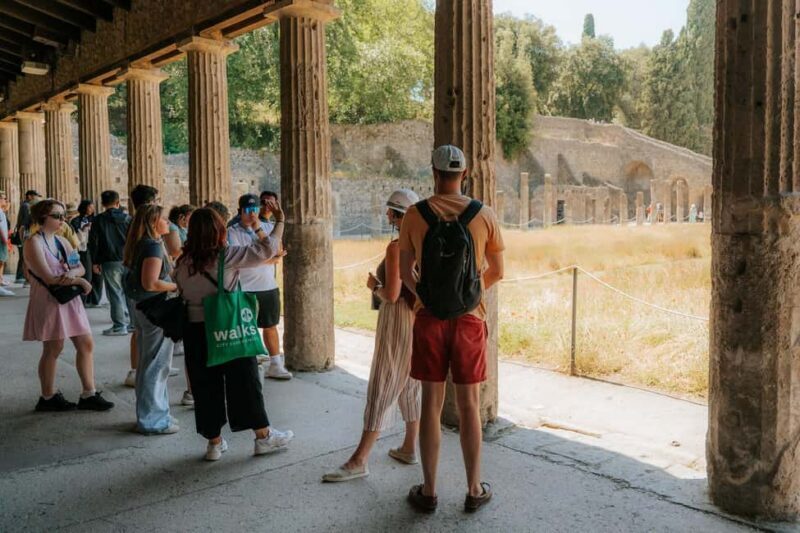
At Pompeii, you spend about 2.5 hours on a guided walking tour. The city was buried by the eruption of Mount Vesuvius in AD 79, and its preserved streets and buildings give you far more than a collection of ruins. Your guide can help you picture how people used the spaces, from shops and temples to private homes and a brothel.
The House of the Vetti is a particular point of interest: it has recently reopened after years of restoration. Seeing a house in this setting can make the site feel more personal than a walk past walls and columns alone. The guided visit also helps you use your limited time well, especially when other groups are moving through the same area.
This tour’s Pompeii guide is a local archaeologist. Guides have included Francesca, Ilaria, Roberto, and Caterina, though assignments vary. The strongest part of the experience is the chance to hear the site explained by someone with a specialist’s grasp of its history and details. Some guides also route groups around busier spots when possible, which can help you see more in a short visit.
Keep your expectations realistic: Pompeii is vast, and 2.5 hours is an introduction rather than a full exploration. You will walk at a moderate pace, and the site has little shade in places. Summer heat can make the visit tiring, so wear comfortable shoes, bring water and sun protection, and follow your guide’s pace. In very hot weather, the limited shade is not a minor detail.

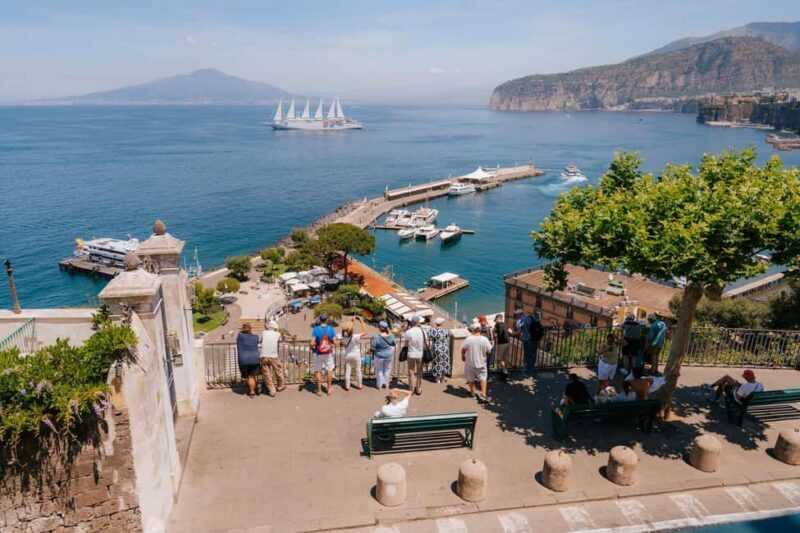
After Pompeii, the trip follows a scenic stretch of the Amalfi Coast. The drive itself is part of the outing, with views of the sea, cliffs, and hillside towns. The route is described as lasting about an hour, though traffic can affect the timing. A compact vehicle is useful on the bends and narrow sections, but if your main goal is to stop repeatedly for photographs, check the day’s plan: a scenic drive does not guarantee a dedicated photo stop.
Some past itineraries included a brief view or stop near the Bay of Sorrento, but the specific route and stops can change. The reliable feature is the coastal drive, not a promise of a particular viewpoint. If photographs are a priority, ask your guide what the day’s schedule allows once you meet.
The order of visits can also reverse. Some departures go to the coast before Pompeii, while others visit the ruins first. Either way, the plan includes both stops, but the light, traffic, and feel of the day may differ.
From April through October, the planned free-time stop is Positano. Built along steep slopes above the water, it is known for pastel-colored buildings and views across the coast. You get about two hours to walk, browse shops, and find lunch after your guide offers suggestions. That is enough for a taste of the town, not enough to explore every lane or linger over a long meal.
Positano’s steep setting matters when you plan your time. You may spend some of your free period walking between the town’s different levels, so pick a simple goal rather than trying to see everything. You can shop, sit down for lunch, or enjoy a short walk and a view. The guide’s tips can help you make a quick choice instead of using half your break deciding where to go.
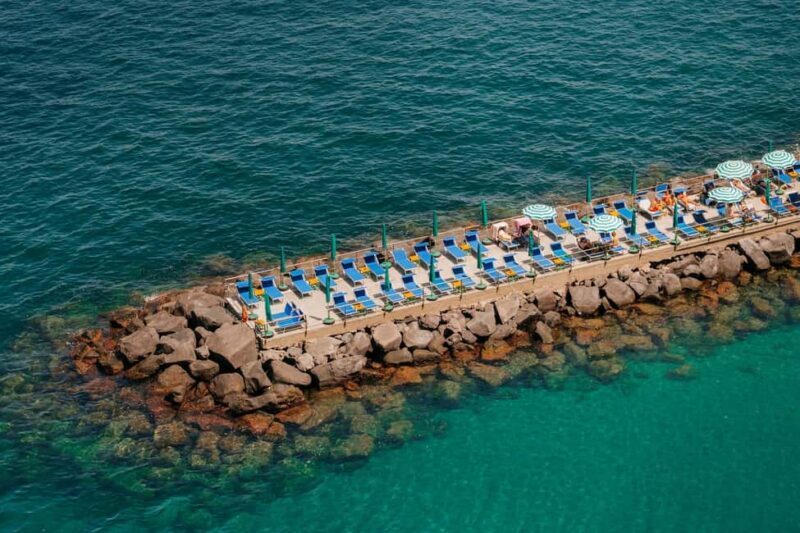
In November through March, the tour visits Sorrento instead because many Positano businesses close in the low season. Sorrento offers more options for lunch and shopping at that time. Past trips to Sorrento included time for food and browsing, and some groups enjoyed its harbour and local shops. The itinerary may change order, so confirm the planned stop for your travel dates before booking.
The two-hour break is one of the day’s tightest parts. If you want to swim, don’t count on fitting it in: one past visitor noted that beach access and arranging a spot took too much time for the available stop. This is better treated as a lunch-and-walk break than a beach day.
More Great Tours Nearby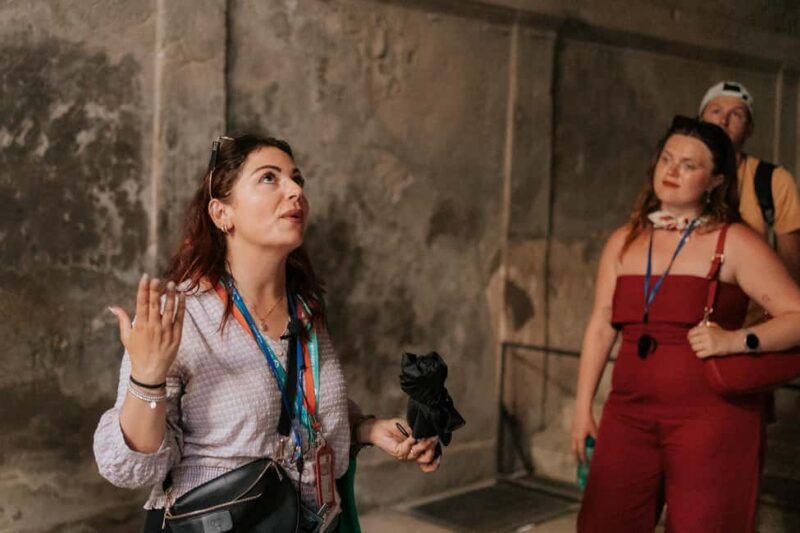
The listed schedule allows about 3.5 hours to Pompeii, 2.5 hours at the site, an hour for the coastal drive, two hours in Positano, and 3.5 hours back to Rome. Together, that is roughly 12.5 hours before small delays, which fits the advertised 13-hour day. Real road conditions can shift the balance.
Traffic is the biggest wild card, particularly on the return from the coast. One departure reached Rome much later than expected after congestion near Positano. Other trips made it back in time for dinner, but I would avoid booking a tight evening plan. A relaxed dinner reservation, rather than theatre tickets or a nonrefundable late train, gives you more breathing room.
The short time in each place is a deliberate trade. You can get a first look at Pompeii and a coastal town in one day, but you won’t have the time you would get by staying overnight in the south. If you want a deeper archaeological visit or a leisurely coastal afternoon, split the destinations across separate days.

No price is provided here, so compare the cost you see at booking with what the day includes: round-trip transport from Rome, a guided visit with a local archaeologist, a coastal drive, and free time in a second destination. You are paying for the convenience of combining a long-distance trip with on-the-ground guidance, not for hours of free exploration.
For a first visit to southern Italy, the value can be strong if you want both history and scenery and have only one day available. The guided Pompeii visit is especially useful when the site’s size and details would be hard to take in on your own. But if you can spare two days, separate visits give you more time and less time in transit.
The tour is not suitable for wheelchair users or people with mobility impairments, and it does not accommodate strollers or large bags. You need to manage a moderate-paced walking tour, and there is no extra storage space on the vehicle. If you need a car seat for a young child, contact the operator before the tour.
I’d choose this tour if you want an efficient first look at Pompeii and the coast, value a guide’s explanations, and don’t mind a long day in a vehicle. It suits curious visitors who are happy to trade time and flexibility for an organized route and a chance to see two highlights in one outing.
It is a poorer fit if you dislike early starts, need frequent rest, want a full day at Pompeii, or picture the Amalfi Coast as a slow series of photo stops and beach breaks. For everyone else, the appeal is clear: an archaeologist brings Pompeii to life, then the road south offers a sharp change of scene before you head back to Rome.
“Fantastic day trip from Rome to Pompeii and Sorrento, accepting there is necessarily a lot of travel time involved. Our tour guide for the day Cosi…”
The tour lasts about 13 hours. The schedule includes roughly 3.5 hours of travel each way, a 2.5-hour guided visit at Pompeii, a one-hour coastal drive, and two hours of free time in the coastal town.
Meet at Piazzale Flaminio, 15, in front of the McDonald’s on the corner of the square, near the arches of Piazza del Popolo. The closest Metro stop is Flaminio-Piazza del Popolo on Line A. Arrive 15 minutes early.
From April through October, the planned stop is Positano. From November through March, the tour visits Sorrento instead because many businesses in Positano are closed. The order of the itinerary may vary.
The guided visit lasts about 2.5 hours and is led by a local archaeologist. You should expect a walking tour at a moderate pace.
The guided Pompeii group is limited to 18 people. Transportation may be shared by two groups, for up to 36 people in total.
No. The tour is not suitable for people with mobility impairments or wheelchair users, and strollers are not allowed. Participants need to walk at a moderate pace.
No. Large bags and luggage are not allowed because the vehicle has no extra storage space. Bring comfortable shoes, snacks, and a credit card or cash instead.
You can check availability for your dates here: