Physical Address
304 North Cardinal St.
Dorchester Center, MA 02124
Physical Address
304 North Cardinal St.
Dorchester Center, MA 02124

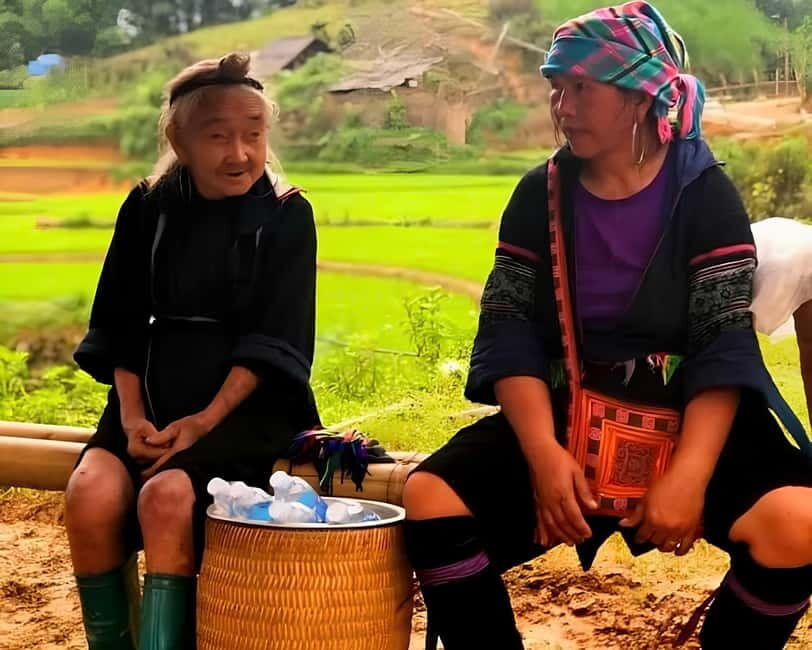
Trek above Sapa through Black Hmong villages, rice terraces and bamboo forest, with a local guide, family-style lunch and views toward Fansipan.
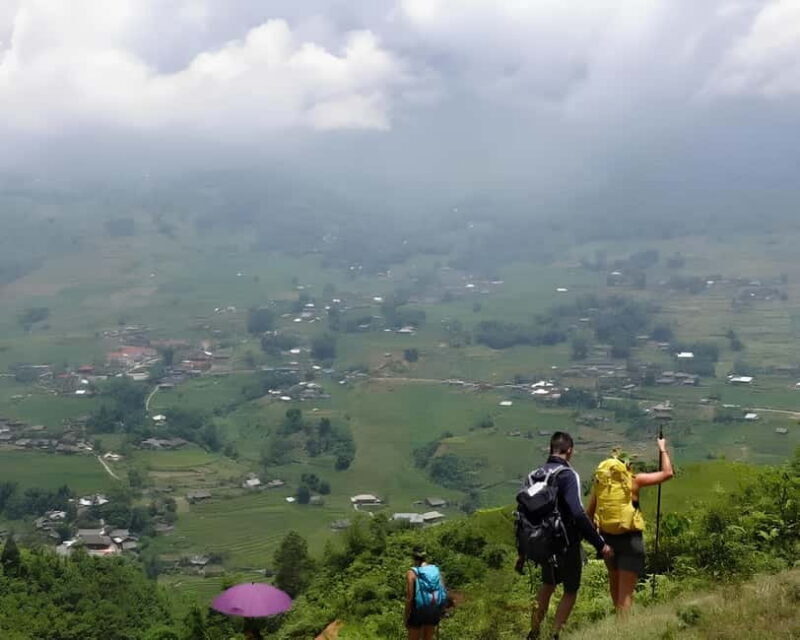
From the high path above Sa Seng, you look across Muong Hoa Valley toward Mount Fansipan, then walk down through Black Hmong villages where daily life is part of the scenery, not a staged stop. This is a full day on foot, with a local guide to help you understand what you are seeing.
I like two things in particular: the wide views from Sa Seng and the chance to learn about farming, house-building and Hmong customs from a local guide. The trade-off is a long trek on uneven ground. Rain can turn parts of the route muddy and slippery, and fog may hide the mountain views.
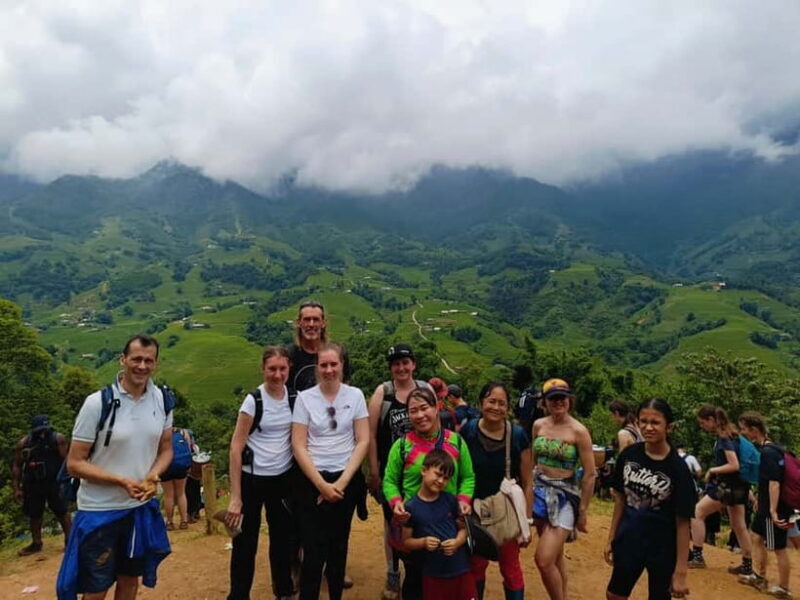
This outing combines a mountain viewpoint with a long walk through villages and working countryside. It begins in Sapa Town, climbs toward Sa Seng, then descends toward Hang Da and Hau Thao before finishing near Giang Ta Chai. The route is a good choice if you want more than a short viewpoint walk and have most of a day to give it.
The advertised duration is 7 to 10 hours. Pickup is scheduled for 9:00 AM, and the route description places the finish around 3:30 PM, but the broader duration window suggests the day can run longer. Ask the operator to confirm your expected start and finish time before setting other plans.
The trek is not a gentle stroll. One outing covered about 15 to 15.6 kilometres, with substantial climbing and descent. That is a useful indication of the day’s scale, not a promise of an identical distance or elevation for every group. Your pace, route conditions and weather can all affect how long it takes.
Outdoor enthusiasts can explore more Sa Pa trails with these hiking options
After pickup in Sapa Town and a short briefing, you set off on a mountain path. The opening climb is described as about one kilometre and takes roughly an hour for many walkers. It is a steady uphill start, with uneven sections that ask more of your legs than a casual town walk.
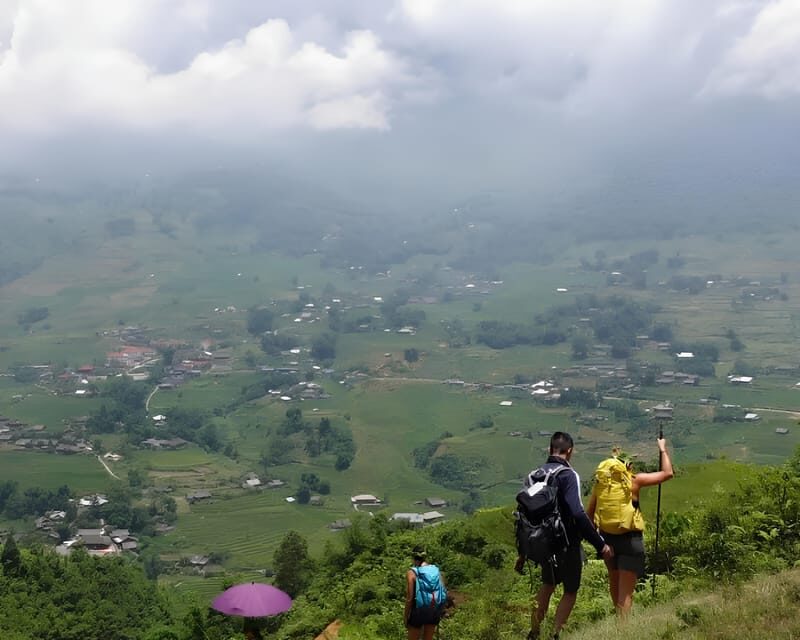
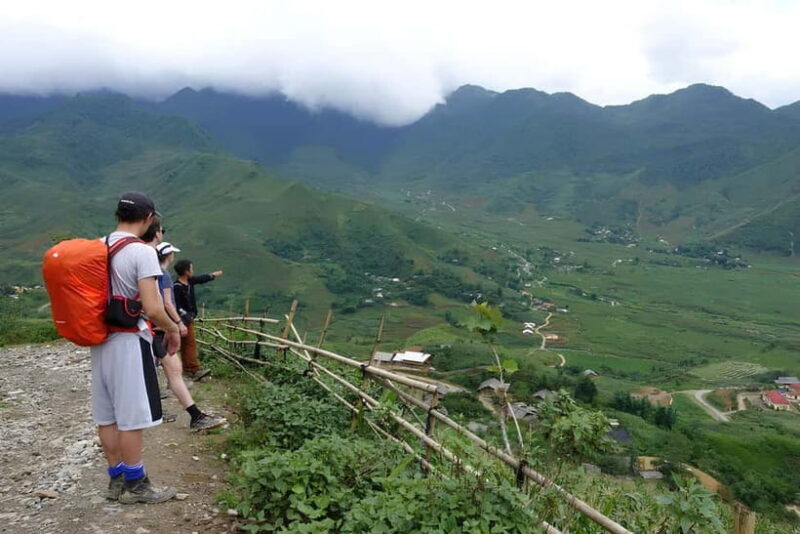
The effort pays off at the top of Sa Seng. From here, the view can take in Mount Fansipan, at 3,143 metres the highest peak in Indochina, and the broad sweep of Muong Hoa Valley below. You may also see the region’s large river and the terraced slopes that make this part of Sapa so striking.
The word may matters. Fog can close in quickly, and some days offer only brief openings in the cloud. If the summit is hidden, the trek still has plenty to offer, but you should book for the walk and cultural experience rather than treating a clear Fansipan view as guaranteed.
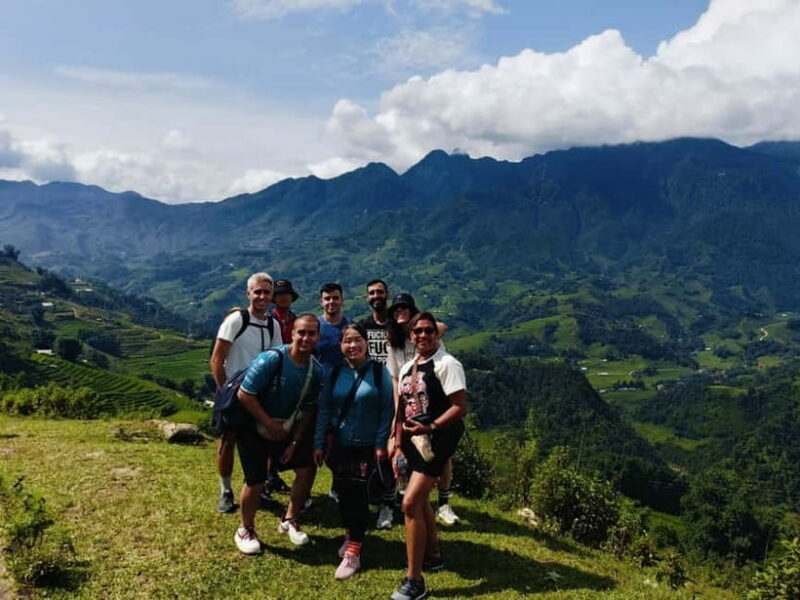
After the high point, the route descends toward Hang Da, a Black Hmong village. The change in pace is welcome after the climb, though downhill walking can be hard on knees, particularly over wet or uneven ground. Some sections pass fields and bamboo forest, while others may be rocky or exposed.
Keep an eye out for buffaloes, pigs and horses along the way. These animals are part of local working life, not simply photo props, and the guide can explain their role in the community. The route also gives you a closer view of how village paths connect homes, fields and farmland.
A number of guides have led this trek, including Mao, often called Mama Mao, as well as Zo, Su, La and Vang. The guide assigned to your departure can vary. The most useful quality here is not a rehearsed speech, but someone who can talk about local customs and answer questions as you walk. English and Vietnamese are offered on the tour.
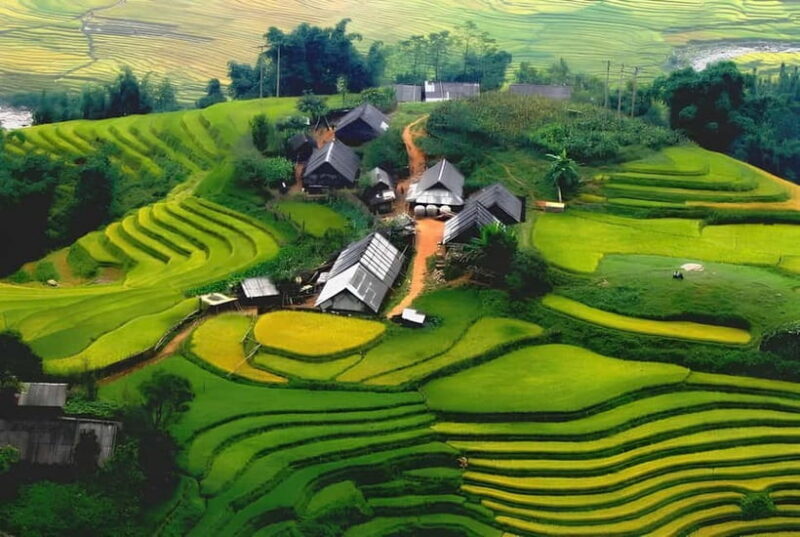
Around midday, you stop for lunch at a family-run restaurant. The meal is included, and it offers a practical pause in a day that involves plenty of walking. The food is described as home-style, and portions can be generous. Drinks may cost extra, so carry some cash rather than assuming every item at the table is covered.
Lunch is also a chance to rest your legs and talk with your guide or group. This is a small but meaningful part of the day: you are eating in a local setting rather than returning to town for a standard restaurant stop. It is not a formal cooking class or a private meal in a family home, so keep expectations grounded.
More Great Tours Nearby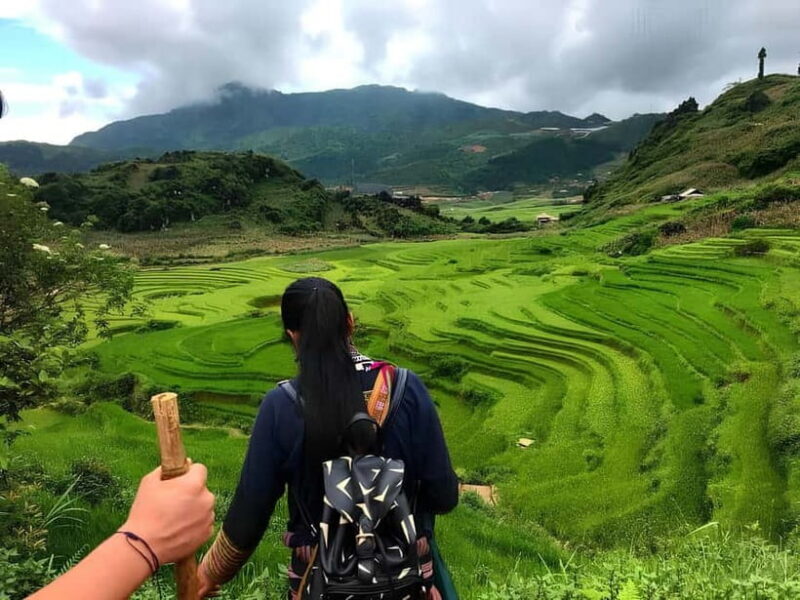
After lunch, the route continues toward Hau Thao, another Black Hmong community in the mountains. Depending on the season, you might see farmers planting or harvesting rice. The work in the fields changes through the year, so the village walk will not look exactly the same on every visit.
Your guide can explain Hmong traditions, rice cultivation and house-building, as well as customs such as marriage rituals. These details help you make sense of the houses, fields and village paths around you. You are not just passing through attractive scenery; you are walking through places where people live and work.
Approach the villages with the same courtesy you would use anywhere. Ask before photographing people, and be thoughtful around homes and fields. The tour is designed to share cultural context, but it is still a walk through real communities rather than a performance arranged for visitors.
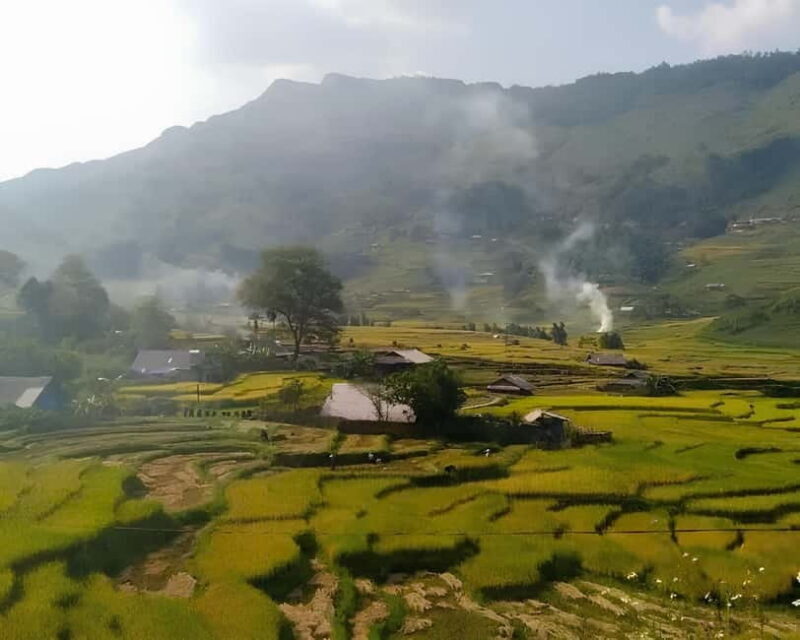
The trek finishes near Giang Ta Chai, where a vehicle is scheduled to take you back to Sapa. This transfer is a welcome part of the package after a day of climbing and descending. The route description includes Hau Thao and Giang Ta Chai, so expect the final walking section to carry you beyond the village visit before you meet the driver.
One practical detail: if you hope to stay overnight near Hau Thao or Giang Ta Chai instead of returning to town, tell the operator in advance. Local homestay arrangements, luggage transfer and transport plans may be coordinated, but you need to raise this before the day of the trek.
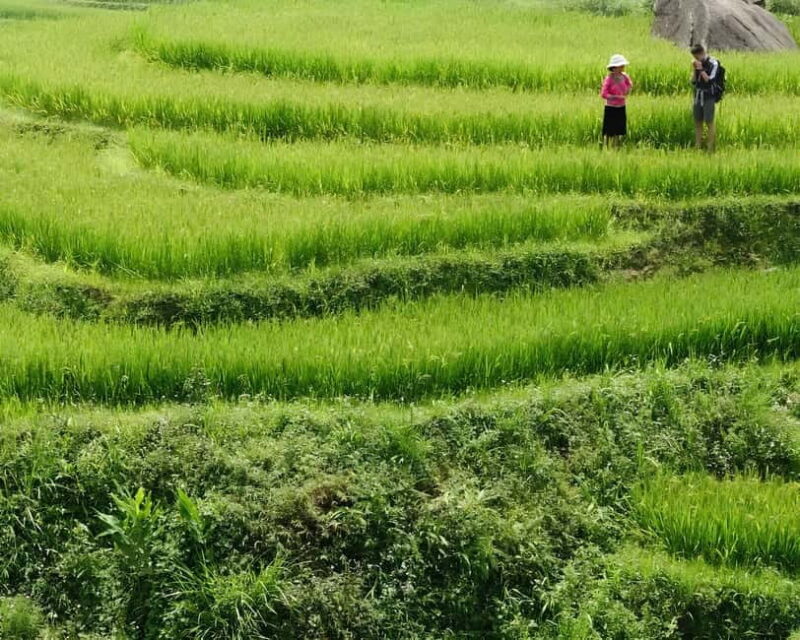
Sapa’s mountain weather can make the same route feel like two different experiences. Fog may soften or erase the distant views, while rain can make trails muddy and slippery. People have completed the walk in poor visibility and still enjoyed the villages and company, but wet conditions can make the physical effort more demanding.
Wear proper hiking shoes with good grip. A review of the route describes a muddy bamboo-forest section, and another notes that some downhill paths become slick in rain. An offered pair of rubber boots may help in bad weather, but they are not a substitute for shoes you can walk in comfortably. Bring a sun hat or other hat, sunglasses and cash, as advised for the activity.
You may also encounter local women selling handicrafts along the trail or near the finish. Some walkers have found the attention persistent. If you are not interested, a polite, clear no is enough. If you do want to buy something, carry cash and take time to decide rather than feeling rushed.
At $24 per person, the price covers a lot of the day’s essentials: pickup and drop-off within Sapa Town, an English-speaking local guide, transport back after the trek, village and route entrance fees, bottled water and lunch. You are also paying for a guided route through several communities, not simply a transfer to a viewpoint.
That makes the price appealing if you want a full day outdoors without organising your own route, meal and return transport. The value is especially strong if your guide is a good match for your interests and helps explain the local setting as you go. On the other hand, the cost does not remove the physical demands, and extras are not included unless listed. Bring cash for drinks or personal purchases.
The tour is available as a small-group experience, though group size can vary. A smaller group can make it easier to keep a comfortable pace and ask questions, but it is sensible to confirm the expected group size when booking if that is important to you.
I would consider this a strong fit if you enjoy walking, want a full day in the countryside and are curious about Hmong culture as well as mountain views. It works particularly well if you have limited time in Sapa and want a route that includes several villages, a local meal and a ride back to town.
It is less suitable if you have mobility limitations or a health condition that makes strenuous walking risky. The activity is not recommended for people with mobility impairments, heart or kidney problems, altitude sickness, wheelchair users, visually impaired people, children under four, people over 80 and those over 159 kilograms. The information also lists children under two and under three, babies under one, and people over 95 as unsuitable. If you are unsure whether the route is appropriate for you, ask the operator before booking.
This is not a short, easy walk. If you rarely hike, the length, elevation changes and slippery paths may feel like a lot. A previous trekker described the opening climb as tricky, while others found the full route manageable but tiring. Be honest about your fitness and tell your guide if you need a slower pace or a break.
Pickup is included for accommodation within Sapa Town. If you are staying outside town, you can request a pickup for an extra fee or make your way to one of the listed meeting points: Sapa TT Homestay, 812 Dien Bien Phu Street, or July Hotel Central Sapa, 02 To Vinh Diem Street. Confirm the plan with the operator rather than guessing where to meet.
Leave a WhatsApp number when booking so the operator can confirm details and send updates. Free cancellation is available up to 24 hours in advance, and you can reserve now and pay later. These options are useful if your plans are still shifting, but they do not make the weather predictable.
Book this trek if you want a demanding but rewarding day that links Sa Seng’s viewpoints with village paths, rice fields and local conversation. The strongest reasons to go are the guide-led cultural context, the variety of terrain and the included lunch and transport for $24.
Think twice if you need a guaranteed clear view, dislike steep or muddy paths, or want a short outing with little exertion. If you are fit enough for a long walk and can accept that Sapa’s weather may hide the peaks, this is a practical way to spend a full day beyond town.
“Had a wonderful trek! Mao our guide was energetic and so much fun. The above the cloud views were unbeatable. Trekking through the bamboo forest wa…”
The activity is listed as lasting 7 to 10 hours. Pickup is scheduled for 9:00 AM, and the route description gives a finish around 3:30 PM, so confirm the expected timing for your departure.
Pickup is in Sapa Town. The walk finishes near Giang Ta Chai, where a vehicle takes you back to Sapa unless you have arranged a different plan in advance.
The trek goes through Sa Seng, Hang Da and Hau Thao, and finishes near Giang Ta Chai.
Yes. A traditional home-style lunch at a family-run local restaurant is included. Drinks may cost extra, so bring cash.
It is a long walk with an uphill start, uneven paths and a substantial descent. Rain can make parts muddy and slippery. The route may not suit you if you are new to hiking or have mobility or health concerns.
The route offers distant views toward Mount Fansipan from Sa Seng when visibility allows. Fog and cloud can block the view, so it cannot be guaranteed.
Pickup is included for locations within Sapa Town. For accommodation outside town, you can request a pickup for an extra fee or travel to one of the stated meeting points.
You can ask about an overnight stay near Hau Thao or Giang Ta Chai. Inform the operator in advance so they can discuss homestay arrangements, luggage transfer and transport plans.
You can check availability for your dates here: