Physical Address
304 North Cardinal St.
Dorchester Center, MA 02124
Physical Address
304 North Cardinal St.
Dorchester Center, MA 02124

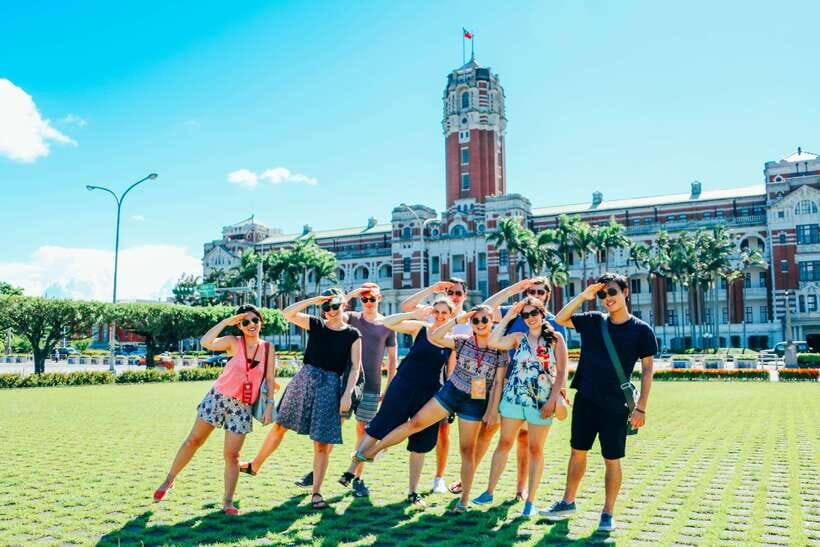
Trace Taipei’s old town with a local guide, from the 228 Peace Memorial Park to Zhongshan Hall, Ximending, and the Red House.
Taipei’s old town makes more sense when someone connects its public buildings and memorials to the events that shaped Taiwan. This 2.5-hour walk links the National Taiwan Museum, the 228 Peace Memorial Park, and the Presidential Office with the markets and streets of Ximending.
I like that the guide tells the story of the 228 tragedy at the memorial, rather than treating it as just another photo stop. I also like the shift from formal civic buildings to Chengzhong Market and the Red House, which gives the walk a useful mix of history and everyday city life.
One consideration: the route covers weighty history as well as several landmarks, so you’ll want comfortable walking shoes and an appetite for listening. The stops are brief, and this is a guided introduction, not an in-depth visit inside every building.
At a glance
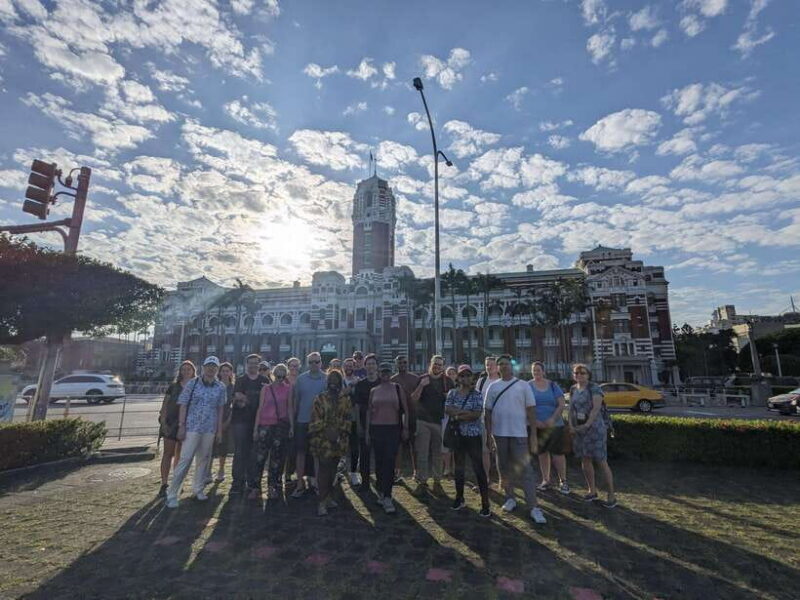
This TourMeAway walk is a practical way to begin a Taipei visit. In two and a half hours, you move from a museum and a memorial to government architecture, an old public hall, and the busy shopping area of Ximending. The route stays within the old town, so you can follow the story on foot instead of trying to piece it together from separate visits.
The focus is not simply on identifying buildings. Guides connect the places to Taiwan’s past and present, including the 228 tragedy and the changes that have shaped the country. That context matters: a memorial, an office building, and a market can otherwise seem like unrelated stops.
The guide can make or break a history walk, and the names associated with this tour include Leo, James, Dorothy, Bessy, Taile, Veronica, Melody, Ale, and Josi. Your assigned guide may differ, but the qualities you’ll want are clear storytelling, an easy manner, and room for questions. Several guides have been praised for explaining complex subjects in plain language, keeping the group involved, and adding humor without losing sight of serious events.
You can check availability for your dates here: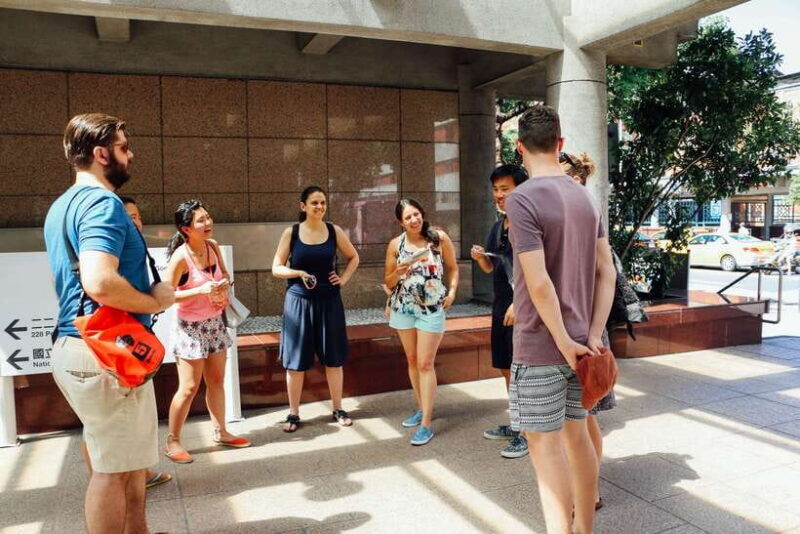
Meet at street level outside NTU Hospital MRT Station, Exit 4. The guide wears a black badge, a useful detail in a city where several groups may be meeting nearby. Arrive with enough time to spot the guide and settle in before the walk starts.
The first major stop is the National Taiwan Museum. The tour gives you time to visit or pause here and hear the guide’s introduction to the city and the country. The museum sets up the history that follows, while the route gives you a chance to see how Taipei’s civic center developed around important institutions.
Don’t expect a long museum visit to take over the tour. The overall route has several stops, and the guide’s main job is to supply context as you move through the district. If a particular museum exhibit matters to you, you may want to return independently and allow more time.
Looking for more options in Taipei City? Here are some other experiences worth considering.
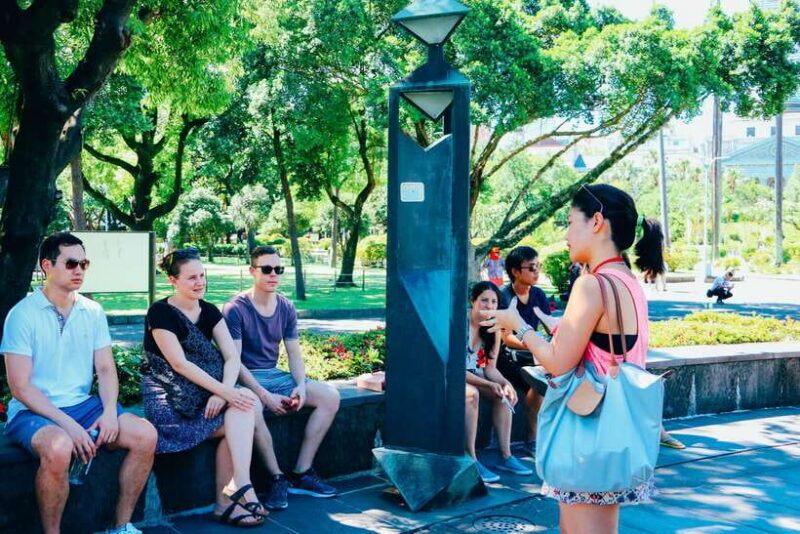
The stop at 228 Peace Memorial Park brings the 228 tragedy into focus. The guide explains the event and its place in Taiwan’s history, helping you understand why the memorial is more than a quiet patch of green in the city.
This is likely to be one of the most emotionally affecting parts of the walk. Some visitors have found the subject deeply moving, so be ready for a serious stretch of the tour. The value here is the explanation: your guide can connect the memorial to the broader history of Taiwan and make clear why this episode still matters.
The park also offers a change of pace from the streets. You can take a breath, look around, and listen before the route moves on to the Presidential Office Building. If you prefer a lighter sightseeing walk, this focus on difficult history may not suit your mood. If you want to understand more than the city’s best-known facades, it is a central reason to book.
Next comes the Presidential Office Building, noted for its architecture. The guide points out the building and gives it a place in the route’s account of Taipei. It is a strong visual contrast with the memorial and museum: here, the emphasis is on the seat of government and the public face of the city.
Treat this as an outdoor sightseeing stop rather than an interior tour. The information provided promises a look at the building and its architecture, not entry inside. You’ll have time to take a photo and hear the explanation, then continue on foot.
A guide’s commentary helps you see the building as part of the city’s story, rather than just an impressive facade. That is the pattern of the tour: you pass through places that are still part of daily Taipei, while learning how the past shaped them.
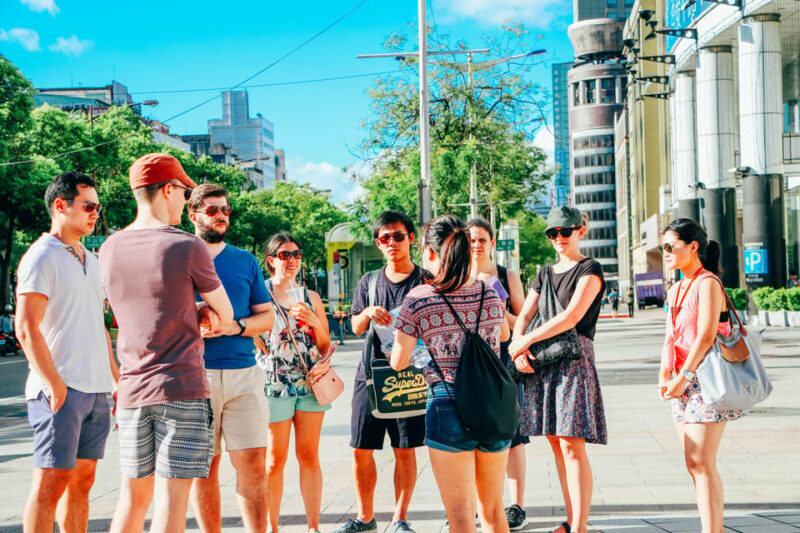
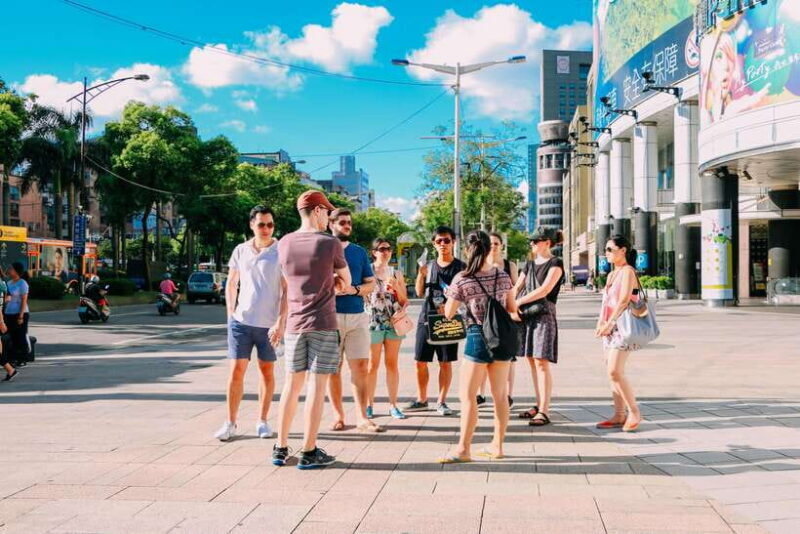
At Chengzhong Market, the walk shifts toward stalls selling souvenirs and other goods. This stop adds a more everyday view of the area after the formal spaces and solemn memorial. It also gives you a chance to observe the market as a place where people shop, rather than only as a landmark on a map.
The market stop is a guided visit, not a dedicated shopping break. If you see something you want, you may need to make a quick choice rather than expect a long browsing session. The guide’s presence is useful here because they can explain how this commercial stop fits into the old town route.
I like the way this part keeps the tour from feeling like a procession of government buildings. A city’s history is not only written in official architecture; its markets and shopping streets show how people use the same district today.
More Great Tours Nearby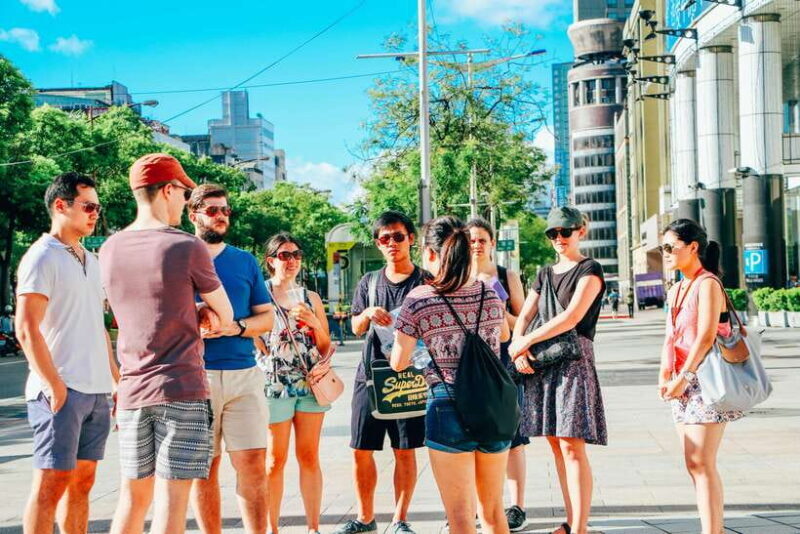
The route continues to Zhongshan Hall, a historic building that once served as a public auditorium. Its former role gives the stop a different angle on the city’s past: this was a place for public gatherings and events, not just administration.
You’ll hear about the building and have time to look at it from outside. The tour does not promise an interior visit, so approach it as an architectural and historical stop. If you enjoy seeing how public spaces change purpose over time, this is one of the more interesting links in the route.
The guide’s explanation is especially useful here. Without context, a former auditorium may register as an attractive old building and little more. With a story attached, you can better understand how the city’s public life has changed.
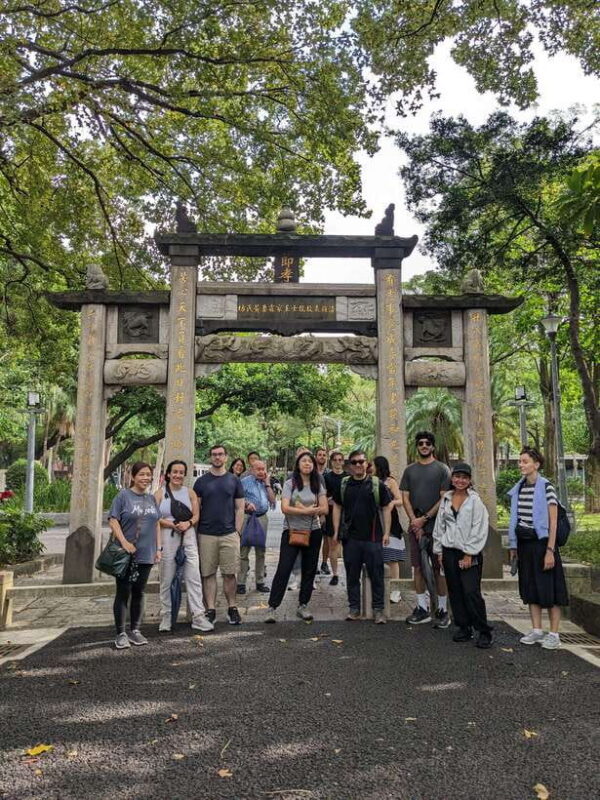
The Red House is a red-brick Western-style building with an octagonal shape. It was Taipei’s first public market, a detail that makes it a fitting link between the historic buildings and the commercial district around it. The unusual shape also makes this one of the easiest landmarks to recognize later.
The walk then takes you through Ximending, known as a shopping district. The change in mood is part of the appeal: the route ends among markets and shops, rather than at a final monument. You can see the area’s current role in city life after learning about the older uses of its buildings.
The listed route includes both the Red House and Ximending, and the stop order may vary with the guide’s plan. The activity details say the walk ends back at the meeting point, while the route also lists the Red House and Shi-men Ting as drop-off locations. Confirm the exact finish with the operator if you have a tight schedule or a onward plan.
At the listed $1.10 per person, this is an unusually inexpensive way to get an introduction to Taipei’s history. For that price, you get a live English-speaking guide and a route that links several central landmarks, instead of having to research the background and navigate between them on your own. Check the current price before booking, since availability and rates can change.
The main value is the guide’s ability to connect places to events. A museum, memorial, government building, former auditorium, market, and shopping district make a more coherent visit when someone explains how they relate. If you already know Taiwan’s history well, you may prefer to explore the sites at your own pace. If the subject is new to you, a guided walk can make the city easier to read from day one.
Guides such as Leo, James, Dorothy, and Bessy have been especially well regarded for clear explanations and friendly, engaging delivery. Some guides also offer practical suggestions for places to eat and ways to get around Taipei. Those extras are helpful, but they are not guaranteed parts of the route, so think of them as a possible bonus rather than the main reason to book.

I’d put this tour near the beginning of a Taipei stay. It gives you a compact orientation to the old town, introduces key historical themes, and leaves you with several places you can revisit on your own. You can also ask questions as the story unfolds, rather than trying to solve every detail later from a guidebook.
It suits visitors who enjoy history, want a local perspective, and are happy spending a couple of hours walking between outdoor sights. The subject matter includes painful events, so it is a better fit for someone who wants an honest introduction than for someone seeking only a light architecture stroll. Families can decide based on whether the 228 history feels appropriate for their group.
The activity is listed as wheelchair accessible, and private groups are available. It runs for about 2.5 hours, but the information provided does not specify walking distance or group size. If either detail is important to your plans, ask the operator before booking.
Book it if you want a low-cost, guided introduction to Taiwan’s history and the landmarks of its old town. The strongest reason to go is the combination of the 228 Peace Memorial Park with the guide’s explanations, followed by a change of scene at the market, Zhongshan Hall, and Ximending. If you prefer unhurried time inside museums or buildings, use the walk as an overview and plan separate visits afterward.
“Absolutely brilliant tour guide, she explained well and answered every possible question people had. Well planned tour and a good way to get an int…”
The walk lasts about 2.5 hours. Starting times depend on availability.
The live guide speaks English.
Meet at street level at NTU Hospital MRT Station, Exit 4. Look for a guide with a black badge.
Stops include the National Taiwan Museum, 228 Peace Memorial Park, the Presidential Office Building, Chengzhong Market, Zhongshan Hall, the Red House, and Ximending.
The activity is listed as wheelchair accessible.
The activity information says it ends back at the meeting point. The route also names the Red House and Shi-men Ting as drop-off locations, so confirm the exact ending with the operator.
You can check availability for your dates here: