Physical Address
304 North Cardinal St.
Dorchester Center, MA 02124
Physical Address
304 North Cardinal St.
Dorchester Center, MA 02124

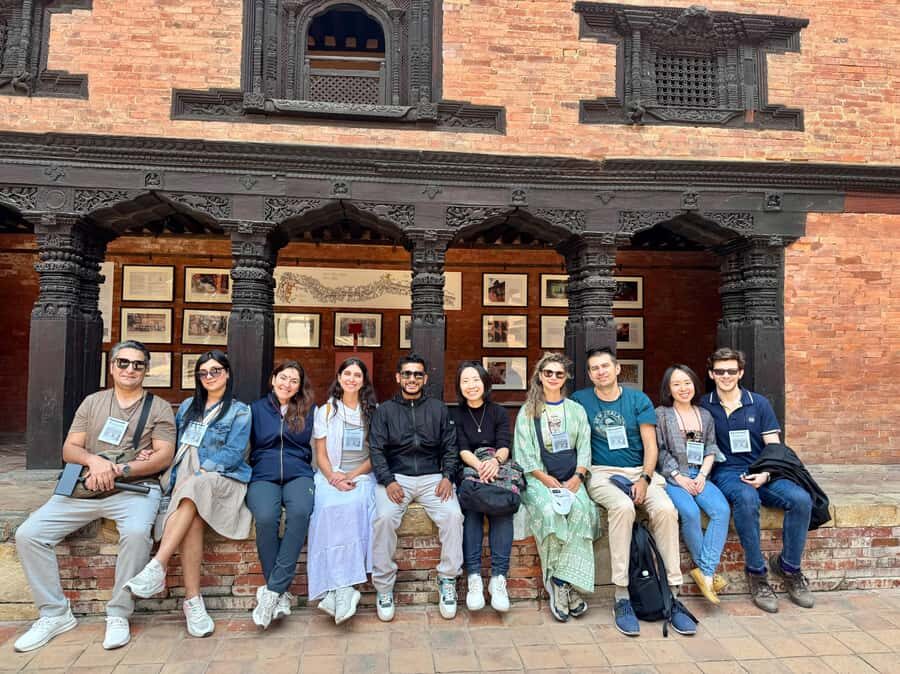
See Kathmandu Valley’s seven UNESCO sites in one long day, with a local guide, private transport, optional entry fees and Nepali lunch.
Kathmandu’s seven UNESCO sites are spread across the valley, and this tour links them in one ambitious day. You’ll move from hilltop Swayambhunath to the old royal squares, then on to temples and stupas where Hindu and Buddhist traditions are still part of daily life. A guide helps connect the carvings, courtyards and rituals instead of leaving you to piece them together alone.
I like two things in particular: the range of sites, from Kathmandu’s royal center to Bhaktapur and Changu Narayan, and the practical ease of private, air-conditioned transport between them. Guides including Sumit, Asmita and Anon are often praised for clear explanations, patience and flexibility, which matters when the day covers so much ground.
The trade-off is simple: this is a full, tiring day, not a slow temple visit. Traffic can stretch the drives, and the advertised price may not include entrance fees or a full lunch. Check the package details before booking, and wear shoes you can walk in for hours.
This route is a useful way to get your bearings in Kathmandu Valley, especially if you have only one day to spare. The stops cover royal architecture, Hindu shrines and Buddhist monuments, with time to walk around each place rather than simply taking a photograph and getting back in the car.
The schedule assigns about 30 to 60 minutes at most sites. That is enough for an introduction, a guided walk and some time to look around, but not enough to study every carving or linger over every courtyard. You can ask your guide questions and, depending on the pace of the day, take a little time on your own. Some guides have also made room for coffee, shopping or a food stop when the group’s timing allowed.
The itinerary is traffic-sensitive. Its listed driving segments total close to three and a half hours, while the planned visits add up to about five hours. That is already nearly eight hours, before delays or breaks. One person who took the tour started before 8 a.m. and returned around 6 p.m.; use that as a sensible expectation, not a guaranteed timetable.
For a more personal experience, these private Kathmandu tours deliver individual attention
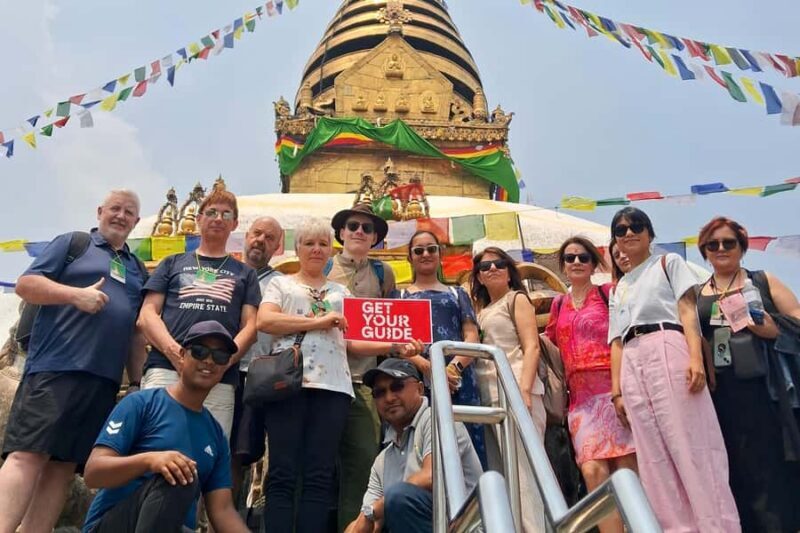
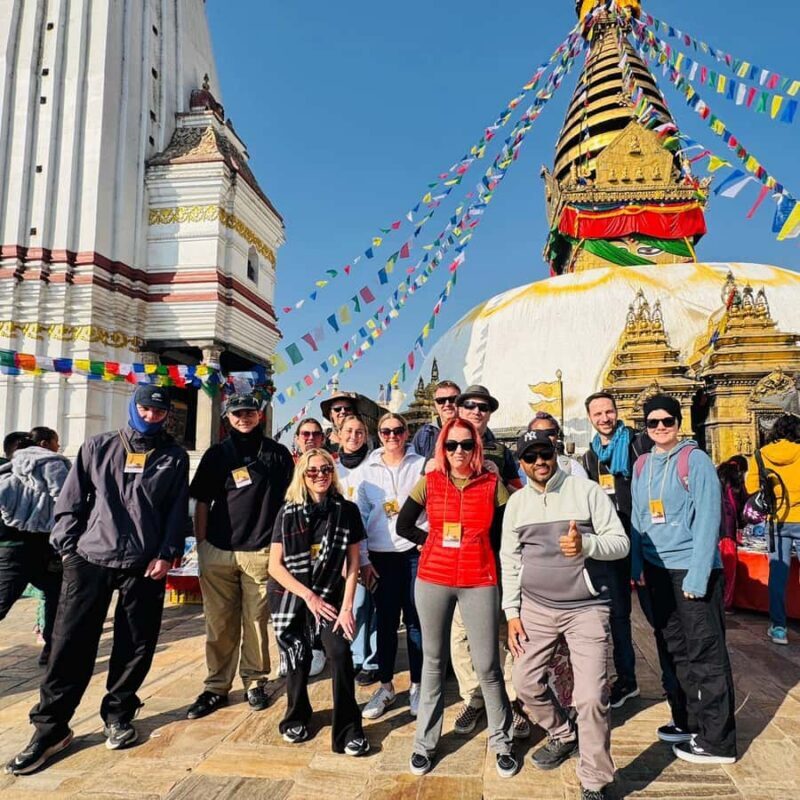
The day opens at Swayambhunath, also called the Monkey Temple, set on a hill above Kathmandu. The elevated position gives you a broad view across the city, while the temple complex introduces the Buddhist side of the valley’s sacred life.
You have about 40 minutes here for a guided visit and a walk. It is a strong opening stop: the setting makes an immediate impression, and your guide can help explain what you are seeing before the day’s succession of temples and historic squares begins. The climb and walking mean comfortable footwear is useful from the start.
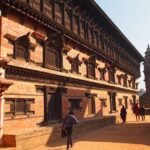
Kathmandu Durbar Square gives you an introduction to the valley’s royal past through its palaces, courtyards and historic buildings. The planned hour allows time to walk through the square with your guide and take in the architecture. It is one of the day’s key stops, though the number of sites means you will need to choose what catches your attention rather than inspect everything closely.
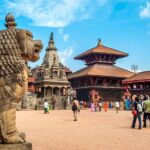
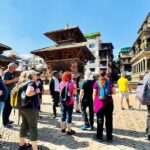
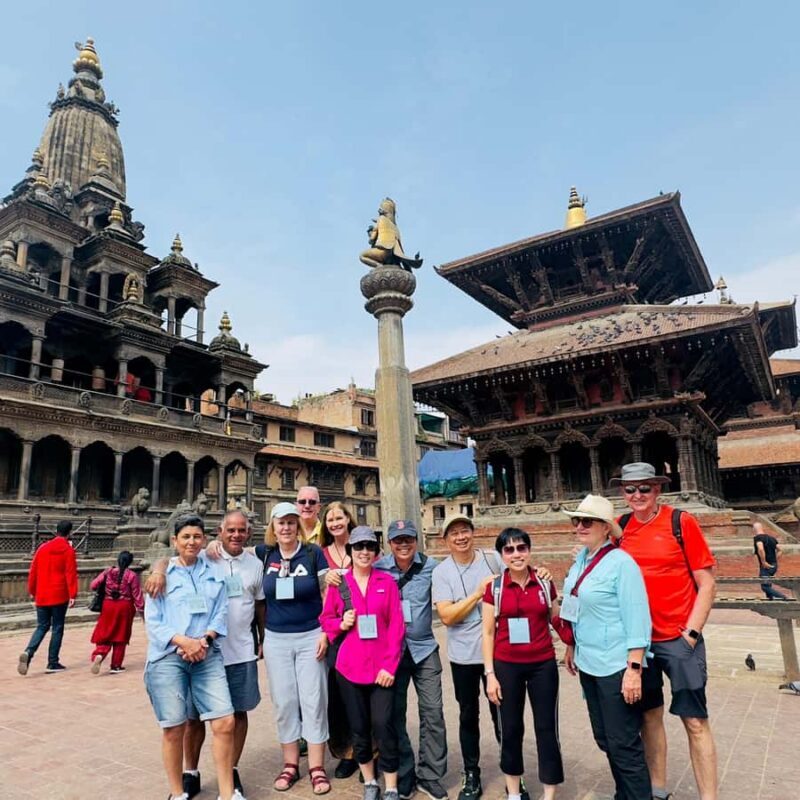
Patan Durbar Square follows after a drive of about 25 minutes, with an hour set aside for the visit. Its Newari architecture and living traditions give the tour a different feel from the hilltop stupa or major Hindu temple. Take time to look at the details in the buildings and courtyards; your guide can help put the decorative work and local customs in context.
Together, these two squares make a useful comparison. You get a sense of Kathmandu Valley not as one historic center, but as a collection of old city centers with their own architectural character. The brisk schedule helps you see both in one day, but if either becomes a favorite, you may want to return later for a longer visit.
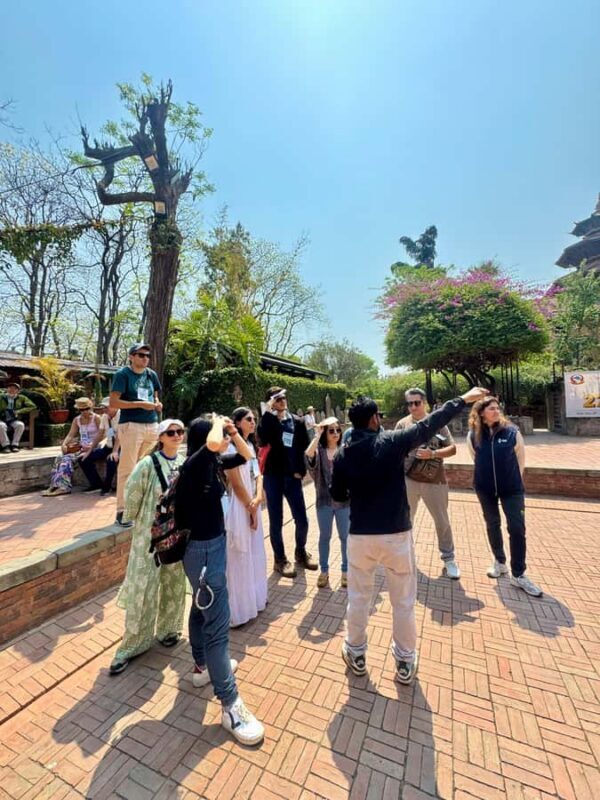
Changu Narayan is a shorter stop, with about 30 minutes planned at the temple. Dedicated to Lord Vishnu and described as Nepal’s oldest Hindu temple, it is noted for centuries-old carvings. The visit is a chance to shift from royal squares to a more focused religious site. Because the stop is brief, listen closely to your guide’s explanation and look carefully at the carved details.
The route then continues to Bhaktapur Durbar Square, where you have about an hour to explore on foot. Its Newari architecture and living traditions give this stop a strong sense of place. One guide made time for a visitor to try local food, while another added time for shopping when the schedule permitted. Those extras depend on the day, so don’t count on a long break, but you can tell your guide what matters to you.
The route through Changu Narayan and Bhaktapur takes you farther across the valley than the first city-center stops. That distance is one reason the vehicle matters: arranging separate rides and keeping all seven visits in a single day would take more planning and time.
More Great Tours Nearby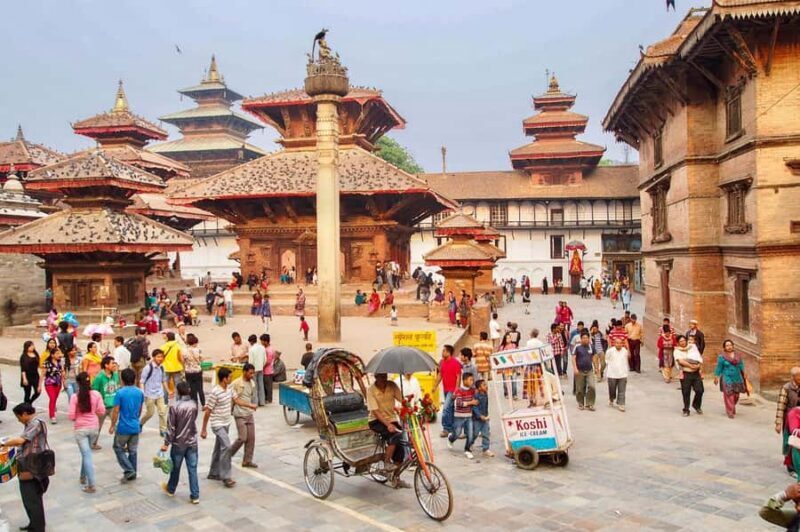
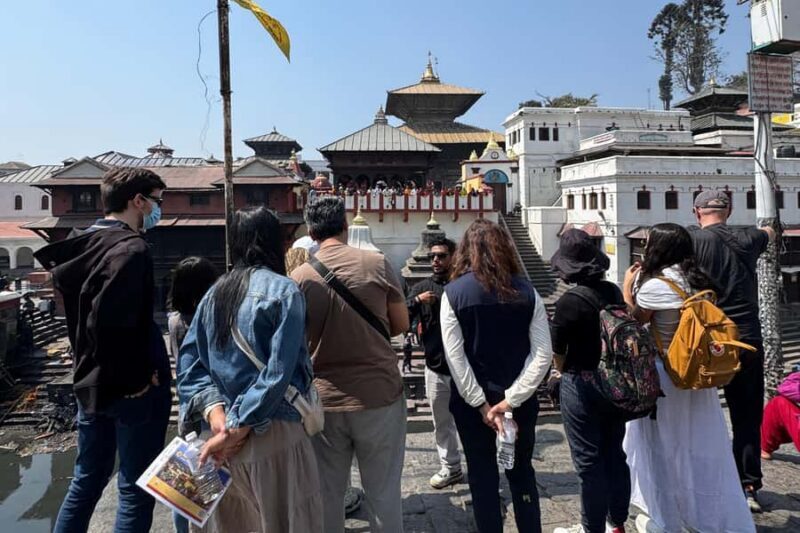
Pashupatinath is one of the day’s most significant stops. This sacred Hindu temple stands beside the Bagmati River, and the planned hour gives you time to see the site and hear about its religious importance. The atmosphere can feel intense if you are unfamiliar with the customs or rituals. A good guide can explain what you are seeing with care, helping you approach the site respectfully rather than treating it as a spectacle.
Guides such as Anon and Sumit have been singled out for helping visitors understand Pashupatinath, and one guide also helped a visitor with darshan. That kind of context is particularly valuable here. Listen to your guide, follow their lead around sacred spaces and be considerate of worshippers.
The activity details also mention an evening Aarati visit at Pashupatinath, with private transport and a guide. They list a separate temple entrance fee of NPR 1,000, or about $7, for that visit. Confirm that the evening ritual is part of the option you are booking; it is not the same as assuming the daytime stop includes it.
You might also be interested in these Kathmandu experiences
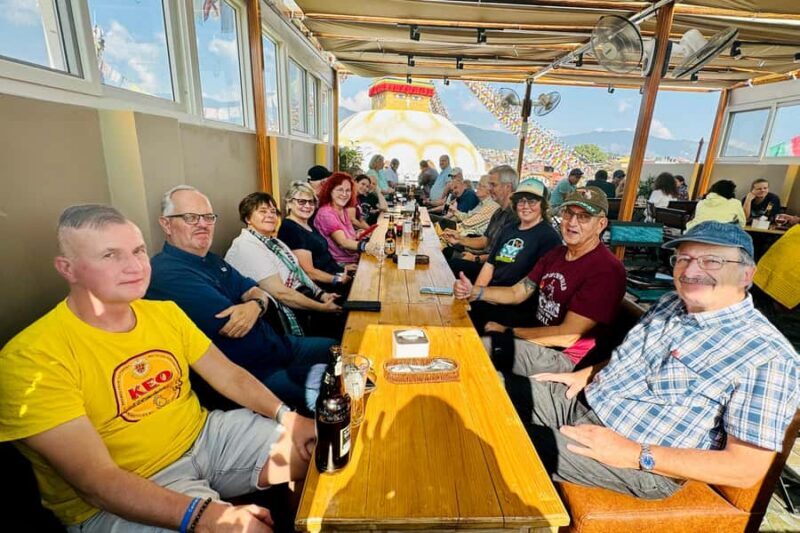
The final heritage stop is Boudhanath Stupa, a major center of Tibetan culture and Buddhist spirituality. The schedule allows about 30 minutes for a guided visit and free time. After a day of varied sites, the stupa offers a quieter change of pace and a chance to take in its scale and atmosphere.
You then have a drive of about 40 minutes back toward the listed drop-off areas. Traffic may change that estimate, so avoid planning a tight connection immediately afterward. The drop-off options are Kathmandu and Thamel.
Transport is one of the tour’s practical strengths. Hotel pickup and drop-off are included, and the route uses private, air-conditioned transport. The vehicle is described as electric in the itinerary. In a valley-wide circuit, that means you do not need to arrange separate taxis or work out how to connect distant sites on your own.
The guide is the other major part of the experience. Sumit, also referred to as Summit in some accounts, is praised for clear explanations, local and cultural context, and a light sense of humor. Asmita is noted for being warm and accommodating, while Anon is praised for patience and engaging stories. Other named guides include Sajina, Rustam and Saajan. Your assigned guide will depend on the departure, but the strongest descriptions point to a guide who explains, answers questions and adapts the pace when possible.
You can book a private group or join a group tour. Group pickups in Thamel begin around 8 a.m., with the precise time sent the day before. A delay of three to five minutes may occur while the driver coordinates pickups. If you want more control over pauses or which sites you enter, a private option may suit you better, although no specific difference in price or exact flexibility is provided.
The listed starting price is $5 per person, but treat it as a base rate rather than the full cost of seeing every monument. Entrance fees for all seven heritage sites total about $43, or NPR 5,800, for most visitors. SAARC nationals pay about $22. These charges apply to both private and group tours unless you select the all-inclusive package.
The all-inclusive option covers monument fees and a meal at a local restaurant, with a Khana set or a choice of dishes. That can be good value if you plan to enter all the sites and want the day’s food taken care of. The standard inclusions list a lunch box with bottled water, a muffin, donut, banana, seasonal fruit and juice. This is a snack-style meal, not the same as the restaurant lunch, so check which package you are selecting and bring extra food or cash if you expect a more substantial meal.
The tour also includes a professional guide, air-conditioned transport, hotel pickup and drop-off, government taxes and service charges. Personal expenses are not included. Bottled water is listed as part of the lunch box, but it is still sensible to carry cash for any purchases or fees outside your chosen package.
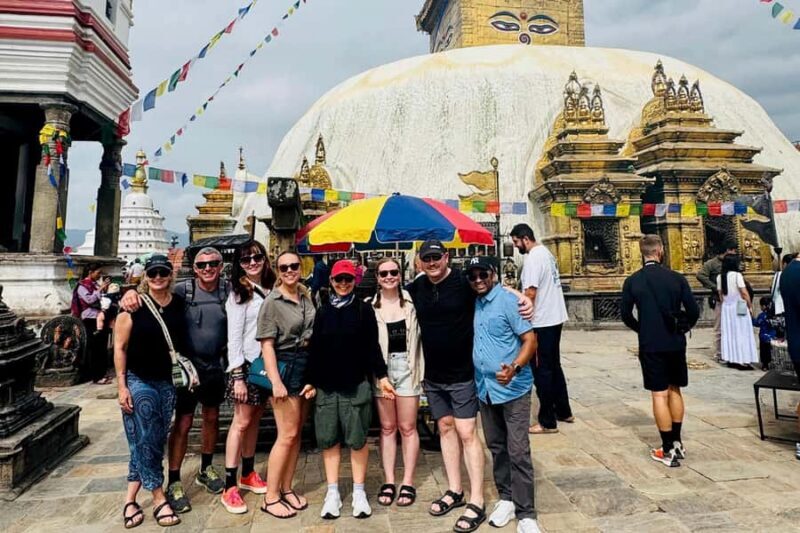
This tour suits you if you have limited time in Kathmandu and want a broad introduction to the valley’s major heritage sites without arranging transport stop by stop. It is also a good fit if you like having a guide explain local history and religious practices, especially at sites where context helps you understand what is happening.
It is less suitable if you prefer slow visits, want to spend a long time photographing each monument or have mobility needs that make extended walking difficult. The activity is not suitable for wheelchair users or people with visual impairments. You should also be ready for traffic, a full schedule and a fair amount of walking, even though the drives provide breaks between visits.
Bring comfortable shoes, a camera, cash, a daypack and your passport or a copy. Free cancellation is available up to 24 hours before the tour, and the reserve-now, pay-later option can help keep plans flexible. Still, the main booking decision is the package: compare the base fare plus entrance fees with the all-inclusive price, then confirm whether you want the restaurant lunch.
“Our tour guide Sumit was the best luck to have him as a guide. Also he help take Pashupatinath Darshan thanks a lot”
It visits seven: Swayambhunath, Kathmandu Durbar Square, Patan Durbar Square, Changu Narayan, Bhaktapur Durbar Square, Pashupatinath and Boudhanath.
Plan for a full day. Although the activity duration is listed as two to eight hours, the site visits and scheduled drives together add up to nearly eight hours, before traffic or extra breaks.
They are included only with the all-inclusive package. Otherwise, fees are about $43 per person, or $22 for SAARC nationals, for the heritage sites.
A lunch box with water, a muffin, donut, banana, seasonal fruit and juice is listed among the inclusions. A restaurant meal, such as a Khana set or another dish, is included with the all-inclusive option.
The listed tour languages are English and Hindi.
Group pickups begin around 8 a.m. in the Thamel area. You receive your exact pickup time the day before, and a three-to-five-minute delay may occur.
Bring comfortable walking shoes, a camera, cash, a daypack and your passport or an accepted copy.
You can check availability for your dates here: