Physical Address
304 North Cardinal St.
Dorchester Center, MA 02124
Physical Address
304 North Cardinal St.
Dorchester Center, MA 02124

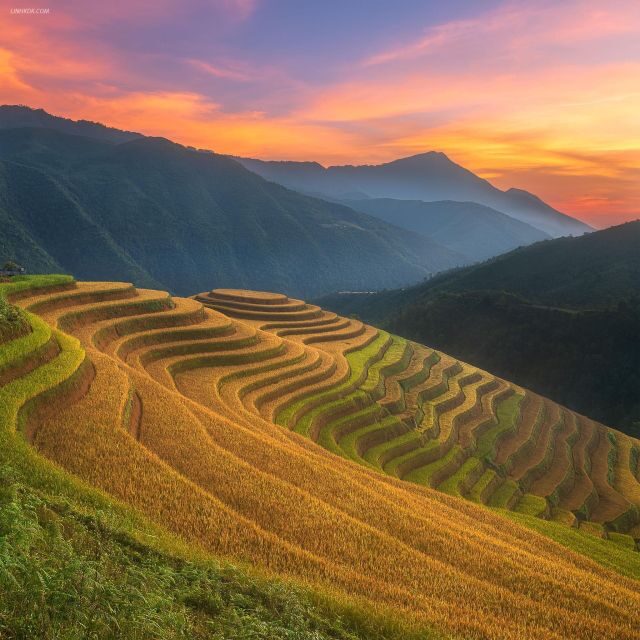
Trek Sapa’s rice terraces to Lao Chai and Ta Van, with a local guide, traditional lunch, Hmong culture and an incense-making demonstration.
The best part of this Sapa day is that the trail links dramatic mountain scenery with everyday village life. You walk past terraced fields and the Muong Hoa stream, then hear about Hmong and Zay customs from a local guide rather than seeing the villages only from a bus window.
I like two things in particular: the local perspective, which makes the villages more than a photo stop, and the generous walking time, which brings you through fields and mountain paths at a human pace. The included lunch in Lao Chai gives the day a welcome pause before you continue to Ta Van.
One consideration: this is a 12-kilometer trek, not a gentle village stroll. Some sections can be steep, muddy, or slippery, especially after rain, so you need sturdy shoes and a reasonable level of fitness.
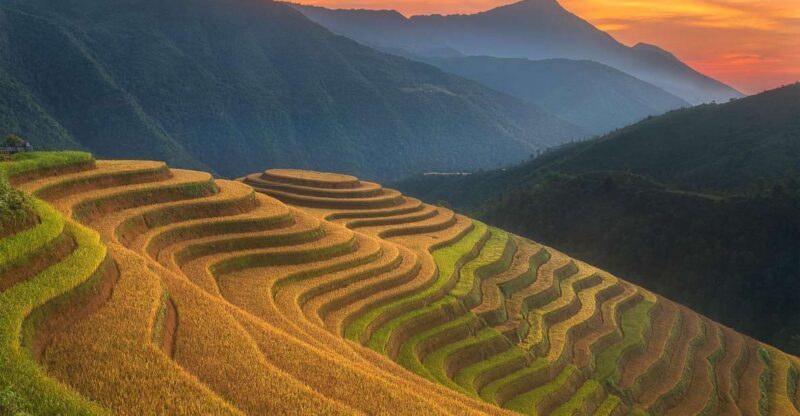
The day starts with pickup from a hotel in Sapa town centre. Be ready in your hotel lobby between 9:00 and 9:30 AM. From town, your guide leads you toward the countryside and the Muong Hoa valley, where the town’s buildings give way to terraced hillsides and mountain views.
The walk follows the Muong Hoa and Y Linh Ho stream area toward Lao Chai. You’ll see the Hoang Lien Son range and the stepped fields cultivated by Hmong families. These terraces are not simply scenery: they are working farmland, shaped to make use of steep slopes and seasonal water.
The route covers about 12 kilometers, or 7.5 miles, and the listed village trek takes around five hours, including lunch. The full activity is described as a day trip, so allow more time for pickup, the return journey, and any stops along the way.
Looking for more options in Sa Pa? Here are some other experiences worth considering.
The path is a large part of the experience. You move through rice fields and mountain terrain, with streams and bamboo trails among the sights described along the route. Your guide sets the pace and explains what you are passing, so there is time to look around rather than treating the walk as a race.
The terrain is not uniform. Some groups have taken quieter, less-used paths, and guides may offer a more adventurous route. That can mean better chances to enjoy the views away from larger groups, but also more uneven ground underfoot. If you are uneasy on steep or slippery sections, tell your guide early and ask about the easier path.
Rain changes the character of the trek. Muddy fields and slick slopes have made some walks challenging, and bamboo walking sticks have been fashioned by guides to help with balance. That is useful support, not a substitute for proper footwear. Hiking shoes with grip are a smart choice, and waterproofs are worth packing even if the morning looks clear.
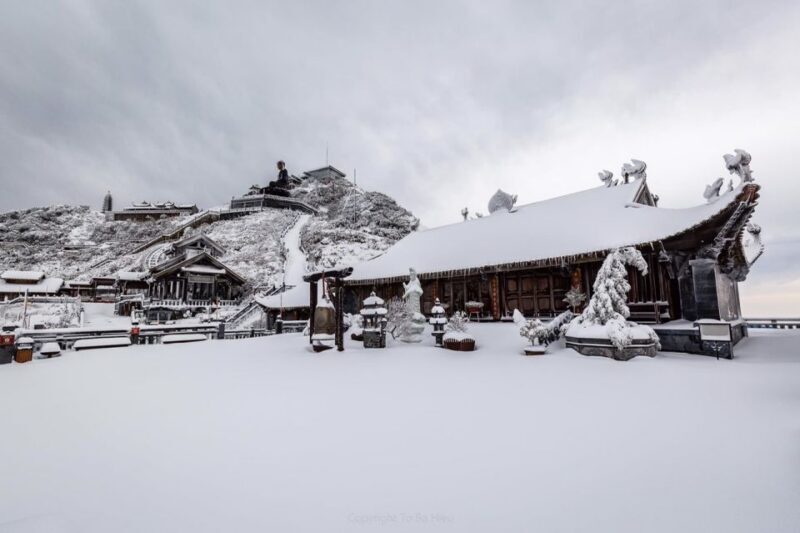
Lao Chai is home to the Black Hmong community, and the stop gives your guide room to talk about daily life, local customs, and the area’s history. The value here is the conversation as much as the view. Guides who grew up in the region can connect what you see in the fields and homes with the people who live and work there.
Lunch is included and served in Lao Chai in a local setting. Expect a substantial break after several hours on your feet, with local food and, according to the experience details, vegetarian options. A small mineral water is included; other drinks are not, so bring extra water or be prepared to buy a drink along the way.
You may also encounter people selling handmade goods or souvenirs along the trail and in village areas. Some sellers can be persistent, including walking beside groups for part of the route. A clear, polite no is usually the simplest response. If the attention becomes uncomfortable, let your guide know rather than feeling obliged to buy something.
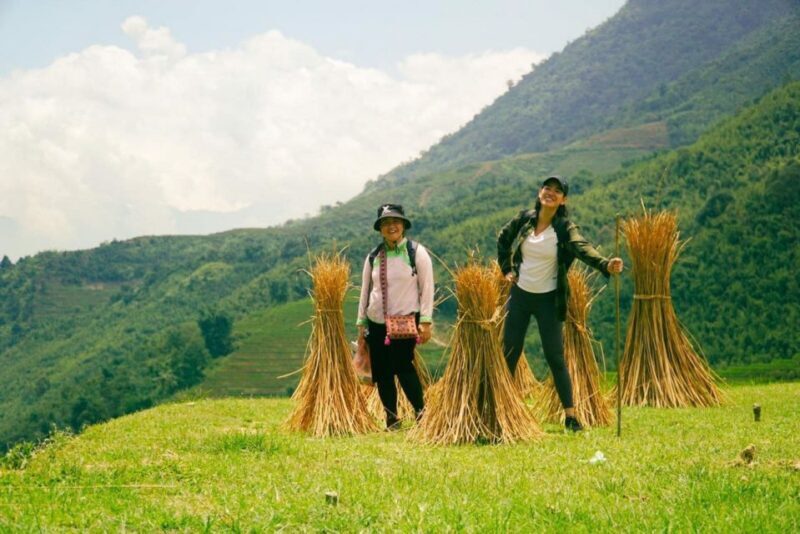
After lunch, the trek continues to Ta Van, associated with the Zay people. The change from Lao Chai gives the day a broader cultural view: the villages in this valley are not one single community with one set of customs. Your guide can help explain the differences between the Hmong and Zay, and answer questions about local traditions and daily routines.
A distinctive stop here is the demonstration of traditional incense-making using local herbs. It adds a practical detail to the cultural discussion: you see how local materials are used, rather than hearing only general descriptions of village life. The exact length of this stop is not specified, so think of it as part of the walk rather than a long workshop.
Once the visit is over, you board a bus back to Sapa. Transport back is included, which matters after a full day on foot. The excursion’s transport has received strong ratings, and punctual return arrangements have been noted as a plus.
More Great Tours NearbyThis is a guided trek, not just a marked walking route with a leader at the front. Guides including Giang, Toan, Li, Lam, and Zu have led the experience. The guide assigned to your date may differ, but the tour is designed around local explanations of the villages and their cultures.
The small group limit of 12 helps keep conversation practical. You can ask questions, stop for photographs, and make your pace clear without having to compete with a large coach group. Some departures may be smaller still, which can make the walk feel more personal.
Guides have also adjusted the route to the group and conditions, including choosing quieter paths and helping people through muddy sections. That flexibility is useful, but it does not make the trek easy in every weather. Be honest about your comfort and fitness level before setting off.
Bring hiking shoes, warm clothing, rain gear, sunglasses, a camera, biodegradable sunscreen, and biodegradable insect repellent. Conditions can change on a mountain walk, and weatherproof layers are more useful than relying on a sunny forecast. Do not bring large luggage.
The tour calls for a moderate-to-high level of fitness. It is not suitable for wheelchair users or people over 70, and it is a poor fit if you want a flat, gentle walk. If you enjoy a substantial hike and can manage uneven ground, the route offers a satisfying mix of scenery and cultural context.
The walk can be slippery after rain, but even in dry conditions you should expect a proper day on your feet. If you have concerns about steep trails, ask the operator about the route before booking. There is no need to prove anything on a holiday; the best trek is one you can enjoy safely.
At $34 per person, the price includes a live guide, entrance tickets, lunch, a small mineral water, pickup from a hotel in central Sapa, and the bus back to town. That is solid value for a day that combines a long guided walk, a meal, and cultural stops rather than charging separately for each part.
The main extra costs are other drinks and insurance, which are not included. You may also want to budget for any souvenirs or snacks you choose to buy along the route. Since there are sellers in village areas and on the trail, it helps to decide in advance whether you want to shop or simply keep walking.
Booking terms offer free cancellation up to 24 hours ahead and a reserve-now, pay-later option. Starting times should be checked when you book. Live guiding is listed in English, Vietnamese, and French, with audio guides in English and Vietnamese.
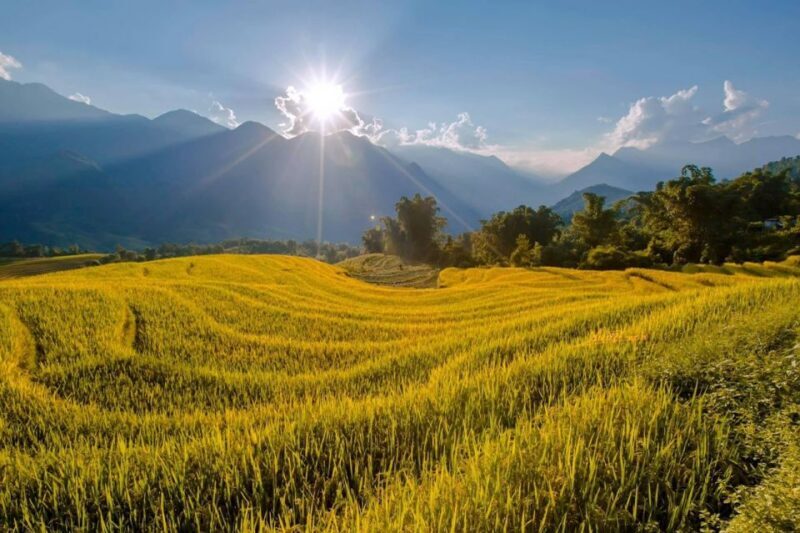
I’d choose this trip if you want a full day outdoors and would rather understand the valley than just photograph it from a viewpoint. The strongest reasons to go are the terraced mountain route, the chance to learn about Hmong and Zay life from a local guide, and the included lunch and return transport.
Think twice if you have limited mobility, dislike muddy or steep paths, or want a relaxed outing with little walking. For an active visitor who can handle 12 kilometers and comes prepared for changing conditions, this is a good-value way to connect Sapa’s scenery with the communities who live among it.
“Li was a great guide with Lots of knowledge about the cultural and ethnic background of the villages. Had a great huke across the beautful landscape.”
The route is about 12 kilometers, or 7.5 miles. The village trek is listed as roughly 5.1 hours, including lunch, while the overall activity lasts one day.
Pickup is from hotels in Sapa town centre. Wait in your hotel lobby between 9:00 and 9:30 AM.
The route goes to Lao Chai, home to the Black Hmong community, and Ta Van, home to the Zay people.
Yes. Lunch in Lao Chai is included. Other drinks are not included, and only a small mineral water is provided.
Live guides are listed in English, Vietnamese, and French. Audio guides are listed in English and Vietnamese.
The tour is limited to 12 participants.
The trek requires a moderate-to-high level of fitness. It covers about 12 kilometers and may include steep, muddy, or slippery sections.
Bring warm clothing, sunglasses, a camera, hiking shoes, biodegradable sunscreen, rain gear, and biodegradable insect repellent.
No. The activity is listed as unsuitable for wheelchair users and people over 70.
Yes. You can cancel up to 24 hours in advance for a full refund.
You can check availability for your dates here: