Physical Address
304 North Cardinal St.
Dorchester Center, MA 02124
Physical Address
304 North Cardinal St.
Dorchester Center, MA 02124

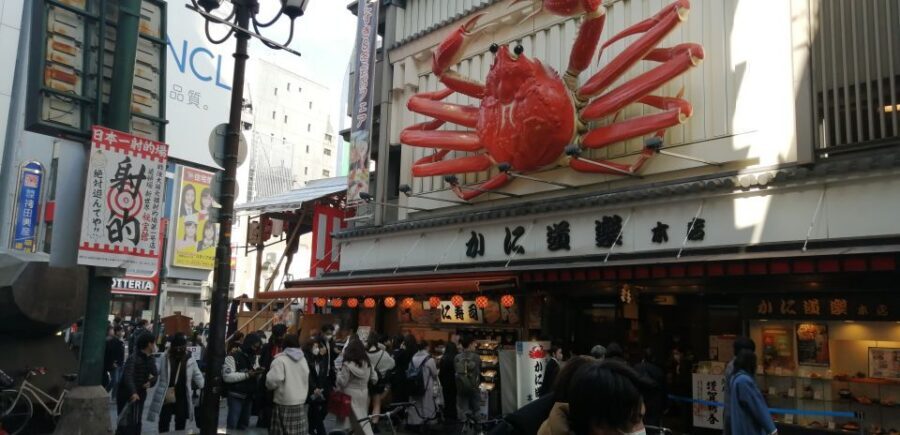
See Osaka Castle, Shitennoji, Shinsekai, Kuromon Market and Dotonbori on a seven-hour guided walk with ramen lunch.
Osaka’s appeal is easier to grasp on foot than from a train window: a castle, an old Buddhist temple, a retro entertainment district and a neon-lit food quarter all fit into one long day. This seven-hour tour links those contrasts by walking and subway, with an English-speaking local guide to keep the city’s history and practical navigation in view.
I like two things in particular: the small group, capped at eight, makes it easier to ask questions and keep a personal pace, and the ramen lunch is included, a welcome pause in a full schedule. One consideration: this is an active day, with substantial walking, subway journeys and station stairs. It is not suited to people with mobility impairments, and good shoes are essential.
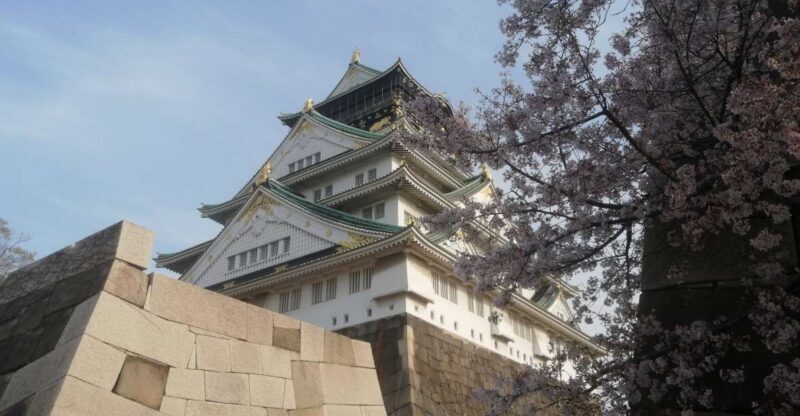
Osaka can be a city of merchants, comedians, food lovers and history, sometimes all on the same block. This tour gives you a fast, useful introduction to those different moods rather than spending the day in one museum or neighborhood.
The order makes sense: begin at the imposing castle, stop for lunch, then cross town by subway to a temple and the older entertainment quarter. From there, the route moves through Kuromon Market and into Dotonbori, where food stalls, bright signs and the famous Running Man sign make a lively finish.
That variety is the tour’s main strength. You see historical sites, get a taste of everyday food culture and learn how Osaka’s neighborhoods connect. It is also a lot to fit into seven hours, so this is a sampler rather than a slow, exhaustive visit to every stop.
If you enjoy exploring Osaka on foot, these walking tours might also suit your style
The meeting point is outside the FamilyMart at Exit 4 of Tanimachi 4-chome Station on the Osaka Metro Tanimachi Line. The stated meet-up time is 9:00 a.m. Look for a guide wearing green glasses, a practical detail that should make the meeting easier to spot.
The group is limited to eight. That size matters on a route that uses the subway and crosses busy areas: it is easier to keep together, hear explanations and ask for help than it would be in a large coach group. Taka, also known as Takanobu, is the guide most often associated with this tour, though the named guide may vary.
The first leg is about 30 minutes on foot to Osaka Castle. The overall route requires more stamina than the word walking tour may suggest. Bring comfortable walking or hiking shoes, rain gear and enough energy for a full day of steps and station transfers.
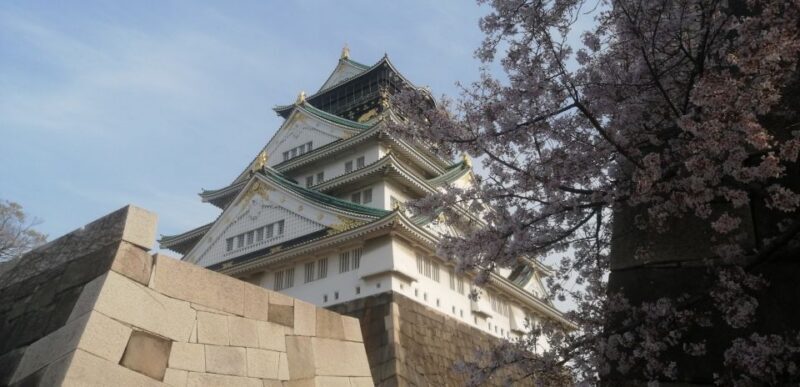
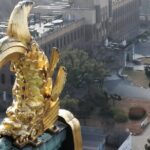
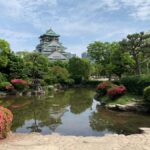
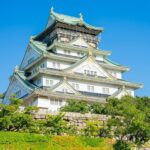
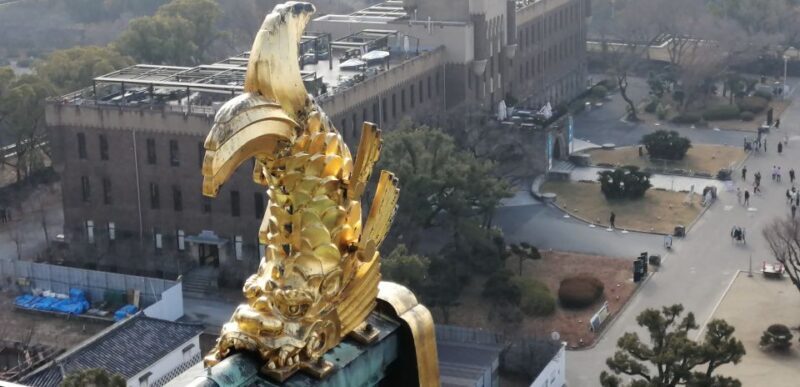
Allow about 75 minutes for Osaka Castle. The tower houses a museum about the castle and the Sengoku period, the era of conflict that preceded the unification of Japan. From the top, you can look across Osaka and get a sense of the city’s scale.
The castle is a strong opening stop because it gives the day a historical anchor before the route turns toward temples, markets and entertainment streets. There is also time for a photo with the castle in the background. If you want to linger over the displays, however, the scheduled visit may feel brief.
Entry is not included. The listed cost ranges from ¥1,080 to ¥1,430, depending on the season and day of the week. A separate entrance is advertised for skipping the line, and a guide can help with the practical details, but keep the admission fee in your budget.
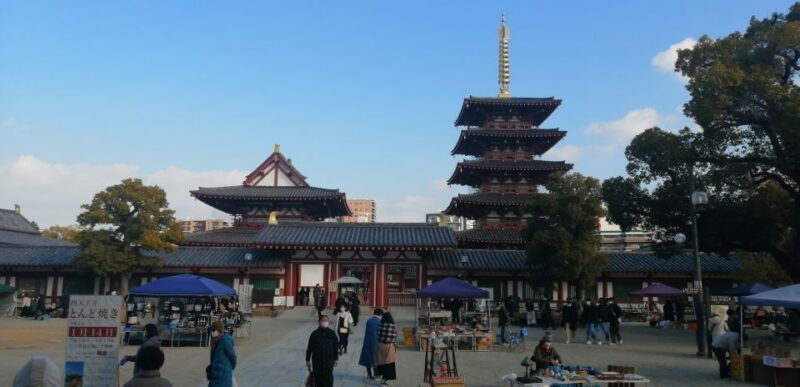
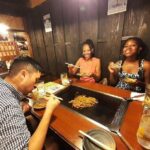
After the castle, the walk to the lunch stop takes about 20 minutes. The schedule allows 45 minutes for ramen at a popular shop near Temmabashi Station, and the meal is included in the tour price.
That inclusion adds real value, especially on a route where you have little time to research lunch on your own. Ramen also makes a fitting introduction to Osaka’s food culture: it is a proper sit-down meal, not just a snack squeezed between sights. The tour’s food stops later in the day can help you decide what else to try.
A set 45-minute lunch is convenient, but it does not leave room for a long meal. If you have dietary restrictions, the provided information does not specify alternatives or menu choices, so ask the operator before booking rather than assuming the meal can be adjusted.
More Great Tours Nearby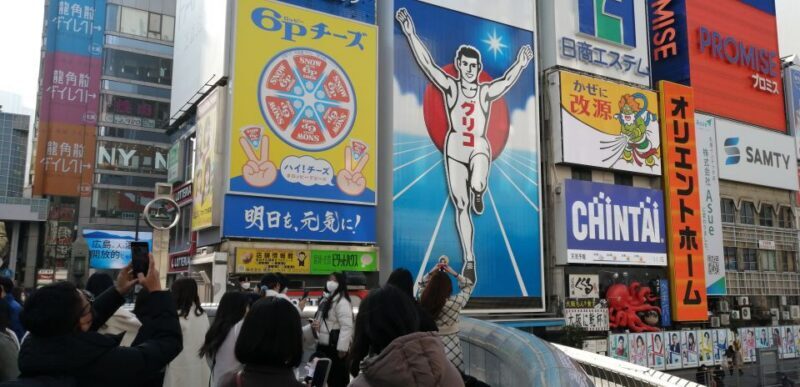
A subway ride of about 20 minutes takes the group to Shitennoji, followed by a 45-minute visit. Founded in 593, it is described as one of Japan’s oldest Buddhist temples and the first built by the state. The guide explains the temple’s origins and the achievements of its founder.
Shitennoji gives the itinerary a quieter counterpoint to the castle and the commercial districts still to come. Its age also makes it an important stop for understanding how Buddhism became part of Japan’s public life. The visit is guided, so you get context instead of simply walking through the grounds without knowing what you are seeing.
Temple entry is extra, listed at ¥400 to ¥600 depending on season and day. The time here is limited, so you may want to return independently if you prefer a slower look around.
You might also be interested in these Osaka experiences
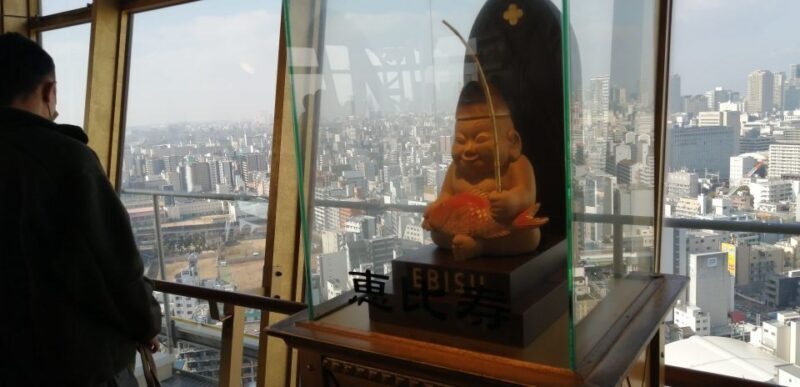
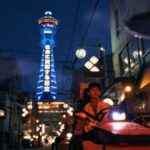
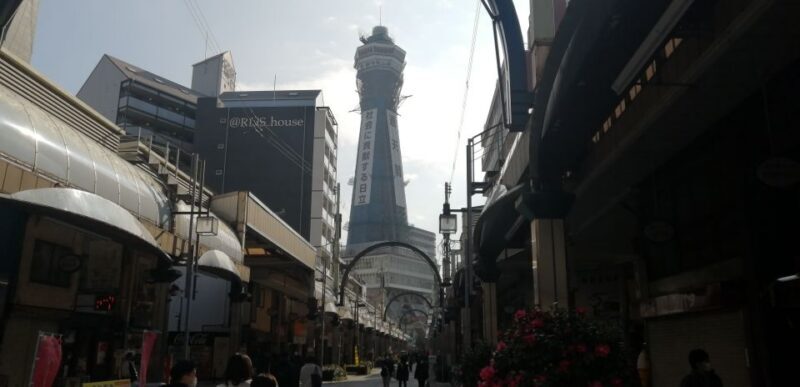
From the temple, a 15-minute walk leads to Shinsekai, where the group has about 45 minutes for photos, free time, shopping and a break. The district developed in the early 20th century and is known for its retro feel, colorful streets and Tsutenkaku Tower.
This stop brings the tour into a more playful Osaka. Around the tower, you can take a photo with Tsutenkaku and the surrounding streets, or use the free time to browse. Shinsekai is also associated with kushikatsu, deep-fried skewers, though the itinerary does not promise a specific tasting here.
Forty-five minutes gives you a taste, not an unhurried afternoon. Keep an eye on the meeting time if you wander into shops or stop for food. The guide’s local recommendations can help you choose where to spend your limited time.
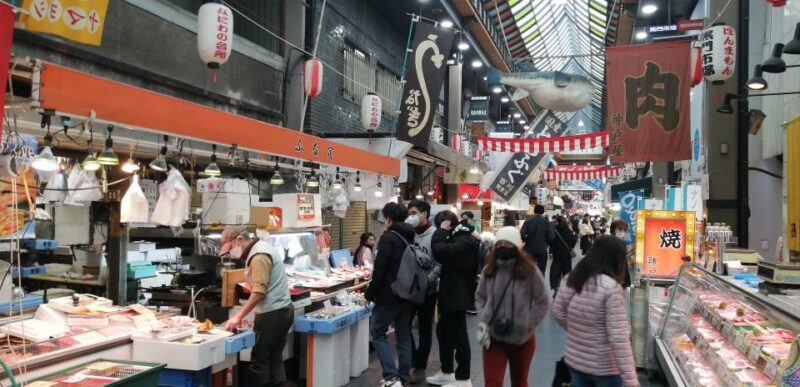
A 15-minute subway ride brings you to Kuromon Ichiba Market. The tour allows about 45 minutes for a guided introduction, shopping and free time. The covered market has more than 200 years of history, and the guide can point you toward local street food.
This is a useful stop for seeing food as part of daily city life, not just as a meal served at a restaurant. You can look over the stalls and decide whether to buy a small bite, pick up a treat or simply take in the scene. Since lunch is already included, you do not need to arrive hungry to enjoy it.
The market visit is short, and any food beyond the ramen lunch is at your own expense. If you find something you want to try, factor the queue and time into your choices. The guide’s suggestions are helpful when the options feel overwhelming.
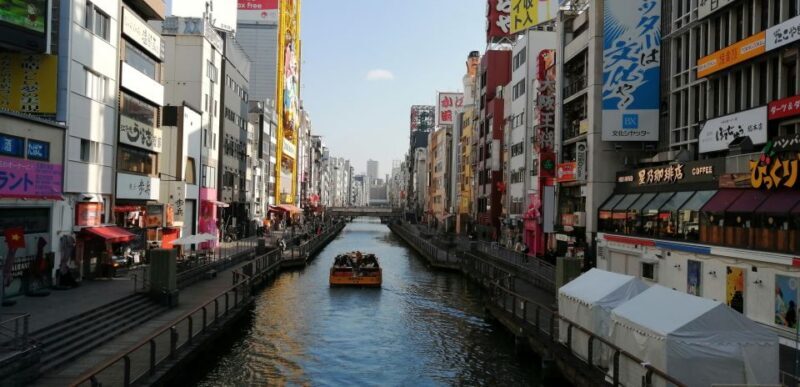
The last main stop is Dotonbori, reached by another subway ride of about 15 minutes. The group spends roughly 45 minutes sightseeing and exploring before a five-minute walk to Hozenji Temple, where the tour ends.
Dotonbori is one of Osaka’s principal visitor districts, known for its food and eye-catching signs. Look above Ebisubashi Bridge for the famous Running Man sign, a classic photo spot and an easy marker for the area. It is a fitting finale after the city’s older temples and market streets: here, Osaka’s appetite for spectacle is right out in the open.
The tour ends at Hozenji, offering a quieter final stop after Dotonbori’s bright signs and crowds. The schedule gives you an overview rather than a long evening to sample the district. You can stay afterward on your own if you want more time to eat or explore.
At $56 per person, the price includes a local English-speaking guide, commentary, photo assistance and the ramen lunch. The guide’s value is not just in explaining the sights. You also avoid figuring out every subway transfer alone, and can get advice about food and how to use your time at each stop.
Budget separately for transport and admissions. The Osaka Metro one-day pass is listed at ¥620 to ¥820, depending on the day of the week. Osaka Castle entry is ¥1,080 to ¥1,430, and Shitennoji entry is ¥400 to ¥600. These extras can make the total noticeably higher than the tour price, although the pass may be useful for the planned subway travel.
The value depends on what you want from a day in Osaka. If you have limited time and would otherwise pay for a guide, lunch and several subway trips separately, the package is practical. If you prefer to spend half a day at the castle or linger over a long meal, a self-guided plan may suit you better.
The schedule has the group walking between some stops and riding the subway between others. One participant estimated around 11 kilometres of walking, while another described frequent stairs at stations. Treat that figure as a useful warning rather than a guaranteed distance: the exact amount can vary.
Summer heat and rain can make the route harder. The guide has been described as taking care to find shade and shelter, but you should still bring water, sun protection when appropriate and rain gear. Comfortable shoes are not optional if you want to enjoy the day.
This tour is not suitable for children under 12, pregnant women, people with mobility impairments, people with heart problems or people with a cold. The group is small, but that does not remove the physical demands of walking and using subway stations.
Book it if you want a broad first look at Osaka in one day, like walking, and value having someone guide you through the subway and explain the city as you go. The blend of castle, temple, retro streets, market and neon-lit Dotonbori is a good use of limited time, and included ramen makes the day easier to plan.
Skip it if you need a low-effort outing, want long visits at each attraction or prefer to set your own pace. Before you book, be comfortable with the extra transport and admission costs, and plan for plenty of walking. For a first visit with a full day available, this is a practical way to get your bearings and leave with a list of places to revisit.
“The tour was absolutely fantastic, we had so much fun and our guide Takanobu could not have been any nicer. I lost my wallet during the tour – tota…”
The tour lasts about seven hours. The stated start time is 9:00 a.m.
Meet outside the FamilyMart at Exit 4 of Tanimachi 4-chome Station on the Osaka Metro Tanimachi Line. Look for a man wearing green glasses.
The route visits Osaka Castle, Shitennoji Temple, Shinsekai, Kuromon Ichiba Market and Dotonbori, then finishes at Hozenji Temple.
Yes. Ramen lunch is included in the tour fee.
No. A public transport pass is not included. The listed Osaka Metro one-day pass costs ¥620 to ¥820, depending on the day of the week.
No. Osaka Castle entry is listed at ¥1,080 to ¥1,430, and Shitennoji entry at ¥400 to ¥600. Costs vary by season and day.
The tour is limited to eight participants.
Expect a substantial amount of walking, plus subway rides and station stairs. One participant estimated about 11 kilometres on foot. The tour recommends hiking shoes.
It is not suitable for children under 12, pregnant women, people with mobility impairments, people with heart problems or people with a cold.
You can check availability for your dates here: