Physical Address
304 North Cardinal St.
Dorchester Center, MA 02124
Physical Address
304 North Cardinal St.
Dorchester Center, MA 02124

Explore Osaka’s market stalls, back alleys, Dotonbori lights and retro districts on a lively guided walk, with group and private options.
Osaka’s character changes block by block: fish stalls give way to quiet lanes, then Dotonbori’s giant signs and a retro neighborhood of old-fashioned gaming parlors. This walk links those contrasts with stories that help you make sense of the city, not just photograph it.
I like two things in particular: the small-group cap of nine keeps the three-hour walk manageable, and the route pairs famous sights with tucked-away alleys and food stops. The included takoyaki and vending-machine drink are a modest but cheerful taste of Osaka, not a meal.
One thing to weigh: this is a walking tour through busy districts, and the group route is an overview rather than a slow visit to every site. The tour is not suitable for people with mobility impairments, and private tours are the only option for hotel pickup or the longer add-ons.
The group tour begins at Namba Metro Station, exit 24, at the top of the stairs. Look for the exit sign and a bicycle stand about seven metres away. Private tours can arrange pickup at a centrally located hotel, but you need to send the hotel details at least a day ahead.
The walk starts among Namba’s winding lanes, where bars and small restaurants sit close together behind the main streets. A guide can point out the narrow routes and local spots you might otherwise pass without noticing. The appeal is not simply finding a quiet alley; it’s hearing how Osaka’s eating and drinking districts work, and getting recommendations you can use later.
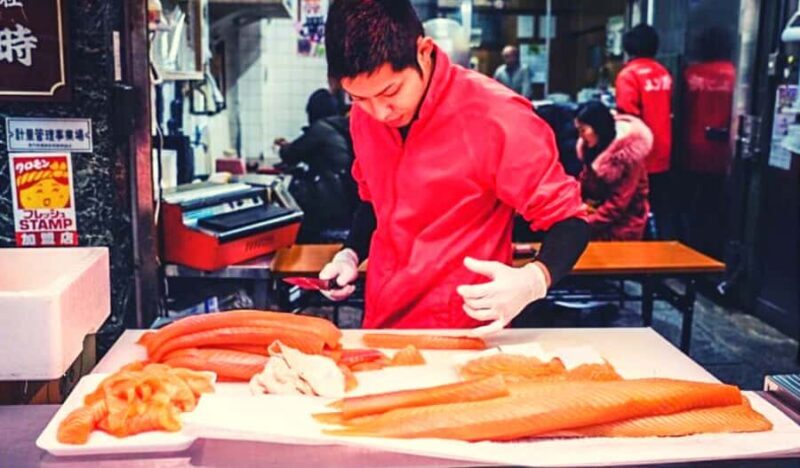
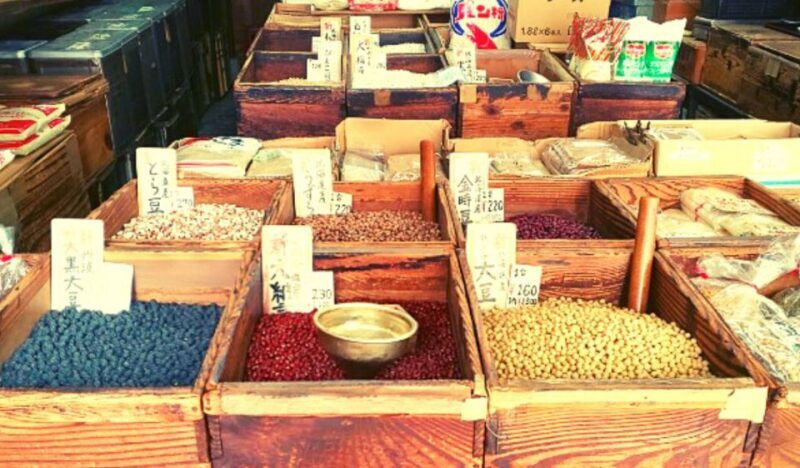
The route moves into Kuromon Ichiba Market, a seafood market where chefs buy fresh ingredients. You’ll encounter unfamiliar produce and prepared foods, with the guide explaining what’s on display and arranging some tasting. Market visits are a good way to learn by looking and sampling, but keep in mind that the tour’s included food is limited. The takoyaki and drink are the only specified inclusions, and other food and drinks are not covered.
One useful tip: arrive with room in your appetite and a little spending money. The market is a natural place to buy something that catches your eye, but there is no promise that a full meal is part of the tour.
If you enjoy exploring Osaka on foot, these walking tours might also suit your style
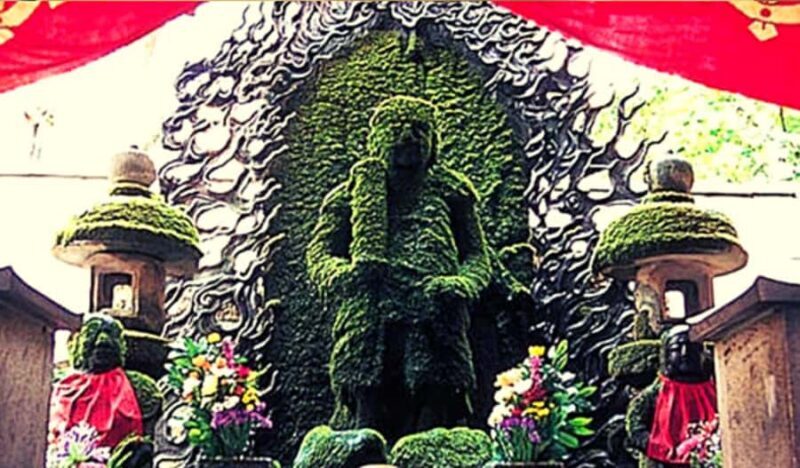
After the market, the route turns away from the crowds and into quieter lanes, passing small eateries and shops on the way to a temple with a centuries-old history. That change of pace is part of the walk’s value. Osaka’s famous neon and food scenes can take over a visit; a calm temple stop offers a different view of the city and a chance to hear about its older layers.
The exact temple is not named in the group-tour details, so think of this as an introduction rather than a promise to visit a particular major temple. If seeing Shitennoji is important to you, choose a private tour and confirm that it is included in the plan. It is one of the options offered on the longer private outings.
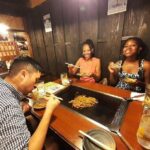
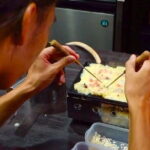
Takoyaki, Osaka’s familiar octopus-filled batter snack, is served during the tour with a canned drink from a vending machine. It’s a small treat, not a tasting menu. I like that the snack is tied to the neighborhood rather than presented as a formal food experience, but you should not book expecting a filling lunch or dinner.
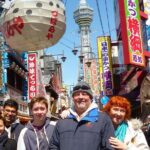
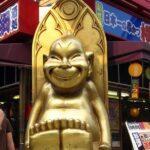
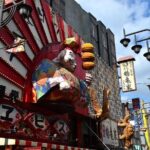
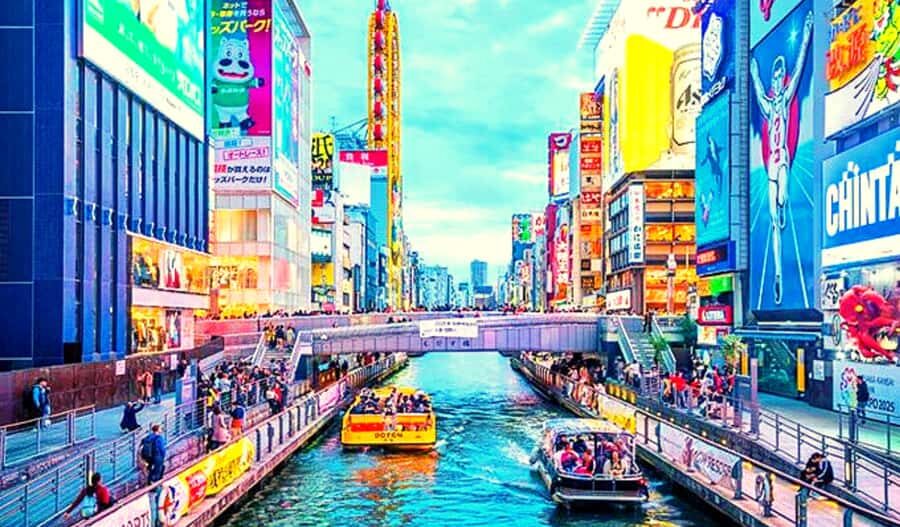
From there, the walk heads into Dotonbori, the central district where large, playful signs crowd the streets beside the river. The guide adds local history and personal stories as you go, giving the illuminated scene some context. At night, the signs and river area make a particularly vivid impression; several people who joined evening walks found the lights a highlight. Daytime visits still show the area’s scale and street life, just with a different feel.
Dotonbori can be crowded, and its visual overload is part of the point. If you dislike busy streets, this may not be your favorite section. If you’re new to Osaka, though, it’s a fast way to understand the city’s appetite for bold signs, casual food and lively public spaces.
The next shift is to America-mura, often called America-mura or Amerikamura, a district shaped by Japanese ideas of American style. The tour frames it as a look at how American culture has been interpreted in Japan, rather than a straightforward slice of the United States. The area also has shops, and a private itinerary can be adjusted to suit your interests.
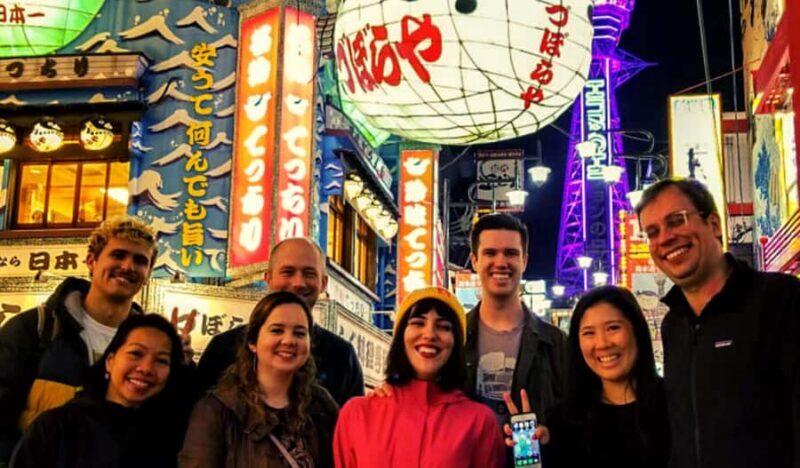
The walk continues to Shinsekai, an older neighborhood with an unusual mix of restaurants and traditional gaming parlors. Its retro mood makes a sharp contrast with Dotonbori’s polished spectacle. That contrast is one reason the route works well as an introduction: it shows you several versions of Osaka in a few hours, rather than lingering in just one shopping or dining zone.
You won’t have time to inspect every shop or stop for a full meal on the three-hour group tour. Treat it as a sampler and note the places you’d like to revisit. The guide’s restaurant suggestions can help you turn a quick look into a more personal evening later.
More Great Tours Nearby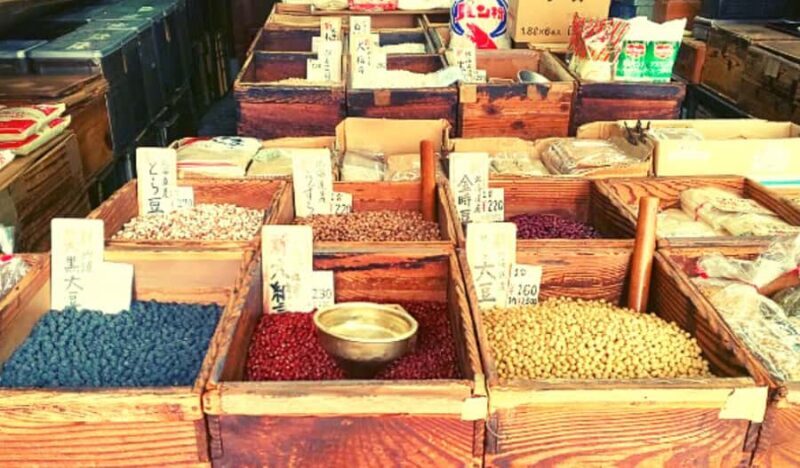
The three-hour group tour is capped at nine people and meets at Namba Station. It covers the central highlights and is a sensible choice if you want orientation without giving up most of your day. It also works well early in a stay: you can ask questions, get a feel for the neighborhoods and decide where to spend more time on your own.
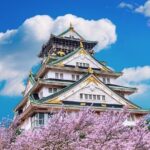
Private tours last four, five or seven hours and are personalized. Depending on the plan, they can include more food-focused lanes around East Shinsaibashi, the Osaka Museum of Housing and Living, Osaka Castle, Shitennoji or a knife shop with a demonstration and lesson. Ask in advance which stops fit your chosen duration and priorities. These are options, not guaranteed stops on every private route.
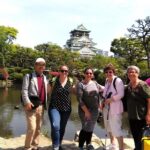
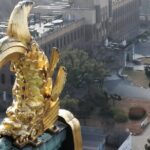
The longer walks make sense if you enjoy a relaxed pace and want room for conversation or special interests. One private-tour participant used an IC card to take the train with the guide to Osaka Castle, and appreciated seeing the site in daylight and after dark. That’s a useful reminder that transport is not included: check how you’ll get to any farther stop and whether transit costs apply.
Private hotel pickup is available only for centrally located hotels, and you must contact the operator at least a day ahead with your details. If pickup matters, confirm it rather than assuming it comes with every private booking.
For a more personal experience, these private Osaka tours deliver individual attention
The guide is a large part of this experience. Names that have come up include Rahat, Taka, Stephanie, Harry, Mary and Josh. Assignments vary, so don’t book expecting a particular person. What you can reasonably look for is an English-speaking guide who mixes history and cultural context with practical suggestions and room for questions.
The praise has been especially strong for guides who tell stories well, keep the walk lively and adapt to a group’s interests. Rahat, for example, was noted for blending local customs, history and practical tips; Taka was praised for sharing his affection for Osaka and adjusting a longer outing to include the castle. Some guides have lived in Japan for years, while others may have shorter experience in the city. If having a long-term resident guide is important to you, ask about that when booking.
The group tour gives you less control over the route and pace than a private outing, but a maximum of nine is a reasonable size for stopping and listening in crowded areas. On private tours, you can shape the itinerary and go more slowly. In either case, wear comfortable shoes: this is a walking experience, not a bus tour, and the operator says it runs in ordinary rain.
At a starting price of $33 per person, the strongest value is the guide’s orientation and the range of neighborhoods covered. You’re paying for a structured walk, an English-speaking guide, insider food recommendations, a snack and a drink. You are not paying for a meal, transport or general food and drink along the way.
For a first visit to Osaka, that can be a good exchange. You see the market, Dotonbori, America-mura and Shinsekai in one outing, while learning enough to choose where to return. The included takoyaki is a pleasant extra, but the guide’s explanations and practical advice are the real reason to book.
Private tours run longer and cover more ground, but their price is not specified here. Compare the cost shown for your date and group with the value of tailoring the stops, arranging central hotel pickup and taking extra time. If you only need a basic look at Namba and Dotonbori, the group tour should be enough. If you want the castle, a knife demonstration or a slower food-focused route, a private tour is the better fit.
Book it if you’re new to Osaka, enjoy walking through busy shopping and food districts, and want a guide to explain the details you might miss on your own. It’s especially useful near the start of your stay, when restaurant tips and a basic sense of the neighborhoods can shape the days that follow.
Choose a private tour if you want more control, plan to visit the castle or Shitennoji, or would value hotel pickup in central Osaka. The three-hour group tour is the more direct choice if you want a lively overview without committing half a day.
Skip it if you need a low-walking activity, have mobility limitations, or are pregnant, as the tour is not considered suitable for those situations. Also set your expectations about food: this is a city walk with a small takoyaki snack, not a progressive meal. The route goes out in rain, except in very serious conditions such as a typhoon or earthquake, when the tour is cancelled and fully refunded.
“Stephane was an amazing tour guide, very friendly and knowledgeable. It was a great way to see many different areas of Osaka.”
Meet at exit 24 of Namba Metro Station, at the top of the stairs. Look for the exit sign and a bicycle stand about seven metres away.
The group tour lasts three hours. Private tours are available for four, five or seven hours.
The three-hour group tour has a maximum of nine people.
Hotel pickup is available only for private tours, and only from centrally located hotels. Send your hotel details at least a day before the tour if you want pickup.
The tour includes one takoyaki ball and a canned drink from a vending machine. Other food and drinks are not included.
No. Osaka Castle is an option only on the private four-, five- and seven-hour tours.
Yes. Shitennoji is one of the possible stops on the longer private tours. Confirm the route with the operator when planning.
The tour is conducted in English.
Wear comfortable shoes. Luggage and large bags are not allowed.
The tour runs in rain. It is cancelled only in very serious conditions, such as a typhoon or earthquake, with a full refund.
You can check availability for your dates here: