Physical Address
304 North Cardinal St.
Dorchester Center, MA 02124
Physical Address
304 North Cardinal St.
Dorchester Center, MA 02124

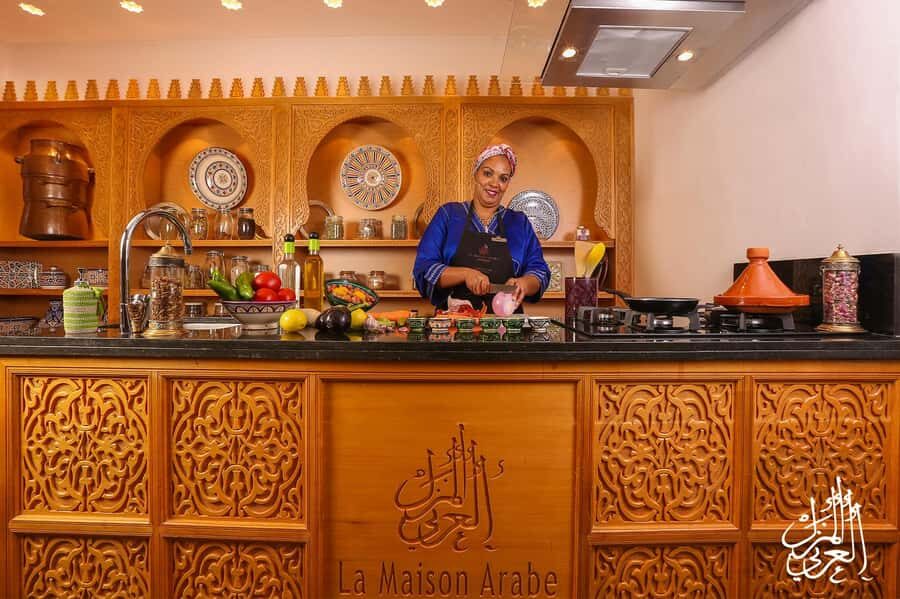
Cook Moroccan tagine at La Maison Arabe in Marrakech, with fresh ingredients, hands-on instruction, tea, bread making, and a choice of class length.
Moroccan cooking makes more sense when you handle the spices, build a tagine yourself, and then eat the result. At La Maison Arabe, each cook has an individual workstation, and the class pairs practical instruction from a dada with live translation and cultural context.
I like two things in particular: you cook with fresh local ingredients at a clean, well-equipped station, and the food you make becomes your meal. The longer class adds a tea ceremony, flatbread making, and more dishes, so you can turn a quick activity into a full culinary outing.
One consideration: the three-hour class costs more than some Marrakech cooking lessons, and even the one-hour option is an activity built around cooking and eating, not a market visit. If you want to shop for ingredients or spend the whole session on technique, this may not be the format you’re after.
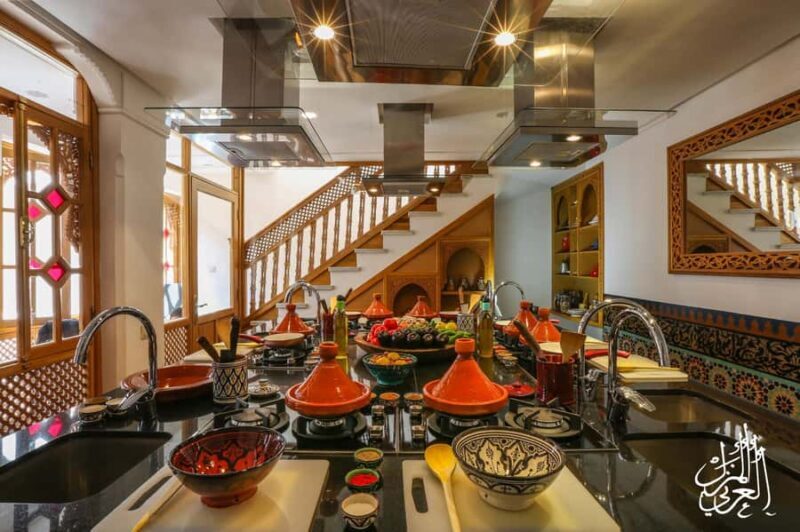
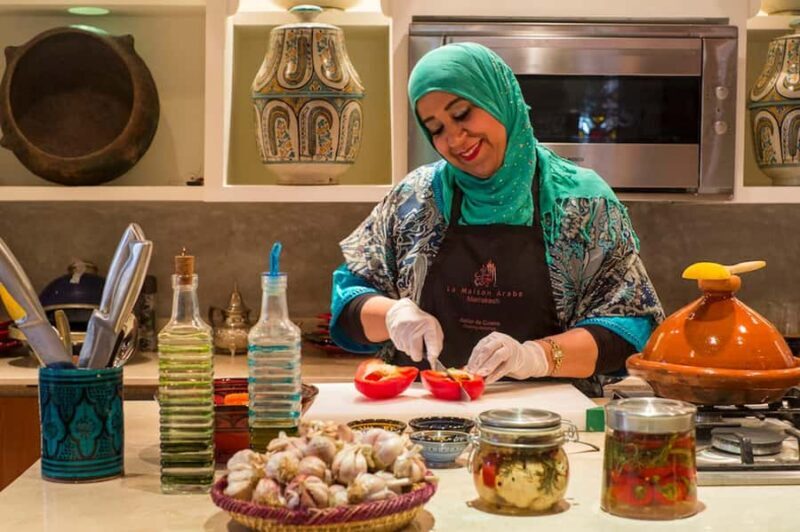
The meeting point is the front desk of La Maison Arabe. The workshop is described as being near the riad-hotel, with another possible setting in the hotel’s secret gardens, away from the medina’s bustle. Check your booked session details for the precise location.
That setting is useful if you want a cooking class without having to navigate far across town. Transportation to and from attractions is not included, so plan your own route to the meeting point. Once there, you move into a dedicated cooking space rather than trying to learn in a busy restaurant kitchen.
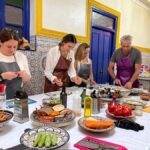
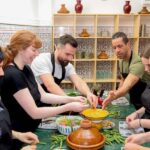
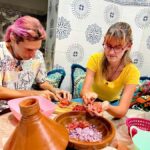
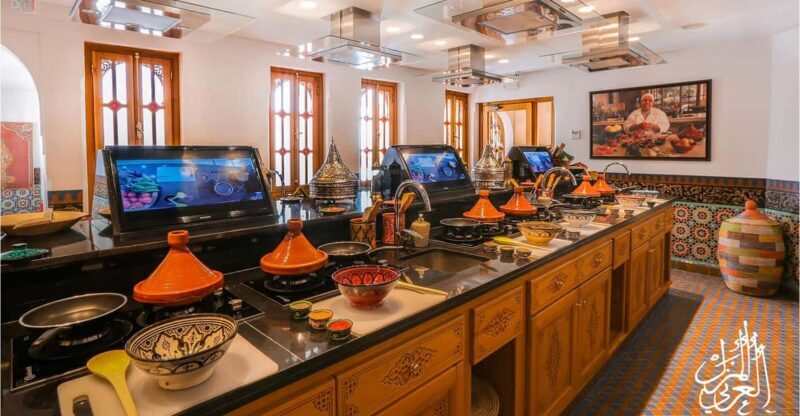
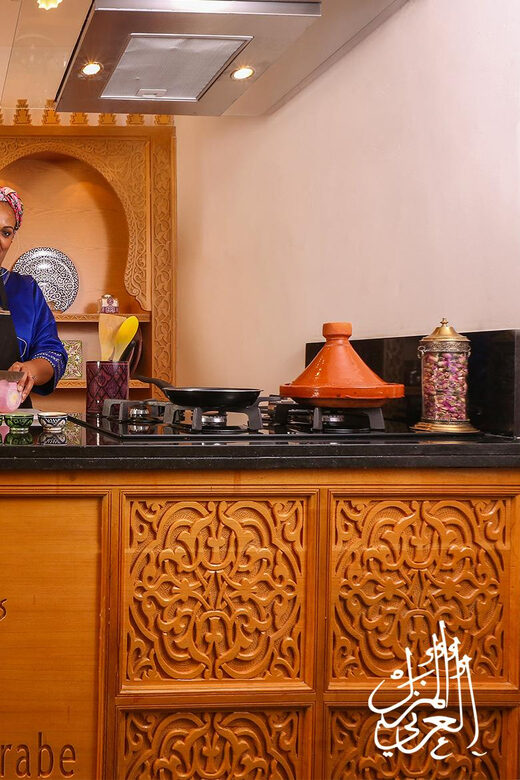
The class is designed for a small group, and each participant has an individual station. That detail matters: you get to handle the preparation yourself, instead of standing behind a crowd hoping for a view of the chopping board. The setup is modern and well equipped, but the focus stays on traditional Moroccan dishes and methods.
Want to bring Marrakesh flavors home? These cooking classes could be just right
The one-hour express class is a compact introduction. You get straight into cooking, with many sessions focused on chicken tagine. The instructor guides you through the recipe, and the class finishes with the group eating the dish together.
This shorter format is a sensible choice if you have a packed itinerary, want a hands-on activity without committing half a day, or mainly want to learn one recipe. It can also work well for solo visitors: you cook alongside the group, but your own station gives you something useful to do from the start.
The longer option, up to three hours, gives the meal more room to unfold. It can include starters, tagine or couscous, dessert, tea, and a flatbread demonstration. The exact food may vary, so don’t assume every class follows the same menu. Some sessions include two appetizers as well as a main course, and the meal is served after the cooking.
Three hours does not mean three hours of nonstop chopping. There is time for explanations, demonstrations, tea, and eating. That slower pace is a plus if you want more than a recipe, though it may feel like too much if you only want to make one dish and move on.
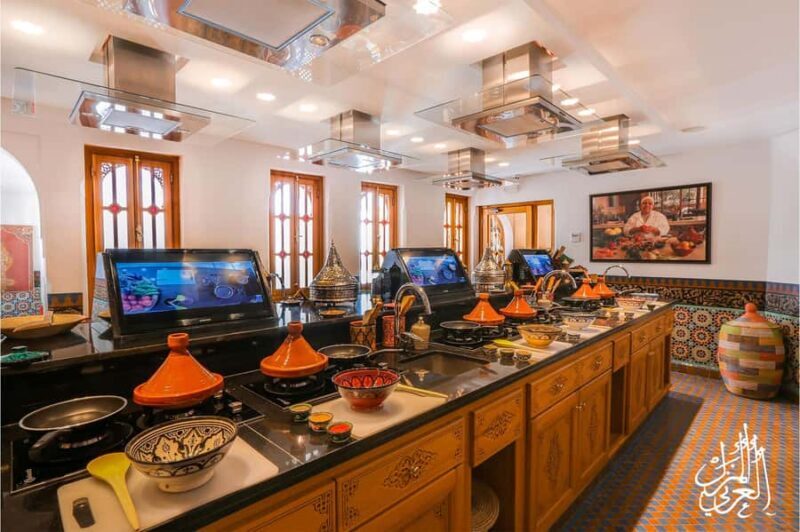
Your instructor is a dada, a traditional Moroccan cook, supported by a translator. Instruction is offered in Arabic, English, and French. The language support is useful for more than following the steps: it gives you a chance to ask questions about ingredients, cooking customs, and Moroccan food culture as the class goes along.
Instructors vary by session. Past classes have been led by cooks including Hayat, Wafa, Sanaa, and Muhammad, among others, so don’t book expecting one particular person unless the provider confirms that in advance. The important point is the format: the cook demonstrates and explains while translation helps include the whole group.
The teaching is meant to be accessible to home cooks, not just confident chefs. You follow a recipe at your station, with help available as you chop, stir, and season. The class also uses screens to make instructions easier to follow. That combination of demonstration and doing is valuable: you can see what a preparation should look like, then try it yourself.
You may have questions that go beyond the recipe. The cooking and tea portions make natural openings to ask about Moroccan ingredients and customs. In the longer class, the cultural explanation has more space, but even the express option offers a practical taste of local cooking.
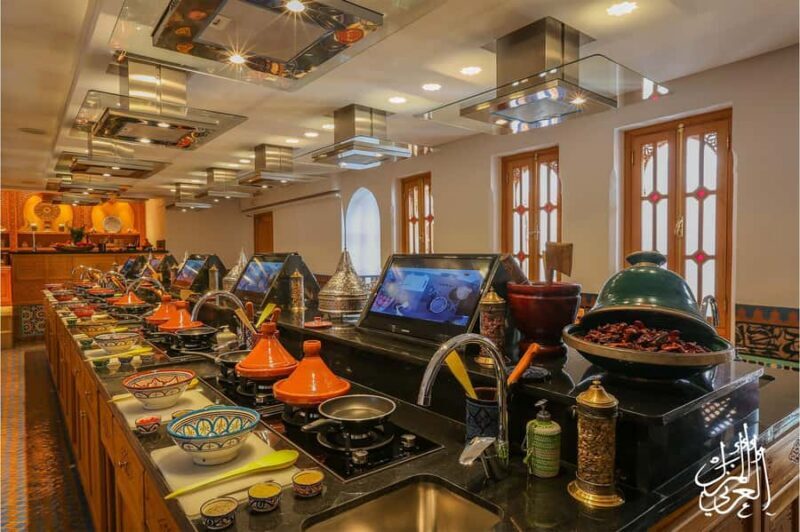
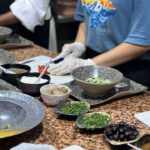
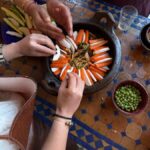
The workshop uses fresh local ingredients, and the individual stations mean you do the work rather than watch from the sidelines. In a tagine class, you prepare the ingredients and assemble the dish under the cook’s guidance. The attraction is not just learning a list of steps. You get to see how a familiar Moroccan meal comes together, then taste the result while the process is still fresh in your mind.
Chicken tagine is a common choice, though the menu is not guaranteed to be identical at every session. If you have a dietary need, ask the provider before booking rather than assuming a substitution is available. One participant with a vegetarian friend reported that the class catered for them, but that does not establish what every session can accommodate.
The recipes are presented as manageable for a home cook. That is encouraging if you want to recreate the meal later, and a recipe is provided. Still, don’t expect a full course in every detail of Moroccan cuisine in one sitting. The class gives you a working introduction and a memorable meal, not a culinary diploma.
More Great Tours Nearby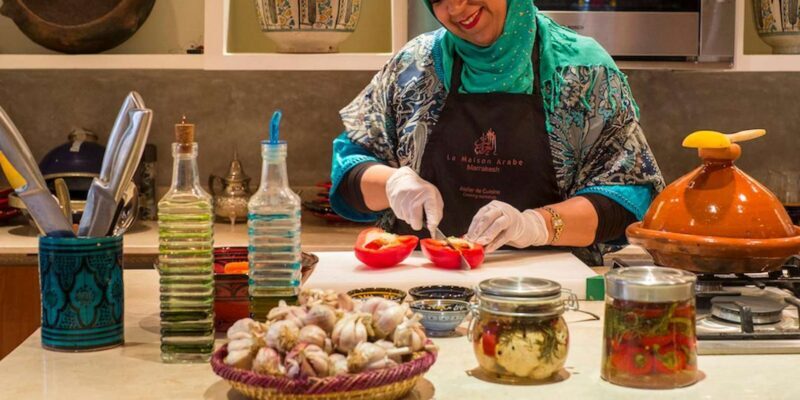
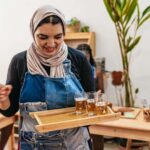
The three-hour class can include a Moroccan tea ceremony and a demonstration of flatbread making. Tea is part of the experience, not just a pause between tasks: the instructor explains the ritual, giving you a small window into the way food and hospitality fit together.
You also get to see bread preparation, then taste the bread alongside the meal. These parts make the longer session more rounded, especially if you are curious about everyday food customs as well as tagine. They are demonstrations, so don’t assume you’ll prepare every item yourself.
Afternoon tea and a food tasting are included, and the class includes lunch. Other drinks are not included. Bring water and wear comfortable clothes, as the activity involves working at a kitchen station.
You might also be interested in these Marrakesh experiences
At $35 per person, this class is not necessarily the cheapest cooking lesson in Marrakech. The value comes from the structure: a clean, organized kitchen, individual workstations, fresh ingredients, instruction and translation, and a meal you prepare yourself. The longer format adds several courses and demonstrations, which helps explain why it can feel like better value than a quick recipe class.
The setting and level of preparation also matter. You are not simply paying to watch someone cook. The class is arranged so you can take part, get guidance, and sit down to eat afterward. That makes the price easier to justify if you value a comfortable, well-run activity and an introduction you can use at home.
The one-hour option is the more economical choice in time, but you should compare it with the three-hour session based on what you want to learn. If you are curious about Moroccan food beyond one tagine, the longer class offers more context and variety. If your main goal is to make and eat one dish, the express session may be enough.
I’d choose this class if you enjoy food, want a practical activity, and like the idea of learning from a local cook rather than only eating at restaurants. It also suits couples, friends, families with older children, and colleagues looking for a shared activity. The group format gives you a chance to chat while you cook and eat.
It is not suitable for children under 12 or wheelchair users, according to the activity details. If you are traveling with a child who meets the age requirement, the format may appeal: one family found the setup worked for both a 12-year-old and a 75-year-old. Individual needs vary, so ask the provider if you have questions about participation.
If you are an experienced cook, you may find the recipes straightforward. That is not a flaw if you want a relaxed introduction, but it is worth knowing before you book. The class is better suited to learning a few approachable dishes and getting cultural context than to advanced technique.
Book it if you want to do more than order tagine: you’ll prepare a Moroccan dish yourself, learn from a dada with translation, and eat the results. I’d lean toward the three-hour class if your schedule allows and you want the tea ceremony, bread demonstration, and several dishes. Pick the express session if time is tight or one practical recipe is all you need.
At $35 per person, the draw is the organized setting and hands-on format, not bargain-basement pricing. If you value clean facilities, patient instruction, and a meal built into the activity, it is a strong use of a few hours in Marrakech. If you want a market tour, transport, or an advanced cooking course, look for a different class.
“this was by far one of my best classes. I loved how prepared and the cleanliness of the cooking area. I was in a small group so it was very intimat…”
You can choose a one-hour express session or a longer class lasting up to three hours. Check availability for starting times.
The class teaches a traditional Moroccan dish. Chicken tagine is common, while the longer class may include starters, tagine or couscous, and dessert. The exact menu can vary.
Yes. The class includes a meal or food tasting, and you sit down to eat what you have prepared.
Meet at the front desk of La Maison Arabe. The workshop may take place near the riad-hotel or in the secret gardens, so check your session details.
Instruction is listed in Arabic, English, and French, with live translation.
Bring water and wear comfortable clothes. Drinks are not included.
The activity is not suitable for children under 12 or wheelchair users.
You can check availability for your dates here: