Physical Address
304 North Cardinal St.
Dorchester Center, MA 02124
Physical Address
304 North Cardinal St.
Dorchester Center, MA 02124

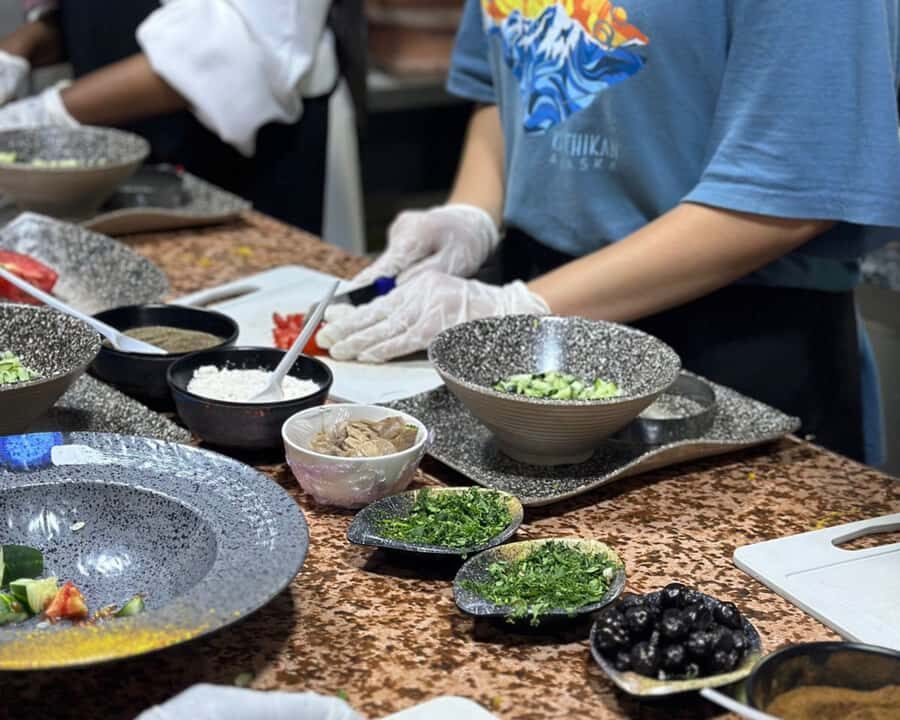
Cook tagine in a working Marrakech restaurant kitchen, enjoy mint tea and lunch, and get hotel pickup for a practical three-hour Moroccan food class.
Moroccan tagine is more than a pot of food: the ingredients, spices, and slow cooking all matter. In this three-hour class at Marrakech restaurant Chouf l’Or, you work alongside a professional chef, then sit down to eat what you have made.
I like two things in particular: you cook in a working restaurant kitchen, so the lesson comes with a glimpse of the kitchen in action, and hotel pickup and a meal are included at a price of $31 per person. It is a friendly, practical way to spend an afternoon and learn a dish you can try again at home.
One consideration: this is a relaxed, accessible class, not an intensive chef’s course. The meal is often a tagine with a salad and a simple orange dessert, so keen cooks looking for several complex recipes may want more hands-on instruction than the class provides.
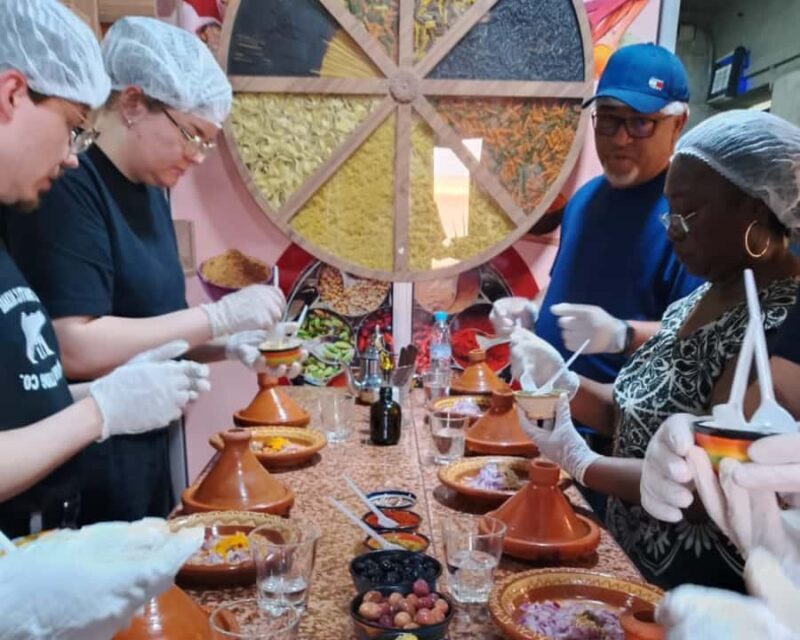
The class begins with pickup from your hotel or riad in Marrakech, followed by a ride to Chouf l’Or. If a car cannot reach your accommodation, the team will give you a nearby meeting point within a short walk. Pickup details usually arrive by email the evening before, and the provider may also contact you by WhatsApp. Be ready 5 to 10 minutes before the confirmed time.
The transfer is useful in a city where finding an unfamiliar restaurant can add needless friction to a short outing. Some drivers also share information about Morocco on the way. The ride is part of the service, not a sightseeing tour, so treat any local stories as a pleasant bonus rather than a planned part of the itinerary.
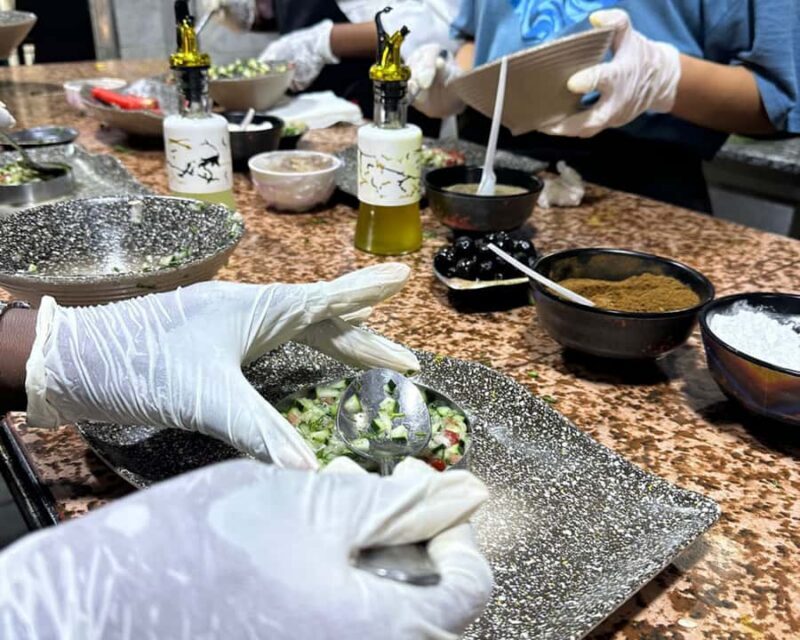
Once you arrive, the welcome is a glass of Moroccan mint tea while the kitchen is prepared. You’ll discuss the menu with the chef, with options that may include a starter, a tagine, and Orange de Cannelle, or cinnamon orange. The exact dishes can vary, so ask what you’ll be cooking before the lesson starts if you have a particular dish in mind.
The pause for tea also sets the tone. This is not a race to get through a recipe card. The class has a social, easygoing pace, and the chef makes room for conversation and questions before the cooking gets underway.
You can check availability for your dates here: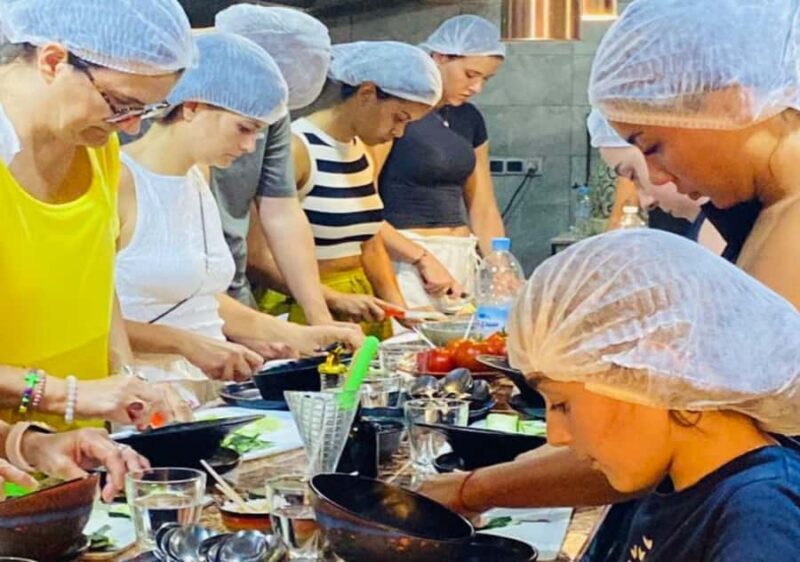
The central lesson is tagine, the Moroccan dish named for the distinctive cooking vessel. You’ll prepare a main dish with a chef guiding the process, then learn how its ingredients and seasoning come together. Chicken tagine with preserved lemon appears in some classes, while a vegetarian version is also possible. One chef has explained how the recipe can be adapted for beef or lamb, but don’t assume every menu includes all those choices.
The setting adds useful context. You are not only following a demonstration in a separate classroom: the lesson takes place in the restaurant kitchen, where cooks are also preparing food for service. That can make the work feel more grounded in everyday restaurant cooking. It can also mean the kitchen is active and busy, rather than quiet and staged.
The chefs named by participants include Mourad, also written as Morad or Mourat, as well as Ahmed, Amine, Abdul, and Mohamed. The teaching style described across classes is warm and lively, with clear instructions, patience, and humor. English and French are among the available guide languages, alongside Arabic. If you are unsure about a step, ask; the class is intended for a range of abilities, and the chef can help you along.
Expect a shared cooking session, not a private lesson. One group included 12 people, while other sessions have felt small and personal. Group size may vary, but the format gives you a chance to cook with other people and share a meal afterward. If you are traveling alone, this can be an easy way to meet others without needing to organize anything yourself.
Want to bring Marrakesh flavors home? These cooking classes could be just right
The meal typically follows a simple pattern: a starter, a tagine, and a dessert. Moroccan salad is a common starter, chicken tagine is a frequent main, and oranges with cinnamon make a straightforward finish. The starter and dessert add variety, but the tagine is the main event.
That distinction matters when you decide if the class is right for you. The three dishes do not necessarily mean three elaborate recipes or equal amounts of cooking. One class participant felt that describing the meal as a starter, main, and dessert made the session sound more substantial than it was. In practice, the meal may be a tagine with a side salad and a simple dessert. For most people, that makes a relaxed lunch; for an experienced home cook, it may feel light on technique.
There is still practical value in seeing the process. You can ask about ingredients, seasoning, and adapting the dish at home. Some instruction has included ways to change the protein, while another class covered preserving lemons for future cooking. If you already know your way around a kitchen, prepare a few questions in advance. Asking about spice choices, cooking order, or substitutions can help you make the lesson more useful.
The class is also a good introduction if Moroccan food is new to you. You do not need prior experience to follow along, and children can participate with an adult. A seven-year-old, for example, was able to take part and enjoy the activity. The emphasis is on learning while cooking, not on proving your knife skills.
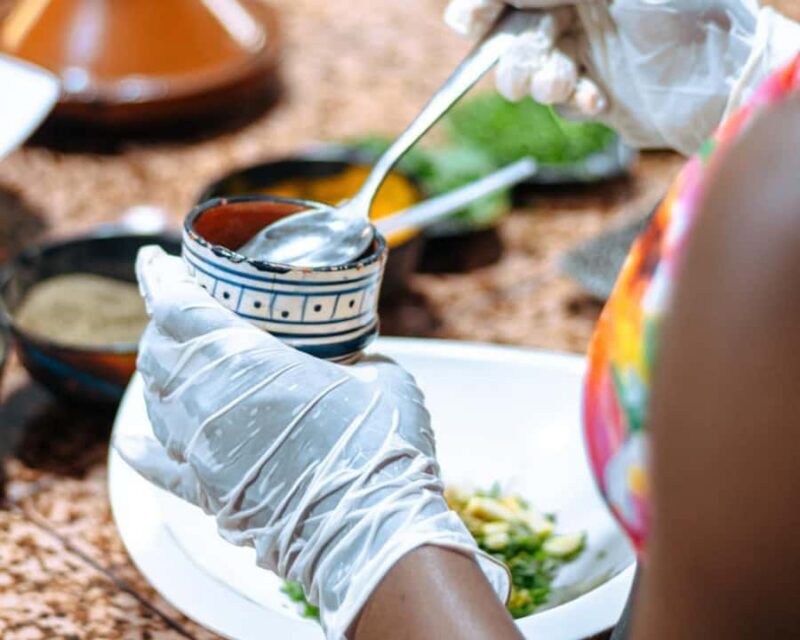
Once the food is ready, you eat the meal you have prepared, with tea and water included. This shared lunch is not an extra stop or a tasting menu. It is the point where the lesson comes together: you can compare how the dishes turned out, ask the chef a final question, and enjoy a proper sit-down break.
I see this as one of the strongest parts of the format. A cooking class that ends at the stove can feel unfinished; here, you get to taste the result. And eating together gives the group a natural reason to talk, whether you arrive with friends, family, or on your own.
The food itself has been a consistent bright spot. People have singled out chicken tagine and the meal as a whole, but your exact menu depends on the choices made at the start. If you have allergies, dietary restrictions, or a strong preference for a vegetarian dish, raise that with the provider before or at the beginning of the class. The available information confirms that a vegetarian tagine has been taught, but it does not promise that every dietary request can be accommodated.
At the end, you receive a certificate before returning to your pickup point or another location in Marrakech. It is a small keepsake rather than a professional qualification, but it gives the class a tidy finish.
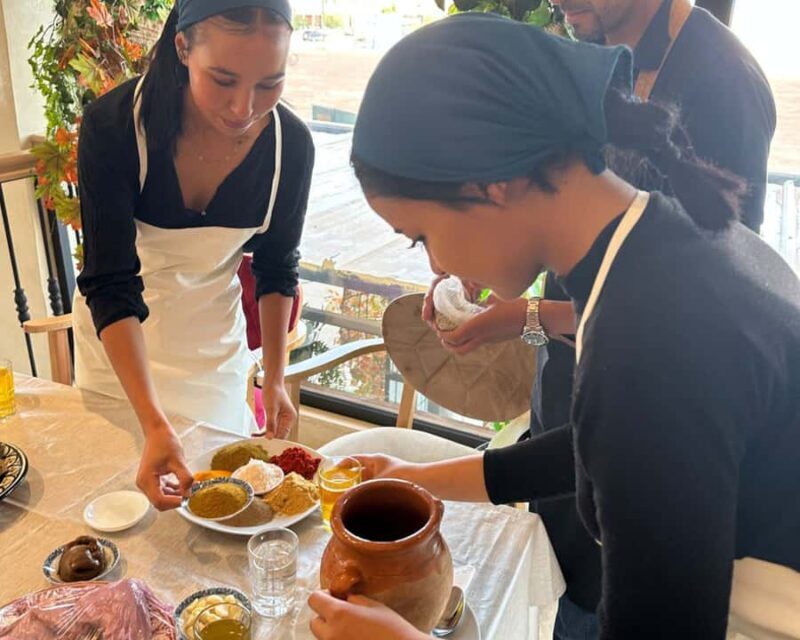
At $31 per person, the price covers more than the cooking lesson. Hotel pickup and drop-off, instruction, tea and water, lunch made from the dishes you cook, and a certificate are included. That makes the cost easy to compare with a restaurant lunch plus a separate activity and transport.
The best value is for someone who wants a meal and a cultural activity in one outing. You are not just eating a tagine; you are learning a little about how it is made, cooking with a local chef, and seeing part of a restaurant kitchen. If you would otherwise book a cooking class and pay separately to get there, the included transfer makes this particularly convenient.
The value is less obvious if you expect an advanced workshop with several detailed recipes, extensive technique, or a small private group. The lesson is paced for a broad range of abilities, and the food is straightforward. Think of it as an enjoyable introduction with a good lunch, not a full-day culinary course.
The overall rating is 4.6 from 1,862 ratings, a strong sign that this is a popular activity. Still, set your expectations by the format rather than the score: it is a friendly group class built around one main dish and a shared meal.
More Great Tours Nearby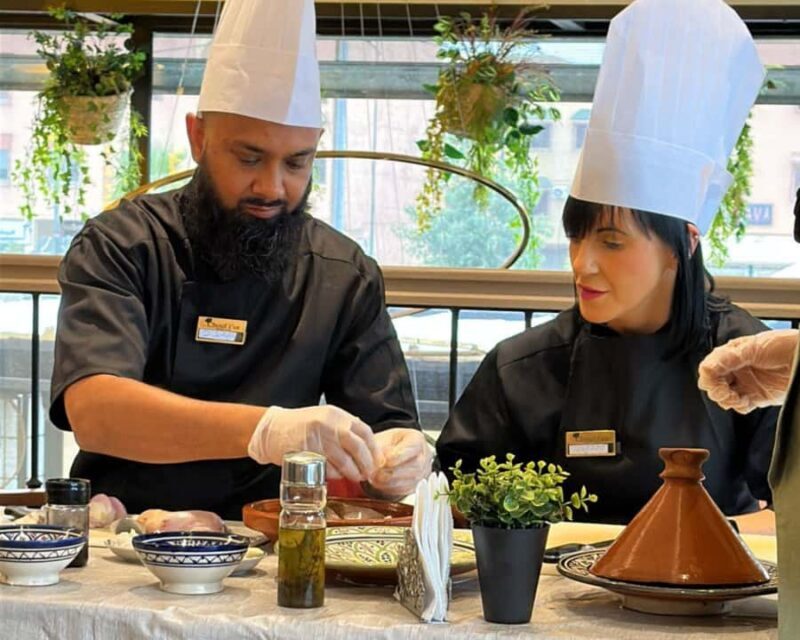
The class itself lasts three hours, though your full outing may take longer if pickup involves collecting other participants or if transport is delayed. Most reported pickups have run smoothly, with drivers confirming details in advance and arriving on time. There has also been a report of a pickup taking more than an hour and a half, so avoid scheduling a tight appointment immediately afterward.
Your pickup time and exact meeting point are usually confirmed the evening before, often by email or WhatsApp. Check your messages, especially if you booked close to the activity date. For a last-minute booking, pickup information may arrive shortly after you reserve. You can request drop-off at the same point or another address in Marrakech by telling the provider your preference.
The activity is wheelchair accessible, according to the tour information, and pets are not allowed. The live guide languages are French, English, and Arabic. You can reserve now and pay later, and cancellation up to 24 hours in advance is eligible for a full refund.
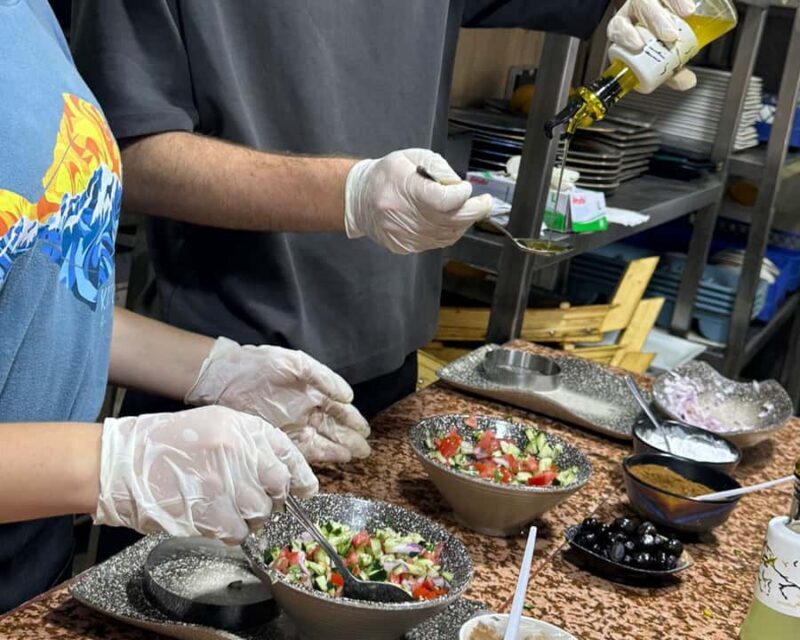
I would put this class high on the list if you want a hands-on introduction to Moroccan food without spending a full day on it. It suits couples, families with children, solo visitors, and small groups who enjoy cooking and conversation. The hotel pickup is especially handy if you are staying in a riad that is awkward to locate or reach by car.
It is also a good fit if you want to bring home one practical idea rather than simply add another restaurant meal to your itinerary. The tagine lesson gives you a starting point, and the chef’s explanations can help you think about adapting the dish later. Ask questions as you cook, because the class moves at a gentle pace and can otherwise feel basic if you already have plenty of kitchen experience.
I would look elsewhere if you want an advanced course, a guaranteed private lesson, or a long list of recipes to master. The central promise here is simpler: get picked up, cook a Moroccan meal with a local chef, eat it with a small group, and return with a pleasant afternoon behind you.
“Mourad was an excellent host, very fun, engaging and helpful. It was a relaxing and enjoyable experience in a nice environment and the food at the …”
The activity lasts three hours. Transport time may add to the total time away from your hotel.
The menu is discussed at the start and may include a starter, tagine, and Orange de Cannelle, a cinnamon-orange dessert. Moroccan salad and chicken tagine are common examples, but the exact menu can vary.
Yes. Pickup and drop-off are included from your hotel or riad in Marrakech. If a car cannot reach your accommodation, you will be given a nearby meeting point.
The provider usually sends the exact time and meeting point by email or WhatsApp the evening before. For last-minute bookings, they will send a message soon after booking.
The live tour guide languages are French, English, and Arabic.
The class is designed for a range of abilities, and children can participate. A seven-year-old has taken part, but the available information does not specify a minimum age.
The price includes hotel pickup and drop-off, instruction, lunch featuring the dishes you cook, tea, water, and a certificate.
Yes. You can cancel up to 24 hours before the activity for a full refund.
You can check availability for your dates here: