Physical Address
304 North Cardinal St.
Dorchester Center, MA 02124
Physical Address
304 North Cardinal St.
Dorchester Center, MA 02124

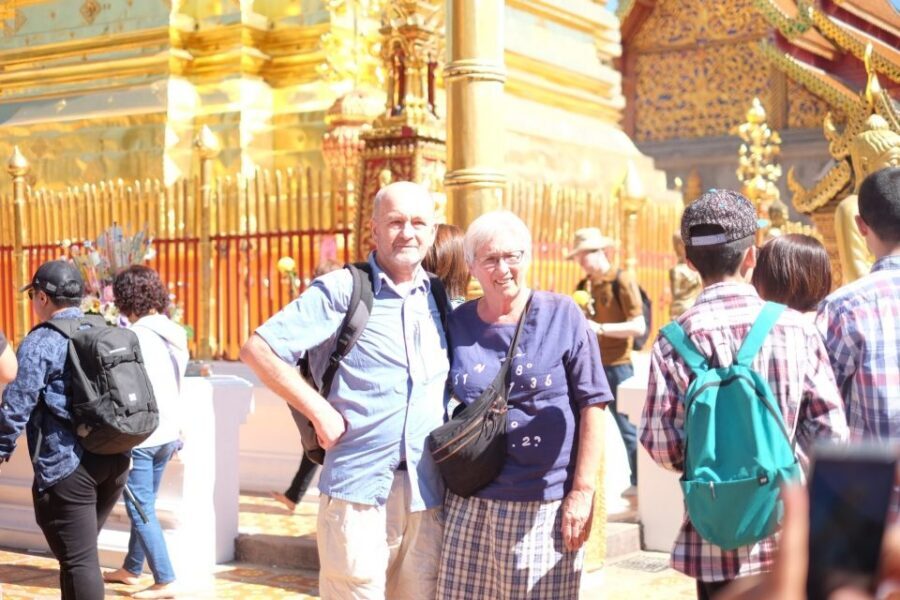
Visit Doi Suthep and a Hmong village on a four-hour Chiang Mai tour, with temple insights, mountain views, hotel pickup and a small group.
Doi Suthep pairs two very different mountain stops in one short outing: a Hmong village where you can visit a small museum and browse local stalls, and a hilltop temple with a sacred Buddha relic and a wide view over Chiang Mai. The drive itself is part of the change of scene, leaving the city for the cooler heights of Doi Suthep-Pui National Park.
I like the four-hour format, which leaves room for both stops without taking up a full day, and the guide-led context that can help make Buddhist symbols and Hmong life easier to understand. One consideration: the village has souvenir stalls as well as everyday local life, and the temple view can be hidden by fog or haze.
At $36 per person, this tour is a practical way to see two of Chiang Mai’s best-known mountain attractions without arranging transport yourself. The price includes an English-speaking guide, a nine-seat air-conditioned minivan, entrance fees for the temple and village museum, the cable car, drinking water, a refreshing towel and travel accident insurance. You pay for personal expenses separately.
That bundle matters because the route involves a mountain drive and two places where local context can add a lot. A guide can explain what you are seeing at the temple, while the included transport saves you from organizing a separate ride up the winding road. With a small group, it is also easier to hear explanations and ask questions than it would be on a large coach outing.
The tour runs in the morning or afternoon. Pickup is scheduled between 8:00 and 8:30 a.m. or 1:00 and 1:30 p.m., with drop-off around noon or 5:00 p.m. Allow some flexibility around those times: pickups take place at hotel lobbies in Chiang Mai within six kilometres of the Three Kings Monument, and the minivan spends about 45 minutes driving each way.
Looking for more options in Chiang Mai? Here are some other experiences worth considering.
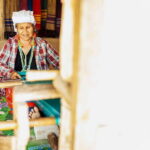
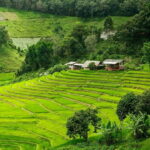
The outing includes time at Doi Pui Hmong Hill Tribe Village, where you can visit the museum and walk around the village. The museum offers a starting point for understanding Hmong culture and history; the village itself gives you a chance to see how the area is presented to visitors and browse its market stalls.
Expect a mix of things to see and buy. Stalls offer clothing, jewelry, tapestries, crafts and souvenirs. Some items are locally made, while others are more standard tourist goods, so take your time and look closely rather than assuming every product is made in the village. One useful shopping tip: a visitor specifically cautioned about vendors in the garden offering silver rings at prices around $120 to $150. If you are considering a costly purchase, ask questions and make your own judgment.
There are also pleasant reasons to pause beyond shopping. The village has a garden area, and visitors have enjoyed trying local coffee there. One visitor also singled out dried mango as a worthwhile snack, while sugared strawberries with chili sugar proved a more surprising taste. These small encounters can make the stop feel less like a quick market browse and more like a chance to sample what is on offer.
Keep your expectations grounded. The village is a lived-in place, but it is also a visitor stop with shops. You may find the museum and guide’s explanation more meaningful than simply walking past the stalls. If you want to understand more about Hmong life, ask your guide questions; guides on this trip have discussed the village, local history and the people who live in the region.
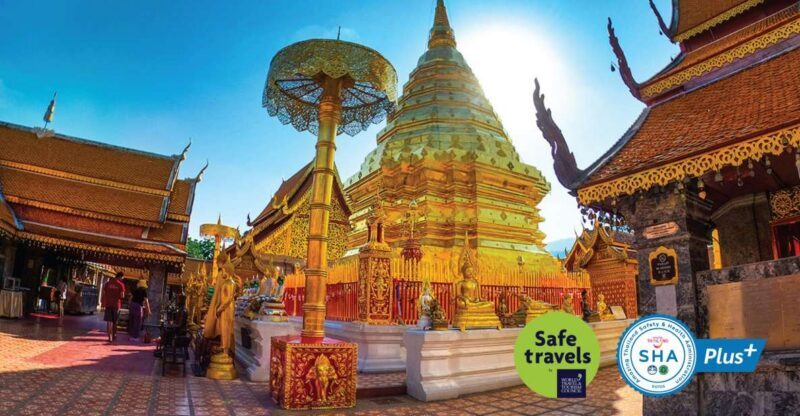
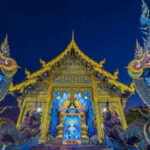
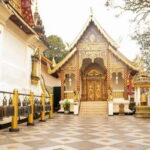
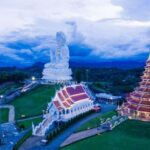
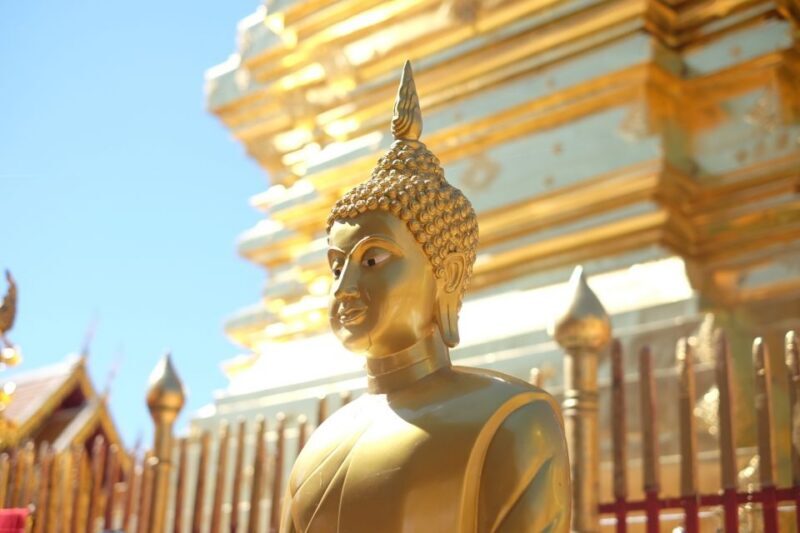
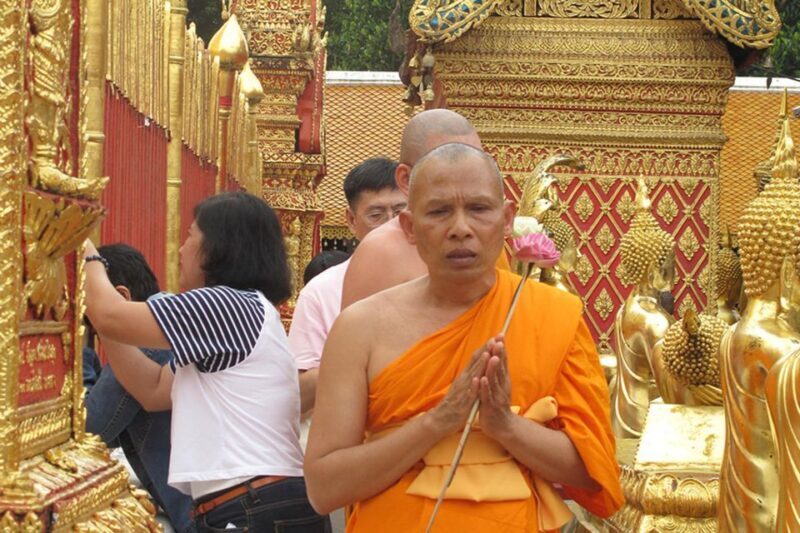
Wat Phra That Doi Suthep is the tour’s defining stop. The temple sits high above Chiang Mai and contains a holy relic of the Buddha. Your guide leads you around the sacred site and explains its Buddhist meaning and symbolism, giving the visit more substance than a quick circuit with a camera.
To reach the hilltop stupa, you can climb the famous 309 steps or take the included cable car. The stairs are part of the experience, but the choice is useful if you would rather save your energy for the temple grounds. This is not a good outing for anyone with significant mobility limits: the tour is not suitable for wheelchair users or people with mobility impairments, and the temple visit involves walking.
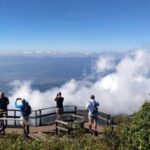
Take time on the temple terrace for the view over Chiang Mai and the surrounding area. On a clear day, it is one of the trip’s most memorable moments. Fog, rain or haze can soften or block the city view, so treat it as a bonus rather than a promise. Haze has affected visibility at times, particularly in certain seasons, and the weather is outside the tour operator’s control.
At the temple, the guide’s role is especially valuable. Several guides, including Pae, Pookie, Tui and Nut, have been praised for explaining Buddhism, Thai history and the meaning of temple details in fluent English. Some have also helped with photos, which is handy when you want a picture together rather than one person standing behind the camera.
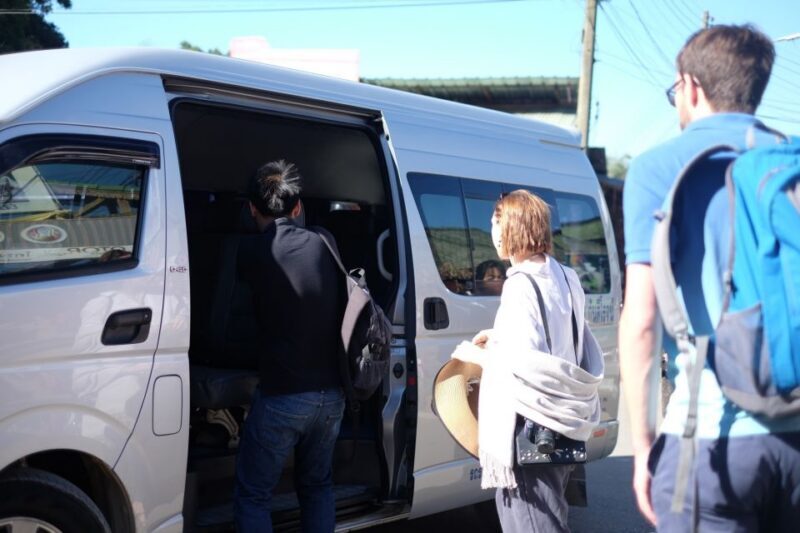
The minivan ride takes about 45 minutes each way, along mountain roads that wind through the park. The driver’s skill matters here, and visitors have repeatedly valued careful driving on narrow, steep sections. Air conditioning is a welcome comfort, especially after walking in warm weather; drinking water and a refreshing towel are included.
The group is limited to nine people, but it may be smaller. Occasionally, a booking has turned into a near-private outing when other participants did not attend. The operator has sometimes run the tour for just one couple or a solo visitor, rather than cancelling, though the stated policy allows cancellation if fewer than two people are attending that day.
A guide can also make the drive feel like more than a transfer. Some have talked about the places along the route and answered questions about northern Thailand before the group reaches the village or temple. The exact guide varies, so do not book expecting a particular person. The names associated with this outing include Pae, Pookie or Ponnkie, Tui, Nut, Lin and Mae, among others.
More Great Tours Nearby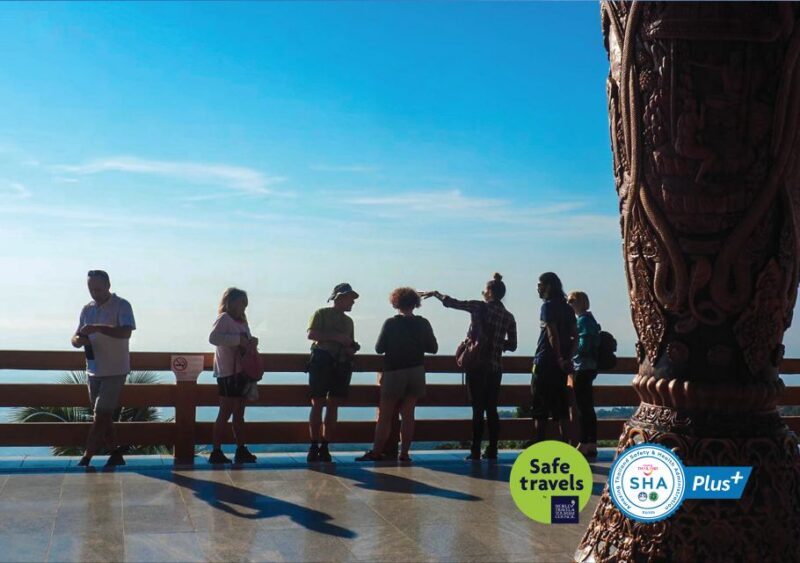
Dress for the temple, not just the van. Shoulders and knees must be covered, and shorts and sleeveless shirts are not allowed. Long pants and a long-sleeved shirt are on the recommended packing list; comfortable shoes are a sensible choice for the village walk and temple steps.
The outing is not suitable for people with back problems, heart problems or mobility impairments, or for wheelchair users. It is also not a pet-friendly activity. If you have a health concern that could make a mountain drive or walking difficult, consider whether a four-hour group outing is right for you.
The tour offers free cancellation up to 24 hours in advance and a reserve-now, pay-later option. The voucher is valid only for the date specified, and the operator may cancel if fewer than two people are booked. These terms give you some flexibility, but check your final booking details before you set your day’s plans.
For $36, I consider this solid value if you want both Doi Suthep and Doi Pui in one manageable outing. Transport, an English-speaking guide, entry fees, the cable car, water and a towel are included, so the main extra costs are any purchases or personal expenses. You also avoid figuring out the mountain transport on your own.
The strongest reason to book is the combination of places and explanation. Doi Suthep gives you a major religious site and a city overlook, while the village adds a different cultural perspective. If you have already visited several large Thai temples, the temple itself may feel less novel, but the guide’s Buddhist context and the mountain view can still make the stop worthwhile.
This trip suits first-time visitors who want a guided introduction to two major sights, people with only a half-day to spare, and anyone who prefers a small group over a large bus. It also works well early in a Chiang Mai stay, when a guide’s overview of local culture can help you make sense of later visits.
Book it if you value practical transport, a guide who can explain what you are seeing, and a compact mix of temple and village. Skip it if you want an unhurried, extended visit to either place, dislike market stalls, or need a fully step-free outing. And keep expectations flexible: the temple is impressive in any weather, but the far-reaching view depends on visibility.
“We booked a small group tour, but ended up just the two of us plus the guide and the driver. Sort of a private tour. Our guide Pae was most helpful…”
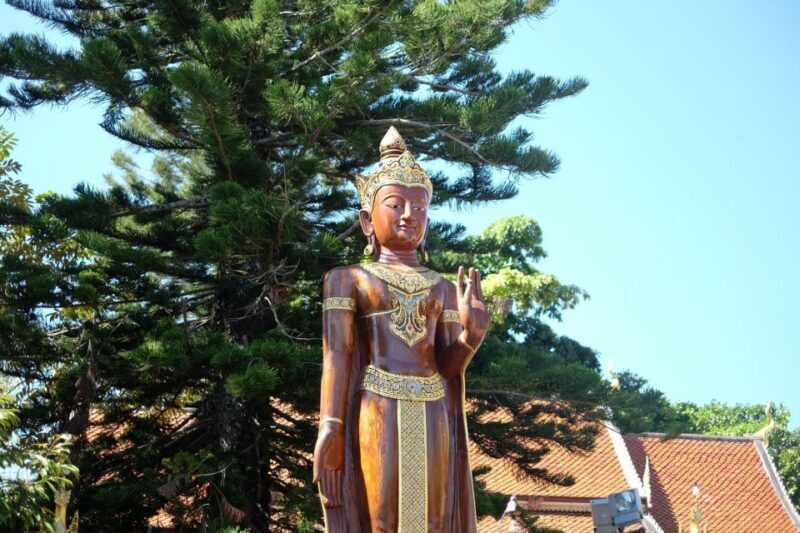
The tour lasts four hours. The minivan drive takes about 45 minutes each way, with visits to Doi Pui Hmong Village and Wat Phra That Doi Suthep.
There are morning and afternoon departures. Hotel pickup is scheduled between 8:00 and 8:30 a.m. or between 1:00 and 1:30 p.m.
Yes. Pickup is from your hotel lobby in Chiang Mai, provided it is within six kilometres of the Three Kings Monument.
The small group is limited to nine participants. The tour may run with fewer people, but the operator can cancel if at least two participants are not attending that day.
Yes. The temple entry fee and cable car are included, as is admission to the Doi Pui hill tribe museum. You can climb the 309 steps instead of taking the cable car.
Wear comfortable shoes and clothing that covers your shoulders and knees. Shorts and sleeveless shirts are not allowed for the temple visit.
No. It is not suitable for wheelchair users or people with mobility impairments. It is also listed as unsuitable for people with back problems or heart problems.
You can cancel up to 24 hours in advance for a full refund. The voucher is valid only for the date specified.
You can check availability for your dates here: