Physical Address
304 North Cardinal St.
Dorchester Center, MA 02124
Physical Address
304 North Cardinal St.
Dorchester Center, MA 02124

See Arashiyama, Nara’s deer and Fushimi Inari in one guided day trip, with an optional Kobe beef lunch and air-conditioned bus.
A single day links three very different sights: Arashiyama’s bamboo grove, Nara’s roaming deer and the red gates of Fushimi Inari. I like that the bus connects places that would take more planning to combine independently, and that you get time to explore rather than just stepping off for a photograph.
I also like the choice of an optional Japanese lunch, including Kobe beef shabu-shabu, sukiyaki or a beef rice bowl. The main trade-off is a long, tightly timed day: you’ll see a lot, but you can’t linger at every stop, and traffic or weather may affect the schedule.
This tour is best understood as a sampler, not a slow visit to Kyoto and Nara. You’ll see a bamboo grove, a historic temple district, deer in a broad park and a major Shinto shrine, all in one outing. That range is its main appeal, especially if your time in the area is short.
The route also makes practical sense. Arashiyama, Nara and Fushimi Inari are separate destinations, and reaching all three by public transport means keeping an eye on connections and departure times. On the tour, the bus handles the transfers while a guide explains the plan and sets return times at each stop.
The group has been operating for more than a decade, and the overall rating is 4.5 from 935 reviews. The most consistently praised element is the guide: names that come up include Nick, Harry, Eric, Gary and Mike. People value guides who give cultural context, make the schedule clear, answer questions and then let you explore on your own.
That last balance matters. A guide can help you understand what you’re seeing, but nobody needs a running commentary at every turn. The format allows you to follow the guide for orientation, then use your free time as you like.
Looking for more options in Kyoto? Here are some other experiences worth considering.
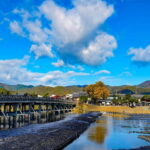
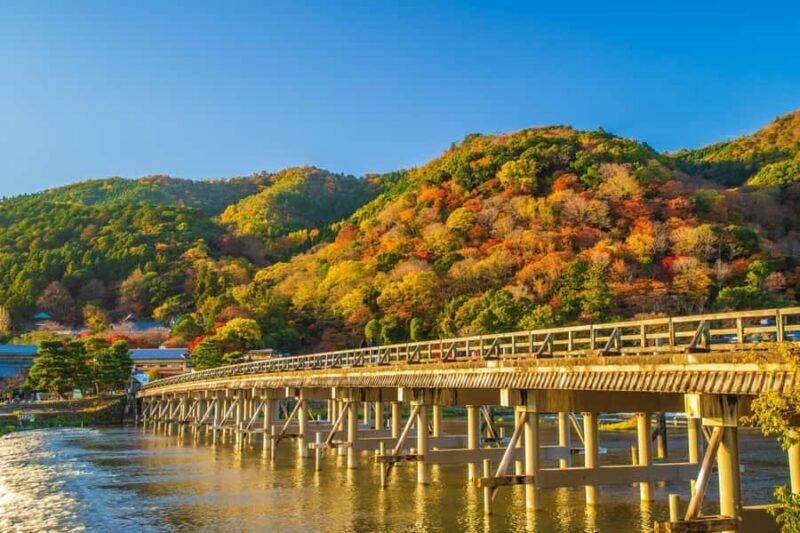
Arashiyama is the first big stop and the most varied. The area’s planned sights include the Bamboo Forest, Tenryu-ji Temple, Togetsukyo Bridge and Kimono Forest. Allow around 2 hours and 40 minutes for the Arashiyama portion of the day, though that time covers several sights and the schedule may shift.
The Bamboo Forest is a striking place to walk beneath tall, close-set stalks. It is also one of Japan’s most photographed spots, so don’t expect a private woodland stroll. Crowds can thin the sense of calm, and some visitors find the grove shorter or busier than they imagined. I’d enjoy it for the atmosphere and the unusual scale of the bamboo, while keeping expectations realistic about having the path to yourself.
Tenryu-ji adds a temple visit to the outing, while Togetsukyo Bridge gives you a different view of the district. Kimono Forest is another photo stop. Together, these sights make Arashiyama more than a quick bamboo detour, though you’ll need to decide what deserves your attention first.
There is a 50-minute lunch stop at a restaurant in Arashiyama. If you select the meal option, the choices include Kobe beef served as shabu-shabu, sukiyaki or a beef rice bowl, as well as pork shabu-shabu. Shabu-shabu is cooked by briefly swishing thin slices in hot broth; sukiyaki is simmered in a sweet and savory soy-based sauce. If you don’t choose the included lunch option, you can find your own food, but keep the return time firmly in mind.
The Kobe beef option is a reason to consider adding lunch, especially if tasting Japanese Wagyu is high on your list. The tour information identifies the Kobe beef as A5 grade and says it is served at an authorized restaurant. You can choose among three familiar preparations, each offering a different way to enjoy the beef.
Several people have appreciated the meal as part of the day, with shabu-shabu and the traditional restaurant setting mentioned in particular. One account describes a 100-year-old home used as a dining space. That detail may not apply to every group or seating arrangement, so treat it as a possible setting rather than a promise.
The meal is optional, which gives you flexibility. If you’d rather choose your own lunch, you can do so during the scheduled stop. The trade-off is that 50 minutes is a fixed window, so you’ll want to be prompt and avoid turning lunch into a long independent outing.
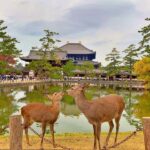
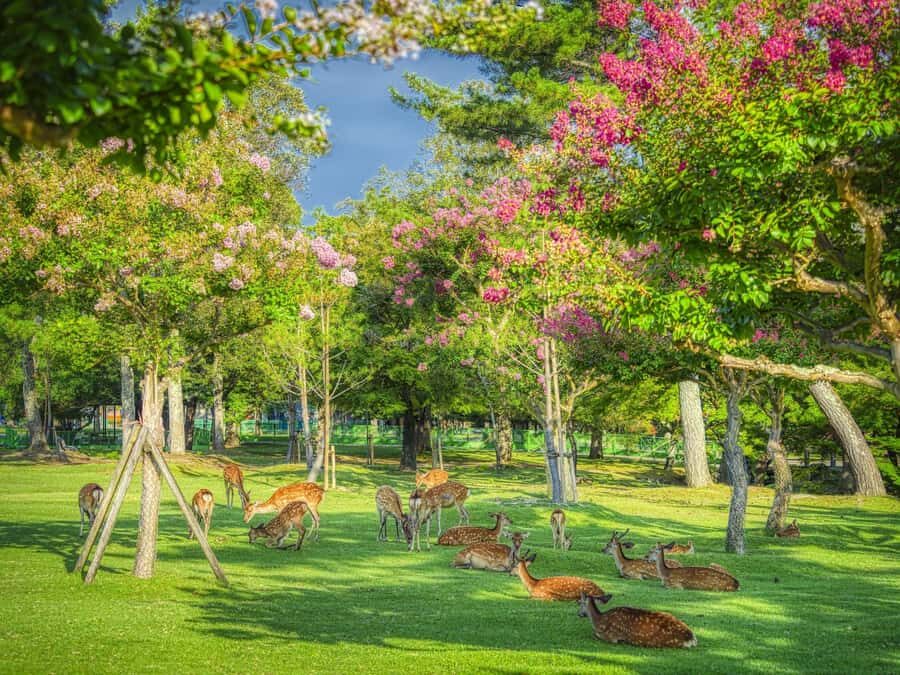
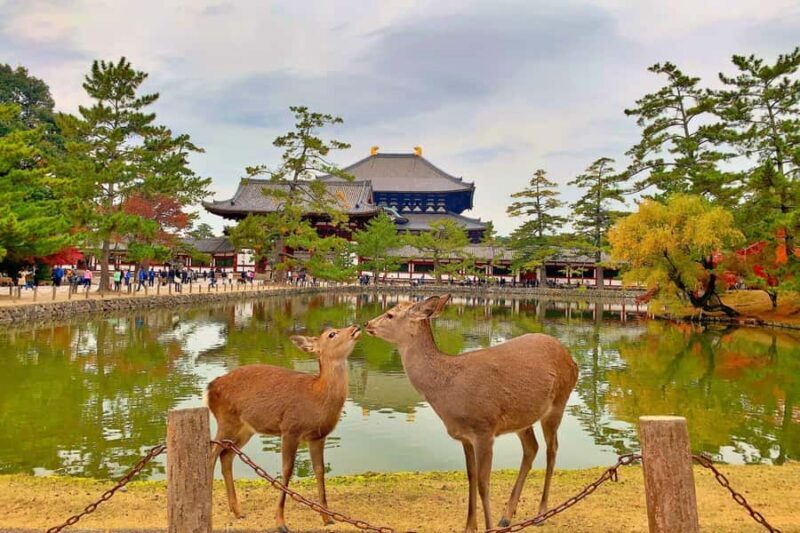
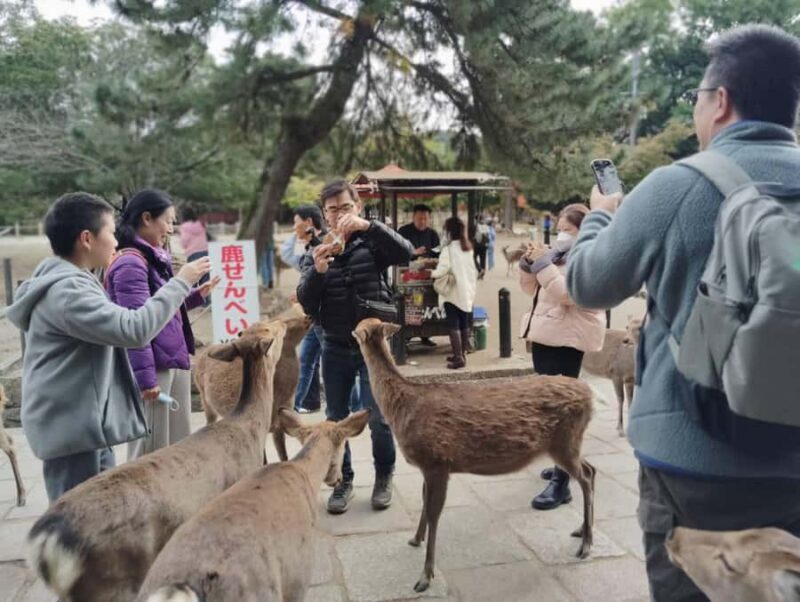
Nara changes the pace. Deer roam freely around Nara Park, a broad green area with historic temples nearby. Feeding them is a popular part of the visit, and the deer may approach when they see food. They are wild animals, so follow the guide’s instructions and don’t tease or disturb them.
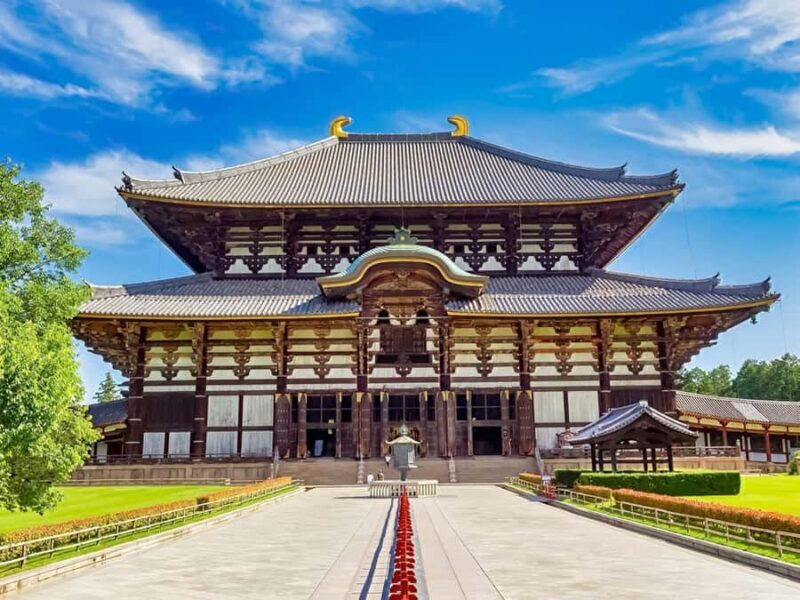
The park stop lasts about 80 minutes, including time to see Tōdai-ji Temple. The temple is a UNESCO World Heritage Site and is described as the world’s largest wooden structure. Its Great Buddha is an imposing figure, and seeing it in person gives the visit a strong historical and spiritual focus beyond the deer.
You’ll need to use this time thoughtfully. The park and temple are not a single quick photo stop, and the temple visit can take a substantial part of your allotted time. If you want to see Tōdai-ji, don’t spend the whole stop with the deer. If the deer are your priority, you can keep the temple visit brief, but check the agreed meeting time before wandering.
The deer are a delight, but they are not tame pets. Keep a respectful distance, don’t chase them, and be mindful of the food in your hands. The tour’s emphasis on safety is useful here, particularly for families with children.
More Great Tours Nearby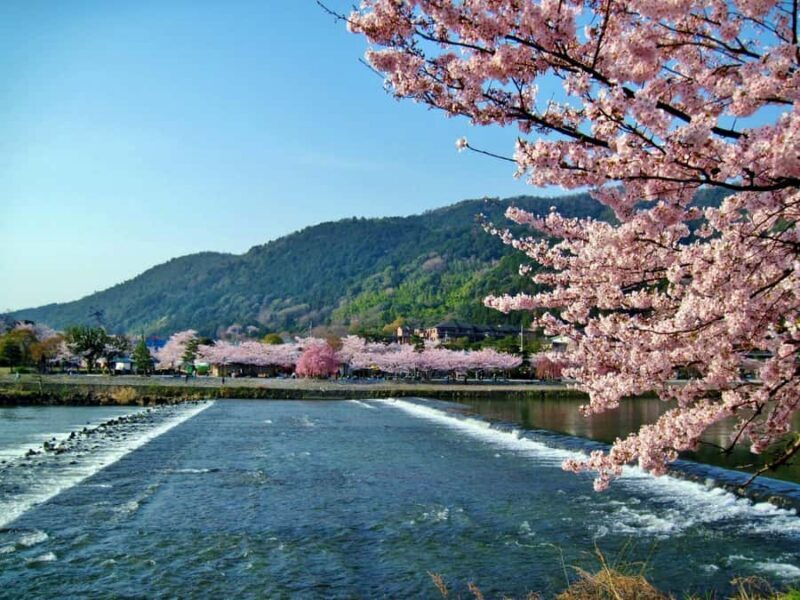
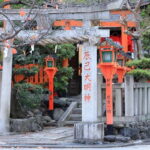
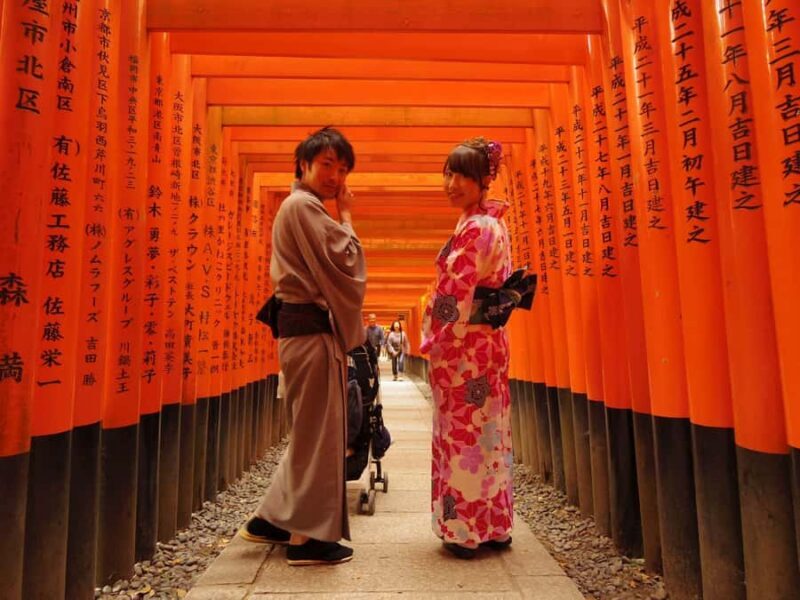
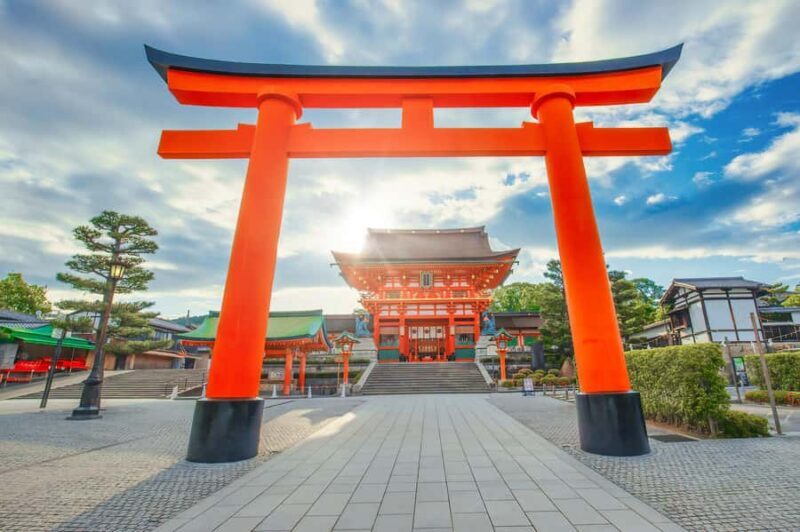
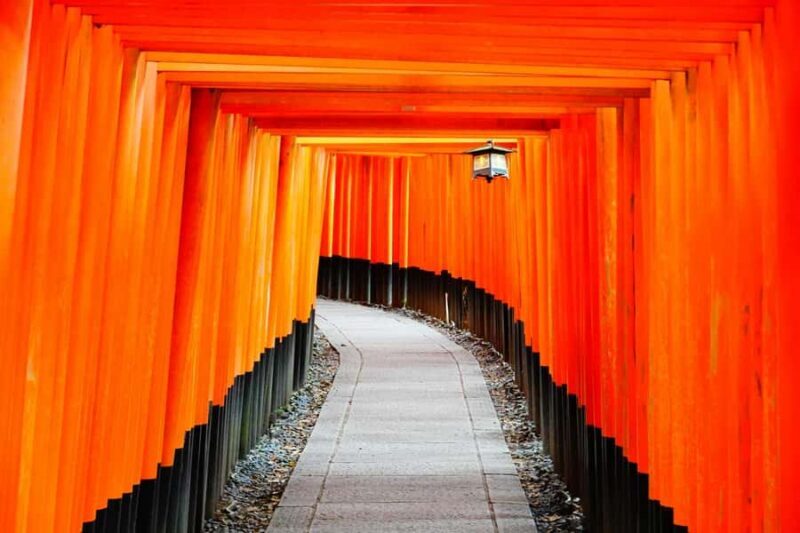
The final major stop is Fushimi Inari Taisha, one of Japan’s best-known Shinto shrines. Its rows of vermilion torii gates form a tunnel along paths on Mount Inari. Each gate represents a prayer for prosperity, success or protection, giving the repeated pattern a meaning beyond its striking color.
You get about 80 minutes here. That is enough to enter the shrine grounds and walk beneath the gates, but it may not be enough for a long hike up the mountain and back. Some guides help you understand shrine customs and how to receive blessings; use their initial explanation to make your own visit more rewarding.
The tour often reaches Fushimi Inari later in the day, and the light can be fading by then. That timing can give the shrine a different mood, but it also makes punctuality important. If you want to explore farther, check how much time remains and set a firm turnaround point.
The guide may offer a route or photo tips, but you can choose to explore independently. One useful feature of the return arrangements is that you can finish in either Kyoto or Osaka, subject to the booked option and the group schedule. If you’re staying near the shrine, ask the guide before leaving the group; any change needs to fit the day’s plan.
The tour runs about 9 to 10 hours, with an air-conditioned bus between stops. That is a long day, but the bus removes several transfers and gives you a place to rest between walks. In summer heat or wet weather, a cool ride and a clear schedule can make a real difference.
Guides speak English or Chinese, and commentary may use both languages depending on the group. English ability can vary by guide, so if detailed explanations are important to you, it is worth keeping that in mind. Many guides are praised for combining history and cultural notes with humor, and for giving clear instructions about when to return to the bus.
The experience is not a private tour. You’ll be part of a group and need to follow the departure times. The bus leaves promptly, and it cannot wait for late arrivals. Make a note of the meeting point and return time at each stop rather than relying on memory while you’re taking photos.
Traffic and severe weather can affect the route. The day is usually around nine hours, but delays or other unforeseen conditions can change the timing. Stops may be changed or skipped if visiting becomes difficult or unsafe, so this is not the best choice if you need a fixed arrival time at the end of the day.
At $52 per person, the tour offers a practical way to connect three major sights, with transport and a live guide included. The price is especially attractive if you would otherwise pay for multiple train journeys and spend time planning the transfers. Lunch is included only when you select that option, so check the chosen package before you book.
The real value is not simply the number of stops. It is the combination of transport, orientation and enough free time to make each place your own. You won’t get a leisurely half-day at Arashiyama or a long hike at Fushimi Inari, but you can experience the main character of each destination in one day.
For a first visit, that can be a fair trade. If you have several days in Kyoto and Nara, you may prefer to visit independently and give each area more time. If you have one open day and want a broad introduction without coordinating multiple routes, the tour earns its price.
I’d consider this tour if you’re based in Osaka or Kyoto, have limited time and want a guided overview of the region’s headline sights. It suits people who enjoy a full itinerary, families who want the convenience of bus transport, and anyone who likes a guide to explain local customs before setting off to explore.
It is less suited to slow-paced sightseeing. The stops are long enough to see key features, but not long enough to linger everywhere, and the day involves walking at several sites. If you have mobility concerns, check the route and walking demands before booking rather than assuming every part will be easy.
Book it for variety and convenience, not for solitude. The bamboo grove and shrine gates can be crowded, the deer can be lively, and the schedule is firm. Bring comfortable walking shoes, water and a plan for which sight matters most to you.
“Amy was the best guide and have us heaps of inside knowledge also very funny and a good Photographer”
The tour takes about 9 to 10 hours. The exact duration can vary with traffic or other unforeseen conditions.
Yes. The tour offers starting options in Osaka and Kyoto. The meeting point depends on the option you book, so check it before departure.
The return journey offers drop-off options in Kyoto or Osaka. Check the options for your booking when you reserve.
The main destinations are Arashiyama, Nara Park and Fushimi Inari Taisha. The Arashiyama stops include the Bamboo Forest, Tenryu-ji Temple, Togetsukyo Bridge and Kimono Forest.
The planned visit is about 80 minutes at Nara Park and about 80 minutes at Fushimi Inari Taisha. Traffic and other conditions may affect the schedule.
Lunch is included only if you select the lunch option. The choices include Kobe beef dishes and local specialties such as pork shabu-shabu.
The listed Kobe beef preparations are shabu-shabu, sukiyaki and a beef rice bowl. The lunch option also includes a pork shabu-shabu choice.
Live guides speak English or Chinese. Depending on the group size, commentary may be given in both languages.
Feeding the deer is part of the experience, but the deer are wild animals. Don’t disturb them, and follow the guide’s safety instructions.
The itinerary may be changed or parts may be skipped if a location is difficult or unsafe to visit. If the tour is canceled because of extreme weather or a natural disaster, you receive a refund.
You can check availability for your dates here: