Physical Address
304 North Cardinal St.
Dorchester Center, MA 02124
Physical Address
304 North Cardinal St.
Dorchester Center, MA 02124

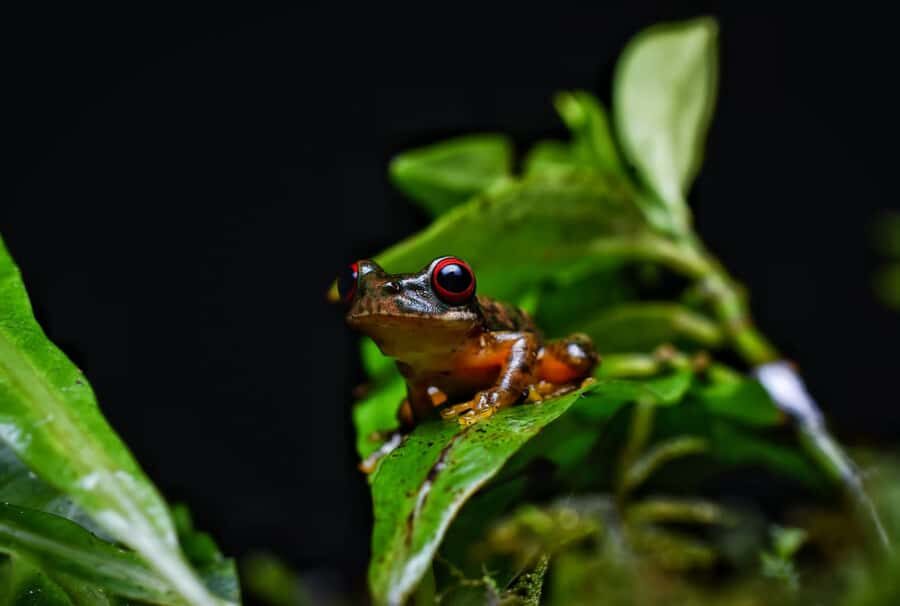
Follow a local guide through Monteverde’s Kinkajou Forest after dark to spot sloths, kinkajous, tarantulas and sleeping birds.
After dark, Kinkajou Forest shifts from a quiet stretch of Monteverde greenery into a search for moving sloths, kinkajous in the treetops, tarantulas and birds asleep on their branches. I like two things in particular: a guide helps you spot wildlife you would likely walk past, and the small group limit of eight gives everyone a better chance to see what has been found.
The tour also includes hotel pickup and drop-off, a useful extra in Monteverde’s cool, wet evenings. One consideration: wildlife is wild, not scheduled, so sightings can vary. The walk runs in rain or shine, and muddy or slick conditions are possible.
Monteverde is known for its cloud forest, but a night walk changes what you notice. You are not simply looking at familiar scenery in dim light. You are listening for movement, checking leaves and branches with a flashlight, and learning to look for eyeshine, shapes and small details that blend into the dark.
The reserve’s mix of endemic trees and fruit trees gives the walk useful variety. One area provides a different kind of habitat from the other, and the fruit trees offer food as well as cover for local wildlife. The experience is less about covering a long distance than slowing down and seeing what is active around you.
The tour’s description says that more than 75% of the wildlife becomes active in the evening. That helps explain why a short night walk can produce sightings that a daytime stroll might not. It does not mean every animal will appear on every outing, but it does make the dark hours a worthwhile time to look.
You can check availability for your dates here: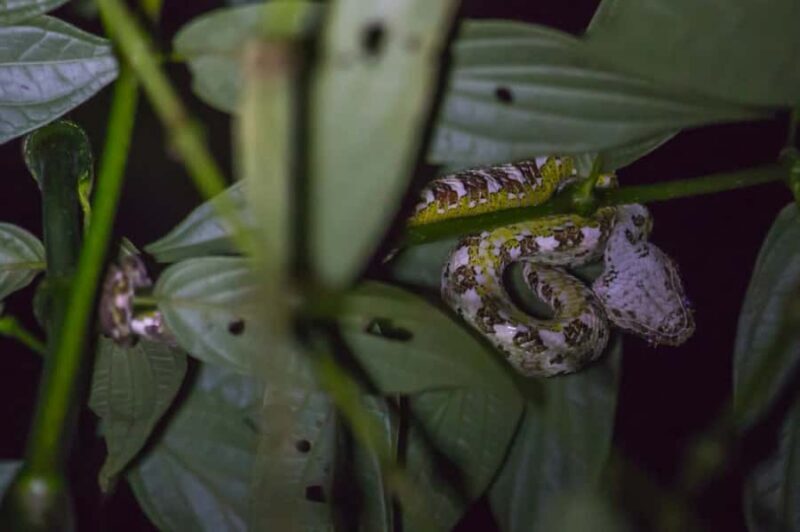
The experience begins with pickup from your accommodation, followed by a guided walk in Monteverde and a return transfer. The pickup list covers many hotels, hostels and visitorhouses around the area. Still, coverage depends on where you are staying: the provider asks visitors at accommodations near Santa Elena to confirm pickup availability by email or WhatsApp.
Be ready in your hotel lobby around 10 to 20 minutes before the scheduled pickup. That small buffer matters when several pickups are being coordinated. Some reports of the transfer describe a smooth ride, while one account noted a change in the expected pickup timing. I would confirm the time and location with the provider before the evening, rather than rely on assumptions.
Once you reach Kinkajou Forest, the guide leads the group along the private reserve’s paths. The walk lasts about 90 minutes, and your guide supplies the local context and helps you find wildlife. The group limit is eight, a practical size for a dark trail: fewer people crowding around each sighting means more room to take a look.
The tour is available in English and Spanish. Specific guides vary, but names visitors have encountered include Steven, Fabian, Josué, Daniella and Bernard. Guides have been praised for explaining what the group sees, spotting animals and helping people get a clear view. Some also help with photos, so you can spend less time fumbling with a phone and more time looking.
Sloths are a major draw, and the forest can offer the chance to see them at night, sometimes with a baby. A moving sloth is especially rewarding because the animal’s slow pace makes its movement easy to overlook during the day. But sightings are never guaranteed, and even a stationary animal can be difficult to pick out without help.
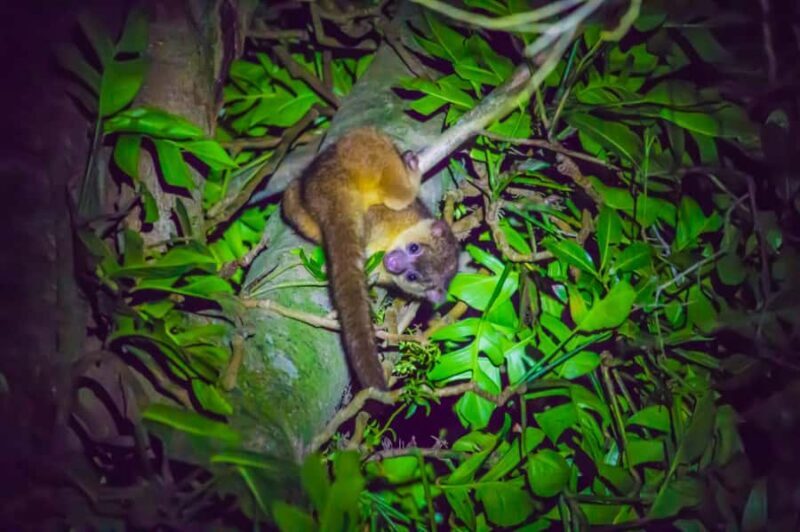
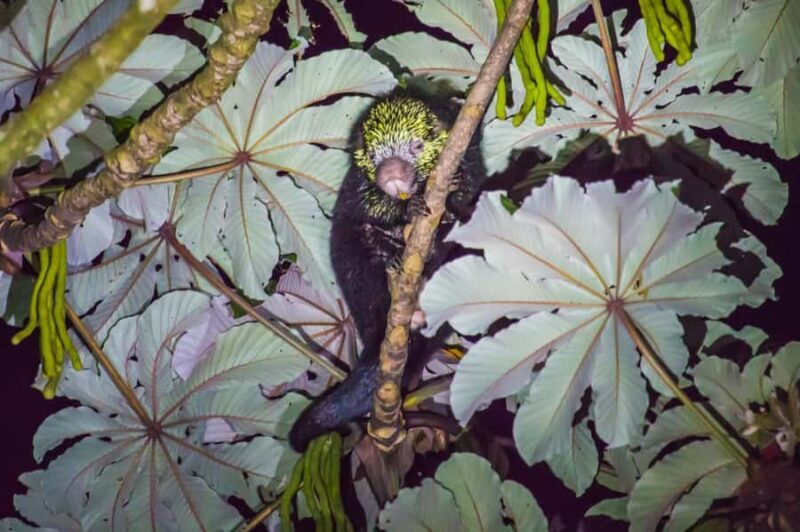
Kinkajous are another possible highlight. These nocturnal mammals may be seen in the treetops, where a guide can direct your attention to a shape or movement you might not catch on your own. Recent outings have also turned up armadillos, porcupines and agoutis, though the exact mix depends on what is out that evening.
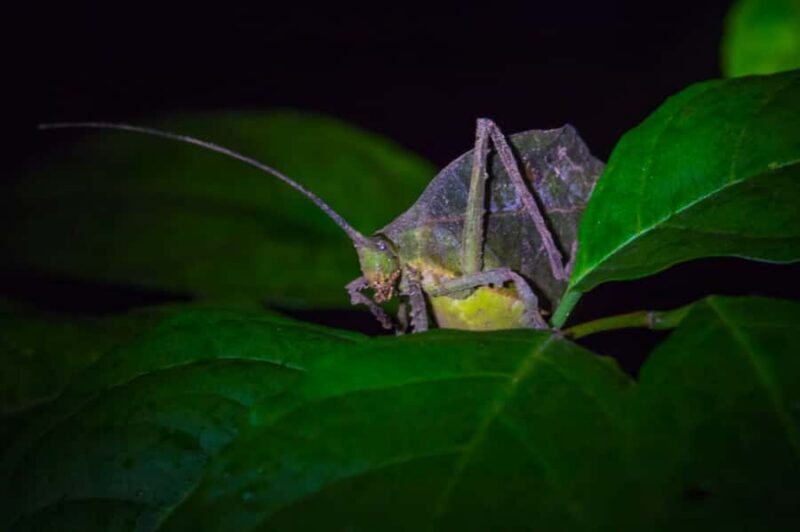
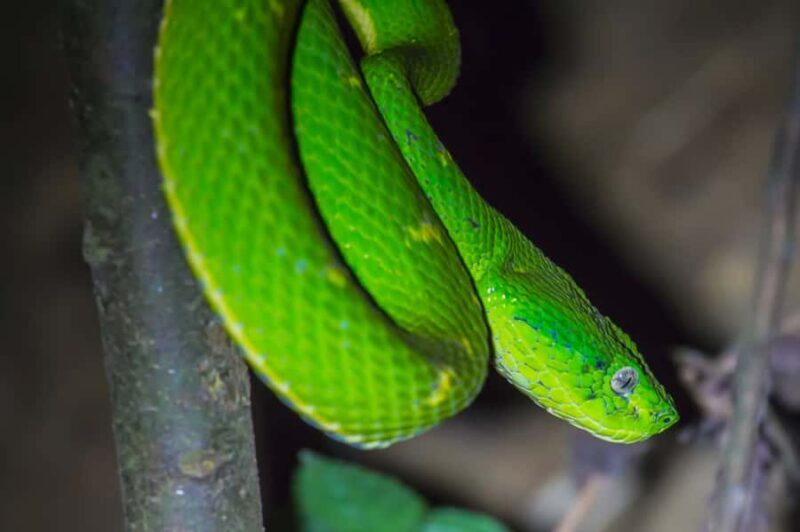
Look carefully at the smaller things, too. Guides may point out tarantulas, snakes, frogs, scorpions, insects and other invertebrates. Some scorpions can be viewed under ultraviolet light, making this a particularly memorable part of the search. If spiders make you uneasy, know that tarantulas and other spiders are among the possible sightings. You can still enjoy the walk, but you should not book expecting a spider-free forest.
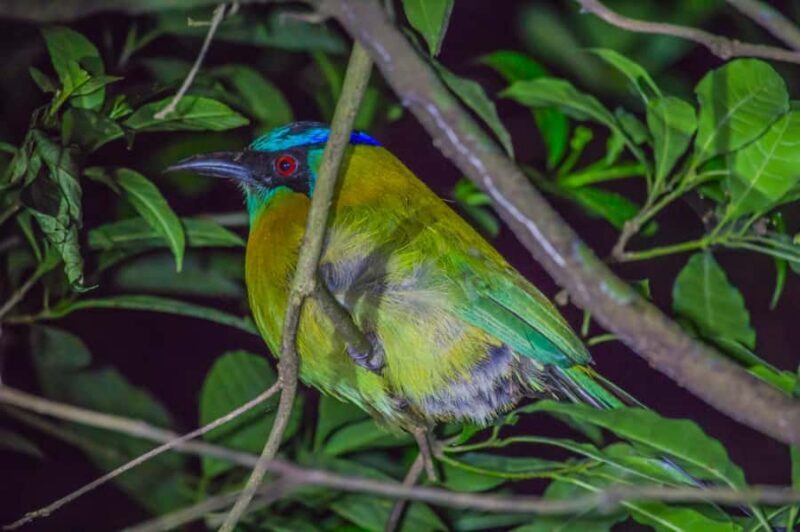
Birds are part of the nighttime picture as well. You might see sleeping birds, including toucans roosting on branches. There is something quietly surprising about seeing a familiar bird settled in for the night rather than flying through the daytime canopy. The point is not just to tick off species: a guide can explain how the forest’s evening activity differs from what you notice in daylight.
The selection of animals changes from walk to walk. A few outings have produced a long list of sightings, while the forest’s appeal does not depend on a guaranteed parade of creatures. Keep your expectations open, and let the guide set the pace. The pleasure is in learning where and how to look, as much as in seeing a particular animal.
In a night forest, expertise is not a bonus. It is the difference between walking past a camouflaged animal and having someone quietly point it out. Guides such as Fabian, Steven and Josué have been singled out for their ability to spot wildlife and explain what the group is seeing. Several have also been described as patient and careful about making sure everyone gets a turn.
That last part matters. A good wildlife sighting can draw the whole group into one small patch of trail, and people can easily block one another or linger too long. Some guides manage this by keeping the group moving, taking a photo through a scope or binoculars for the group to share, or positioning people in turn. The approach helps protect the animal and gives everyone a fair look.
The walk is also an introduction to local flora, not just a hunt for animals. Your guide can point out plants as you go and explain how the forest provides food and shelter. If you enjoy asking questions, this is a good setting for them: the experience is small enough to make conversation possible, and the guide’s explanations give the sightings more meaning.
Ninety minutes is long enough to settle into the rhythm of looking, without turning the outing into an all-night commitment. It also makes the walk easy to fit around other Monteverde plans. A few accounts have described a tour that felt shorter than expected, so it is best to treat 90 minutes as the approximate length rather than a promise of an exact finish time.
The small-group cap is another practical strength. At up to eight participants, you are less likely to be stuck behind a large crowd when the guide finds an animal. More than one group may be in the reserve at the same time, and the area may feel busy at certain moments. Still, the limit helps keep your own group manageable.
The guide’s flashlight is part of the experience, and the tour does not permit flash photography. That rule protects wildlife from bright flashes and keeps the group focused on watching rather than trying to capture every moment. If photos matter to you, ask your guide what works, and be ready to put the camera away when the best view is with your own eyes.
More Great Tours Nearby
Monteverde can be cold, windy and wet, and the tour runs regardless of rain. Bring comfortable clothes and shoes, as requested, and dress for an evening outside. Wet weather has not stopped wildlife sightings, but it can make the walk less comfortable and the trail more slippery.
One especially useful tip: avoid a rain poncho that hangs over your view of your feet. On uneven or slick ground, being able to see where you step is more helpful than keeping a loose layer in front of your knees. Choose rain gear that lets you watch the path, and move carefully.
Flash photography is not allowed, and alcoholic drinks are not allowed in the vehicle. Food and drinks are not included, so plan accordingly if you need a snack or something to drink before or after the tour. The provided details do not specify trail difficulty or accessibility, so contact the provider if you need to check whether the walk suits your mobility needs.
At $32 per person, the price covers the entrance ticket, a guide, the 90-minute night walk and hotel pickup and drop-off. That makes the cost easier to justify than a walk where you must arrange your own transport and entrance separately. If you are staying in an accommodation with confirmed pickup, the transfer can save time and make an evening outing simpler.
The strongest value is the guide’s role. Without one, you may see a dark trail and a few rustling leaves. With one, you have a better chance of finding animals and learning what you are looking at. The sightings are not guaranteed, so value depends partly on whether you enjoy the search itself, not just a checklist of animals.
You can reserve now and pay later, and cancellation is available up to 24 hours in advance for a full refund. Those terms offer some flexibility if your plans are not fixed. Check the available start times when booking, and confirm pickup directly if your accommodation is near Santa Elena.
I would put this high on the list if you want a short, guided wildlife outing and are curious about what a cloud forest does after dark. It suits visitors who enjoy spotting small creatures, listening to a guide’s explanations and taking their time. Families and first-time wildlife watchers may also appreciate having a guide manage the search and keep the group together.
It is less suited to anyone who wants a guaranteed sighting of a specific animal, dislikes spiders or is uncomfortable walking outside in wet weather. If you need detailed information about trail access, check with the provider before booking. The tour is best approached with curiosity rather than a strict wildlife wish list.
For a modest price, the combination of a local guide, a private reserve and transport makes this a practical evening activity. Book it if you are ready for a little darkness, a little mud and the possibility that a kinkajou or sleeping toucan will become the highlight of your Monteverde stay.
“Stephen was an excellent guide! He was so entertaining and informative. The excursion was definitely a highlight of our Monteverde experience.”
The guided walk lasts approximately 90 minutes.
The listed price is $32 per person.
Possible sightings include sloths, kinkajous, armadillos, porcupines, tarantulas, frogs, snakes, scorpions, insects and sleeping birds. Wildlife sightings vary.
Yes. Hotel pickup and drop-off are included, but you should confirm availability with the provider if your accommodation is near Santa Elena.
Wait in your hotel lobby around 10 to 20 minutes before your scheduled pickup time.
The live guide speaks English or Spanish.
The tour is limited to eight participants.
Bring comfortable shoes and comfortable clothes. The walk takes place rain or shine.
No. Food and drinks are not included. Flash photography and alcoholic drinks in the vehicle are not allowed.
You can check availability for your dates here: