Physical Address
304 North Cardinal St.
Dorchester Center, MA 02124
Physical Address
304 North Cardinal St.
Dorchester Center, MA 02124

Taste 13 Japanese dishes across four Shinjuku eateries, with a local guide, neighborhood history, and a lively introduction to Tokyo after dark.
Shinjuku’s narrow lanes and backstreet eateries can be hard to read on your first night in Tokyo. This three-hour food walk gives you a local guide, four stops, and a generous tasting of Japanese comfort food, all threaded through the nightlife districts that make this part of the city so memorable.
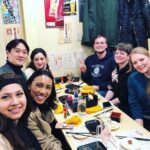
I like two things in particular: you get to try dishes you might not spot or order on your own, and the guide adds food customs and Shinjuku history to the meal. Past guides have included Daichi, Fu, Igor, and Sabina, but the assigned guide can vary.
One consideration: 13 dishes and two drinks make this a substantial meal, and the walk moves between several busy areas. Tell the operator about food restrictions ahead of time, and arrive hungry.
The meeting point is outside by the blue AOKI sign, next to Starbucks Nishiguchi on the west side of Shinjuku Station. Shinjuku’s station area is large and can be confusing, so check the map before you set out. If you need a landmark to ask about, Yodobashi Camera is nearby.
The guide contacts you through WhatsApp to help coordinate the meeting. Download the app before the tour and check for a message, rather than relying on a last-minute search around the station. It is a small practical step that can spare you a lot of circling.
The tour is in English and is designed as a walking introduction to the area as well as a meal. Expect to spend time on your feet, with food breaks along the way. The route is a good fit for an evening when you want to get oriented without planning each restaurant yourself.
For more Tokyo culinary adventures, you might enjoy these food and drink experiences
Golden Gai is one of the named stops, with about an hour of guided touring assigned to the district. Its compact lanes and small bars offer a very different feel from the wide streets and bright signs around the station. A guide can help you take in the area’s character and explain how it fits into Shinjuku’s nightlife.
This part of the walk is as much about place as food. You’ll hear stories and local details while moving through the neighborhood, rather than simply sitting down for a long restaurant meal. That context is useful in a district where a tiny doorway or tucked-away business can be easy to pass without noticing.
The time listed for each area does not mean that you will spend an hour continuously walking. The tour combines guided neighborhood time with meals across the route. Still, expect a steady evening of walking and eating, not a quick tasting with one long sit-down break.
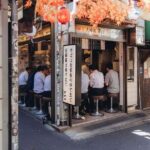
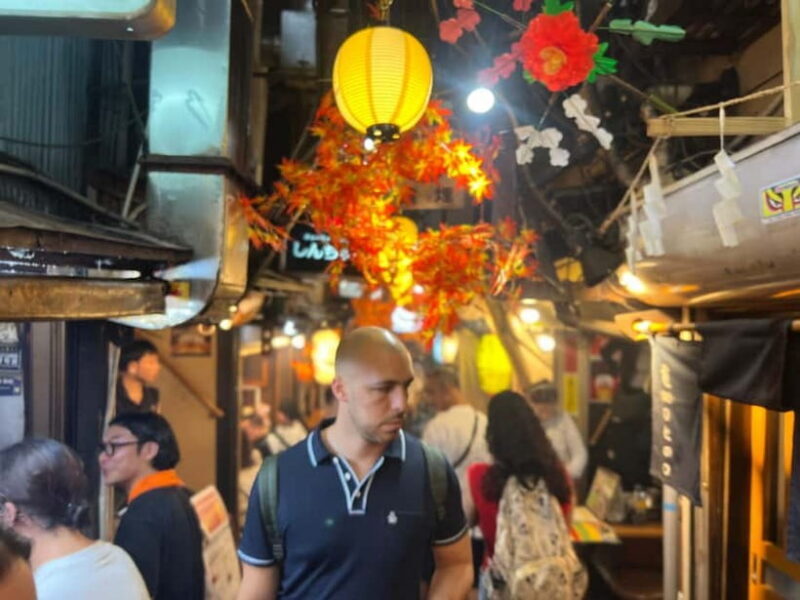
Omoide Yokocho, also known as Memory Lane, is another central stop. It is a narrow dining lane that gives you a view of a more intimate side of Shinjuku. One especially memorable detail from the area is its close-set row of eateries, a sharp contrast to the scale and pace of the larger station district.
The tour’s format helps here: your guide can provide background as you walk and help you make sense of local food and customs. You may not stop to eat in every place you pass. The food is served across four selected eateries, and the route includes different kinds of venues rather than promising a meal at every landmark.
If Omoide Yokocho catches your eye, make a note of it. You may want to return later and explore at your own pace. The tour gives you an introduction to the district; it does not replace the pleasure of wandering back through a lane that interests you.
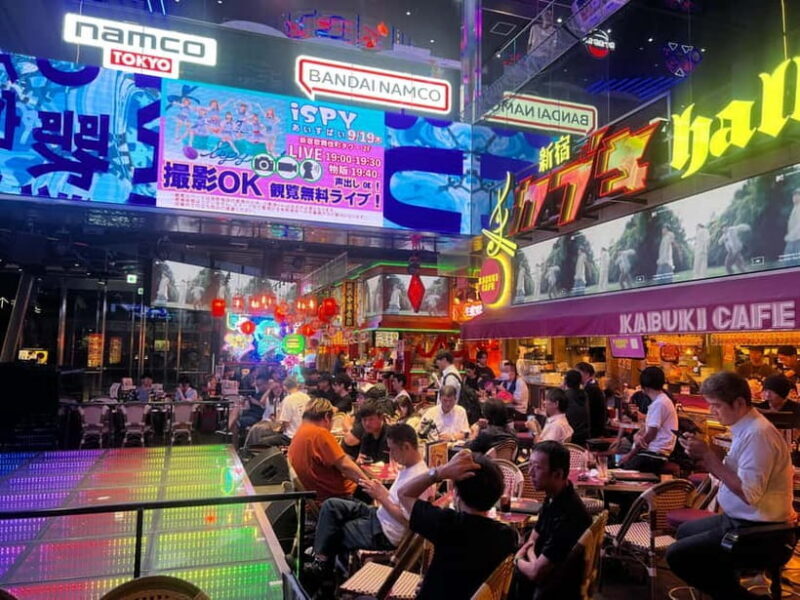
The route also includes Kabukicho, Shinjuku’s well-known nightlife district. Here, the guide can help put the surrounding streets and local customs in context. It makes a useful final chapter to the walk: you have seen quieter food lanes and smaller eateries, then finish in an area known for its evening energy.
Keep your expectations focused on a guided neighborhood walk with food, not a night out centered on bars or entertainment venues. The tour is built around Japanese dishes and local dining spots. The guide’s explanations help connect the food stops to the city around them, so the evening is more than a string of plates.
The itinerary returns to the original meeting point by the AOKI sign. If you have plans afterward, leave some breathing room. The advertised duration is three hours, and eating at several venues while walking through busy streets can make a tightly timed connection inconvenient.
More Great Tours Nearby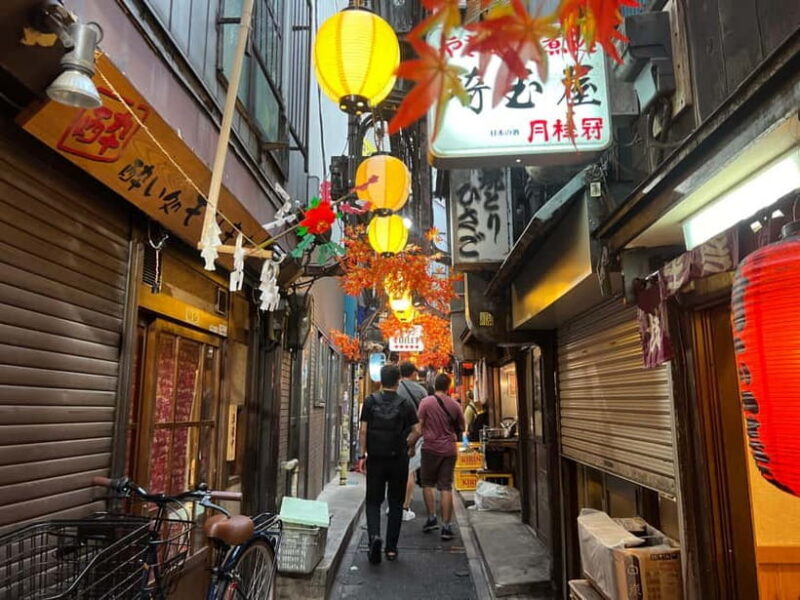
The included meal is described as 13 Japanese dishes at four eateries, along with two complimentary drinks. The title refers to 15 dishes, but the detailed tour information specifies 13; treat 13 as the dependable figure when deciding whether the meal is enough for you. Dish selection can change with the season, the restaurants, and what is available.
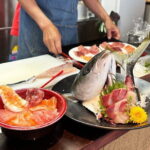
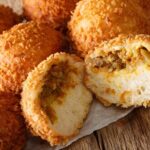
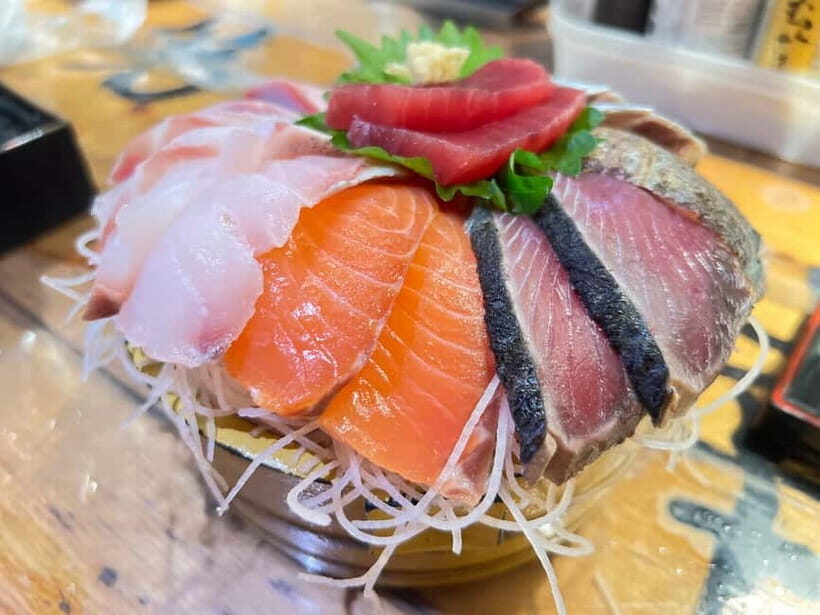
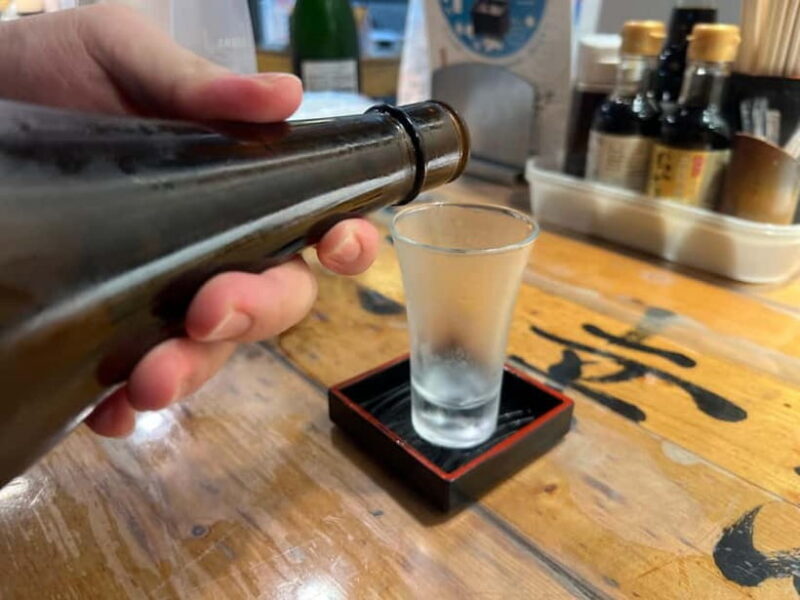
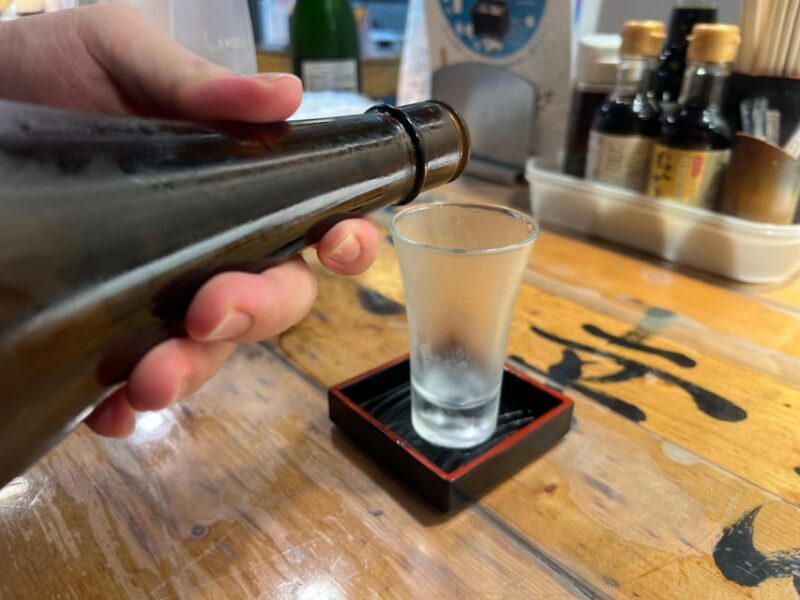
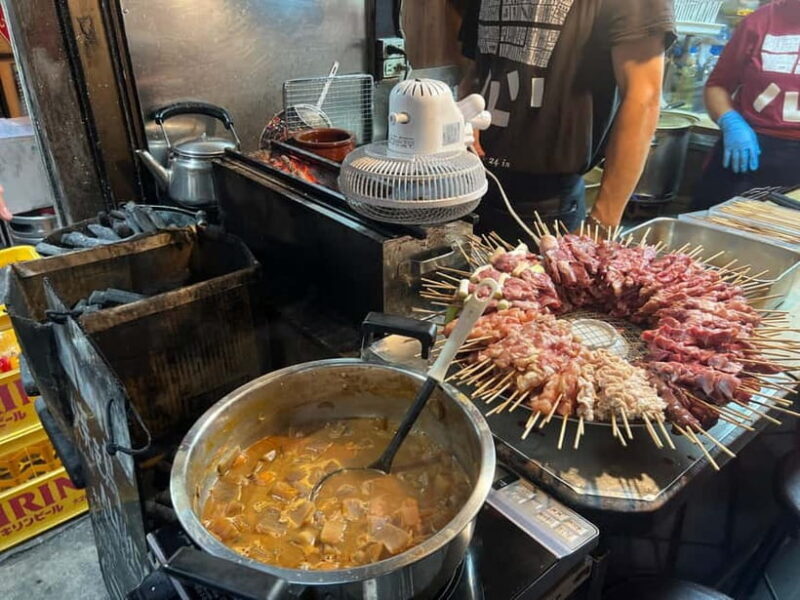
Expect variety rather than four versions of the same meal. Examples include sashimi, Japanese sake, tonkatsu (breaded pork cutlet), yakitori (grilled chicken skewers), and takoyaki (savory octopus balls). Specific dishes can differ, but the mix is intended to introduce you to several styles of Japanese comfort food.
The four venues are listed as a food stall, an izakaya, a traditional eatery, and a gastrobar. That range matters: you get a feel for different dining settings as well as different flavors. It is not simply a restaurant crawl of formal meals, and at least part of the experience may be more casual. Wear comfortable shoes and avoid eating a large dinner beforehand.
Two drinks are included, and the tour allows alcoholic or non-alcoholic choices. If you have a dietary restriction, let the operator know in advance. The information provided does not promise that every restriction can be accommodated, so share your needs early rather than assuming a dish can be swapped on the spot.
You might also be interested in these Tokyo experiences
A good local guide can turn unfamiliar food into an easy invitation to try something new. Guides on this tour explain dishes, local customs, and Shinjuku’s history, while also helping the group move through the area. The experience can vary with the person leading it, so you should not book on the assumption that a particular guide will be assigned.
Names associated with the tour include Daichi, Fu, Igor, Sabina, and Hina. The specific guide is not guaranteed. What matters most is the format: an English-speaking local host who can explain what is on the table and offer advice for the rest of your stay.
That personal touch is one of the tour’s stronger points. Food is a practical way to learn about a place, especially when a guide can explain why a dish is familiar to local diners or how it fits into regional customs. You also have someone to ask when a menu or restaurant setting feels unfamiliar.
The guide can offer suggestions for your Tokyo plans, too. That makes the tour especially useful early in a visit, when you are still getting your bearings and deciding where to eat or what part of the city to explore next.
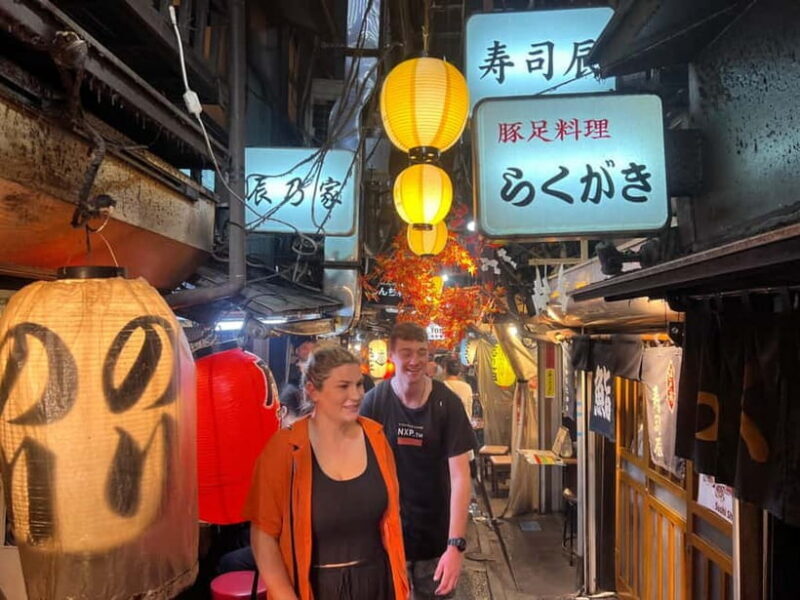
At $85 per person, this is not the cheapest way to eat in Tokyo. You can spend less by choosing your own casual meals. But the price includes four eateries, 13 dishes, two drinks, a guided walking tour, and local food and neighborhood explanations. If you would otherwise pay for several meals and a separate guided introduction, the package can make practical sense.
Value also depends on your appetite and curiosity. If you enjoy sharing small tastes and trying foods outside your usual order, the range is a real advantage. If you prefer one large, quiet meal or already know Shinjuku well, you may get less from a guided food walk.
The group setting is another part of the value. It gives you a ready-made structure for the evening and takes the pressure off finding places, placing orders, and working out what to try. The trade-off is that the route and timing are shared with the group, rather than built around your personal pace.
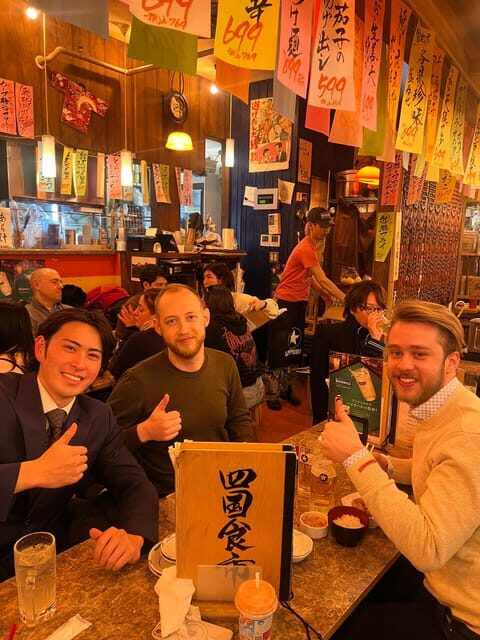
I’d consider it for a first or early evening in Tokyo, especially if you want to learn how Shinjuku’s food districts fit together. It suits curious eaters who like local comfort food, want a guide to explain unfamiliar dishes, and are happy walking between stops.
Families can also find it suitable. The tour has worked for families with children, and the mix of foods can make for an engaging evening. Still, the meal includes dishes that may be new to younger eaters, and the guide should be told about food restrictions in advance.
You might prefer to skip it if you have a very limited diet, dislike eating in a group, or want a carefully specified menu. Since dishes depend on season and restaurant availability, you should view the examples as possibilities, not a fixed tasting list. The tour is also less suited to anyone who wants to spend most of the evening seated in one place.
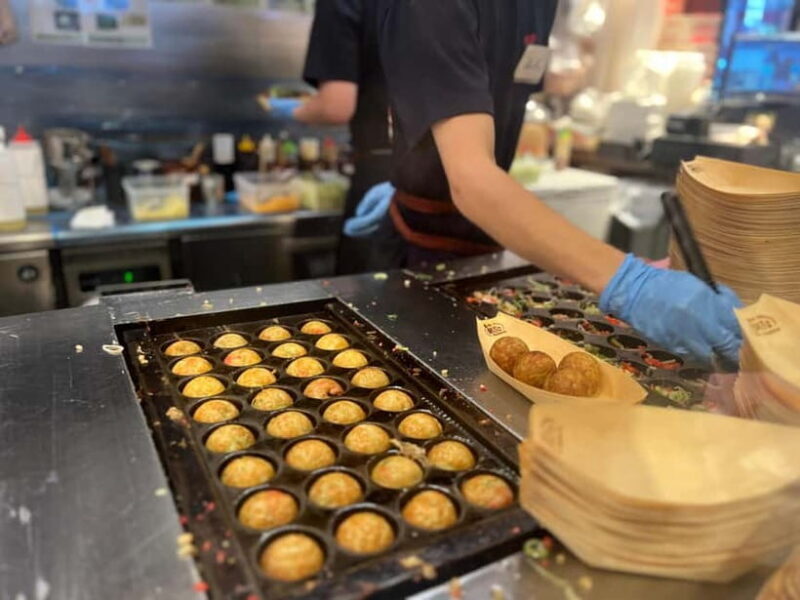
Check availability for your preferred starting time, and give yourself a little flexibility afterward. The tour lasts three hours, but the pace depends on walking, group needs, and the meal stops.
Download WhatsApp before the tour so the guide can contact you about meeting up. Check the meeting point in advance, and plan to arrive at the west side of Shinjuku Station by the blue AOKI sign beside Starbucks Nishiguchi. Comfortable walking shoes and an appetite are the practical essentials.
Book this tour if you want to eat widely, learn as you go, and see several sides of Shinjuku in one evening. Its best value lies in the combination: four kinds of eateries, a broad tasting, and a local guide who can explain the food and streets around you.
Skip it if you would rather choose every dish yourself or need a guaranteed menu. For most curious eaters, though, it is a useful and enjoyable way to get past the obvious choices and start a Tokyo visit with a better sense of where and how locals dine.
“It was really nice to taste the different foods. The things Blake told us about the food and Tokyo were really nice. Would book a tour with him again!”
The tour is scheduled for three hours and includes walking, guided time in three Shinjuku districts, and food stops.
The detailed tour information specifies 13 Japanese dishes at four eateries. The tour title refers to 15 dishes, so check the current details when booking if the exact count matters to you.
Examples include sashimi, Japanese sake, tonkatsu, yakitori, and takoyaki. Dishes depend on season and restaurant availability.
Yes. Two complimentary drinks are included, with alcoholic and non-alcoholic options.
Meet outside by the blue AOKI sign, next to Starbucks Nishiguchi on the west side of Shinjuku Station. Yodobashi Camera is a nearby landmark.
Yes. The tour has a live English-speaking guide.
Advise the operator about any food restrictions you have. The dishes are subject to availability, so share your needs before the tour.
You can check availability for your dates here: