Physical Address
304 North Cardinal St.
Dorchester Center, MA 02124
Physical Address
304 North Cardinal St.
Dorchester Center, MA 02124

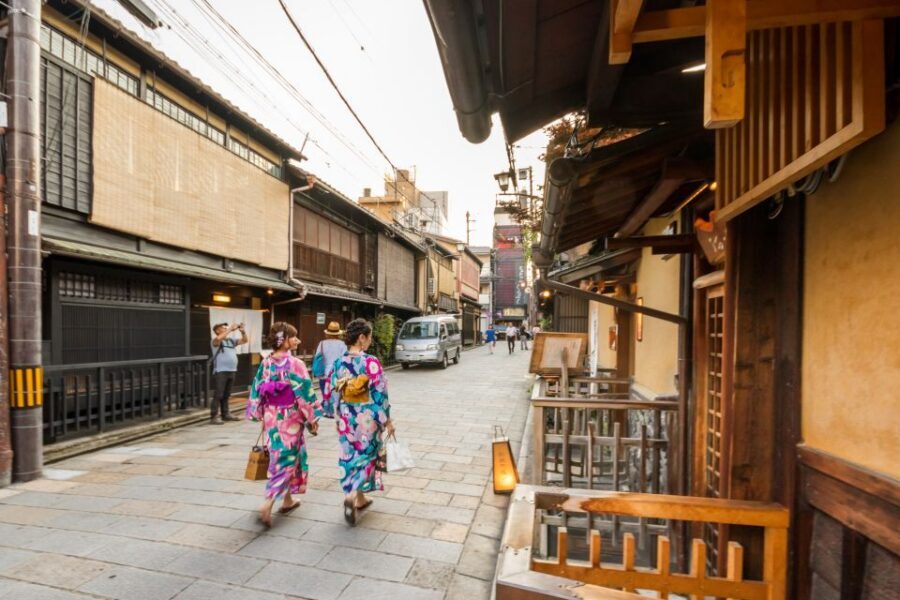
Walk Gion after dark with an English-speaking guide, learn geiko and maiko traditions, and get practical advice for observing respectfully.
At night, Gion’s narrow lanes and traditional buildings give you a glimpse of a Kyoto that can be easy to miss in daylight. On this 100-minute walk, a local English-speaking guide explains the world of geiko and maiko, from kimono and hairstyles to training and daily routines. You may spot them heading to appointments, but sightings are never promised.
I like two things in particular: the tour puts cultural context around streets you could otherwise only admire from the outside, and the guide explains how to observe respectfully if you encounter a geiko or maiko. Guides including Mia, Mie, and Chako have earned warm praise for making the walk lively, clear, and considerate.
The main limitation is that this is an outdoor walking tour through a district where people live and work. You need to be comfortable on your feet, and a geiko sighting is a lucky extra, not the point of the booking. Video recording is not allowed, and you should be ready to follow the guide’s advice about giving performers privacy.
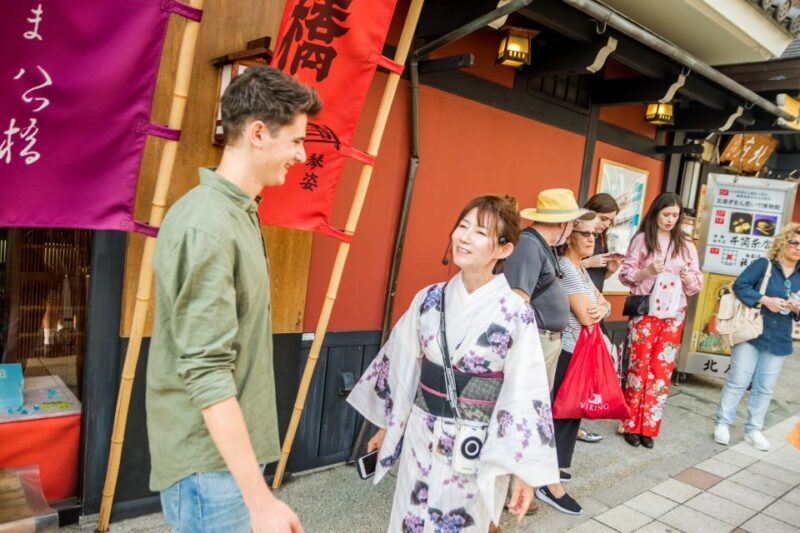
The meeting point is in front of Gion Omoide Museum, connected to the Izutsu Yatsuhashi pastry shop. It is near Gion Shijo Station, making this an easy evening activity to fit into a Kyoto itinerary without arranging a ride or hotel pickup. Transportation to and from the tour is not included, so plan your own way there and back.
Arrive with enough time to identify the museum entrance and find your guide. The meeting point is specific, but it is still worth checking the map pin before setting off. A nearby pastry shop is a useful landmark; it is not a promise of a food stop.
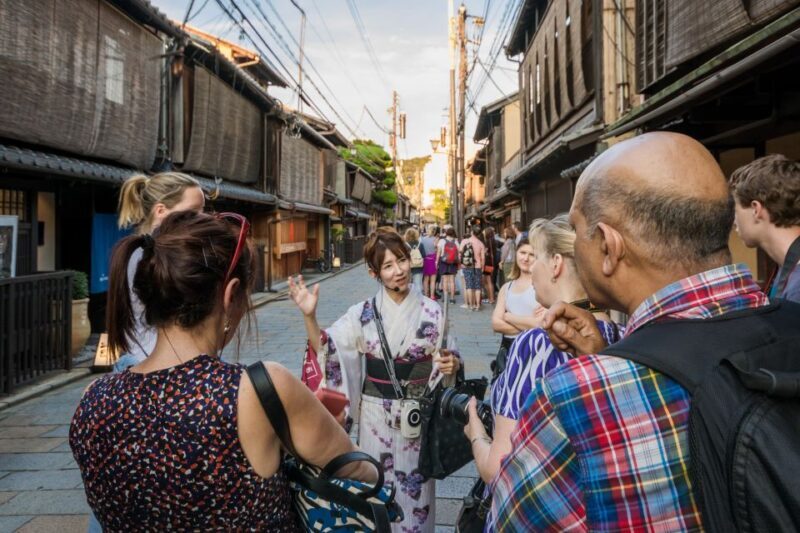
Once the walk begins, the guide’s role is more than pointing out picturesque buildings. Gion is a working district, and the stories help you understand the difference between looking at a beautiful street and knowing something about the people and traditions connected to it. Guides such as Mia, Mie, and Chako have been praised for combining cultural information with humor and for taking time to answer questions. Your guide will vary, so treat those names as examples, not a booking guarantee.
If you enjoy exploring Kyoto on foot, these walking tours might also suit your style
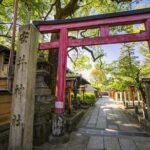
The route takes you through classic streets in the geisha district, with traditional scenery that may look familiar from Memoirs of a Geisha. The film connection can help you place the setting, but the walk’s greater value is learning about Gion as a real neighborhood, rather than a movie backdrop.
Expect to walk through streets and past buildings, not enter private teahouses or training facilities. Some visitors hope to see inside the places where geiko and maiko work or live, but access is not part of the stated tour. Respect for privacy is central to the experience, and that boundary is a sensible one in a district where residents and performers are going about their lives.
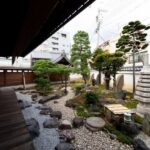
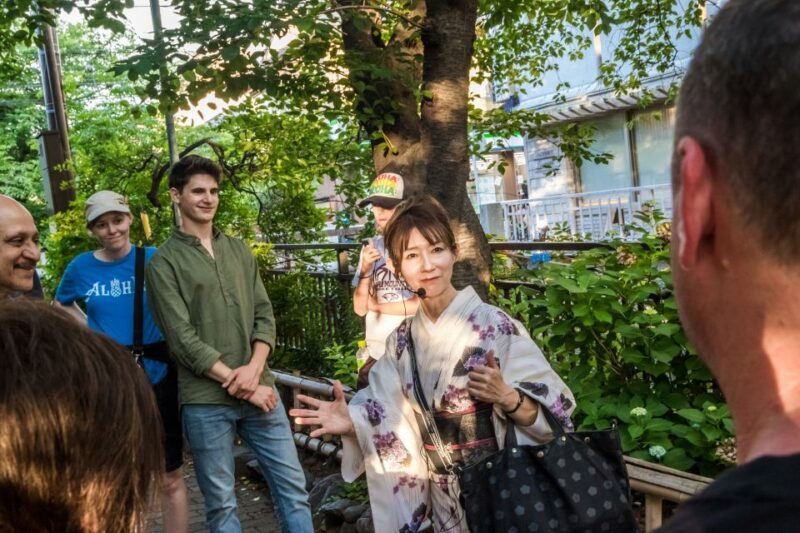
The guide may also point out less crowded corners and picturesque spots. One particularly evocative part of the walk is beside a beautiful stream. Its quiet setting gives the guide room to explain the traditions behind the streets around you, and it offers a welcome change of pace from simply moving from one photogenic lane to the next. The exact sequence of stops is not specified, so think of the stream and classic streets as parts of the walk rather than a fixed, stop-by-stop itinerary.
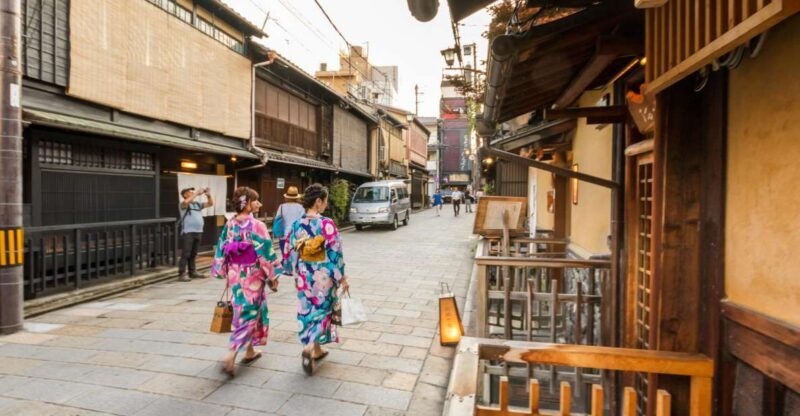
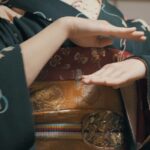
The strongest part of this tour is the explanation of the geiko and maiko world. Your guide discusses their kimono, hairstyles, traditional rules, and daily lives. These details give you a more grounded way to read what you might see on the street: elaborate clothing and careful presentation are part of a profession and a set of traditions, not a costume put on for passing visitors.
The words can also help you follow the conversation. Geiko and maiko are the terms used in Kyoto for performers often called geisha and apprentice geisha elsewhere. The guide can explain distinctions and customs as you go, so you do not need to arrive with a stack of background reading.
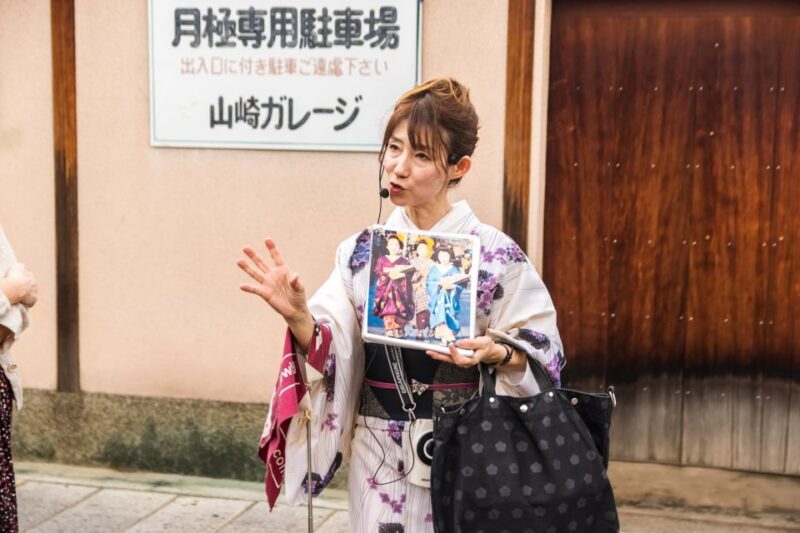
Some guides bring visual aids or photographs to explain details, and their teaching styles vary. One may offer a lively stream of stories; another may use charts or images to make customs easier to understand. Several guides have been singled out for clear English, a good sense of humor, and a thoughtful approach to the subject. The shared strength is that the tour gives you more than a quick definition of geiko and maiko. It sets their work within the culture and daily life of Gion.
You can also ask questions as you walk. That is useful if you have heard myths about geisha from books or films and want a more careful explanation. The tour is not a private meeting with a performer, and it does not promise access to their workplaces. Its value lies in learning from a local guide while keeping a respectful distance.
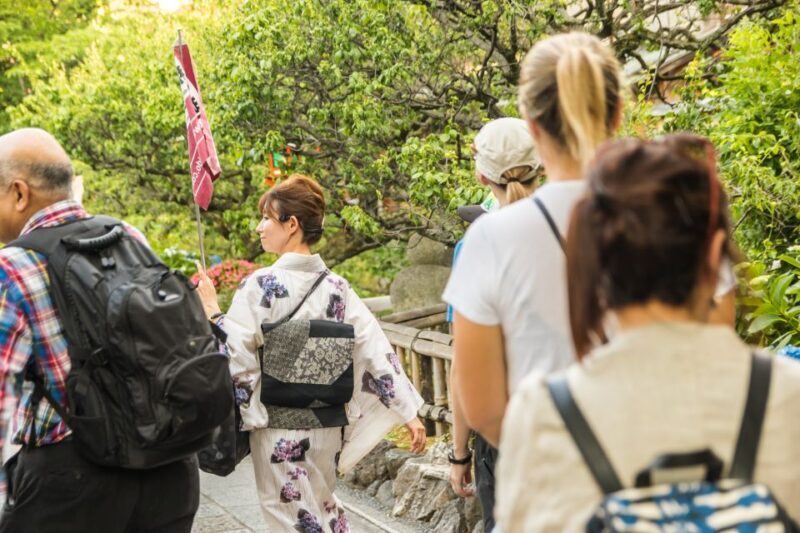
You may encounter a geiko or maiko walking to an appointment. Some walks have included several sightings; others may not. The tour information is clear that encounters are not guaranteed, so book for the cultural walk first and consider a sighting a bonus.
The guide’s advice on etiquette matters. Keep your distance, stay quiet, and follow instructions about how to greet or observe. Do not treat a performer as a photo opportunity or block her path. The tour prohibits video recording, and guides have also asked groups to avoid taking photos in encounters. Be prepared to put your camera away when asked. That small act makes the experience more considerate for the people who live and work in Gion.
This approach can feel cautious if you arrive hoping for a close-up view. One visitor might find the guide’s protectiveness restrictive; another may appreciate that the group is not encouraged to crowd performers. I think that tension is worth understanding before you book. The tour is designed to explain the culture, not to guarantee a photograph or close encounter.
More Great Tours Nearby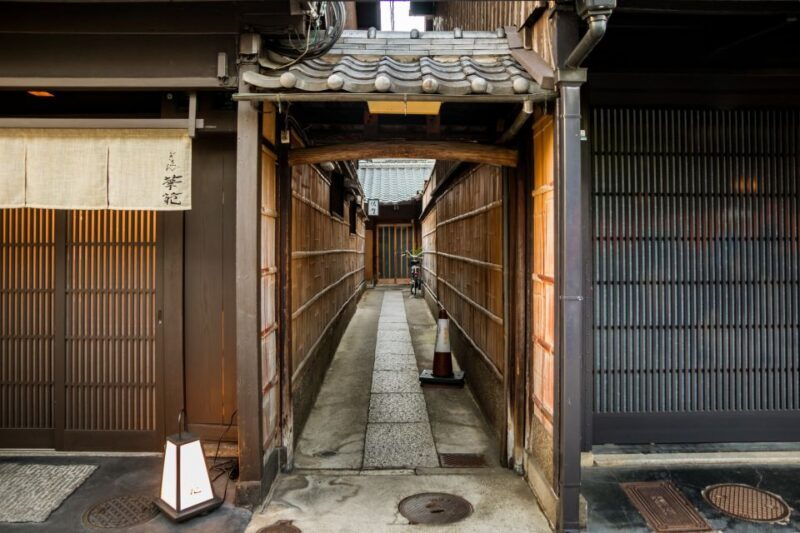
At $21 per person, the price is reasonable if you want context that is hard to get from simply wandering through Gion on your own. You are paying for a professional English-speaking guide, local insight, and a structured walk through a district whose customs can be difficult to interpret from the street. The guide’s explanations are the main value, not admission to an attraction or a promised meeting with a geiko.
You can walk through Gion without a tour, of course. But without background, it may be hard to tell what you are looking at or how to behave if you encounter a performer. The guide can help you connect visible details such as dress and hairstyle with history, training, and daily life. For a short Kyoto stay, that can make the neighborhood feel less like scenery and more like a place with people and rules.
The price does not include transportation or hotel pickup, so factor in your own trip to the meeting point. There is no food or other inclusion listed. If you are mainly looking for entertainment or a guaranteed geiko sighting, the value is less certain. If you are curious about the culture and want a local to guide you through the district, it is a worthwhile low-cost addition to an evening.
Evening activities in Kyoto include these interesting options
The listed duration is 100 minutes, while the tour description also calls it a two-hour guided walk. The difference is small, but it is worth keeping your evening flexible rather than planning a tight dinner reservation immediately afterward. Starting times vary, so check availability for your date.
This is a walking tour, and it is not suitable for people with mobility impairments. The walk takes place outdoors, so wear comfortable shoes and be prepared for the conditions on the evening. The guide may need to keep the group together at crossings or in narrow streets. A family report describes children enjoying the explanations, but the tour is still a walk through a district where attention and respectful behavior matter.
The tour suits first-time visitors who want more than a scenic stroll, readers curious about geiko and maiko, and anyone who wants an English-speaking local guide to explain Gion’s customs. It also works for people who have spent time in Japan already: cultural details and local perspectives can add something beyond basic sightseeing.
If your main goal is to photograph performers, get inside teahouses, or secure a guaranteed sighting, choose a different activity. This walk puts learning and respectful observation first.
The activity allows free cancellation up to 24 hours in advance, and you can reserve now and pay later. A child discount requires valid identification. Check the start time and meeting-point location before you book, and remember that neither a geiko sighting nor access to private buildings is guaranteed.
I would book this tour if I wanted a thoughtful introduction to Gion and its living traditions, especially at a fair price. I would skip it if I wanted a guaranteed encounter or preferred not to walk. Go with curiosity, comfortable shoes, and a willingness to observe quietly. That is the best way to make the evening worthwhile.
“Went on a walk with a lovely guide and learned a lot about Geiko and Maiko, the culture life and story of these living national treasure.”

Meet in front of Gion Omoide Museum, which is connected to the Izutsu Yatsuhashi pastry shop near Gion Shijo Station. The meeting-point coordinates are 35.0044519, 135.7723814.
The activity lists a duration of 100 minutes. Its description also calls it a two-hour walk, so allow some flexibility in your evening plans.
Yes. The tour has a professional, live English-speaking guide.
No. Sightings may happen during the walk, but they are not guaranteed. Book for the guided walk and cultural explanations rather than a promised encounter.
No. Video recording is not allowed. You should also follow the guide’s instructions about photography and respectful behavior around geiko and maiko.
No. The activity is listed as unsuitable for people with mobility impairments.
You can check availability for your dates here: