Physical Address
304 North Cardinal St.
Dorchester Center, MA 02124
Physical Address
304 North Cardinal St.
Dorchester Center, MA 02124

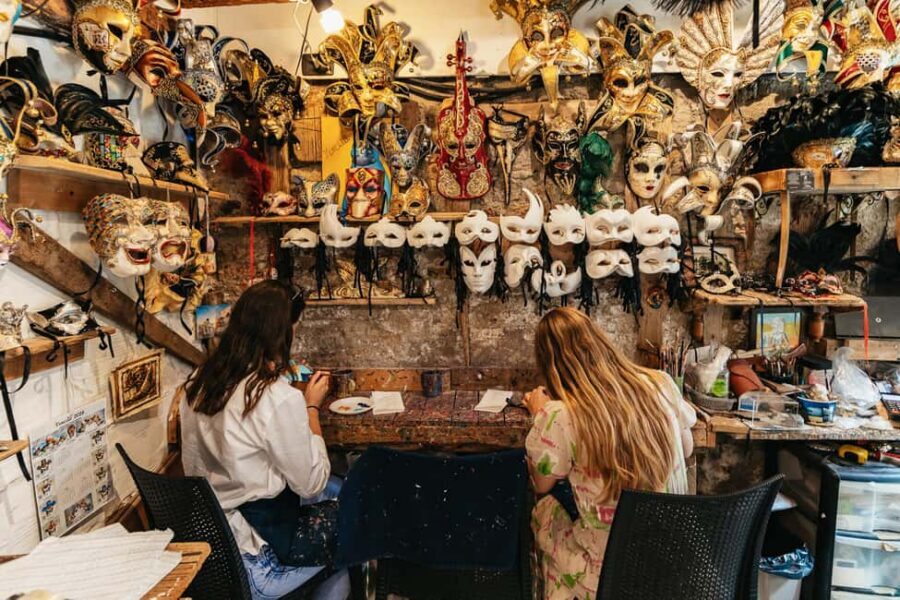
Paint a paper-mâché Carnival mask with a Venetian artisan, hear how masks shaped local traditions, and take home a handmade souvenir.
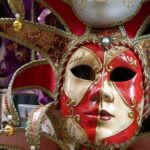
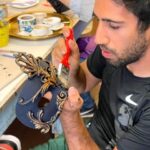
Venice’s Carnival masks make more sense when you have paint on your fingers and an artisan beside you explaining how they’re made. In this one-hour workshop, you choose a paper-mâché mask, decorate it with guidance, and take your work home.
I like the mix of hands-on making and Venetian history, and the chance to learn directly from an artisan rather than buy a mass-produced mask from a stall. I also like that the instructor helps with the design without taking the whole project out of your hands.
The main drawback is the short session: an hour can feel tight if you want to work slowly or add lots of detail. The venue varies by booking option, and some workshops may run longer, so check your chosen session’s details before you go.
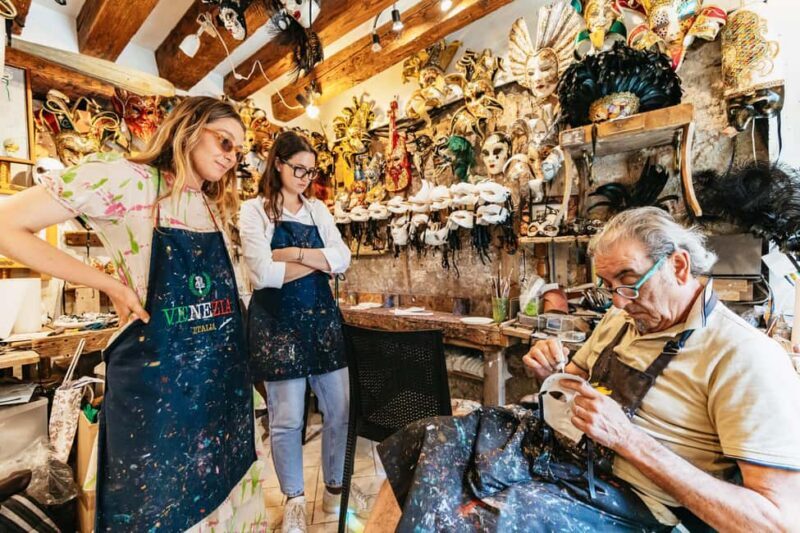
The workshop begins with a practical choice: selecting a paper-mâché mask to decorate. The available forms can vary, and the selection may not include every style you have seen on display, so keep an open mind. One participant, for example, had hoped for a particular cat design that was not available.
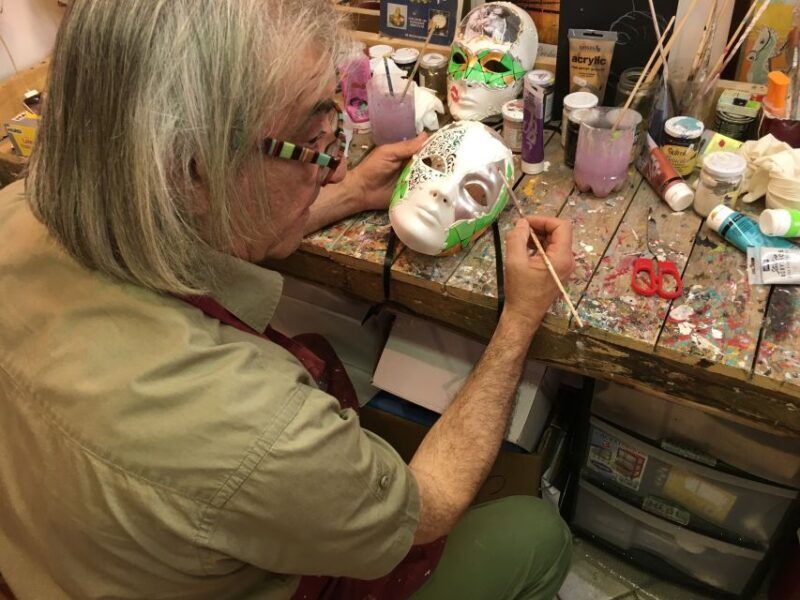
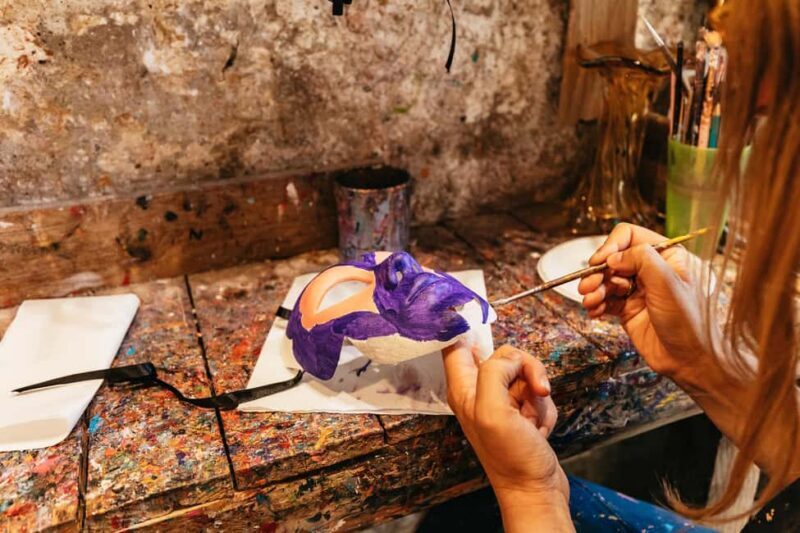
Once you have a base, the instructor explains how to approach the decoration. Some artisans sketch light pencil guides to divide the mask into colour areas; others give you a freer hand. You can choose your own colours and build a design that suits your taste, with guidance available when you want it.
The materials include paints and other decorating supplies. Depending on the session, you may also find glitter and raised-effect paints. This is not a lesson in making a mask from scratch: the mask is already formed, and the activity focuses on painting and decorating it.
That distinction matters if you are comparing workshops. You are paying for a guided craft session and an object to keep, not a full course in traditional mask construction. The paper-mâché base and the artisan’s explanations still offer a more tangible connection to the craft than simply browsing finished masks.
You might also be interested in these Venice experiences
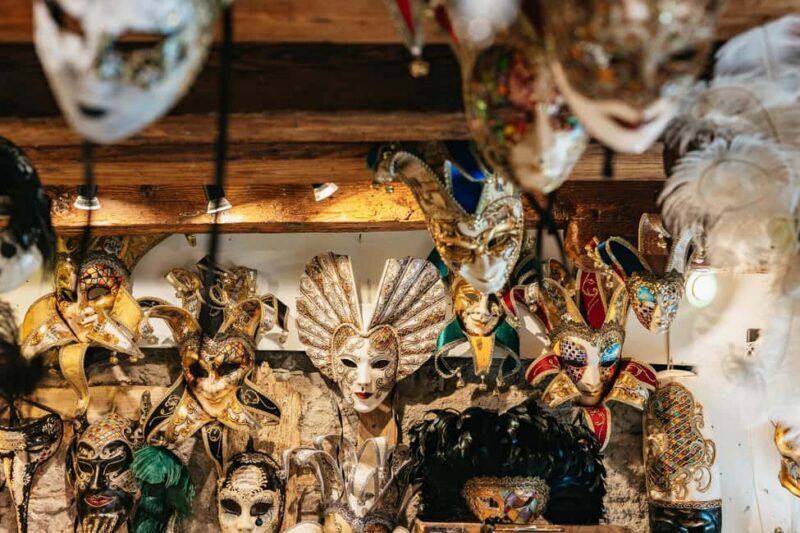
As you work, the instructor shares stories and background about Carnival and the history of Venetian masks. The amount of explanation can vary by guide and by the pace of the group, but the experience is designed to combine making with conversation about the tradition.
The context gives the activity its Venetian character. Without it, painting a mask could be a pleasant art exercise in any city. Here, you can ask about mask styles and their place in local life while watching an artisan demonstrate the decorative skill involved.
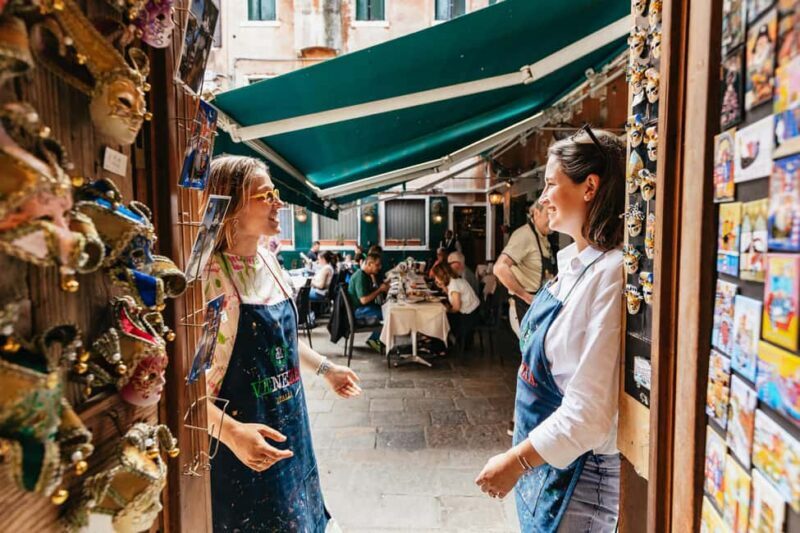
Past instructors have included Giorgio, described as carrying on a family mask-making tradition, and Nicolò, who has helped participants with both the design and finishing details. Other sessions have been led by artists such as Petra. Names and instructors can change, so book for the workshop itself rather than expecting a particular person.
You may also hear about the instructor’s own work and life in Venice. That personal conversation can be a welcome counterpoint to the city’s grand sights: a chance to learn from someone who works with a local craft, not just hear a prepared history talk.
The advertised class lasts one hour. That is enough time to choose a mask, paint it, and enjoy some conversation, but it is a compact format. If you love meticulous work, you may wish you had more time for tiny patterns and extra layers.
A few practical techniques help the hour go further. An instructor may suggest pencil guidelines, help you plan blocks of colour, or dry a coat with a heater before you add another layer. Some artisans also add fine decorative details to finish the piece. The exact process depends on the instructor and the session, so treat those touches as possible help rather than a guaranteed custom finish.
The pace is not necessarily rushed. Participants have described relaxed sessions with room to concentrate, and small groups can make it easier to ask for help. But a busy class or a detailed design can change the rhythm. If you want a highly elaborate mask, choose a simple design to start or ask the instructor how much you can reasonably complete.
A session may run beyond the stated hour. One family described a workshop lasting a little over 90 minutes, while many others finished within about an hour. Plan a little breathing room around the activity rather than scheduling an immediate commitment afterward.
The meeting point varies according to the option booked. Some sessions take place in a small mask shop near San Marco, while another reported setting is a historic prison space near the Doge’s Palace, with access to exhibitions mentioned as part of that particular experience.
Those are different atmospheres, not details to assume you will get in every booking. Read the location information for your selected option carefully, and follow the meeting instructions rather than relying on the general description. One participant found the workshop in a museum setting and needed to show a ticket at the entrance.
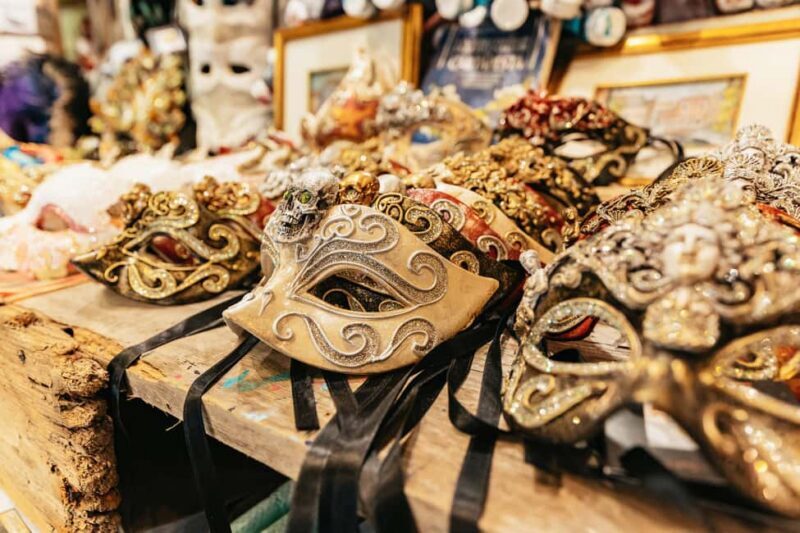
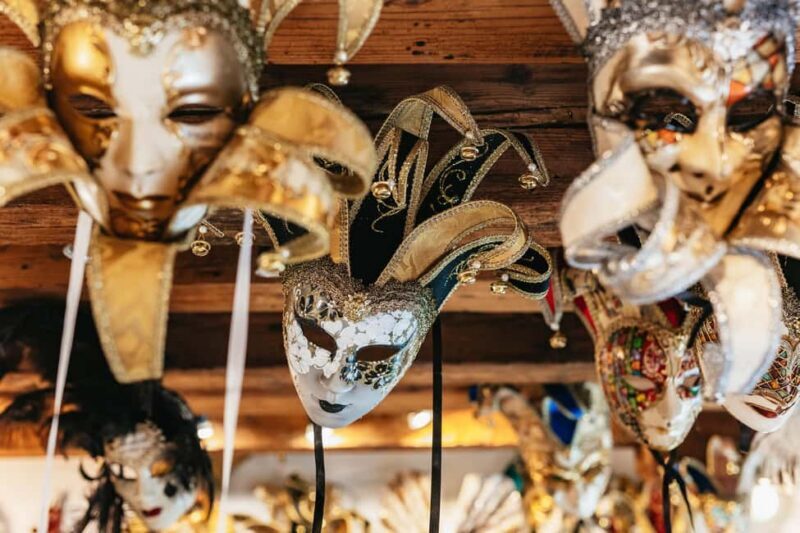
A working mask shop has its own appeal: finished designs on display, an intimate studio feel, and the chance to see the craft in its everyday surroundings. A larger historic room may offer more space to paint. The trade-off is that a museum or exhibition setting can involve its own entry arrangements, while a small shop may feel busy if customers are browsing nearby.
Because the venue can differ, do not build your plans around a specific location or an included museum visit unless your booked option confirms it. The reliable core is the mask-decorating class, the supplies, and the take-home mask.
More Great Tours Nearby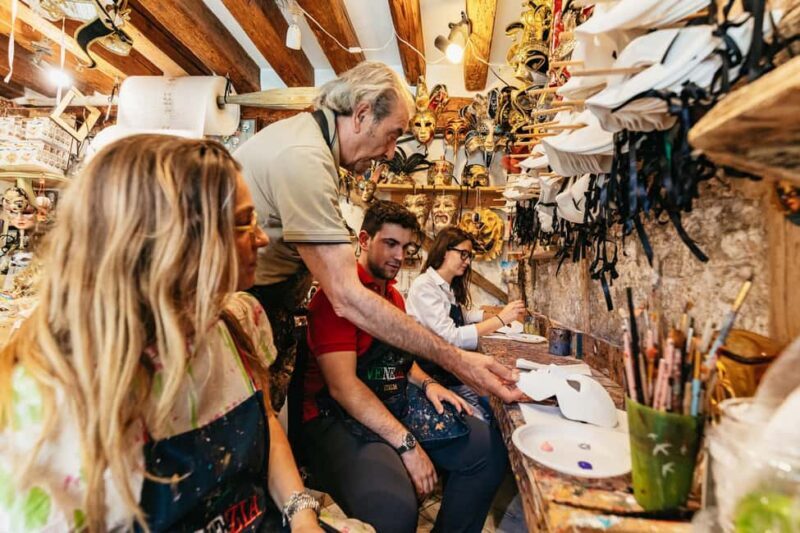
At $91 per person, this is not a bargain-priced craft activity. Its value depends on what you want from the hour. The fee includes the class, paints and supplies, an apron, and the mask you decorate. You also get instruction and an introduction to Carnival traditions, rather than paying separately for a souvenir and a guided activity.
I see the strongest value for people who want a personal object tied to their visit. A finished mask can be displayed at home as a reminder of Venice, and making it gives that keepsake a story beyond where you bought it. Families can also turn the session into a shared activity, while couples may appreciate having a creative break from sightseeing.
The price is harder to justify if you mainly want a polished professional mask or a long art class. Your result will reflect your own painting, and the available time is limited. If buying a finished artisan mask matters more to you than making one, compare the workshop with visiting mask makers and shops.
The instructor’s finishing help can make a difference to the final look, but the mask remains your project. That balance is part of the appeal: you do not need to arrive with artistic training, and you still have a hand in the design.
This activity suits adults and children who like making things, even if they do not think of themselves as artists. Children aged six and up have taken part, and families with school-age children and teenagers have found the format engaging. A patient instructor can make the steps approachable, but younger children may need help choosing and carrying out a design.
Couples can make matching or contrasting masks, and solo participants can still have a rewarding session. Small-group availability and occasional very small classes mean you may get plenty of individual attention, though group size is not guaranteed.
You do not need prior painting experience. The instructor can offer practical guidance, while the range of mask forms and colours gives you room to make the result your own. If you are a serious artist, you may enjoy seeing an artisan’s technique, but remember that this is an introductory activity rather than advanced training.
Consider your mobility before booking. The activity is not fully accessible for wheelchair users or people with walking difficulties. Pets are not allowed, and wearing clothes suitable for painting is a sensible precaution.
The workshop is offered in Spanish, Italian, English, and French. It may be bilingual, so if you want a full explanation in one language, check what is available for your session.
Exceptional high water can affect operations. If that happens, the workshop may be postponed to a later day; if rescheduling is not possible, the activity is refunded. The stated cancellation terms also allow a full refund when you cancel at least 24 hours in advance.
The booking offers reserve-now, pay-later flexibility, which can help if your plans are still taking shape. Still, confirm the start time, meeting point, and venue for the option you select. Those details matter more here than they might for an activity with one fixed location.
Book this workshop if you want a creative hour, enjoy learning from an artisan, and like the idea of taking home something you made yourself. Its best qualities are the personal instruction, the Carnival context, and the pleasure of choosing your own design.
Skip it if you want a long, technique-heavy course, need step-free access, or care more about buying a finished mask than painting one. Before paying, check the venue and start time for your specific option, and leave enough room in your schedule to enjoy the work without watching the clock.
“Really enjoyed the mask making workshop. A lovely way to spend an hour in Venice and a great souvenir to bring home with us.”
The advertised duration is one hour. Some sessions may run longer, so leave a little extra time in your schedule.
The class, paints and other necessary supplies, an apron, and the paper-mâché mask you decorate are included.
Yes. You choose a mask to decorate, though the available styles can vary by session.
The instructor languages listed are Spanish, Italian, English, and French. A session may be bilingual.
The meeting point varies by booking option. Workshops have taken place in a mask shop near San Marco and in a historic prison setting, so check your selected option’s location.
No. The activity is not fully accessible for wheelchair users or people with mobility difficulties.
The session may be postponed to a later day. If it cannot be rescheduled, it will be refunded.
You can check availability for your dates here: