Physical Address
304 North Cardinal St.
Dorchester Center, MA 02124
Physical Address
304 North Cardinal St.
Dorchester Center, MA 02124

Explore Bioparc Valencia’s African habitats, from the savannah to Madagascar, with a flexible day ticket and close views of wildlife.
Bioparc Valencia builds its visit around a bold idea: instead of moving from cage to cage, you walk through four recreated African ecosystems, with animals viewed from a range of angles. I like the variety, from savannah herds to lemurs on Madagascar, and the thoughtful paths and viewing spots, which make the park feel more like a walk through habitats than a row of exhibits.
The main consideration is time and timing. You can see the park in a couple of hours, but many people spend three or four, and some stay longer; summer heat and busy days can affect your pace. You must enter during your selected time window, and once you leave, you generally cannot return on the same ticket.
Bioparc’s appeal lies in how it groups its animals and plants by habitat. Rather than seeing each species in isolation, you move through settings designed to suggest the places they come from. The paths are arranged to offer different viewing angles, and reviewers repeatedly describe the park as clean, easy to navigate, and leafy. That setting gives the visit a calmer rhythm than a checklist of animal enclosures.
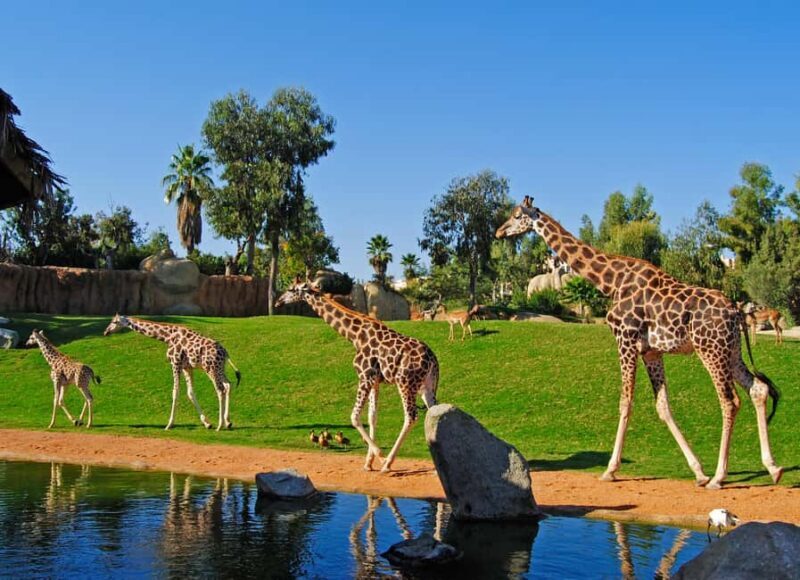
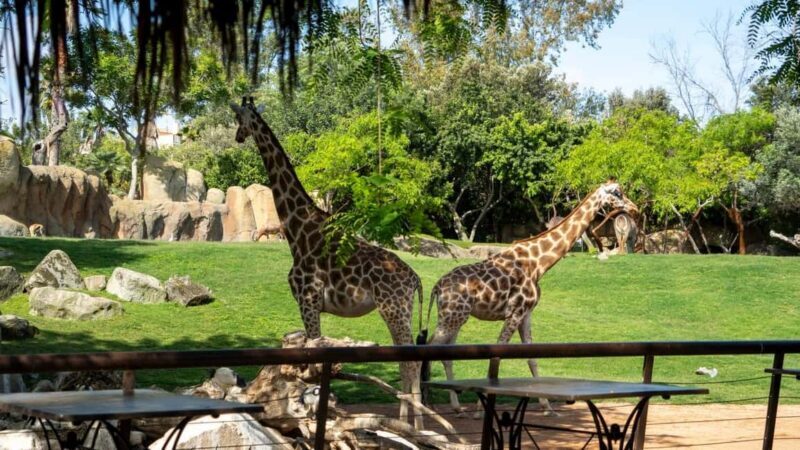
Start in the Savannah, where antelope, giraffes, and rhinos share the broad plains. Lions watch from rocky high points, giving you a chance to see both the open habitat and the predators above it. The contrast is part of the fun: look for the grazing animals first, then scan the rocks for a lion at rest.
You can also spot less familiar residents in burrows and underground spaces. Aardvarks, hyenas, and warthogs are among the animals described for this part of the park, along with naked mole rats and the Seba python, identified as Africa’s largest snake. These smaller or less visible animals reward a slower walk. If you rush from one major animal to the next, you may miss them.
The Wetlands bring a different kind of viewing. Hippos, crocodiles, and colorful fish can be seen in and around the water, with underwater views offering a useful change from watching animals on land. Hippos are a particular highlight for many visitors, and the chance to see them swimming is one of the park’s most distinctive moments.
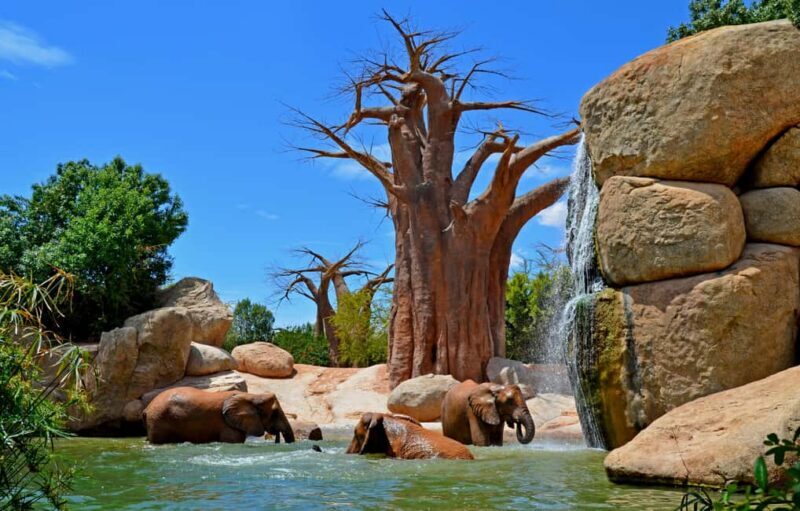
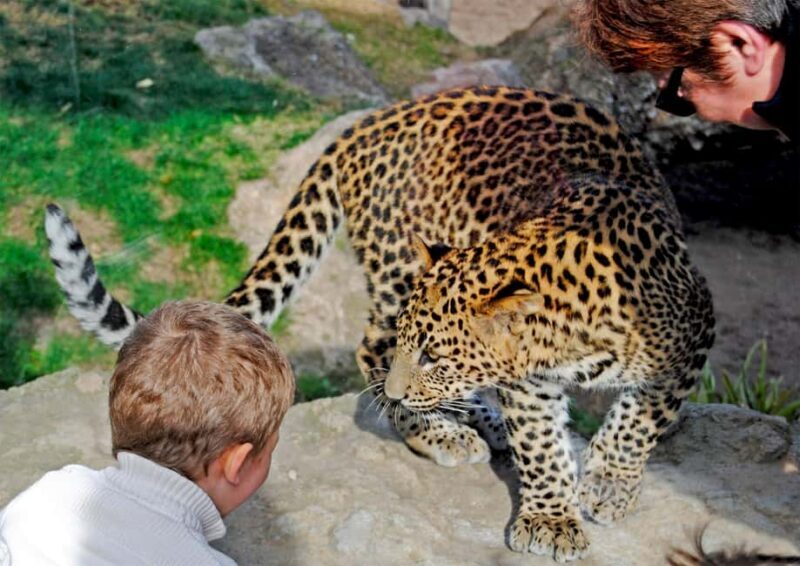
In the Equatorial rainforest, follow the route in search of gorillas, red buffalo, and leopards. The rainforest also leads to the elephant trail and a large cave described as dug by elephants. A walk through this area gives the visit some variety: shaded forest paths, large mammals, and a striking cave feature all in one section.
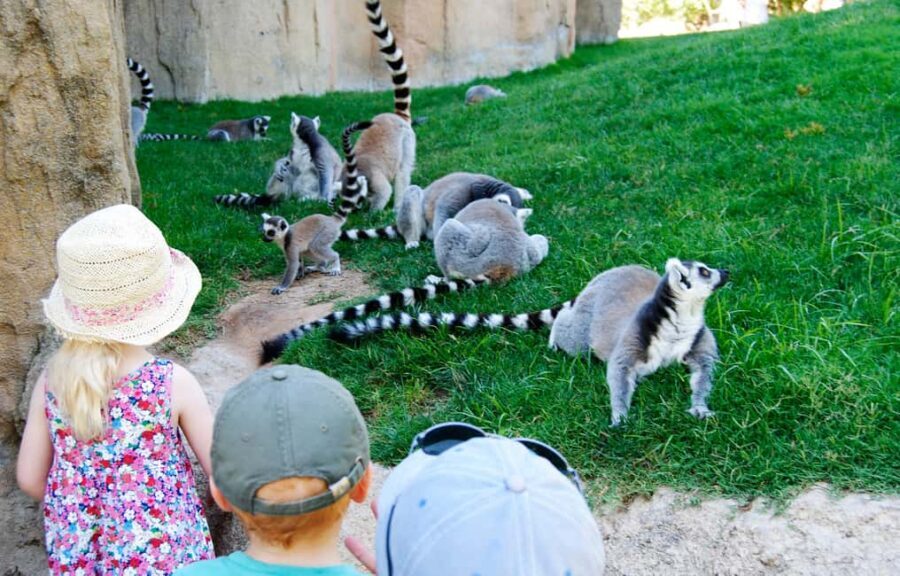
Finally, Madagascar is home to lemurs, whose leaps and movements make this area a lively stop. The four habitats are different enough to keep the visit from feeling repetitive, even if you are not an animal expert. Families can use the changing scenery as a simple way to hold children’s attention, while adults can take their time with the setting and the animals.
You might also be interested in these Valencia experiences
Kitum Cave adds a little storybook drama to the route. It is a recreation of a well-known African cave, not a separate excursion, so you can enjoy it as part of your walk through the park. The elephant trail nearby gives this section a clear theme and a memorable change of scene.
Still, keep your expectations balanced. The cave and carefully made habitats are part of a designed animal park, not a trip into the African wilderness. The appeal is the way the park creates a sense of different environments within a single visit, while making it possible to see species that would be difficult to encounter elsewhere.
I’d make room for animals that are easy to overlook, not only the famous ones. The viewing areas offer different vantage points, and some visitors describe feeling unusually close to the animals. That closeness depends on where an animal is and what it is doing, so it is better to treat each sighting as a possibility rather than a promise.
A couple of hours may be enough to walk around and see much of the park. Allow three or four hours if you want time for photos, stops, activities, or a meal. If you enjoy taking a slow pace or want to revisit favourite areas, you could spend longer; one visitor made a full day of it.
The park’s one-day ticket gives you room to choose your pace, but entry is not completely open-ended. Your selected time determines when you can arrive: for example, a 10:00 a.m. selection allows entry from 10:00 to 11:59 a.m., while a 2:00 p.m. selection allows entry from 2:00 to 2:59 p.m. The 6:00 p.m. window runs until closing. Plan to arrive within your chosen window rather than assuming you can enter at any point in the day.
Once inside, you can use the live QR-code map provided at the gate to navigate. That is a practical help in a park with several habitat areas and paths. It can also make it easier to choose what to see first if you have limited time.
The visit is not a guided tour with a named guide or a fixed group itinerary. Your ticket includes access to a full program of activities, such as guided tours, a feeding trail, and animal exhibits, but the exact schedule is not specified here. Check what is running when you arrive if a particular activity matters to you.
At $35 per person, Bioparc is best judged as a substantial half-day outing, not a quick stop. You get access to a large, themed park, four habitat areas, a broad range of animals, and the included activity program. If you spend several hours walking, watching, and taking breaks, the ticket can offer solid value, especially for families or anyone who enjoys animal parks.
The price may feel less attractive if you only have an hour or two, or if your priority is a very specific animal that might be resting or out of view. Food and drinks are not allowed inside, apart from water in a non-glass container, so you cannot bring a picnic to stretch your budget. Restaurants and shops are available in the park, but those purchases are extra.
Car parking is another added cost at €7. If you arrive by bike, parking is free. The ticket itself is valid for one day, but leaving the park generally means you cannot come back in without a new ticket or staff authorization in an exceptional case. That makes it worth planning any breaks before you enter.
More Great Tours Nearby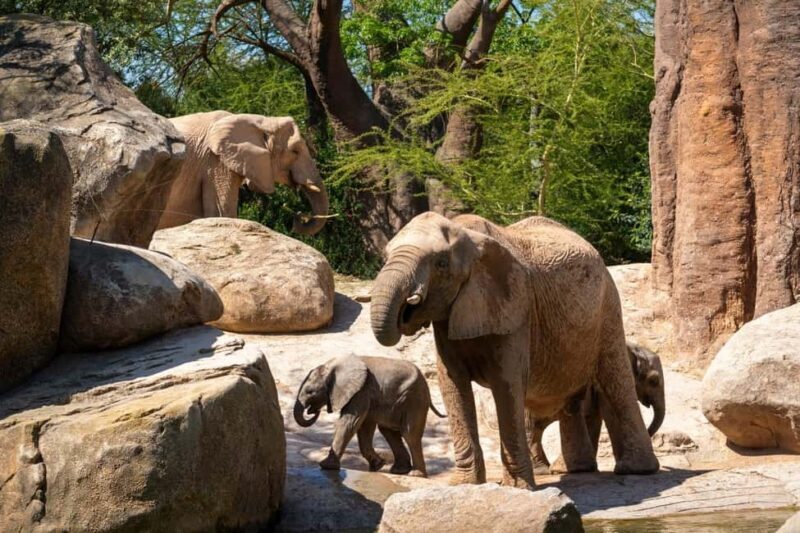
Valencia can be very hot in summer, and the park involves plenty of walking. Bring water in a non-glass container, and consider a fan or other way to keep cool in hot weather. Some visitors value the shade along the paths, but that does not remove the need to prepare for heat.
The park is wheelchair accessible. Seats and toilets are available around the grounds, which can make a longer visit easier to manage. If you are travelling with children or anyone who needs regular rests, the ability to pause along the route is useful.
You cannot bring food or drinks other than water in a non-glass container. Smoking, pets (except assistance dogs), bikes, skateboards, and skates are not allowed inside. Flash photography and feeding the animals are also prohibited. These rules protect the animals and keep the walkways suitable for everyone.
Crowds can vary. A quiet weekday visit may feel peaceful, while a busy day with many families and children can bring more noise around the viewing areas. If you prefer a calmer visit, choosing a less busy time may help, though no particular day or hour is guaranteed to be quiet.
This is a strong choice for families, animal lovers, and anyone looking for a change of pace from Valencia’s city sights. Children have plenty to watch, while older visitors can take advantage of the seats, toilets, and accessible layout. You do not need detailed knowledge of wildlife to enjoy the route; the habitats and variety make the visit easy to follow.
It also suits travellers who care about how animals are presented. The park’s design emphasizes spacious, natural-looking settings and multiple viewing angles. The care visible in an animal’s surroundings is a major part of the experience, though no zoo can reproduce the freedom of life in the wild.
If you are short on time, plan a focused route and accept that you may not linger everywhere. If you have half a day, you can slow down, look for smaller animals, and take a break at the café or restaurant. Breakfast or a meal with a view of the rhinos and giraffes can be a memorable extra, but food is not included in the ticket.
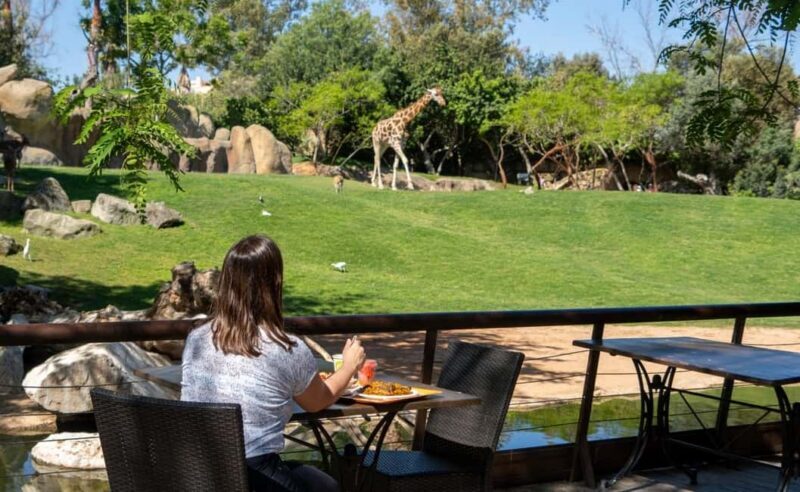
I’d book Bioparc if you have room in your Valencia schedule for a few hours outdoors and enjoy seeing animals in carefully designed habitats. The four-region layout, close viewing opportunities, and range from elephants and gorillas to lemurs make it more engaging than a quick walk past enclosures. At $35, it offers better value when you take your time and use the included activities.
Think twice if you have very little time, dislike crowds, or expect a guaranteed view of every animal. Choose your entry window carefully, bring water, and use the QR-code map at the gate. With those basics sorted, Bioparc is an easy outing to recommend for families and curious animal lovers.
“The elephants were wonderful, you should absolutely visit this zoo if youre in town”
The listed price is $35 per person. Parking is not included.
The ticket is valid for one day. The time you select sets your entry window.
You can enter from your chosen time until before the next entry slot begins. For example, a 10:00 a.m. selection allows entry between 10:00 and 11:59 a.m.
You generally cannot re-enter after leaving unless you buy a new ticket or staff authorizes an exception.
Food and beverages are not allowed, except for water in non-glass containers.
No. Car parking costs €7. Bike parking is free.
Yes, the park is wheelchair accessible.
Yes. The ticket includes access to a full program of activities, such as guided tours, a feeding trail, and animal exhibits.
Pets are not allowed, but assistance dogs are permitted.
You can check availability for your dates here: