Physical Address
304 North Cardinal St.
Dorchester Center, MA 02124
Physical Address
304 North Cardinal St.
Dorchester Center, MA 02124

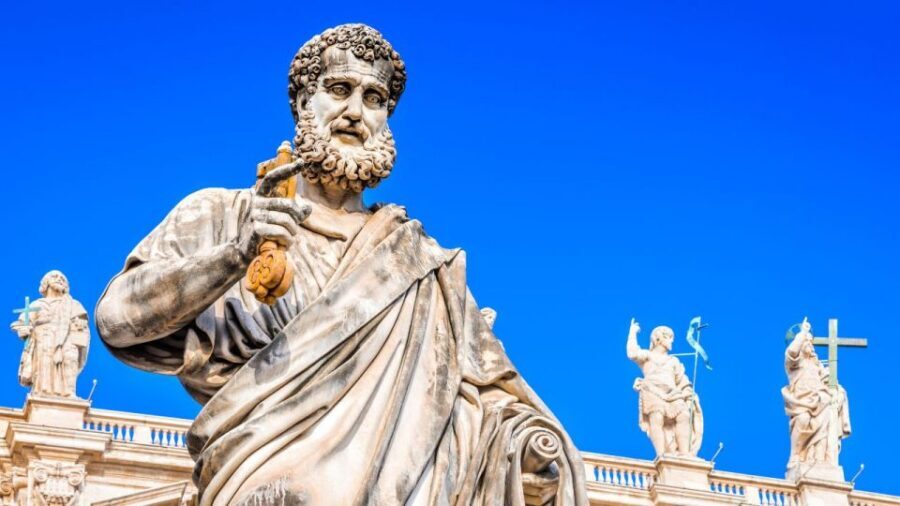
Climb St. Peter’s Dome, visit the papal tombs and Basilica, then tour the Vatican Museums and Sistine Chapel with a guide.
The Dome climb gives this Vatican tour its best surprise: after the elevator ride to the terrace, you can climb the final 320 steps for sweeping views over Rome. The route also takes you through St. Peter’s Basilica and the papal tombs before a guided visit to the Vatican Museums and Sistine Chapel.
I like that the tour pairs famous works with a guide who can make sense of what you’re seeing, and that the Dome adds a physical, memorable view of the city. One caution: five hours of crowds, standing and stairs can wear you out, especially if you do the full climb.
This is a five-hour guided visit to three major Vatican sights, with a Dome climb and the papal tombs added to the usual Basilica-and-museums combination. At $159 per person, it costs more than visiting independently, but the price includes skip-the-line tickets for the Vatican Museums and Sistine Chapel, a guided Basilica visit, the Dome climb, the tombs tour and headsets.
The value depends on what you want from the day. If you want an expert to guide you through the major works, help you move through a busy complex and explain what you might otherwise pass by, the bundled format can make good sense. If you prefer to set your own pace, or want to spend hours in the museums, the fixed five-hour route may feel too brisk.
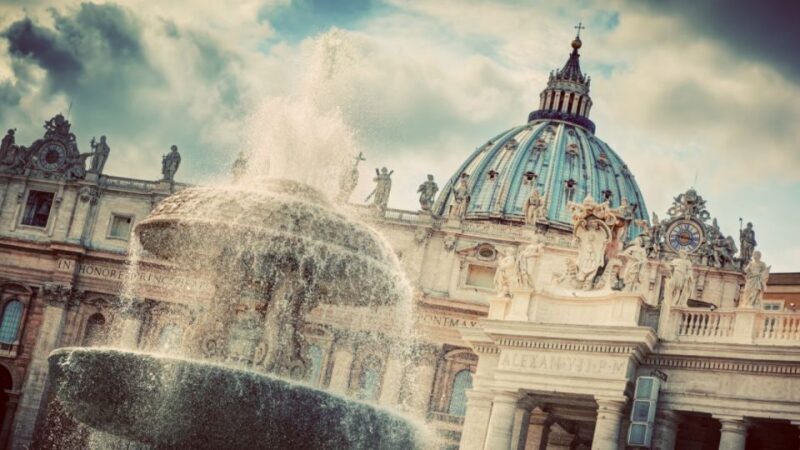
Start times and meeting points vary. For the 8:00 a.m. departure, meet at 7:45 by the Tiare Fountain beneath Largo del Colonnato, in front of the pillars around St. Peter’s Square. If facing the Basilica, follow the pillars to the right. The guide carries an ItaliaTours signboard.
For the 11:15 a.m. departure, meet at Via Sebastiano Veniero 19, across from the Vatican Museums entrance. The meeting instructions are specific, so check which start time you have and follow the matching location. One practical wrinkle: the fountain can be hard to recognize, so give yourself time to find it rather than arriving at the last minute.
Culture seekers can explore more Rome museums and galleries
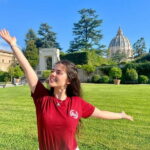
The tour’s Dome climb is more than a view stop. An elevator takes you to the terrace level, where the mosaics that look small from the floor of the Basilica appear close and striking. You can pause there, take in the outlook and skip the final ascent if the stairs do not appeal.
To reach the summit, you climb about 320 additional steps. The route is not suitable for wheelchair users or people with mobility impairments, and the climb can be demanding if you are unfit or uncomfortable with stairs. Think honestly about your knees, stamina and tolerance for a confined ascent before committing to the top. The terrace still gives you a chance to see the Dome from close range without doing every step.
At the top, Rome spreads out around you, with a view across the city and beyond. The Dome is a highlight for many people, and the effort gives the visit a different rhythm from hours spent looking at art. I would wear comfortable shoes and treat the climb as a real part of the day, not a quick add-on.
The elevator ride does not remove all the physical work. There is walking between stops, time on your feet and the descent after the climb. If you choose to rest at the terrace, you can still enjoy the setting and save your energy for the Basilica and museums.
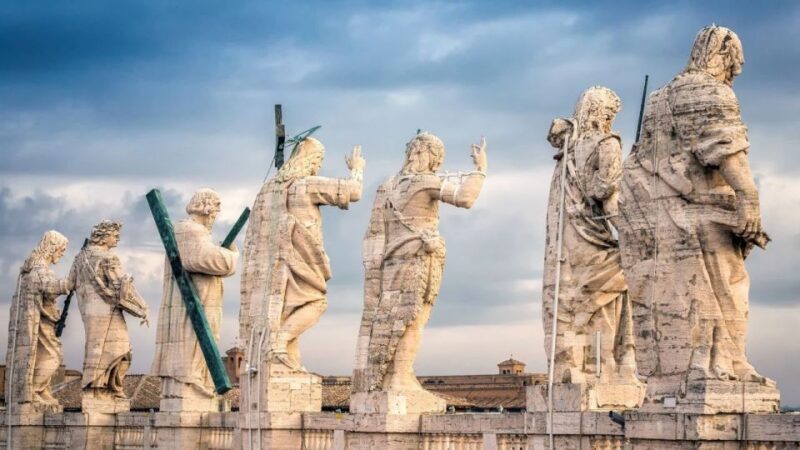
After the Dome, the route descends to the lower level beneath St. Peter’s Basilica, where former popes are buried in ornate caskets and commemorated with sculpted effigies. The tour calls this area the Vatacombs, though it is more useful to think of it as a visit to the papal tombs beneath the church.
These tombs add a quieter, more personal element to a day otherwise dominated by monumental spaces and famous art. Their craftsmanship reflects the status of the people commemorated there, and the guide can help you understand what you are seeing. Access can change around religious holidays; if the tombs are closed, the Basilica visit is extended instead.
The lower level is only one part of the Basilica experience. If you have imagined St. Peter’s as a single enormous church, the guided visit helps you take in the scale and notice its major works rather than simply crossing the vast interior. The tour covers art by Michelangelo, Raphael and Bernini, among other celebrated artists.
A guide is especially useful here because grandeur can become a blur. You will see so much that a clear explanation helps you focus on individual works and their place in the building. Headsets let you hear the guide in busy spaces without needing to crowd close.
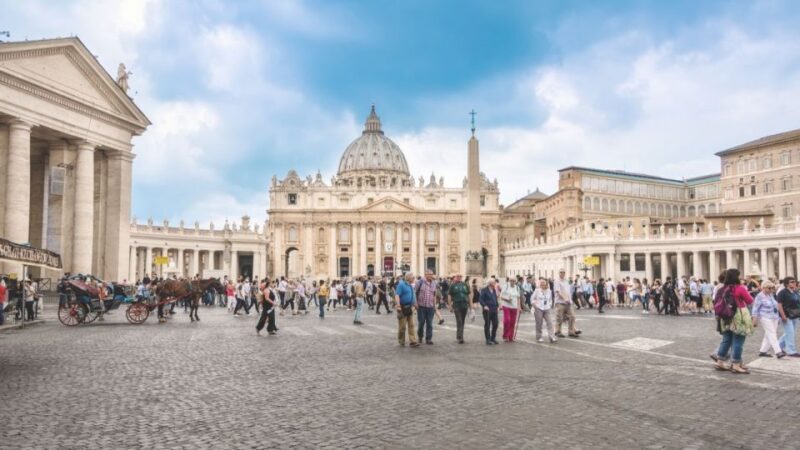
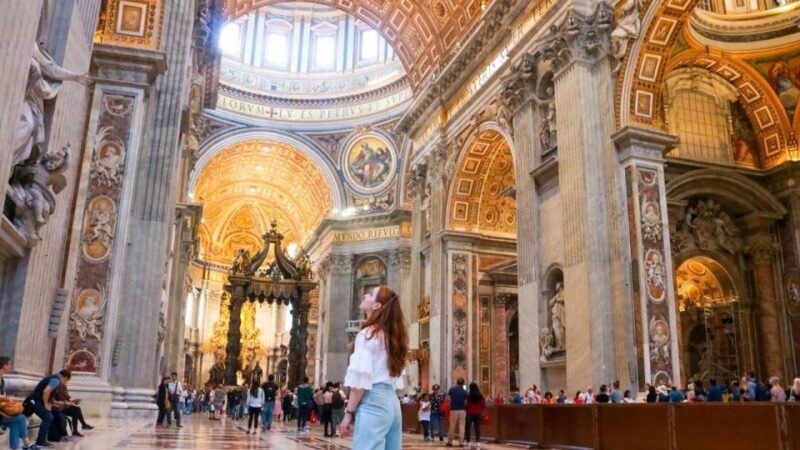
The Basilica is one of the day’s central stops, and the guided format brings more to it than a quick walk through a famous church. Your guide points out major works of art and explains the building as you move through it. The scale is impressive, but so is the detail: sculpture, decoration and artwork compete for your attention at every turn.
The early route is planned to enter the Basilica before the crowds build, but there is still an obligatory security check. Skip-the-line tickets apply to the Vatican Museums and Sistine Chapel, not to security at St. Peter’s. Allow for some waiting, and do not mistake a short line for something the tour can bypass.
The Basilica’s schedule can also change around religious events. On dates near Vatican holidays, some areas may be partly closed. In 2025, Jubilee events and ceremonies can also restrict access to St. Peter’s. Those changes are outside the tour operator’s control, so if a particular area matters greatly to you, keep in mind that access is not guaranteed on every date.
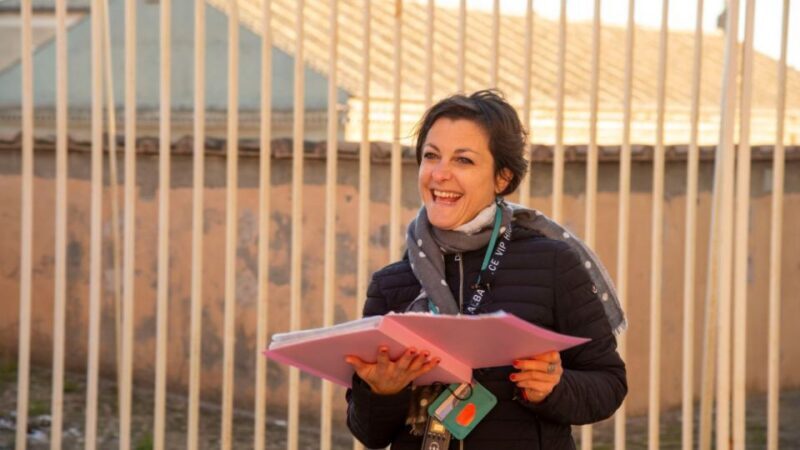
There is plenty to absorb here, which is why pacing matters. Guides such as Chiara and Sabrina have been praised for combining clear explanations with humor and a personal touch. A lively guide can help keep a long day engaging, but the content still comes quickly. If you like to linger over every artwork, you may want a separate return visit.
More Great Tours Nearby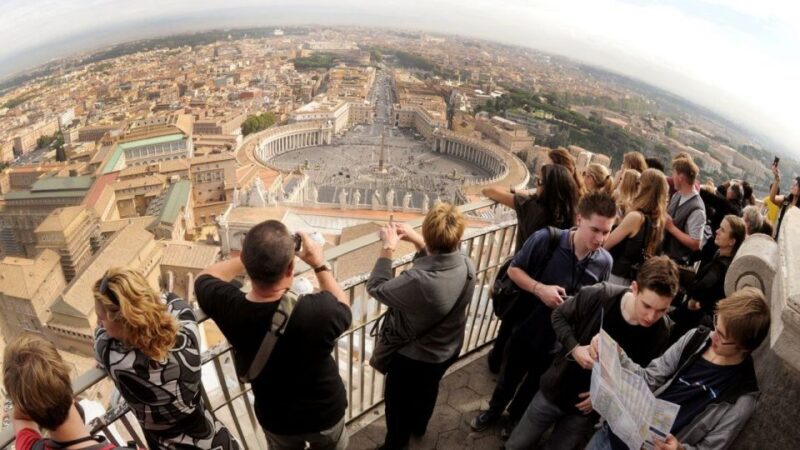
The tour includes a short break and time to get a snack before the museums portion. Food and drinks are not included, so bring money for your own refreshment. This pause matters: after the Basilica and the climb, even a brief chance to sit or eat can make the second half feel more manageable.
The total outing lasts about five hours, but that does not mean five hours of leisurely viewing. Expect a steady route through major sights, with walking, standing and crowds. One tour guide was described as managing the pace well and leaving time to take in each part, while another tour experience was called rushed at points. That trade-off is built into a packed itinerary: the guide has to keep the group moving to cover the highlights.
A good guide can make the transition feel less like a race. Maria, for example, used a card to identify details in the Sistine Chapel, where speaking and photography are not allowed. That kind of preparation is useful because the Chapel visit is brief compared with the amount of art and history surrounding it.
The Vatican Museums contain more than 1,200 galleries, so no five-hour tour can cover everything. Instead, your guide steers you through selected highlights, including the ancient Greek and Roman works in the Belvedere Courtyard, the Rooms of Raphael and the Gallery of Maps. The point is not to see every room. It is to understand a few important stops and reach the Sistine Chapel with enough context to appreciate it.
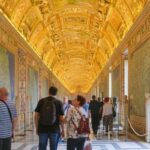
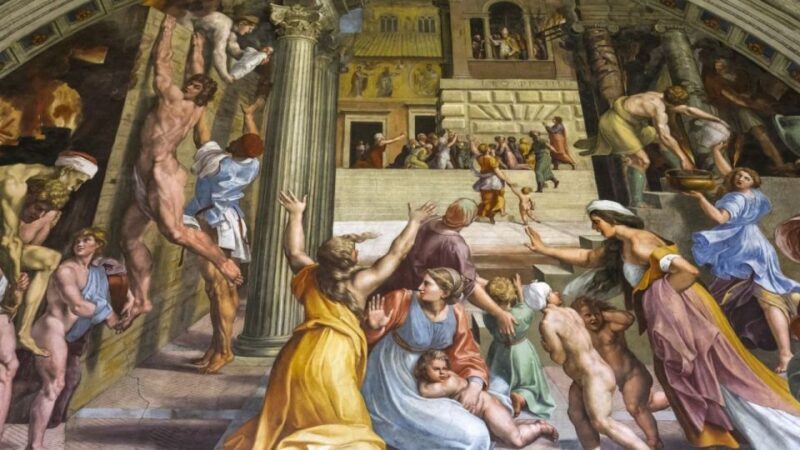
The Gallery of Maps is an especially vivid stop: its long corridor and detailed painted maps offer a change of scale and subject from sculpture and religious paintings. The Rooms of Raphael provide another major encounter with Renaissance art. Your guide helps you notice the stories and details rather than trying to absorb the whole museum at once.
Crowding is the main drawback. The museums can be packed with other groups, making it hard to pause or get a clear view of every piece. Skip-the-line entry saves time at the ticket queue, but it does not make the galleries quiet or empty. If you are sensitive to crowds, an early start may help, though it cannot guarantee a calm visit.
The Sistine Chapel is the emotional and artistic destination of this section. The guide explains the Chapel’s commission and Michelangelo’s work, and helps separate historical fact from popular stories. Inside, you must observe the rules: no talking or photography. A guide may provide a card showing the paintings and their subjects so you can follow along in silence.
Give the Chapel your attention, but keep expectations realistic. You may be sharing the room with many other people, and you will not have time to study every ceiling panel at length. The guided visit gives you a framework for what you see; it is not a substitute for a quiet, extended visit.
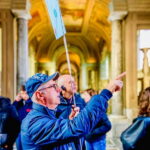
This itinerary is unusually dependent on the guide. The Vatican is large, crowded and full of works that can blur together without some structure. Guides named in past tours include Sabrina, Chiara, Marianne, Marianna, Maria and Sandra. Their styles differ, but the details that matter are a clear voice, good pacing, a lively explanation and the ability to keep the group together.
Headsets help you hear the guide in busy rooms and open spaces. That small tool has real value here: you can look at the artwork while listening, rather than pressing in close or missing explanations whenever the group spreads out.
The most effective guides add humor and personal warmth without letting the visit drift. Chiara, for example, has been described as using jokes and questions to keep people involved. Sabrina has been praised for clear explanations and a friendly manner. You cannot choose your guide in advance, so treat those names as examples of the kind of experience the tour can offer, not a promise of who will lead your group.
A guide also helps with navigation. The museums are enormous, and the challenge is not just finding a room but understanding why it matters. On a tight schedule, that direction is part of what you are paying for.
At $159, this is a substantial half-day purchase. The fee covers the guided visits, museum and Sistine Chapel skip-the-line tickets, the Basilica tour, the papal tombs and the Dome climb. It also bundles several of the Vatican’s most important sights into one planned route, which can be valuable if you have limited time in Rome.
The price makes less sense if you want to explore independently, skip the Dome, or spend a long time in individual museum rooms. You are paying for structure and interpretation as much as entry. For someone who wants the major highlights explained and appreciates having a guide manage a complicated visit, that can be a fair exchange.
At 4.7 out of 5 from 1,924 ratings, the experience has a strong overall score. The praise tends to focus on guides, organization, the Dome views and the amount covered. The cautions are practical: crowds, a long day on your feet, some rushed moments and the physical challenge of the climb. Those are not small details. They are the main factors to weigh before booking.
I would choose this tour if you want a guided overview of the Vatican’s major sights in one outing, especially if the Dome climb and papal tombs are high on your list. It is also a good fit if you like learning as you go and want help navigating the museums rather than trying to plan a route through them yourself.
Think twice if you have mobility limitations, use a wheelchair or scooter, or are not comfortable with extended walking and stairs. The tour is not suitable for wheelchair users or people with mobility impairments. Even if you skip the last part of the Dome climb, the day still involves plenty of standing and moving through crowded spaces.
If your priority is a slow, contemplative visit, consider separating the Basilica and museums across different days. This tour offers breadth, not hours of unhurried time in each gallery. If you are ready for a full schedule and a physical climb, the mix of art, history, tombs and city views is a strong use of a Rome morning.
“Our guide Sabrina was excellent- kept us well informed and managed us well through busy crowds. Main improvement would be finding the starting poin…”
The tour lasts about five hours. Starting times vary, so check availability when choosing a date.
For the 8:00 a.m. departure, meet at 7:45 by the Tiare Fountain near St. Peter’s Square. For the 11:15 a.m. departure, meet at Via Sebastiano Veniero 19, across from the Vatican Museums entrance.
An elevator takes you to the terrace level. From there, the final climb to the summit involves about 320 steps. You can stay at the terrace instead of climbing to the top.
No. The tour includes a short break for a snack, but food and drinks are not included.
Wear comfortable clothing with your shoulders and knees covered. Shorts, short skirts and sleeveless shirts are not allowed.
No. The route is not suitable for wheelchair users, scooters or people with mobility impairments.
You can check availability for your dates here: