Physical Address
304 North Cardinal St.
Dorchester Center, MA 02124
Physical Address
304 North Cardinal St.
Dorchester Center, MA 02124

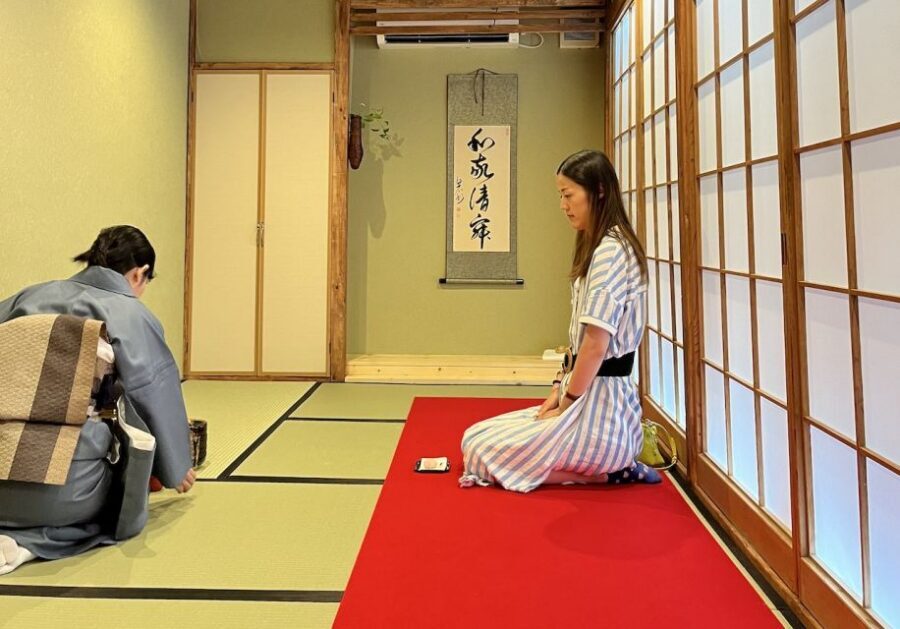
Learn tea ceremony history, watch a kimono-clad instructor prepare matcha, then whisk your own and enjoy a seasonal sweet in Osaka.
A bowl of matcha is only the beginning here. In 45 minutes, you’ll hear what the tea ceremony is for, watch a kimono-clad instructor prepare tea, then take the whisk in hand and make your own in a traditional tatami room. It’s a compact way to meet a Japanese custom through its gestures, not just a photograph.
I like two things in particular: the instructor explains the ceremony in clear English, and you get to try the tools yourself rather than watch from the sidelines. The seasonal sweet is a small but welcome part of the ritual, and at $25, the price includes matcha, confections and the entrance fee.
One practical catch: the meeting point can be tricky to find, and there may be nowhere to sit while you wait. The age instructions also conflict, so check with the operator before booking if you’re bringing children.
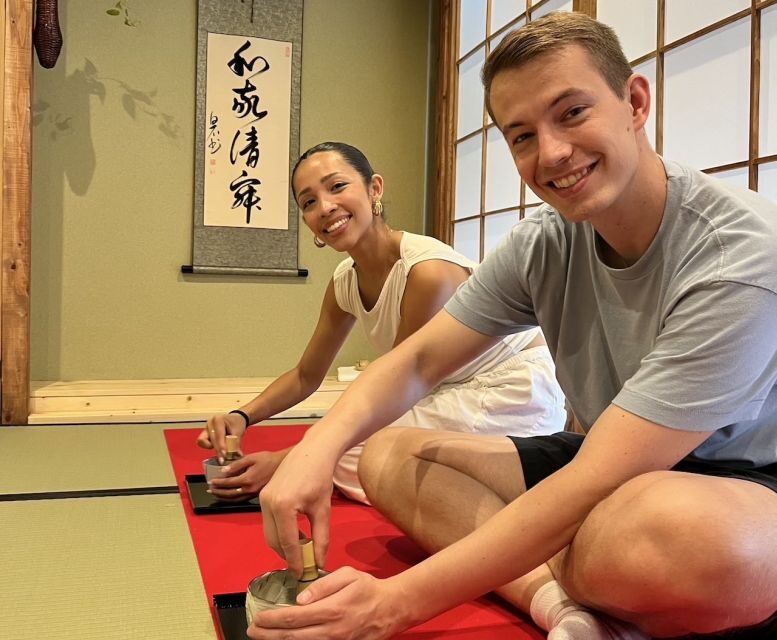
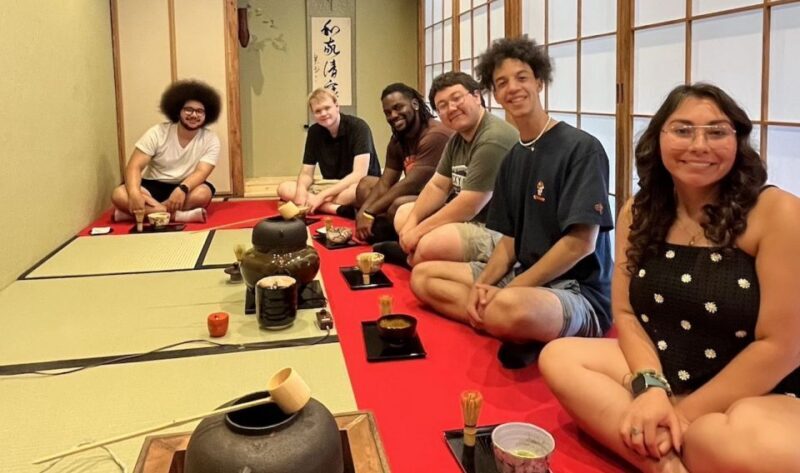
The venue is at 1-5-26 Dotonbori Higashi, Chuo Ward, Osaka, on the second floor. The meeting instructions ask you to search Google Maps for tea ceremony osaka the osaka, rather than rely on a vague search for a tea ceremony nearby. That detail matters: the address is precise, but the operator cautions that some people have trouble finding the entrance.
Plan your route before you leave and allow a little extra time. Arriving early is sensible, but do not assume you can settle into a waiting area. One attendee found the venue hard to locate and noted there was nowhere to sit while waiting. Aim to arrive with enough time to find the building, without turning up so early that you are left standing outside.
Once inside, the atmosphere changes. The ceremony takes place in a traditional tatami room, a setting that helps the session feel distinct from a quick café stop. It also asks you to slow down. The venue rules prohibit noise, jumping, food and strollers or baby carriages, which suit a quiet, focused activity rather than a casual drop-in.
The listed duration is 45 minutes. That makes this an easy cultural stop to fit between other Osaka plans, though one participant described sitting on the floor for about an hour. If you have a tight schedule, leave a little breathing room rather than planning your next activity to begin immediately after the stated end time.
Looking for more options in Osaka? Here are some other experiences worth considering.
The instructor welcomes you and gives an introduction to the history and meaning of the tea ceremony. This context is important. Without it, the careful handling of a bowl or whisk can look like a series of formal motions. With a clear explanation, you begin to see how the ceremony gives attention to preparation, serving and the people sharing the tea.
The instructors are Japanese, wear traditional kimono and lead the activity in English. They are described as having more than 10 years of tea ceremony experience. That combination makes the session useful for first-time visitors: you can ask questions and follow the explanations without needing prior knowledge of Japanese customs.
The hosts named by people who have taken the class include Yuki, Akiko, Kazu, Mayumi, Kana, Hise and Ayaka. The instructor on your date may be someone else, so treat those names as examples rather than a promise. What you can expect is an English-language introduction and a host who guides the ceremony and your own attempt at making tea.
The tone is educational but informal. You are not expected to arrive knowing the etiquette or to perform every movement perfectly. The instructor explains basic manners for serving tea, and the session leaves room for questions. That makes it an approachable first encounter with a tradition that can otherwise seem intricate from the outside.
After the introduction, the instructor performs a tea ceremony demonstration. Watch how the tools are handled and how the tea is prepared, while listening for the reasons behind the steps. The point is not simply to see matcha made, but to notice how the motions are deliberate and how the serving itself is treated as part of the occasion.
The tea bowls can be a memorable detail. One instructor, Kazu, took time to explain their significance, and the bowls were described as striking. That kind of explanation gives you something concrete to look at while the demonstration unfolds. Rather than trying to memorize a long sequence, focus on the care given to each object and movement.
This is a short introduction, not an advanced course in tea ceremony. You will learn some history and basic conduct, but the experience is designed to give a visitor a feel for the practice in a single sitting. If you want a lengthy lesson or extensive practice in formal etiquette, 45 minutes may feel brief. If you want a readable explanation and a chance to participate, the format makes good use of limited time.
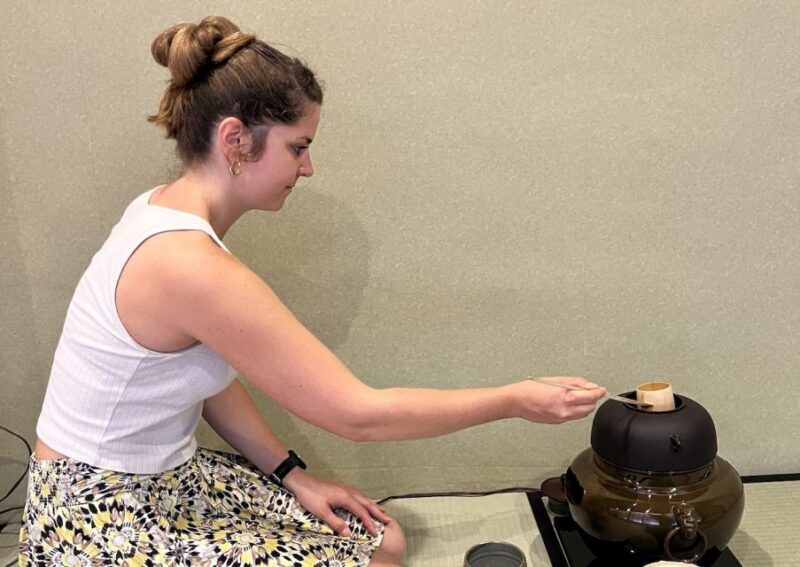
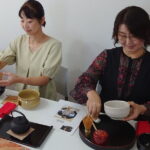
The hands-on part is where the ceremony becomes yours. Using traditional tools, you make your own bowl of matcha after watching the instructor’s demonstration. The host guides you through the process, so you do not need to know how to use the whisk beforehand. It is a simple, satisfying change of pace from only observing.
The experience includes matcha and Japanese confections. The sweet is served alongside the tea, and its seasonal character adds a detail that a packaged snack would not. Several participants have especially enjoyed the sweets, describing them as delicate or delicious. If you are unsure about matcha, this pairing is still worth trying: you can taste the tea as it is traditionally served, rather than judging it from a drink ordered on the go.
Do not book expecting a large meal. The included food is a confection to accompany the matcha, not a substitute for lunch. The venue also prohibits outside food, so eat beforehand if you need something more substantial.
Some sessions include more than one taste of matcha, but the specific sequence can vary. What is built into the activity is a demonstration, your own attempt at making tea, and time to drink it with a seasonal sweet. That blend of watching, listening and doing is the main reason this short class feels more complete than a simple tea tasting.
More Great Tours Nearby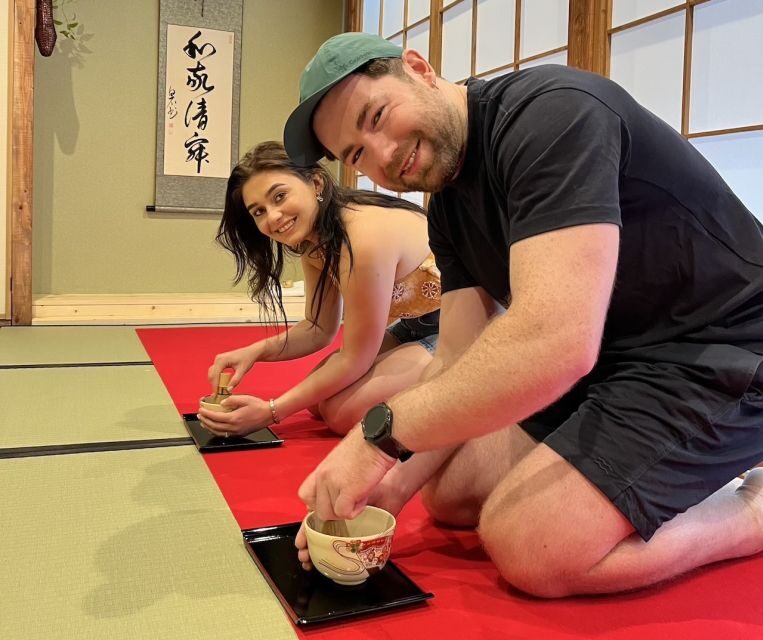
At $25 per person, the price covers the entrance fee, matcha and confections. You are also paying for an English-led explanation, a live demonstration and access to traditional tea tools in a tatami room. For a short cultural activity, that is a useful bundle: you leave with a basic understanding of the custom and have actually prepared a bowl yourself.
The value depends on what you want from the hour. If you are looking for a deep study of tea ceremony or a long, private session, this is not that. If you want an accessible introduction that fits into a busy Osaka itinerary, the combination of instruction, participation and tasting makes the fee reasonable. It gives you more than a photo opportunity, without asking you to set aside half a day.
The activity’s strongest feature is its balance. The history is explained, but the session does not remain a lecture. The demonstration is formal enough to show the care behind the ritual, while the hands-on part keeps the experience approachable. The sweets and tea provide a pleasant finish rather than an elaborate meal.
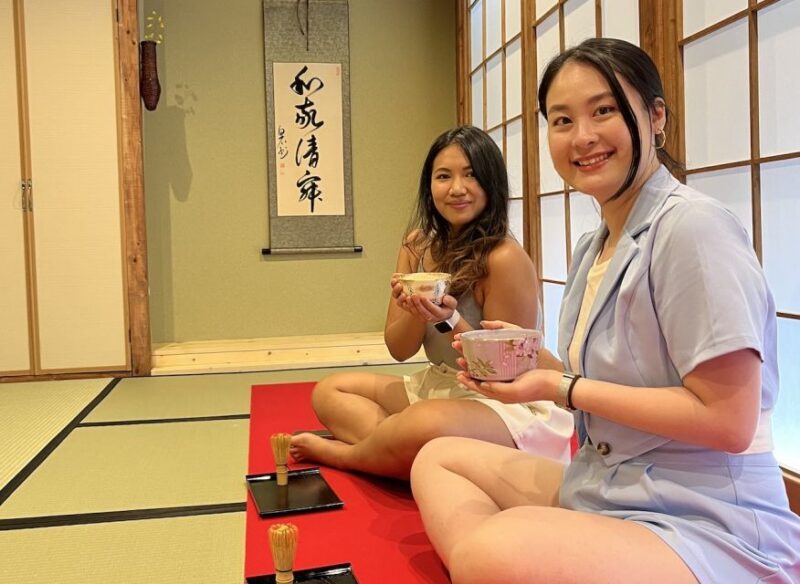
This activity suits adults and older children who are curious about Japanese customs, matcha or the details behind a familiar cultural image. It is also a good choice if you want a quiet break between sightseeing stops. The room, the measured pace and the act of whisking tea offer a contrast to a day spent moving through Osaka.
It is especially useful for first-timers. You do not need prior experience, and the instructor explains the process in English. If you already know tea ceremony well, the short format and introductory level may cover familiar ground. You may still enjoy the setting and tasting, but the class is aimed at giving visitors a first understanding rather than specialist instruction.
There is an important point for families: the age guidance is inconsistent. One note says children over 5 cannot participate, while another says children aged 5 and above need their own ticket and that children under 5 are not allowed. It also asks people bringing a child under 4 to contact the operator in advance. Do not guess which wording is intended. Confirm the rule directly before booking with children.
The room is intended to remain quiet, and strollers and baby carriages are not allowed. If you are traveling with a very young child, check the age policy and equipment restrictions before making plans. The floor seating may also be worth considering if sitting on tatami for an extended period is uncomfortable for you. The activity details do not describe alternative seating.
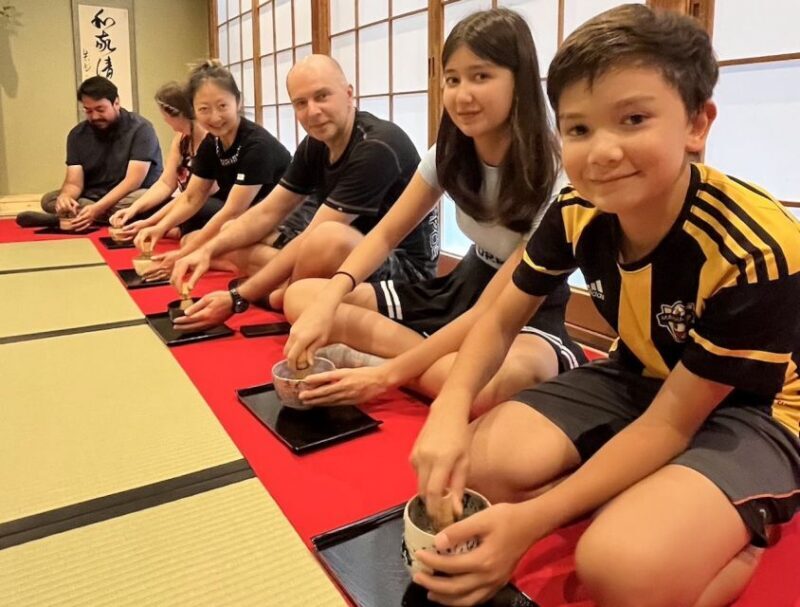
Book it if you want a short, hands-on introduction to Japanese tea culture, with an English-speaking instructor, a traditional room and a chance to make matcha yourself. At $25, the included tea and sweets make the price easy to assess, and the activity offers a useful cultural pause in central Osaka.
Skip it if you need a long, advanced lesson, a full meal or a child-friendly activity for a young family without first confirming the age rules. And give yourself time to find the second-floor venue. With those expectations set, this is a practical way to learn the meaning behind the ceremony and take part in it, rather than only watching from the doorway.
“Yuki was so kind, and it was such a lovely and cherished tradition to join in.”
The stated duration is 45 minutes. Allow a little extra time, since one participant described sitting on the floor for about an hour.
The listed price is $25 per person.
The entrance fee, matcha and confections are included.
Yes. The host or greeter speaks English, and an English audio guide is listed.
The instructor welcomes you and explains the ceremony’s history and meaning, demonstrates the tea preparation, then guides you as you make and taste your own matcha with a seasonal sweet.
The venue is at 1-5-26 Dotonbori Higashi, Chuo Ward, Osaka, on the second floor. The directions advise searching Google Maps for tea ceremony osaka the osaka.
No prior experience is specified as necessary. The instructor demonstrates the tools and guides you as you make your own matcha.
The age instructions conflict. One note says children over 5 cannot participate, while another says children aged 5 and above need their own ticket and children under 5 are not allowed. Contact the operator to confirm the rule before booking.
No. Strollers, baby carriages and outside food are not allowed.
Yes. You can cancel up to 24 hours in advance for a full refund.
You can check availability for your dates here: