Physical Address
304 North Cardinal St.
Dorchester Center, MA 02124
Physical Address
304 North Cardinal St.
Dorchester Center, MA 02124

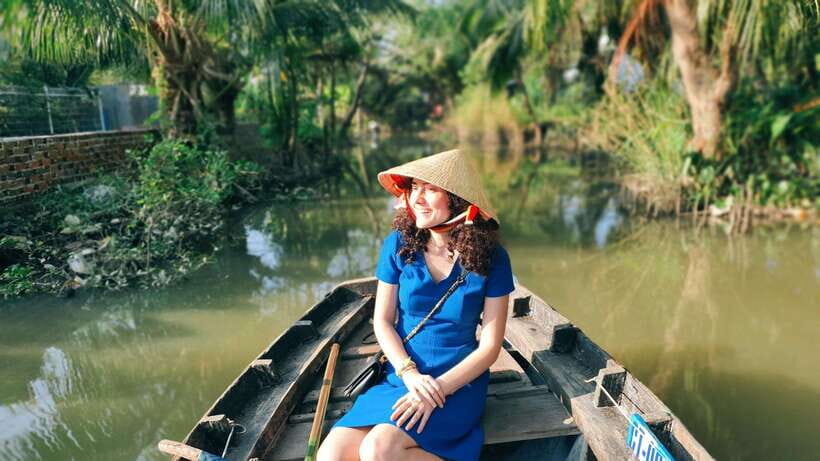
See Cai Rang at sunrise, eat breakfast aboard a sampan, then follow quiet canals to village life and a family cooking stop.
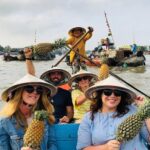
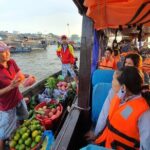
Cai Rang is at its most compelling before the day heats up: wooden boats trade produce, coffee travels from boat to boat, and breakfast arrives while you are still on the river. I like that this tour pairs the market with a family cooking stop and a village walk, so the morning is about more than a quick look at boats.
I also like the shift from the busier market to quiet canals and everyday river life. The main consideration is that Cai Rang is smaller and less commercially active than it once was, and you may see more tour boats than working boats. Go for the people, food, and waterways as much as the market itself.
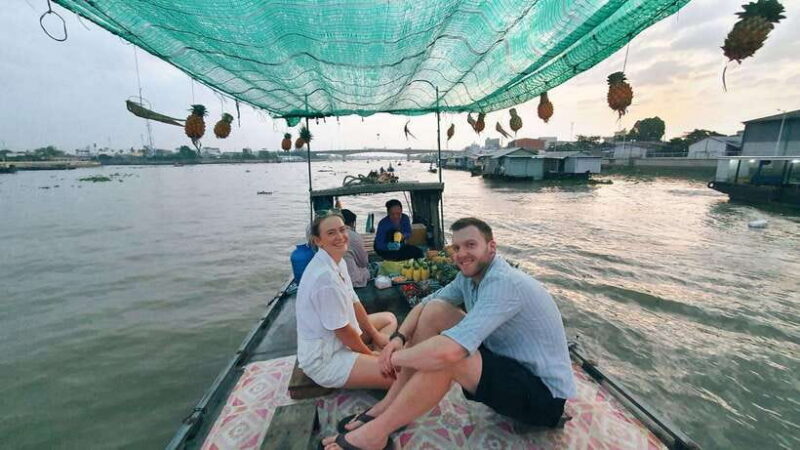
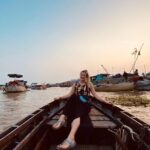
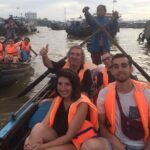
The 5:30 AM start is an early alarm, but it gives this six-hour outing its shape. You meet while Can Tho is still cool, then head out by sampan as first light reaches the river. The morning feels different from a daytime sightseeing trip: the water is calmer, the light is soft, and the market is beginning its work.
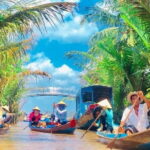
Cai Rang is a wholesale market, not a neat row of stalls set up for visitors. Boats gather to trade produce, vendors call across the water, and the breakfast scene is part of the market’s appeal. The English-speaking guide explains the market’s history and customs, helping you understand what you are seeing rather than simply watching boats pass.
Keep expectations realistic. The market has become less active than in its earlier years, and the volume of commercial trade can vary. You may see a mix of working boats and tour traffic, and the sight can be sobering if you notice plastic in the river. The market remains worth seeing, but it is best approached as one part of a wider look at life along the Mekong.
Shoppers can discover Can Tho's markets and boutiques through these guided experiences
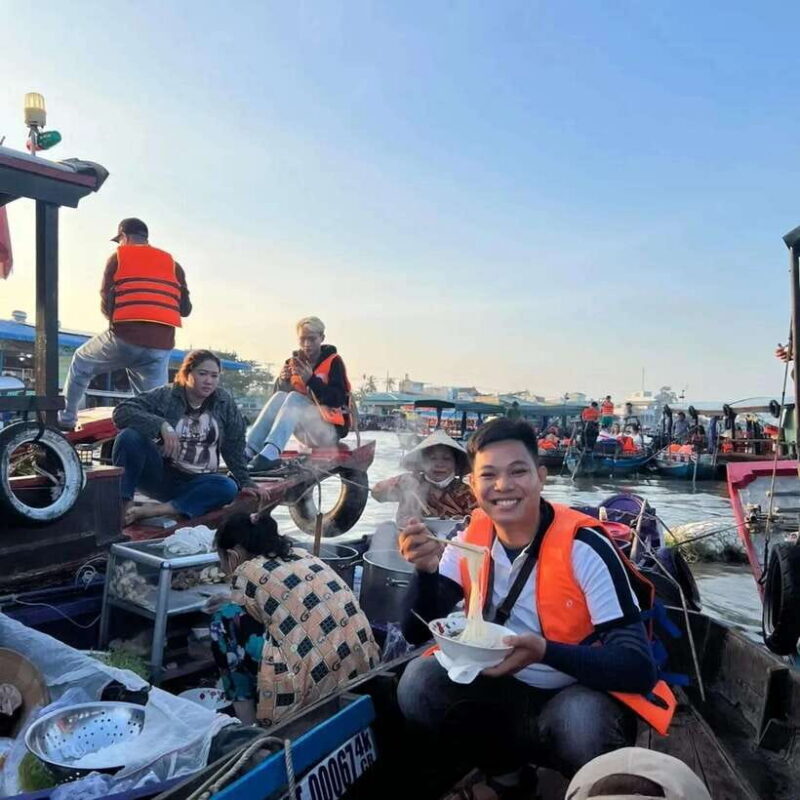
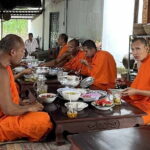
Breakfast is served on the boat, with savory noodle soup and Vietnamese coffee among the morning offerings. It is a simple meal, but eating on the water makes it feel firmly tied to the place. You are not stopping at a restaurant to imitate river life; you are taking breakfast while the river is already in motion.
The coffee is a useful part of the deal, too. It helps with the early start, and having food provided means you do not need to find breakfast before meeting the group. Vegetarian options are available, and the guide can accommodate dietary needs when you share them in advance. If you are vegan or have other restrictions, tell the operator before the tour and confirm your options when contacted.
This is a morning built around tastes and small exchanges, not a formal food tour. You may also sample traditional drinks and tropical fruit during the trip. Bring water as well, especially in the dry season, when the sun can become strong later in the morning.
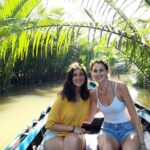
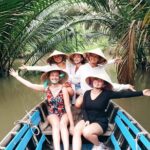
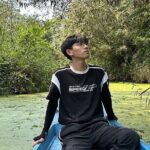
After the market, the boat turns toward narrower waterways. This change of pace is one of the tour’s strengths. The main river offers movement and activity; the canals bring you closer to the quiet edges of the Delta, where you can hear birds and see gardens and homes along the banks.
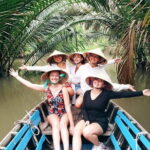
The sampan is a practical way to reach these smaller channels. You can stay seated and watch the banks pass, with the breeze and river sounds replacing the calls of market sellers. A small boat also makes the outing feel more personal than a large coach-based excursion, though the exact group size and boat arrangements may depend on the option you book.
The canal section is not a dramatic attraction with a single photo stop. Its value is in the slower pace and the details: the shape of riverside gardens, the way homes sit close to the water, and the contrast with the more open market. If you are expecting a packed list of major sights, this stretch may feel quiet. That is the point.
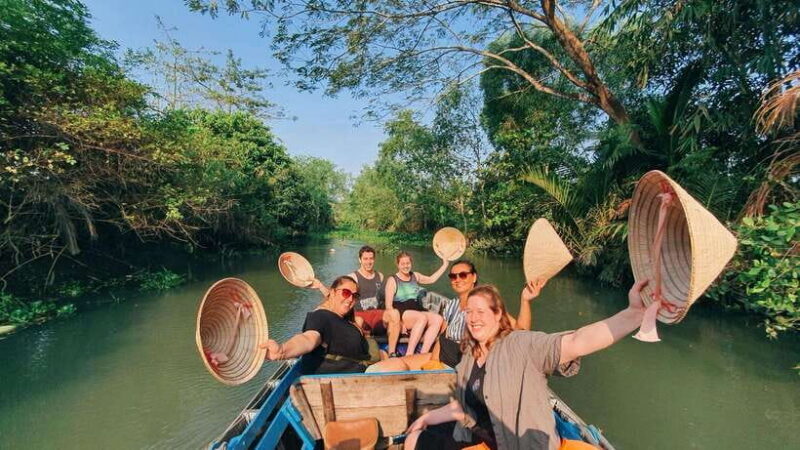
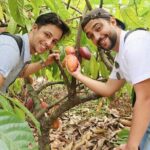
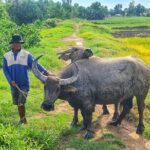
At some point, you step ashore for a short walk through a local village. The route passes tropical fruit gardens and gives you a ground-level view of daily life that the boat cannot provide. It is a modest walk rather than a strenuous hike, but comfortable shoes are still a good idea.
I value this stop because it changes your angle on the Delta. From the boat, you see the river as a route and a workplace; on foot, you notice the homes, gardens, and paths that connect river life to the land. The walk also breaks up the boat time without turning the morning into a succession of commercial attractions.
There is no promise of a staged demonstration at every turn. The emphasis is on a short, unhurried look around, with your guide adding context as you go. Be respectful when passing homes and gardens, and follow the guide’s lead about where to walk and when to take photographs.
More Great Tours Nearby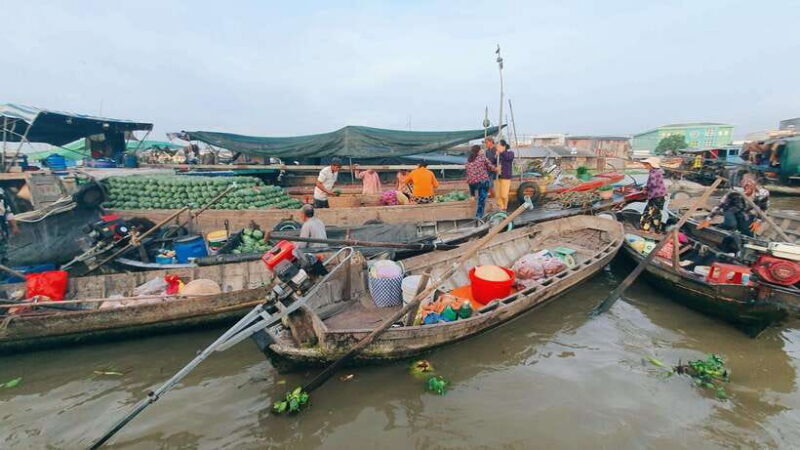
The family stop is a central part of the day, and often a highlight. You join in with traditional cooking and daily activities, with reviews describing a hands-on lesson in making savory pancakes, including banh khot. The exact food activity may vary, but the aim is to make and taste something together rather than watch a distant demonstration.
Cooking over a firewood stove is part of the experience described for this visit. It gives you a small, practical sense of how food is prepared in a home setting, while the guide helps explain the dish and its place in local life. This is not a restaurant meal with a scripted cultural show. It is a chance to spend time in a family home, ask questions, and share food.
The stop is valuable partly because it is personal. You are being welcomed into someone’s home, so the visit works best when you approach it with curiosity and care. It is also a good place to slow down after the early market start. The cooking is hands-on, but it is not a full culinary course; think of it as a shared activity with a tasty result.
You might also be interested in these Can Tho experiences
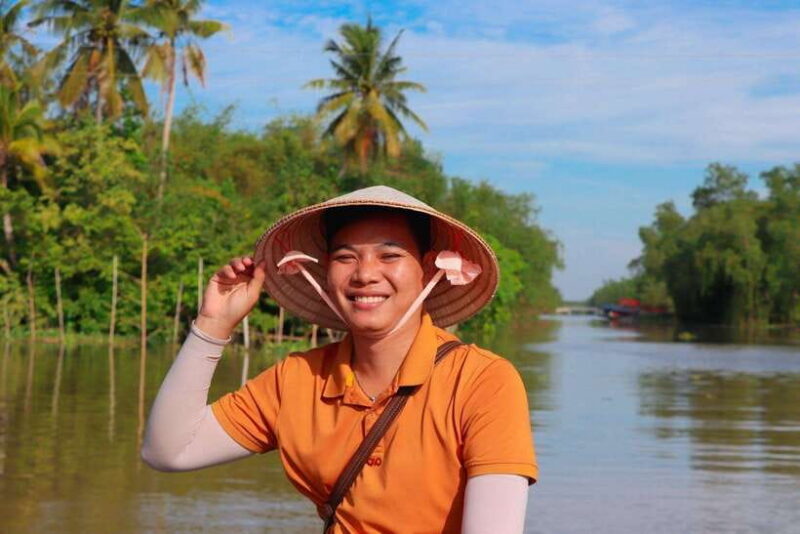
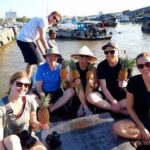
After the cooking stop, the tour makes room for a quieter pause. At a thatched hut by the water, you can try fresh seasonal fruit and Vietnamese green tea, with hammocks available for resting. By this point, the sun is higher and a few minutes of shade can feel like a welcome luxury.
This is not filler between attractions. It gives the morning a human pace: eat, talk, rest, and let the river set the tempo. The fruit also offers another chance to learn about local produce, especially if your guide explains what you are tasting. If you are keen to keep moving, the pause may feel long; if you have been up since before dawn, you will probably appreciate it.
The tour includes refreshments and tropical fruit, but personal purchases are not covered. Bring a little cash if you expect to buy anything beyond what is included, and remember that the listed price does not include personal expenses.
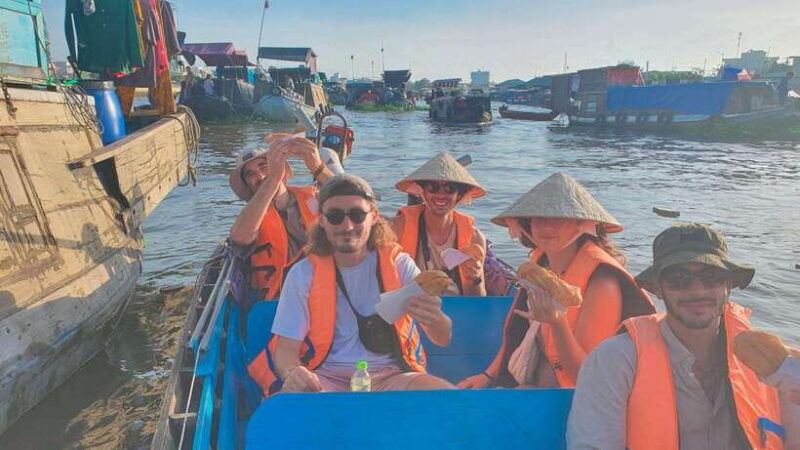
Before heading back, the boat returns to the floating-market area for a quieter, closer look. The tour may include a visit to a floating house and a chance to meet people who live on the river. This stop can be more intimate than the first pass through Cai Rang because the focus shifts from the market as a spectacle to the home as a place of work and daily routine.
That distinction matters. Floating markets are changing, but river life does not begin and end with trading. Seeing a family home helps make the waterways feel less like scenery and more like a lived-in environment. It also gives you a second look at the market, now with the guide’s earlier explanations in mind.
The tour’s most memorable moments may come from these encounters rather than a dramatic market scene. Guides such as Sophia, Cory, Thao, Clara, Sunny, and Khôi are praised for explaining local customs, answering questions, and keeping the mood relaxed. Your guide will depend on the departure, but the English-language guiding is a key part of making the stops meaningful.
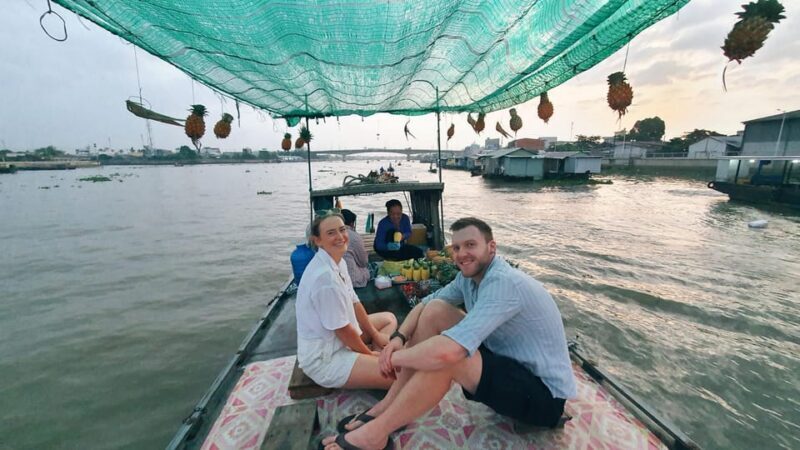
At about $26 per person, the price covers a six-hour morning with sampan transport, an English-speaking local guide, breakfast, traditional drinks, tropical fruit, and a cooking activity. You are also getting several distinct settings in one trip: the main river, smaller canals, a village, a family home, and the floating market area again.
That is strong value if you want more than a short market ride. The price includes food and a guided program, and the varied pace means you are not paying only to sit on a boat. It is especially appealing if you are already staying in Can Tho and want a focused morning that connects the famous market with quieter local life.
The value depends on what you hope to see. If your main goal is a huge, crowded floating market, you may find Cai Rang less imposing than expected. If you want a full-day excursion or a long village trek, this is not that either. Its strength is the balance of river time, a short walk, cooking, food, and conversation within a half-day outing.
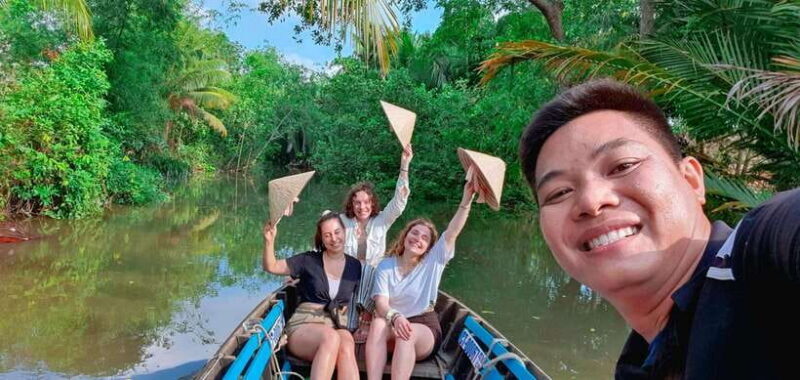
The tour starts at 5:30 AM in Can Tho and lasts about six hours, sometimes a little longer if the river current affects the schedule. The stated end time is around 11:30 AM. That leaves much of the day free, and if you are tired after the early start, you can plan for a quiet afternoon.
For the group tour, there is no hotel pickup. Meet at the location on your ticket, next to Ben Pha Xom Chai, and arrive about five minutes early. Private tours have an optional pickup service. The guide contacts you a day in advance, so provide a WhatsApp number and confirm your attendance.
Wear comfortable clothes and shoes, and bring sunglasses, a hat, sunscreen, water, and insect repellent. The morning starts cool, but the sun can become intense by late morning. The activity is not suitable for pregnant women, people with back problems, wheelchair users, people with altitude sickness, or anyone over 95 years old.
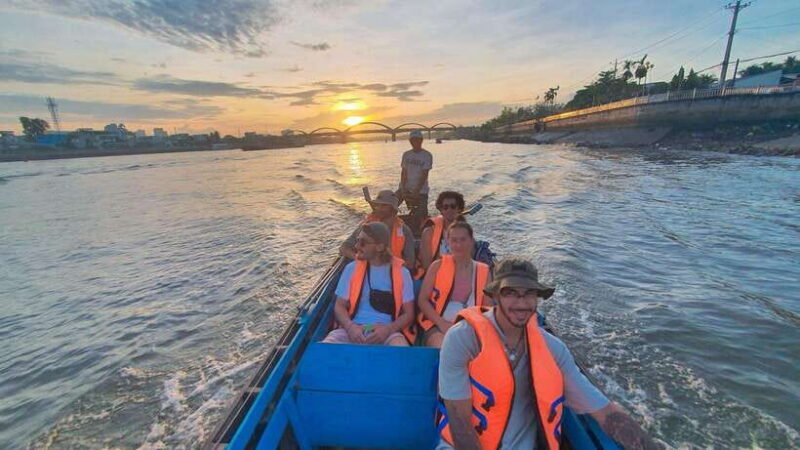
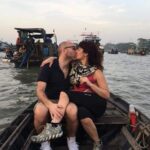
I would choose this trip if you want to understand Can Tho through its waterways, food, and family life, not only tick off the floating market. It suits curious eaters, early risers, couples, and small groups who enjoy conversation and a little hands-on cooking. Families may also find the mix of boat travel, fruit, and making food appealing, though the 5:30 start is worth weighing with children.
It is less suited to anyone who needs a late start, wants a purely market-focused trip, or prefers a highly polished attraction with fixed displays. The market’s current scale can be modest, and the tour includes quiet stretches where the point is simply to observe. For me, that slower rhythm is an advantage, provided you know what you are booking.
Book this Can Tho tour if you are willing to get up early and want a balanced introduction to the Mekong: Cai Rang at dawn, breakfast and coffee aboard a sampan, peaceful canals, a village walk, and a family cooking stop. At $26, the combination is good value, and the personal guiding helps connect the different parts of the morning.
Skip it if you expect the floating market alone to deliver a vast, nonstop trading scene. Cai Rang has changed, and the more lasting appeal here is the complete morning, especially the small canals, shared cooking, and visit with a family on the water.
“Amazing tour! best one in vietnam so far. Sophia was amazing, she was so nice and friendly and gave us a lot of information! The activities were re…”
It starts at 5:30 AM in Can Tho. Arrive about five minutes early to help the small group depart smoothly.
Plan on about six hours. It can run a little longer depending on the river current, and the expected finish is around 11:30 AM.
There is no pickup for the group tour. Pickup is optional for private tours only. Check your ticket for the meeting point.
The meeting point is next to Ben Pha Xom Chai in Can Tho. The guide will be waiting with a sign and will contact you one day before the trip.
The tour includes a savory noodle soup breakfast, traditional drinks, tropical fruit, and a local cooking activity. Vietnamese coffee is served during the market visit.
Yes. Vegetarian breakfast options are available. Share dietary needs in advance so the guide can plan for them.
Bring comfortable shoes and clothes, sunglasses, a sun hat, sunscreen, water, and insect repellent.
Private and small-group options are available. The tour is described as a small group of about six people.
It is not suitable for pregnant women, people with back problems, wheelchair users, people with altitude sickness, or people over 95 years old.
You can check availability for your dates here: