Physical Address
304 North Cardinal St.
Dorchester Center, MA 02124
Physical Address
304 North Cardinal St.
Dorchester Center, MA 02124

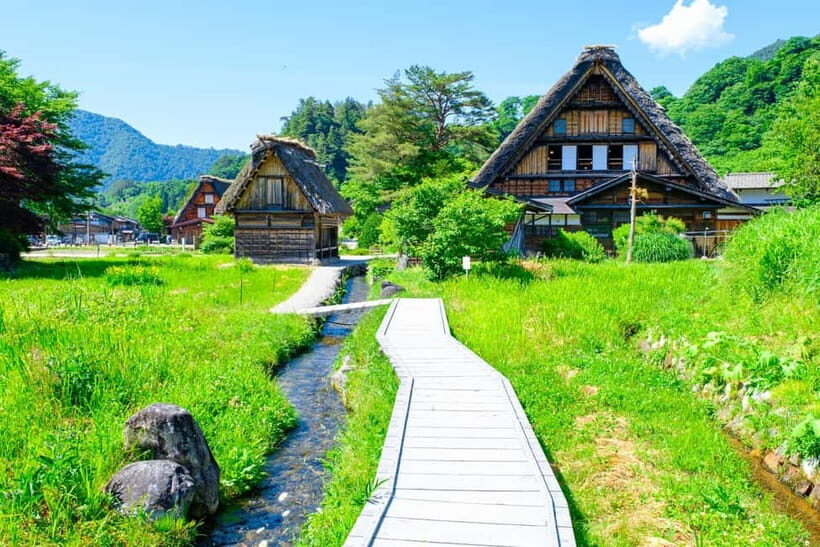
Visit Gujo Hachiman, Takayama, and Shirakawa-go from Nagoya in one long, affordable day, with a guide and bus transport included.
Gujo Hachiman’s narrow waterways, Takayama’s old merchant streets, and Shirakawa-go’s steep thatched roofs make an appealing trio of historic places to see in one day from Nagoya. For $61 per person, this bus tour takes care of the long connections between them and gives you time to explore each stop.
I like the contrast between the three towns: Gujo’s water-side lanes feel intimate, Takayama has shops and local food, and Shirakawa-go brings the mountain setting and gassho-zukuri farmhouses. I also like that you can follow the guide or use your free time independently.
The trade-off is a long day with plenty of bus time and short visits, especially if you want to see every corner, stop for a meal, or enter historic houses. Think of this as a well-organized introduction, not a slow visit.
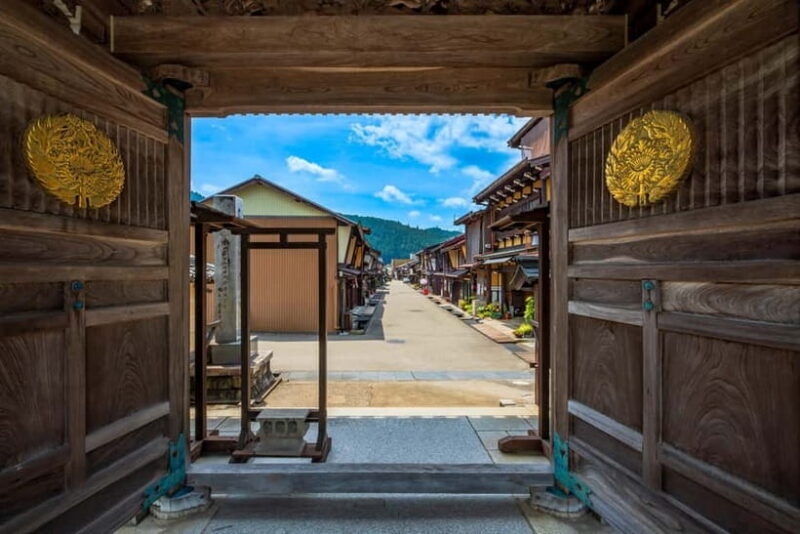
This tour is a practical way to see several parts of Gifu Prefecture without arranging separate train or bus connections. The stops offer different kinds of interest: Gujo Hachiman is a riverside town, Takayama is a former castle town with old streets and shops, and Shirakawa-go is known for traditional farmhouses and mountain views.
The schedule is tight by design. You spend about an hour in Gujo, two hours in Takayama, and an hour and a half in Shirakawa-go, with roughly six and a half hours of bus travel spread across the day. That adds up to an 11-hour outing, so bring a little patience for the road as well as comfortable walking shoes.
I see the main value here as getting to three places in one day without managing the transport yourself. The bus keeps the route simple, while the guide gives you context and suggestions for making the most of limited free time. The arrangement works best if you are happy to see the highlights rather than linger.
Looking for more options in Nagoya? Here are some other experiences worth considering.
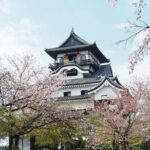
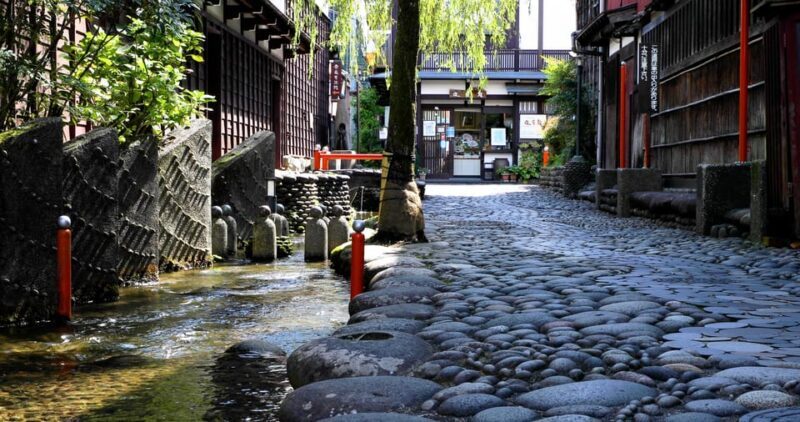
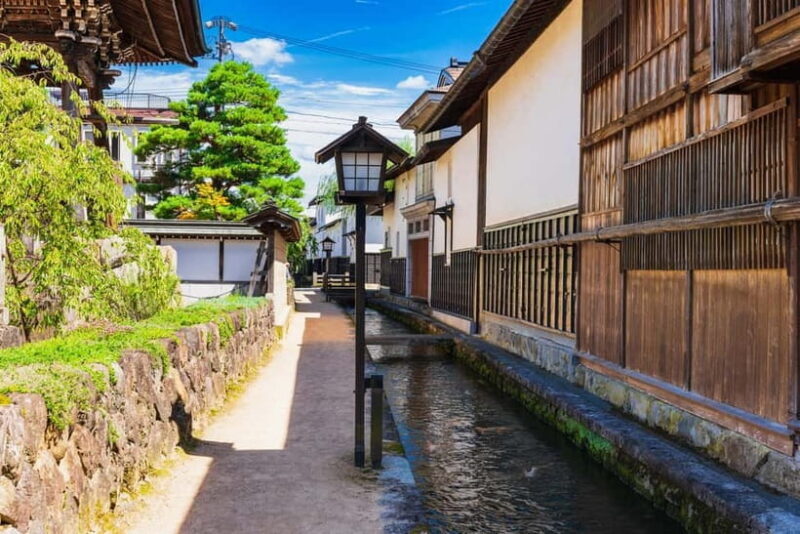
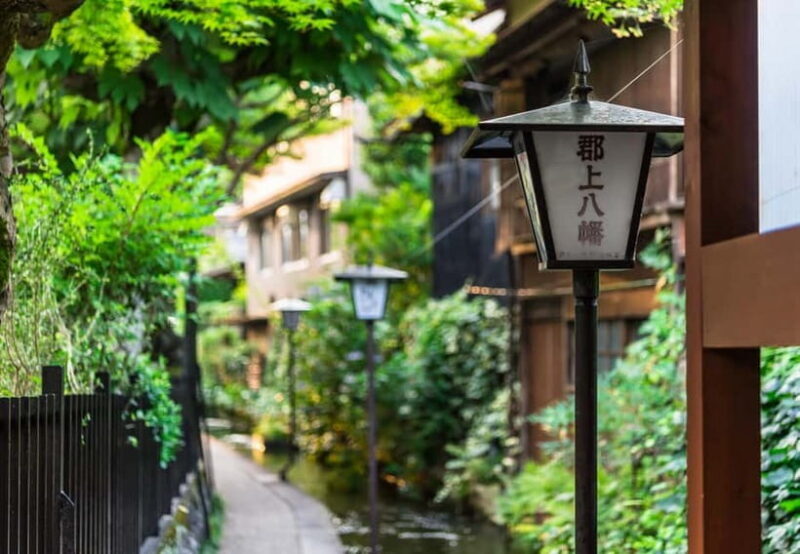
Gujo Hachiman is the first stop, about an hour and a half from Nagoya. Its old streets retain an Edo-period feel, with rows of traditional houses and waterways running close to the buildings. The town’s historic building group has been selected as an important traditional buildings preservation area by Japan’s national government.
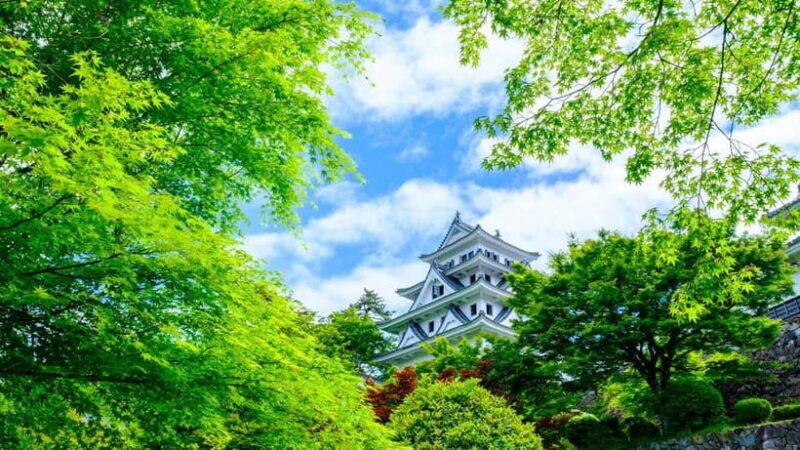
You have about an hour here. That is enough for a compact walk and a look at the water-side streets, but not necessarily enough to explore every corner at a relaxed pace. If you are tempted by the uphill walk to the castle, plan carefully: walking up and down can take a substantial share of the stop, leaving less time to wander the town below.
This is the most time-sensitive stop. I would choose one priority before leaving the bus: the town’s lanes and waterways, or the castle visit. Trying to do both may make the stop feel rushed. The guide can help you decide how to use the time, but the clock still matters.
After another drive of about an hour and a half, the tour reaches Hida Takayama for two hours. The town’s historic center grew around its role as an Edo-period castle town. You can stroll among wooden buildings, browse traditional Hida craft shops, and stop at candy stores or local food stalls.
Takayama is the longest stop, and that extra time matters. It gives you a chance to walk at your own pace, eat, and browse without turning the visit into a quick photo stop. Still, two hours goes quickly if you want a proper meal and a thorough look around, so keep an eye on the return time and avoid letting lunch consume the whole visit.
Food is part of the appeal here. The tour information encourages you to try local specialties, and guides have offered practical suggestions for places to eat and shop. You are not required to stay with the guide throughout the stop, so you can follow recommendations or use the time to explore on your own.
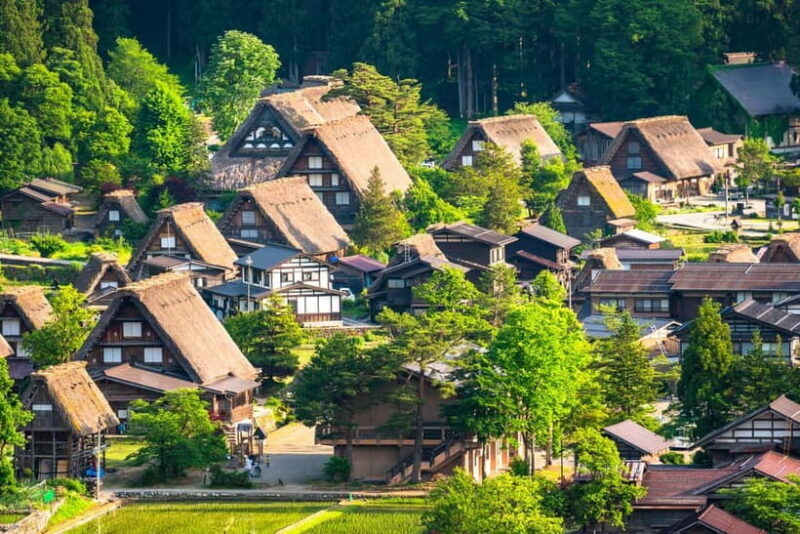
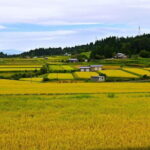
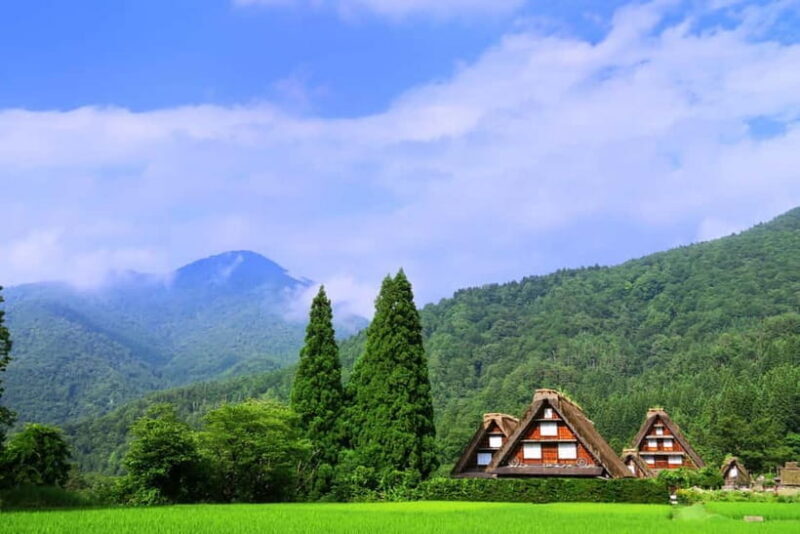
The final visit is Shirakawa-go, about an hour from Takayama, with around 90 minutes to explore. The village is part of the UNESCO World Heritage listing that includes Shirakawa-go and Gokayama, recognized for its gassho-zukuri farmhouses. Their steep, thatched roofs are designed to handle heavy snow, and the homes sit among mountain scenery that gives the village much of its appeal.
This is often the highlight for visitors who come especially to see the farmhouses. The buildings vary in size, and you can admire their unusual construction from outside as you walk through the village. Some houses can be entered for an additional fee, reported at roughly 300 to 400 yen per house, so carry some extra yen if you want to go inside.
The 90-minute visit is enough to see the village and take in the setting, but it can feel short if you want to explore several houses, eat, and take photographs. In winter, snow can make the village especially striking, but shorter daylight and cold temperatures are worth preparing for. One visitor noted a temperature of about 3°C, so check the forecast and dress for the conditions rather than assuming the lowland weather in Nagoya will match.
Food options can also be limited late in the day. Some restaurants close around 3:30 or 4:00 p.m., so do not count on finding a hot meal after a leisurely visit. If eating is a priority, ask the guide about timing and options before setting off to explore.
More Great Tours Nearby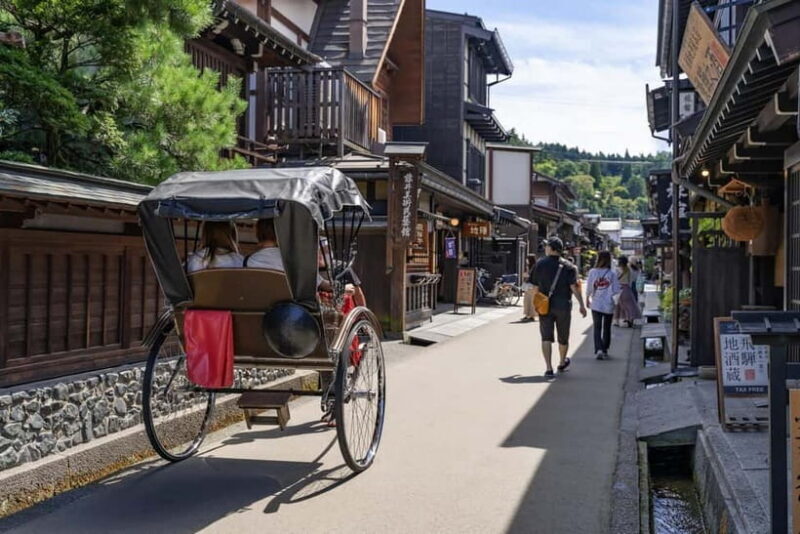
The guide speaks English and Japanese, and guides on past departures have also spoken other languages, including Chinese. Names such as Wang, Cici, Moe, and Sirius have been associated with previous trips, but the assigned guide can change. The strongest practical benefit is often the short briefing before each stop: where to go, what to look for, and when to return.
This is not necessarily a continuous walking tour. At each location, you can often choose to follow the guide or explore independently. That flexibility is useful if you prefer to set your own pace, but it also means you should listen closely to the meeting time and place.
Guides may speak to a multilingual group in more than one language. That can help make the trip accessible to a wider mix of people, though explanations may take longer and can be harder to hear while walking. Some visitors have found bus announcements echoey, and there are no headphone devices for listening to a walking commentary. If detailed historical explanation is your main goal, prepare to ask questions during quieter moments or read a little about each town beforehand.
The bus is the backbone of the tour, not just a convenience. These stops are spread across the region, and arranging the connections independently takes planning. A comfortable coach and a careful driver make the long transfers easier, but the hours on the road remain part of the bargain.
At $61 per person, the price is attractive for an 11-hour trip covering three destinations with bus transportation and a guide included. The value is strongest if you would otherwise need to plan and pay for several separate connections. You are also buying simplicity: one meeting point in Nagoya, one vehicle for the day, and a set schedule linking the stops.
The price does not mean every activity is covered. Entry to some houses at Shirakawa-go costs extra, and food and shopping are also separate expenses. Keep a little spending money available if you want to sample local food or enter a farmhouse.
The tour has a rating of 4.4 from 398 reviews, a solid overall score for a fast-paced group outing. Praise commonly centers on the scenery, the variety of the three stops, helpful recommendations, and the convenience of seeing rural places without arranging a car. The recurring caution is also clear: time is limited, and the multilingual group format can affect how much detail you hear.
Meet at 8:20 a.m. in front of the Nishi Koban police box at the Taiko Exit of Nagoya Station. The guide carries a blue Wonder Tours flag. From the Taiko Exit, walk toward the taxi terminal, about 20 meters away; the police box is on the right.
Construction around Nagoya Station has made the meeting area confusing at times, so allow extra time to find the police box rather than arriving at the last minute. The tour returns to the same meeting point after the final drive, scheduled at about two and a half hours from Shirakawa-go.
You can reserve now and pay later, and cancellation is free up to 24 hours in advance for a full refund. Check the available departure time when booking, since the tour’s start times depend on availability.
I would choose this trip if you have limited time in Nagoya, want to see several traditional places, and value straightforward transport over a slow, highly detailed visit. It is particularly useful if you do not want to arrange the connections yourself or would rather avoid the added work of driving.
It is less suited to you if you want a long lunch in Takayama, several hours in Shirakawa-go, or an unhurried visit to Gujo Hachiman’s town and castle. For that kind of trip, visiting fewer places independently would give you more freedom.
For most people considering a one-day countryside outing, the choice comes down to pace. Book it if three distinct stops and an easy transport plan matter more than lingering. If Shirakawa-go is your main reason for going, consider whether you would be happier giving that village more time on a separate visit.
“The entire trip went smoothly. Our guide was knowledgeable and gave us information about restaurants and shops to visit. Takayama was very nice to …”
The tour lasts 11 hours. The day includes bus travel between Nagoya, Gujo Hachiman, Takayama, and Shirakawa-go, followed by a return to Nagoya.
Meet at 8:20 a.m. in front of the Nishi Koban police box at the Taiko Exit of Nagoya Station. The guide holds a blue Wonder Tours flag.
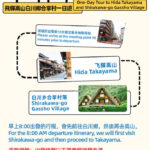
The scheduled stops are Gujo Hachiman, Hida Takayama, and Shirakawa-go. You have about one hour in Gujo, two hours in Takayama, and an hour and a half in Shirakawa-go.
The tour provides an English- and Japanese-speaking guide. Guides on past departures have also spoken other languages, but the guide assigned to your trip may vary.
Yes. Transportation by bus and an English- and Japanese-speaking guide are included in the tour price.
Yes. You can reserve now and pay later, and you can cancel up to 24 hours in advance for a full refund.
You can check availability for your dates here: