Physical Address
304 North Cardinal St.
Dorchester Center, MA 02124
Physical Address
304 North Cardinal St.
Dorchester Center, MA 02124

Review of Kyoto and Nara’s landmark-packed bus tour, with practical advice on timing, stops, lunch options, value, and who should book.
Nara’s free-roaming deer, Kyoto’s gold-leaf pavilion, and Fushimi Inari’s red torii gates are a lot of Japan to fit into one day. This coach tour links those famous sights with Arashiyama’s bamboo paths, so you can spend your energy exploring instead of planning a chain of train and bus connections.
I like the time saved by travelling directly between far-flung stops and the chance to choose a meal package, including shabu-shabu or sukiyaki. The trade-off is a brisk schedule: you get roughly 40 minutes to 1 hour 20 minutes at most stops, and traffic or weather can change the plan.
This is a practical way to see major sights spread across Kyoto and Nara without piecing together local transport. The coach is air-conditioned, tolls and parking are covered, and round-trip transfers from the meeting point are included. For a first visit, that can remove a fair amount of friction.
The pace is the price of that convenience. Each stop is self-guided, so the guide can explain the plan and share context, but you choose how to use your time. If you want to linger over temple details, hike deep into the forest paths, or sit for a long lunch, this route will feel tight.
The planned stop durations give you a useful sense of the day: around 1 hour 20 minutes at Nara Park, two hours in Arashiyama, 40 minutes at Kinkaku-ji, and 1 hour 20 minutes at Fushimi Inari. The exact order may change, and traffic or weather can affect what fits. Some attractions may be skipped if capacity or conditions require it, so treat the route as a packed plan rather than a guarantee of an unhurried visit.
You might also be interested in these Kyoto experiences
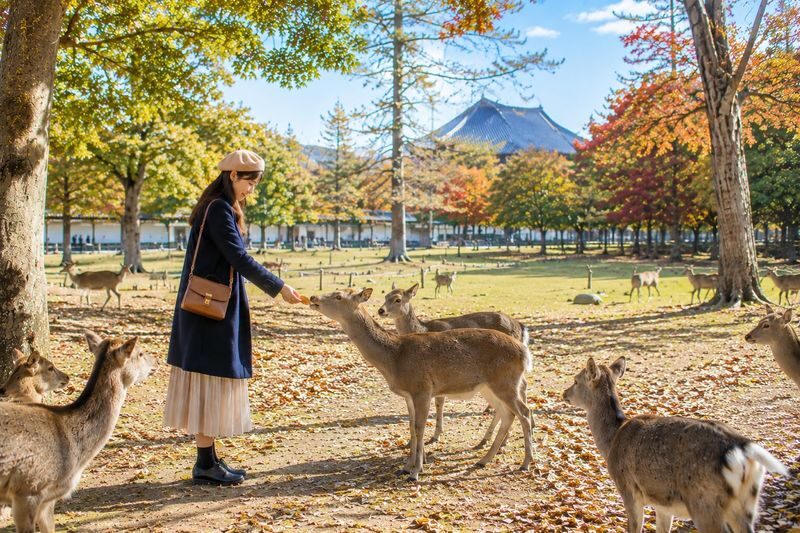
Nara Park is known for its free-roaming deer, traditionally regarded as sacred messengers. You can buy deer crackers nearby and feed them, but keep a close eye on your food and belongings. The deer are tame enough to approach, not plush toys, and they can be persistent when they spot a snack.
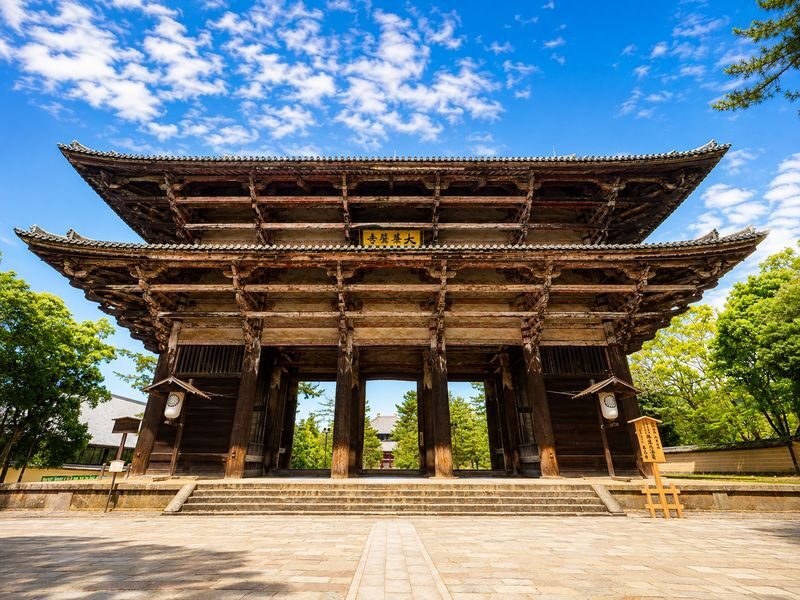
The park also gives you access to important religious sites, including Todai-ji Temple and Kasuga Taisha Shrine. Todai-ji’s Great Buddha is one of the tour’s headline sights, but note the distinction between visiting the park area and entering the temple: Todai-ji admission is not included. With only about 80 minutes in the Nara stop, you’ll need to decide whether deer time or temple time matters more to you.
This is a satisfying taste of Nara, especially if you have limited time in the region. It is not enough for a leisurely look at every temple and shrine. Wear shoes that are comfortable for walking, and keep the return meeting time firmly in mind.
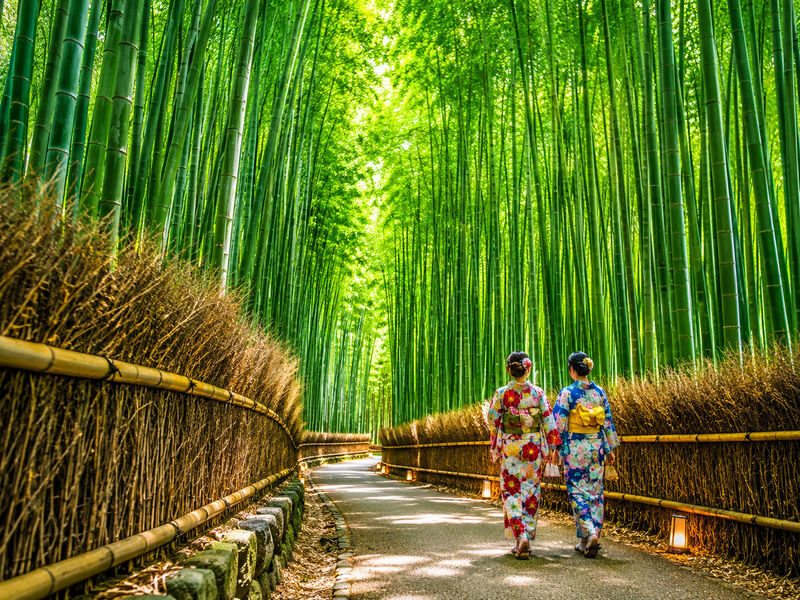
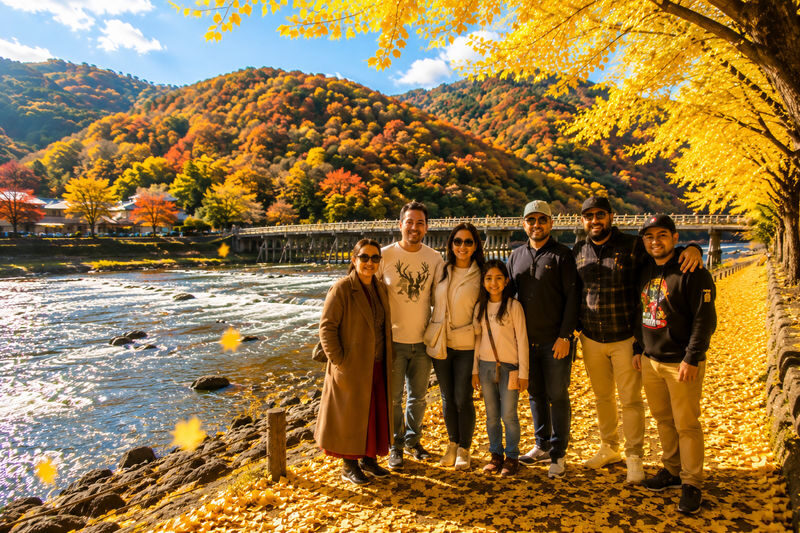
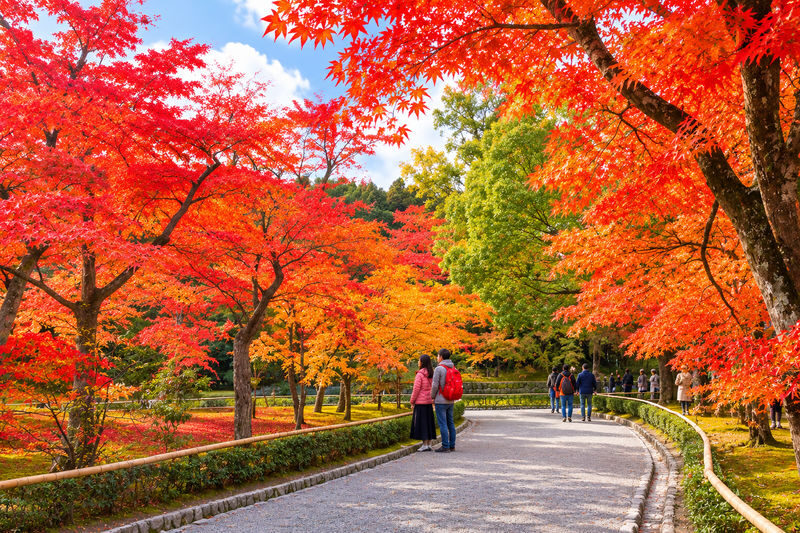
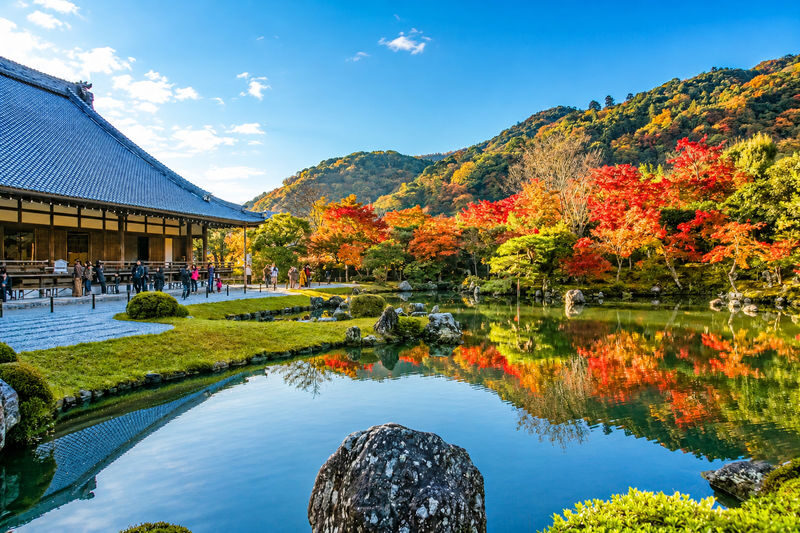
Arashiyama gets about two hours, making it the longest stop. Its familiar sights include the bamboo forest, Togetsukyo Bridge over the Oi River, Tenryu-ji Temple, and Kimono Forest. The area is especially popular during cherry blossom and autumn foliage seasons, when seasonal colour adds to the scenery.
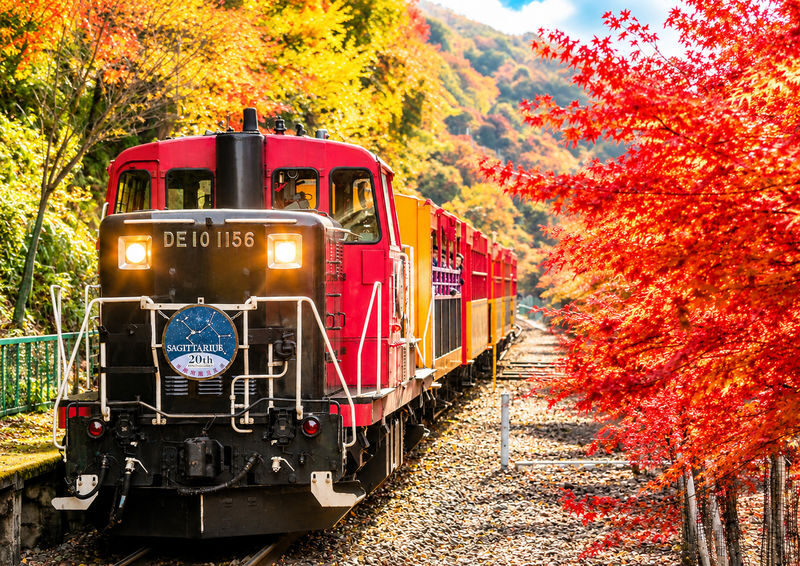
You can walk through the bamboo grove and head toward the bridge, but the stop is not a guided, step-by-step tour of every attraction. Tenryu-ji’s admission is extra, and the Arashiyama sightseeing train ticket is also not included. Choose your priorities before you arrive if you want to avoid spending precious time deciding on the spot.
Two hours offers a reasonable introduction, though it can feel short if you want to visit temple grounds, browse, and take a slow walk. The tour’s main advantage here is simple: the bus takes you to the area, which can save you the effort of coordinating transport from the other stops. You still need to manage your own time on foot.
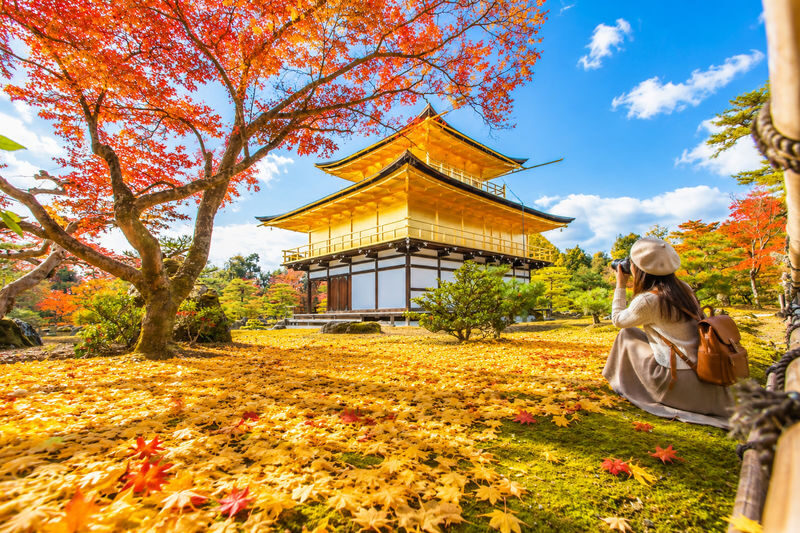
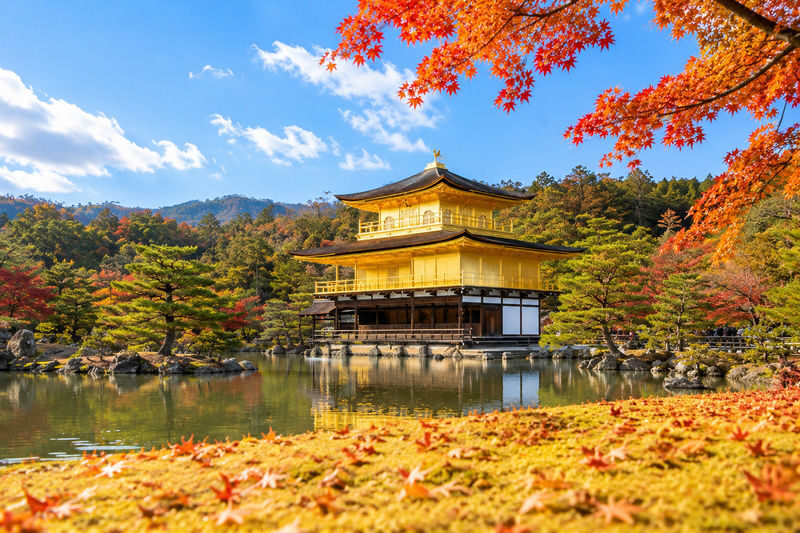
Kinkaku-ji, officially Rokuon-ji, is a World Heritage site best known for its gold-covered pavilion beside Mirror Pond. The setting changes with the seasons, and the reflection across the water is part of the appeal. The admission ticket is included, one less fee and queue to sort out independently.
The visit lasts about 40 minutes. That is enough for a look at the famous pavilion and its surroundings, but not a long temple visit. If you’ve seen photographs, the real pleasure is taking in how the gold catches the light and how the building sits against the garden and pond.
This stop is a good example of the tour’s strengths and limits. You get easy access to a celebrated Kyoto sight, but you won’t have much time to pause. Keep your camera ready, then enjoy the view rather than trying to make the stop into a full afternoon.
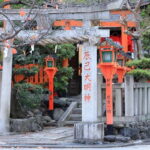
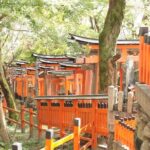
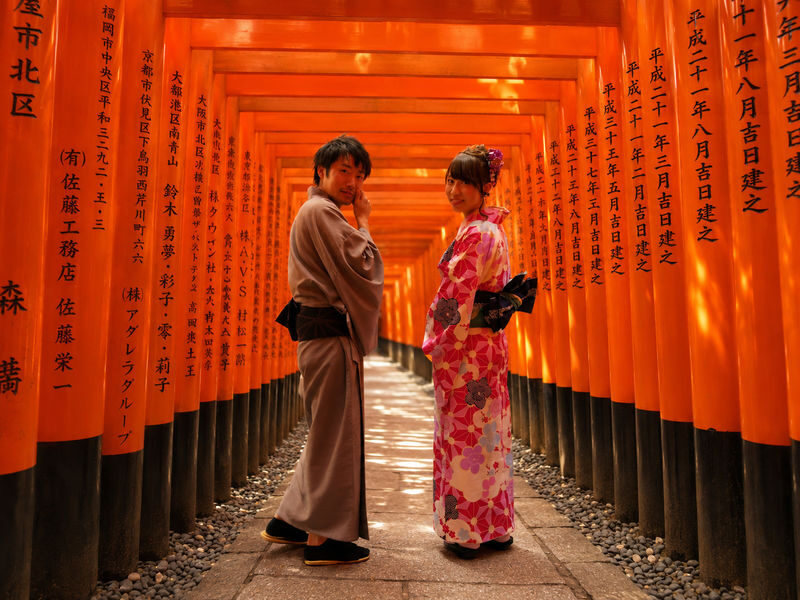
Fushimi Inari Taisha is famous for thousands of vermilion torii gates that form striking passages up the hillside. Fox statues appear along the paths as messengers associated with the shrine. The scale of the gates is memorable even if you only walk a short section.
You get about 1 hour 20 minutes here. That gives you time to explore the lower shrine area and enter the gate paths, but it is not enough to assume you’ll hike the entire route. The full experience depends on how far you walk, so turn back when needed to meet the group on time.
There is an important date restriction: the tour information says Fushimi Inari is inaccessible from January 1 to 5 for this visit. Check the details for your travel date before booking, particularly if you’re planning a New Year trip.
A day that links Kyoto and Nara can involve multiple train or bus journeys and careful attention to departure times. Here, you board once and travel between the main areas by air-conditioned coach. That is particularly useful in summer heat, when stepping back onto a cool bus between outdoor stops can be a welcome reset.
The group size can range from 1 to 49, so the feel of the trip may vary. The guide speaks English or Mandarin according to the package selected. Guides named Nick, Harid, Mike, and Eric have led past departures; names and language arrangements vary, so don’t book expecting a particular guide.
The guide’s role matters because the stops are self-guided. Clear instructions about meeting points and timing help you make the most of limited free time. If you’re travelling with children, older relatives, or anyone who walks at a slower pace, allow extra time for moving around and be realistic about which sights you can cover at each stop.
Meals are not included in the base package. You can bring your own food or choose an optional meal package, with options including Black Wagyu Kobe beef shabu-shabu, sukiyaki, sukiyaki donburi, and vegetarian curry. Meal choices vary by package, so check the exact option before paying.
The beef meals offer a convenient planned lunch, which can be useful on a day with little spare time. The shabu-shabu and sukiyaki sets are different hot-pot styles, while the donburi is a rice-bowl option. The package uses the description Black Wagyu Kobe Beef; check the meal details if the specific beef designation is important to you.
If you prefer to choose your own meal, the no-meal option gives you that freedom, but you’ll need to fit food into a tight schedule. A guide may allow eating on the bus, but don’t rely on that unless your group’s instructions confirm it. Pack a small snack and water either way.
Prices start at $44.89, with meals and personal expenses extra. For that entry price, the main value is transport between widely spaced sights, the included Kinkaku-ji ticket, and the chance to see four major areas without organising the route yourself. Tolls, parking, tax, and round-trip transfers are included.
The value improves if you have only one day for Kyoto and Nara or are staying in Osaka and want a direct connection to the sights. It is less compelling if you already know you want to spend half a day at Fushimi Inari, explore Arashiyama slowly, or devote a full visit to Nara’s temples. Independent travel gives you more control over timing.
A few costs sit outside the base price: meals, personal spending, the Arashiyama sightseeing train, Tenryu-ji admission, and Todai-ji admission. Add those to your budget if they are priorities. The headline price is low, but the best comparison is the total cost against what you’d spend arranging transport and entry on your own.
You can join at VIP Villa Namba in Osaka or Kyoto VIP Lounge near Kyoto Station. The Osaka meeting time is listed as 7:50, with departure at 8:00. Kyoto meeting information appears as 8:50 or 9:00 in the supplied details, so check your voucher for the confirmed time and location. Arrive at least 10 minutes early and look for the guide with a blue flag.
The return is scheduled for around 18:20 at Kyoto VIP Lounge or 19:20 at VIP Villa Namba, depending on your departure arrangement. Road and traffic conditions can delay arrival, so avoid booking a tight evening connection or fixed dinner reservation.
The tour lasts roughly 10.5 hours and requires walking at each stop. Children aged 0 to 3 can join free if they do not need a separate seat. If you need to change your pick-up location, contact customer service at least two days before departure.
I’d choose this tour if you are new to the area, short on time, or simply don’t want to plan transport between Kyoto and Nara. It also suits families and solo visitors who value the coach, clear meeting points, and guide support. The independent time at each stop lets you choose your own pace within the group’s time limit.
I’d skip it if you want long, quiet visits or dislike fixed schedules. The day is full, the stops are brief, and weather or traffic can force changes. Book it for efficient sightseeing, not for an in-depth temple tour. If that trade-off suits you, the route gives you a broad first look at four of Japan’s best-known sights in one go.
“veggie is the best tour guide in Japan. we took tour of Nara and Golden Pavilion. also other places. her knowledge and insight helped maximize our …”
It lasts about 10.5 hours. Departure is in the morning, with scheduled returns around 18:20 in Kyoto or 19:20 in Osaka. Traffic can cause delays.
You can meet at VIP Villa Namba in Osaka or Kyoto VIP Lounge near Kyoto Station. Check your voucher for the confirmed meeting time and location.
The package includes round-trip transfers from the meeting point, an English-speaking guide, tolls, parking, tax, and one Kinkaku-ji admission ticket. Meals and personal expenses are not included in the base package.
Not in the base package. Optional meal choices include Black Wagyu Kobe beef shabu-shabu, sukiyaki, sukiyaki donburi, and vegetarian curry. Check your selected package for the exact meal.
No. Todai-ji Temple admission is listed as an extra expense. The Kinkaku-ji ticket is included.
No. The Arashiyama sightseeing train ticket and Tenryu-ji Temple admission are not included.
The planned time is about 1 hour 20 minutes at Nara Park, two hours in Arashiyama, 40 minutes at Kinkaku-ji, and 1 hour 20 minutes at Fushimi Inari. Timing can change due to traffic, weather, or capacity.
Packages are offered with English- or Mandarin-speaking guides. Select the language option you want when booking.
Children aged 0 to 3 can join free as long as they do not occupy a separate seat.
A full refund is available if you cancel at least 24 hours before the activity date, in destination local time. In severe weather or other unforeseen events, the operator may cancel and offer a reschedule or full refund.